











































Understanding your blood analyses through quality publications
Welcome to our resource center, your comprehensive portal for health information and medical analyses.Specifically, this section is designed to offer you easy access to reliable and educational publications.In turn, these resources will help you better understand your analysis results and deepen your medical knowledge.
Most popular
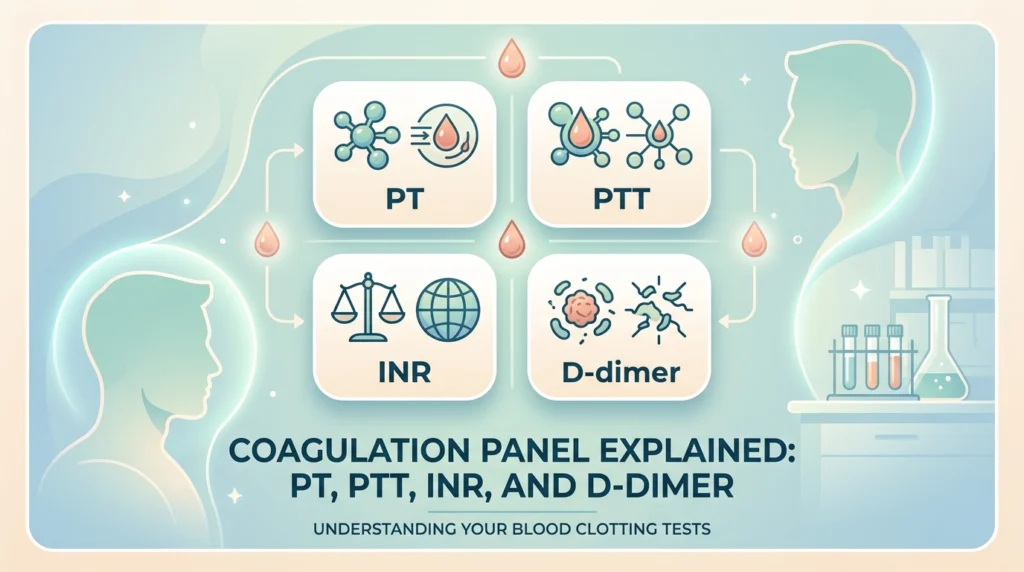
Coagulation Panel Explained: PT, PTT, INR, and D-dimer
A coagulation panel is a group of blood tests that show how well your body…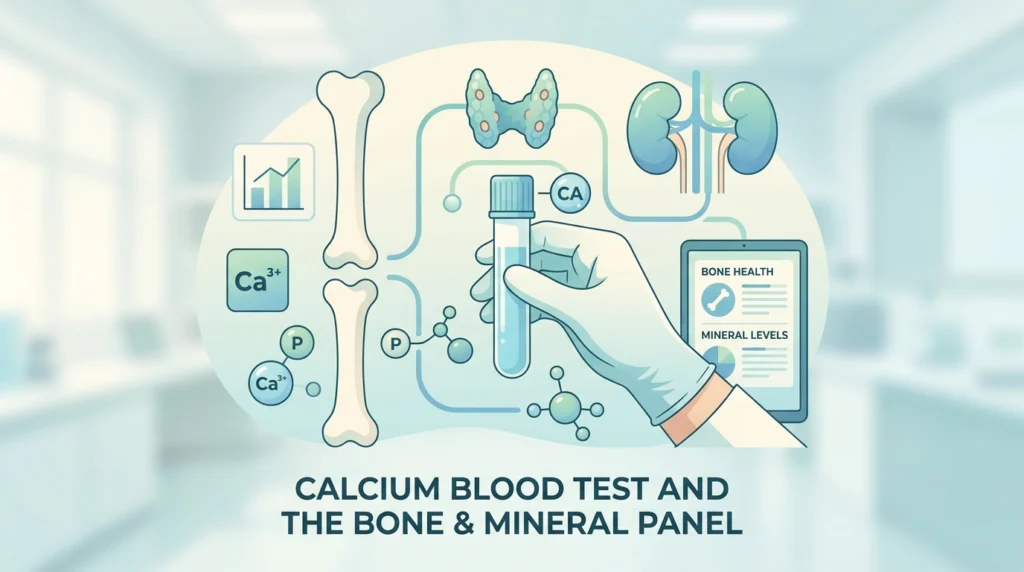
Calcium Blood Test and Bone Panel: Calcium, Phosphate, PTH, Vitamin D
A calcium blood test is one of the most common numbers on a routine lab…
Electrolyte Panel: Sodium, Potassium, Chloride & Bicarbonate
An electrolyte panel is a common blood test that measures four minerals your body relies…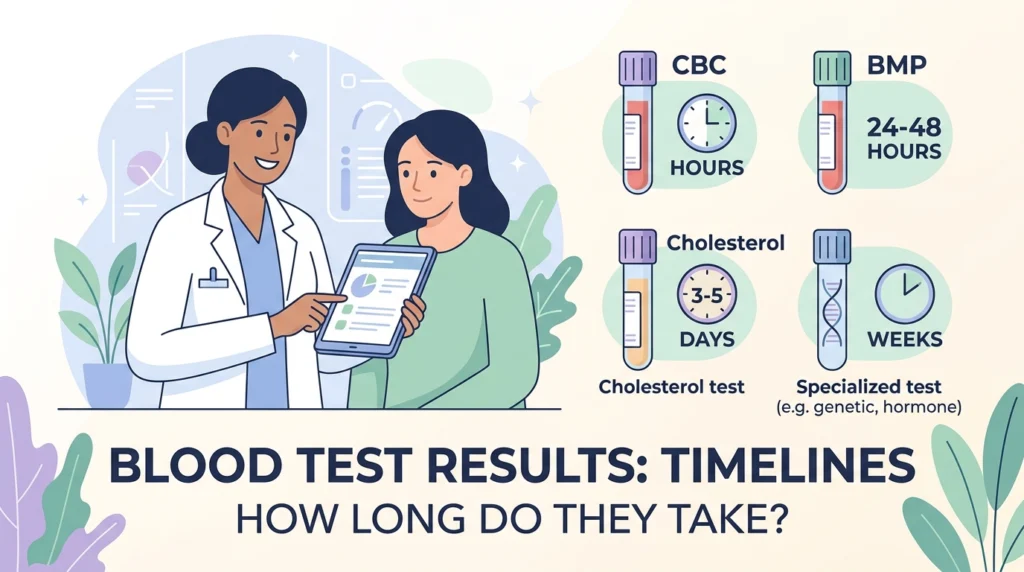
How Long Do Blood Test Results Take? Timelines by Test
How long do blood test results take? For most routine tests, results are ready within…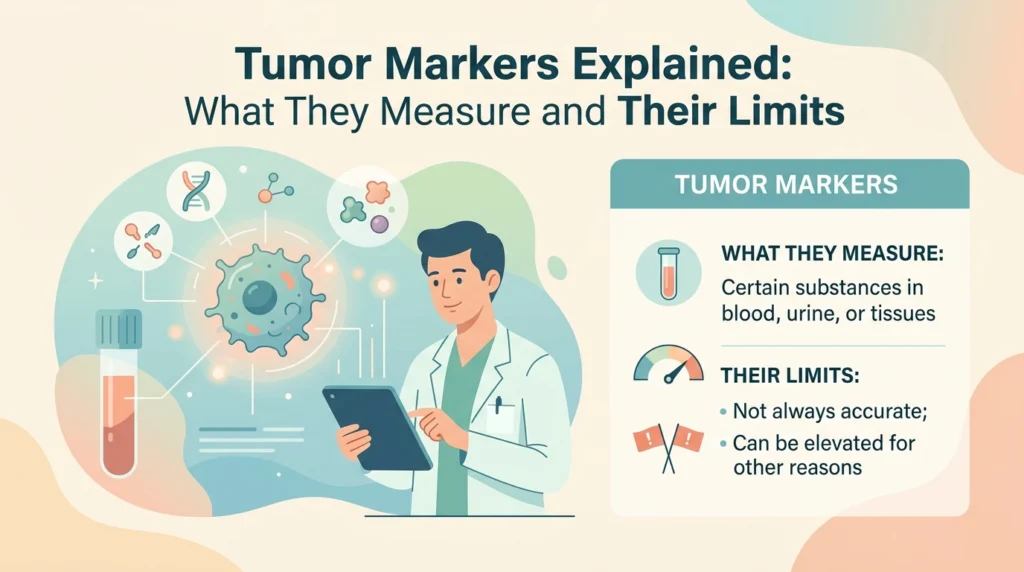
Tumor Markers Explained: What They Measure and Their Limits
Tumor markers are substances your body makes that can offer clues about cancer, but a…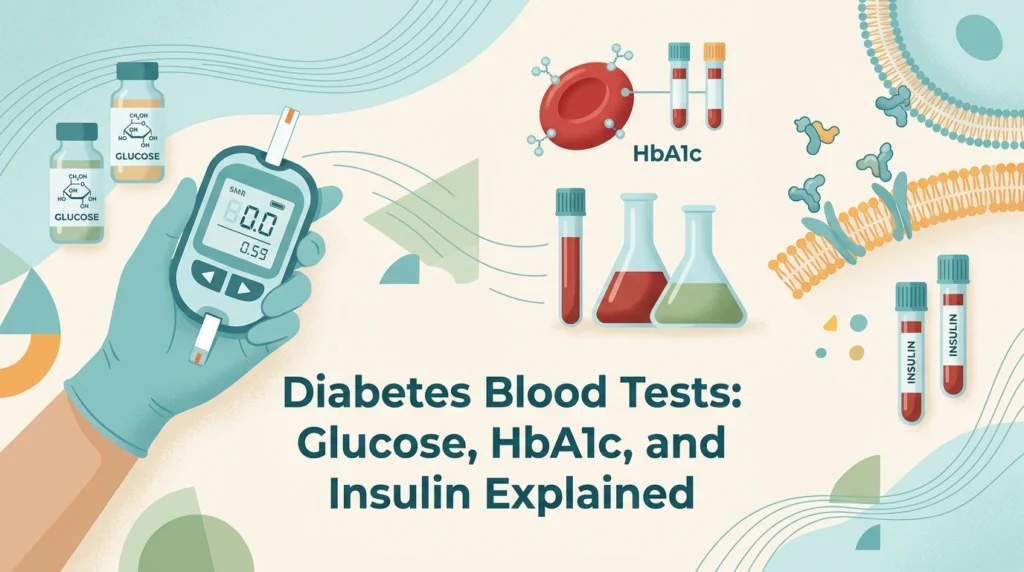
Diabetes Blood Tests: Glucose, HbA1c, and Insulin Explained
A diabetes blood test is the simplest, most reliable way to find out whether your…- Advertisement

Female Hormone Panel: Your FSH, LH, Estradiol, and Prolactin Results
A female hormone panel is a single blood test that checks several reproductive hormones at…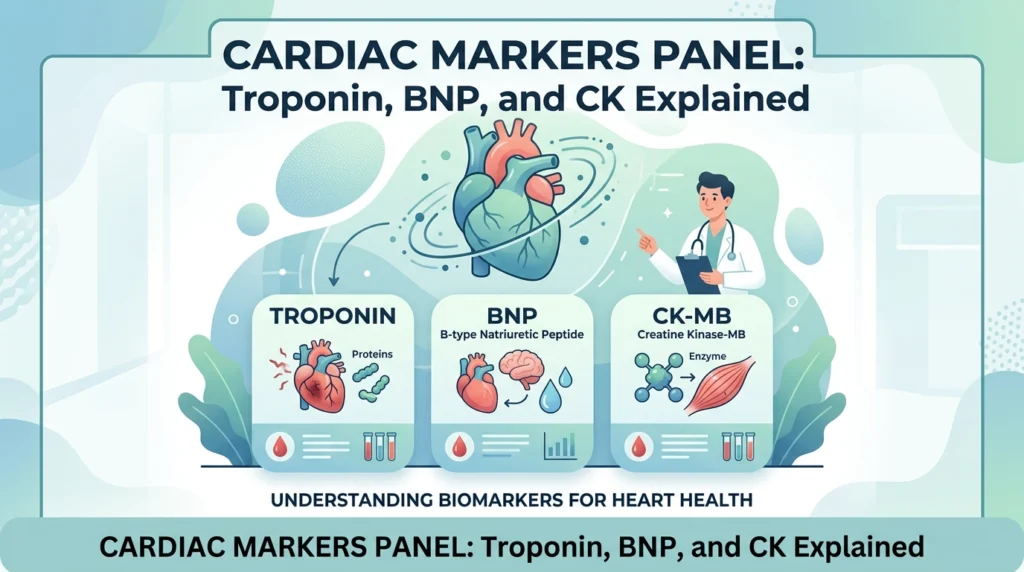
Cardiac Markers Panel: Troponin, BNP and CK Explained
Cardiac markers are substances your heart releases into the blood when it is stressed or…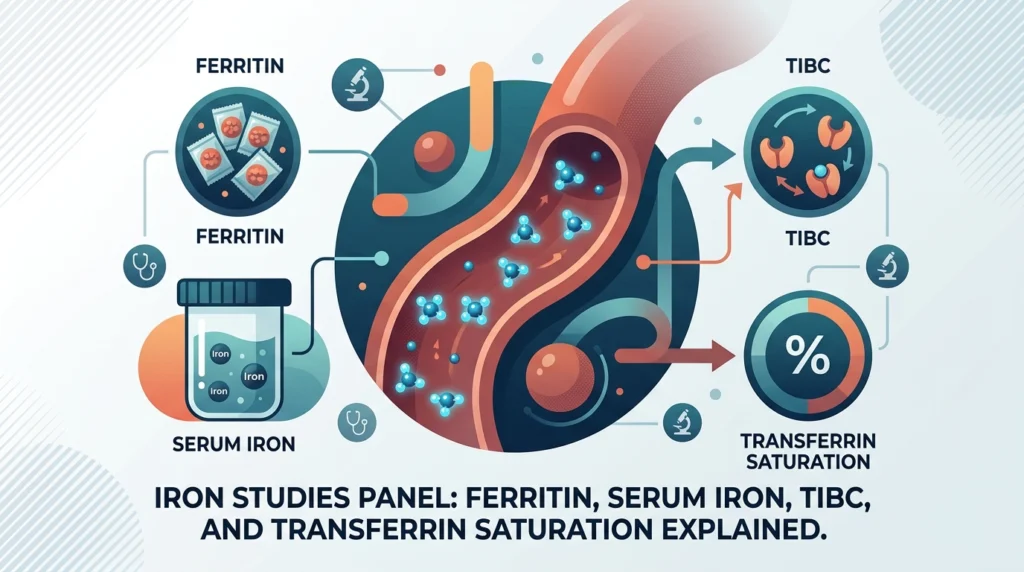
Iron Studies Panel: Ferritin, Serum Iron, TIBC and Saturation Explained
An iron studies panel is a group of blood tests that, read together, show how…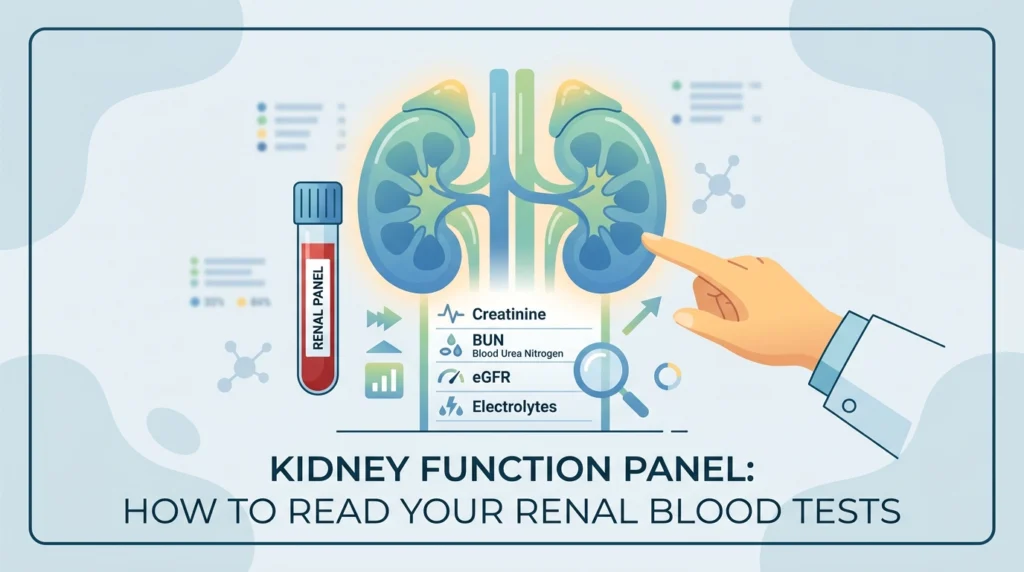
Kidney Function Panel: How to Read Your Renal Blood Tests
A kidney function panel is a group of blood tests that shows how well your…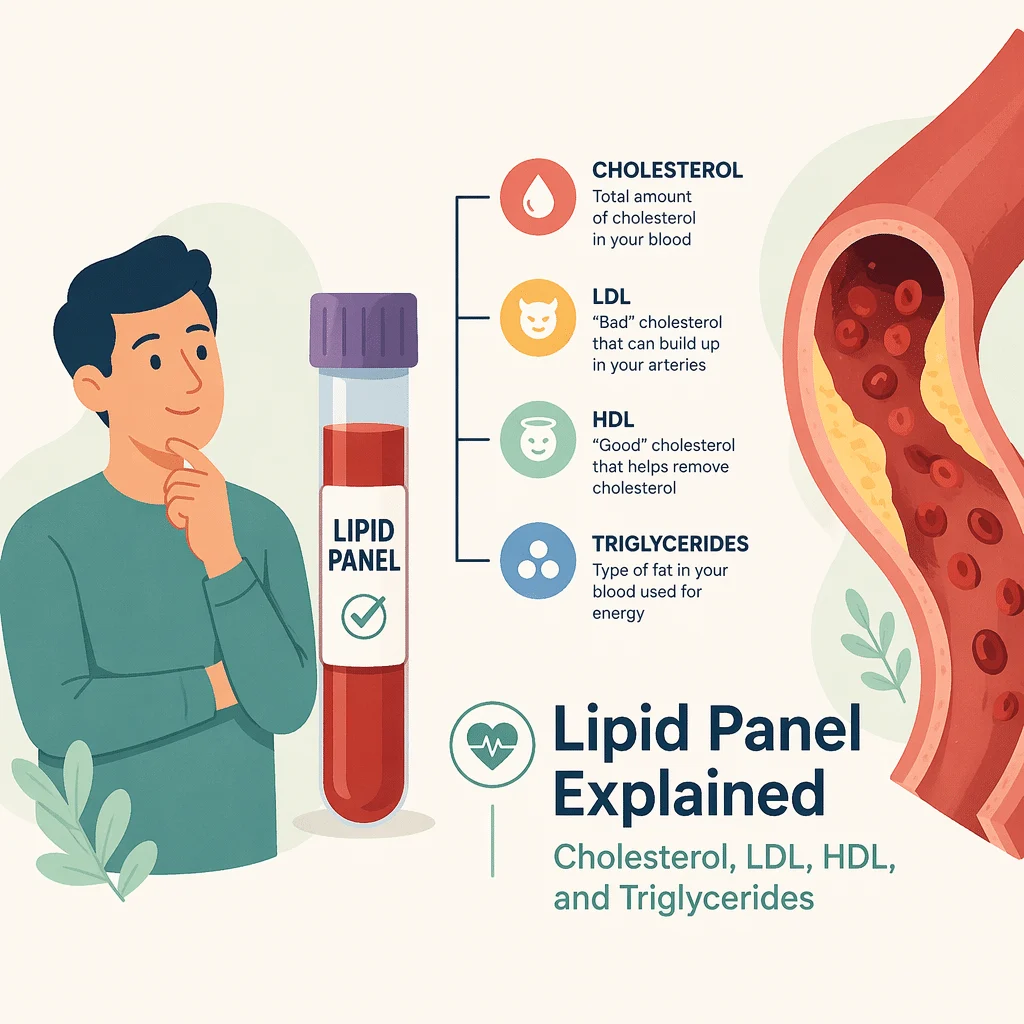
Lipid Panel Explained: Cholesterol, LDL, HDL, and Triglycerides
A lipid panel is a common blood test that measures the main fats in your…
Liver Function Tests (LFTs): How to Read Your Liver Panel
Liver function tests are a group of blood markers that show how your liver is…
Blood Tests During Pregnancy: What’s Checked and What Your Results Mean
Blood tests during pregnancy are a routine part of prenatal care, and most people have…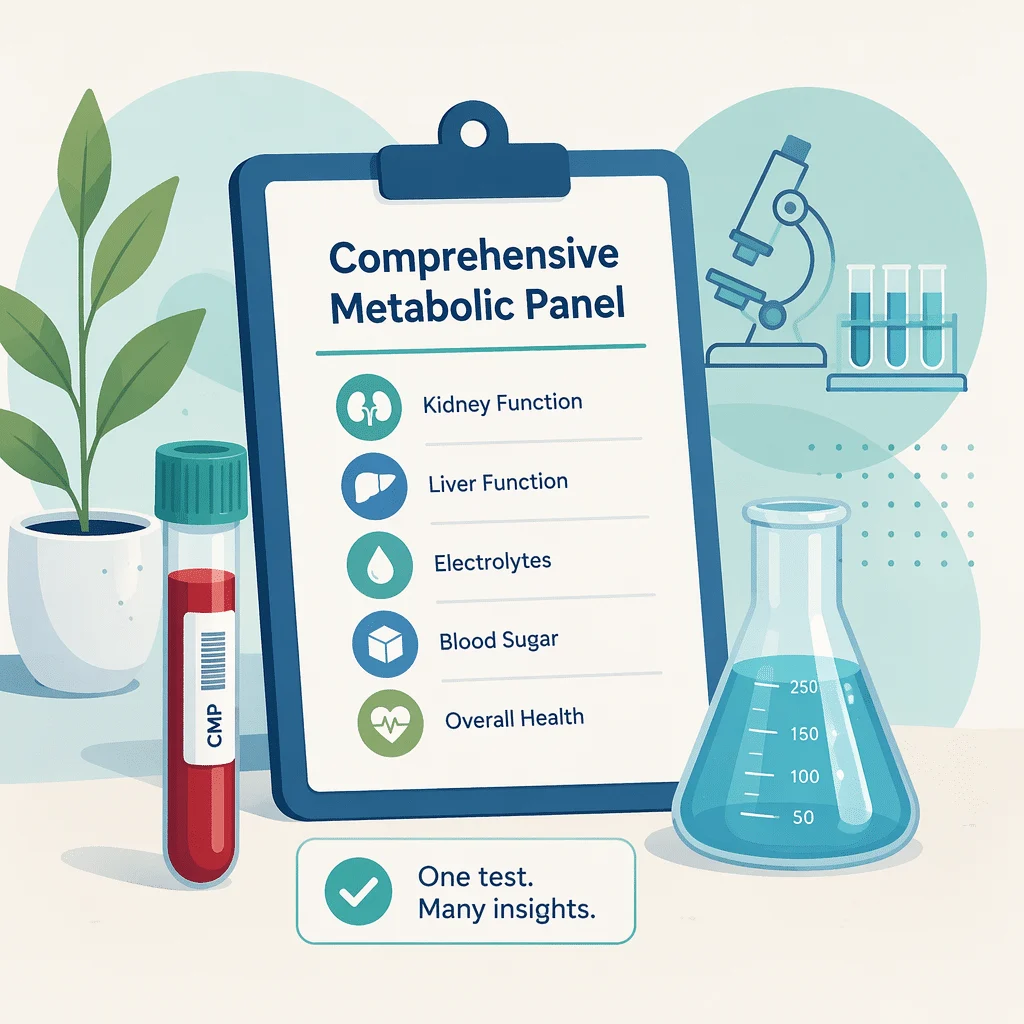
Comprehensive Metabolic Panel (CMP): How to Read Your Results
A comprehensive metabolic panel is one of the most common blood tests your doctor will…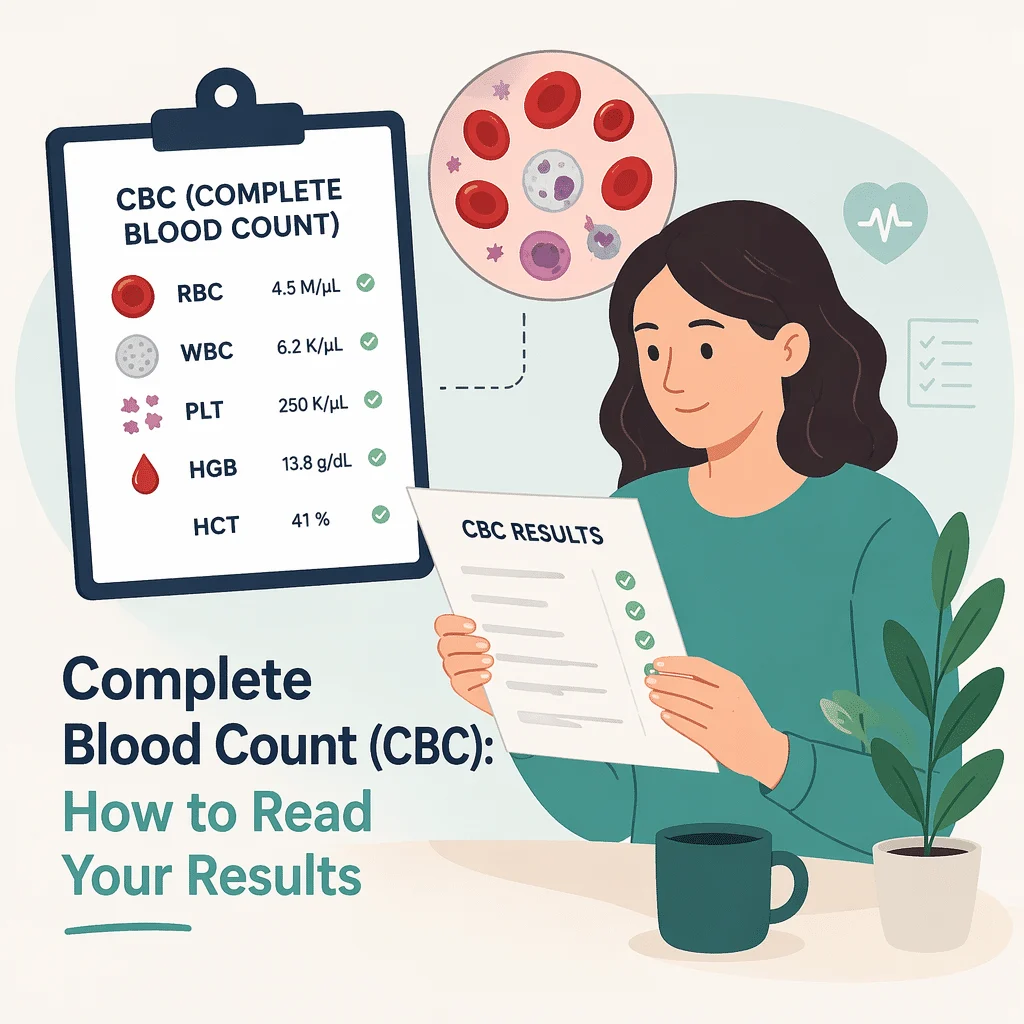
Complete Blood Count (CBC): How to Read Your Results
A complete blood count is one of the most common blood tests your doctor can…
How to Read Your Blood Test Results: A Complete Guide
Learning to read blood test results can feel like decoding a foreign language. Rows of…
Oily feces and fatty stool: causes, tests and what steatorrhea means
Fatty stool can be an early sign that your body isn’t digesting or absorbing fat…
Fecal calprotectin test results: what your levels mean
A fecal calprotectin test can help show whether your digestive symptoms are linked to intestinal…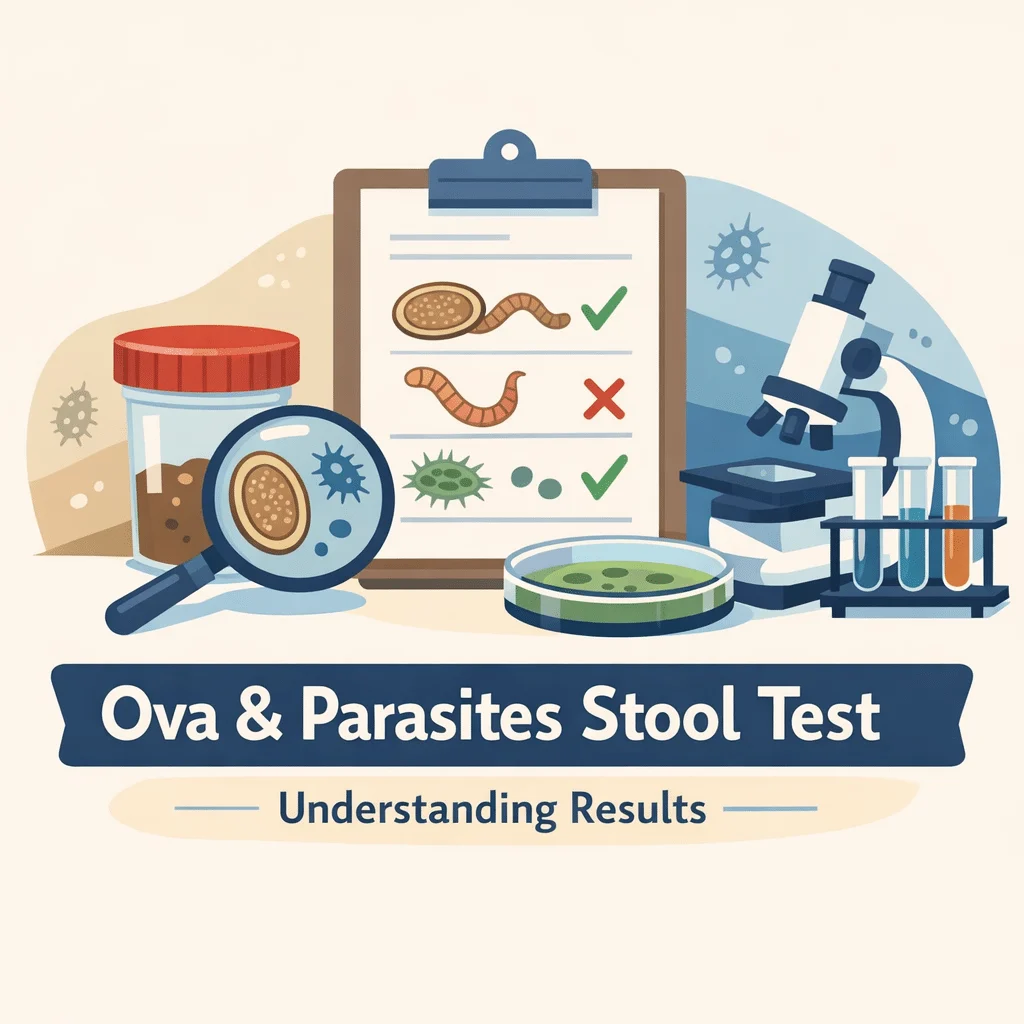
Ova and parasites test: how it works and what results mean
An ova and parasites stool test helps doctors look for hidden intestinal parasites that may…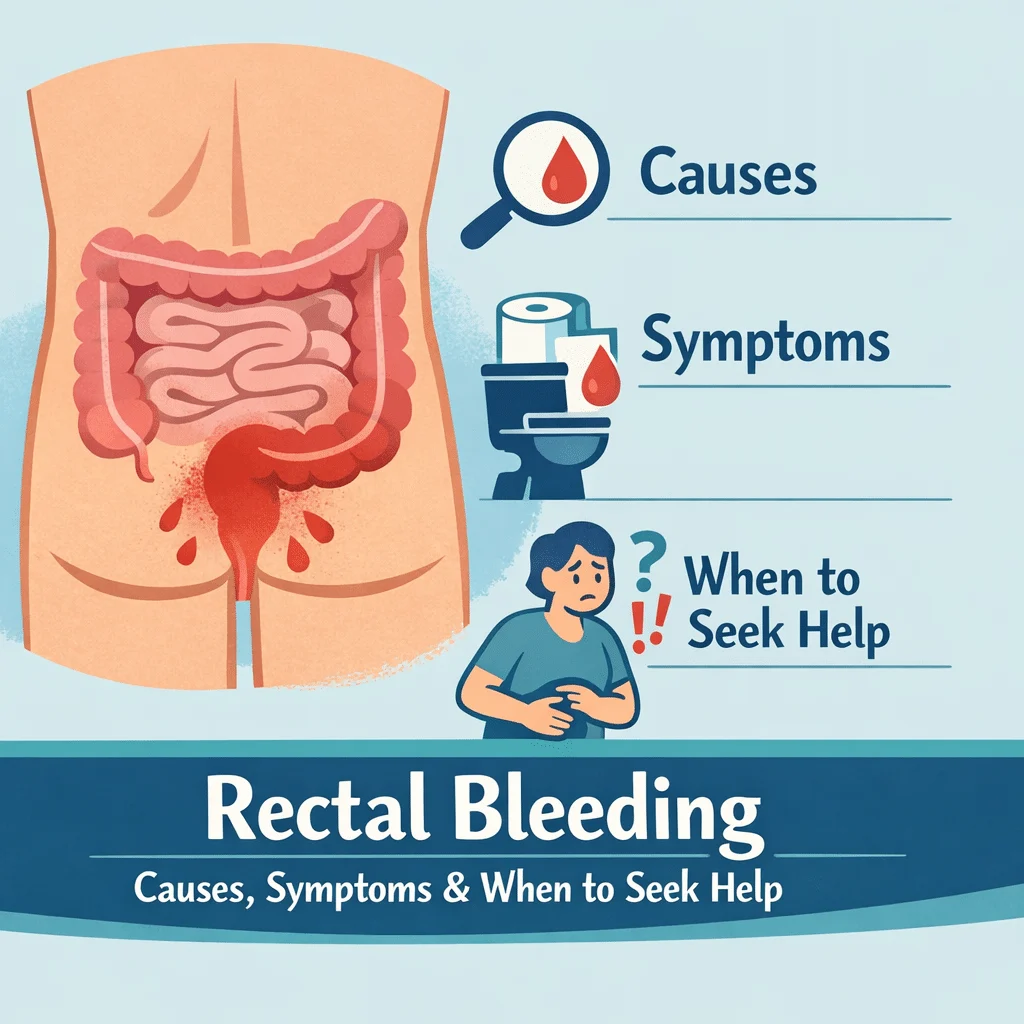
Rectal bleeding: causes, warning signs, and tests
Rectal bleeding can be alarming, but it doesn’t always point to a serious problem. Learn…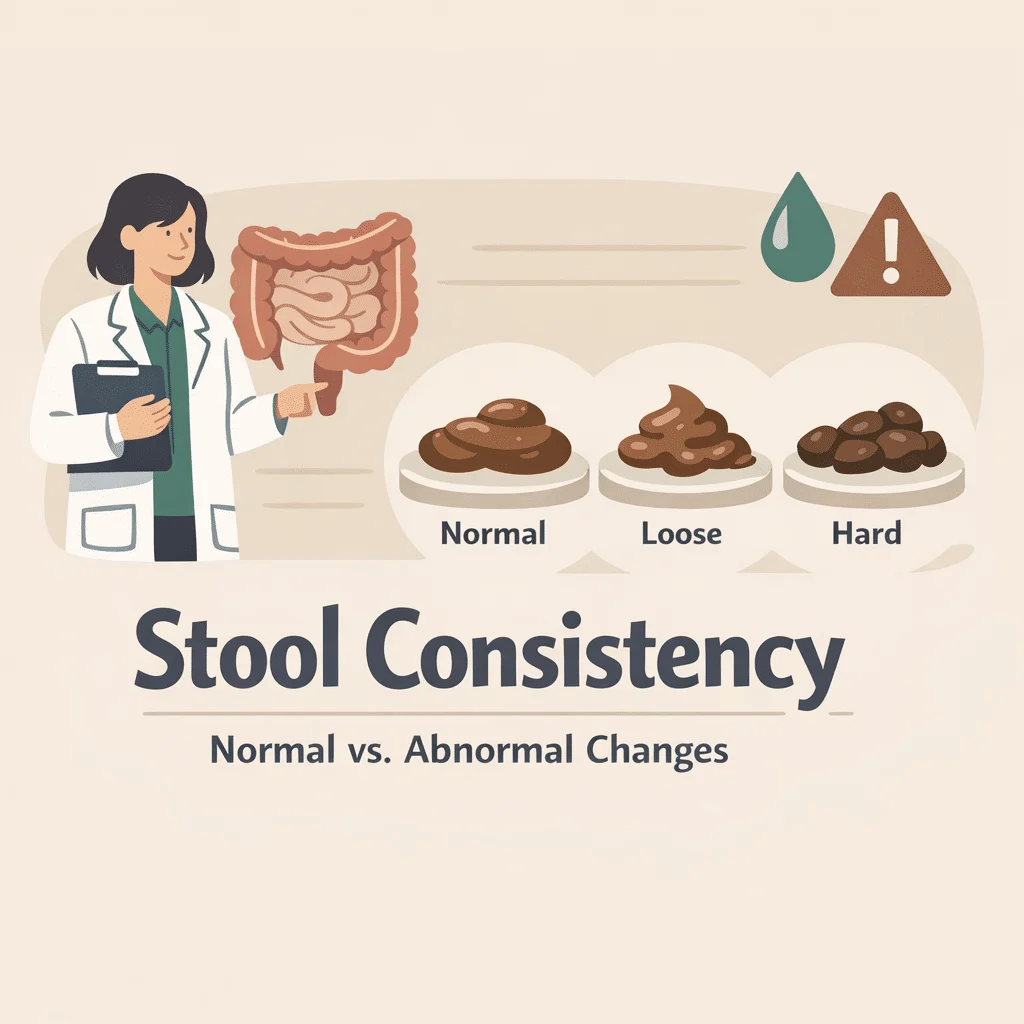
Stool consistency: the Bristol scale and what is normal
Stool consistency can reveal a lot about your digestive health, from everyday changes in diet…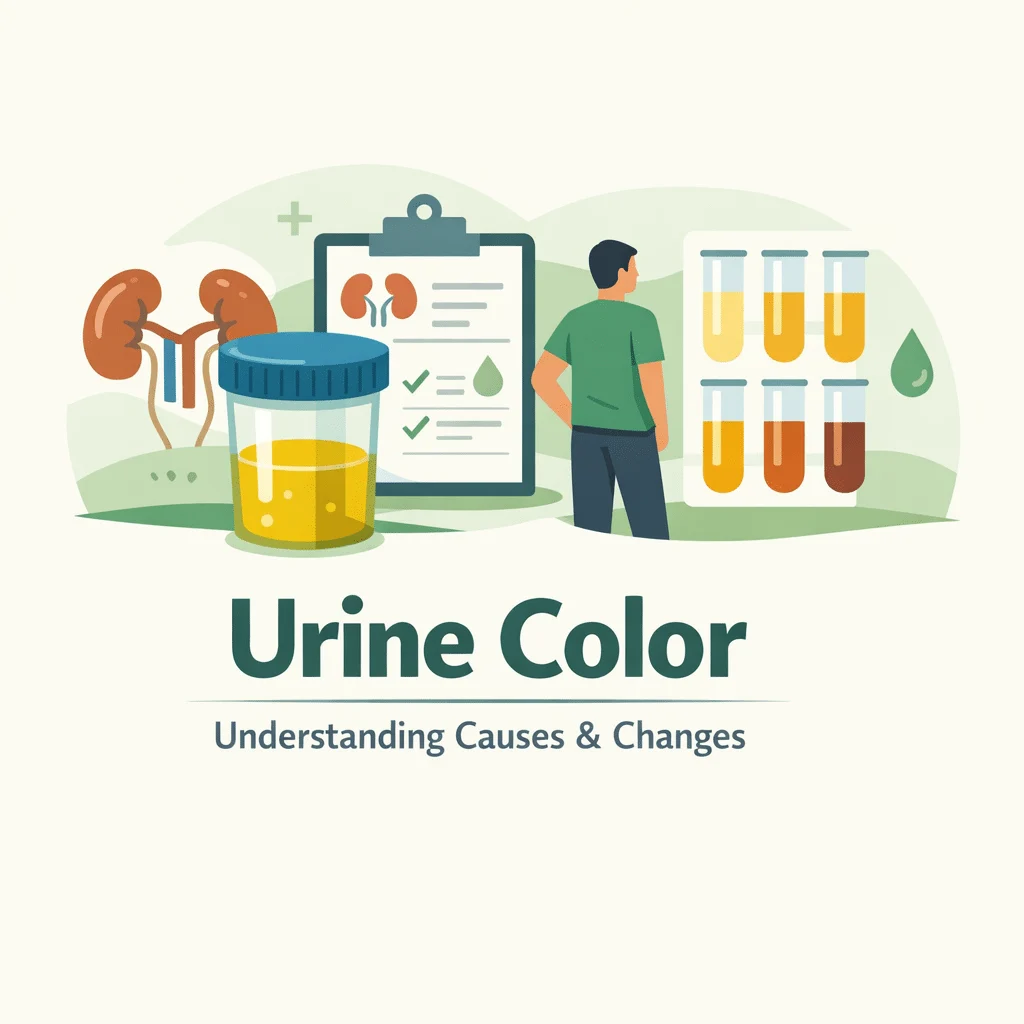
Urine color: what each shade means and when to get checked
Urine color can offer quick clues about hydration and overall health, ranging from pale straw…
Urine drug screen: positive, dilute or invalid results
Learn what drug screen results can and can’t tell you, including why a positive or…
Urine Cortisol: What a 24-Hour Test Result Means
A urine cortisol test can help doctors see whether your body is making too much…
Urine Electrolytes: What Sodium, Potassium and Chloride Mean
Curious what your urine electrolytes are telling you about your kidneys? This clear, friendly guide…
Urine chemistry: what the 10 dipstick results mean
Understanding specific urine chemistry can turn confusing dipstick numbers into clear clues about hydration, kidney…
Yeast in urine: contamination, colonization or infection
Seeing yeast in urine doesnt always mean an infection—it often reflects contamination or harmless colonization,…
Bacteriuria: when bacteria in urine is an infection and when it is not
Bacteriuria — bacteria in the urine — isn’t always an infection, but knowing common bacteriuria…
Casts in urine: what each type means for your kidneys
Urinary casts are tiny, tube-shaped particles seen in urine that help pinpoint whether a problem…
Epithelial cells in urine: cell types and what counts mean
Epithelial cells in urine are commonly seen in small numbers and often reflect normal shedding…
The kind of publications you will find here
Blood markers – Discover detailed explanations of the different markers present in your blood analyses. Each article in our publications explains the marker’s role in the body. It also discusses its clinical significance and reasons why it might be elevated or decreased.
Pathologies and diseases – Browse our library of publications on various medical conditions, their symptoms, links to lab analyses, and common therapeutic approaches.
Company news – Stay informed about the latest news concerning AI DiagMe, our partnerships, technological innovations, and upcoming events.
Medical news – Follow recent advancements in the medical field, relevant scientific discoveries, and changes in health practices, with a particular focus on diagnosis and interpretation of analyses. Indeed, our publications aim to provide comprehensive insights into these areas.
Medical glossary – Consult our comprehensive glossary of medical terms to help you understand the specialized vocabulary encountered in your analysis results or during medical consultations.
Our team, composed of healthcare professionals and artificial intelligence experts, regularly updates this resource center to guarantee accurate and up-to-date information. Ultimately, our goal is to support you in understanding your health. To that end, we aim to help you have more informed discussions with your healthcare professionals.
We invite you to explore these publications as a supplement to your medical consultations. Remember that this information does not replace the advice of a qualified healthcare professional.
Going further
Any questions, check out our FAQ or contact us.
If you want to learn more about blood markers in an engaging way, feel free to subscribe and listen to AI DiagMe Podcasts.
Want to take control of understanding your blood tests? Understand your laboratory analysis results in minutes with our aidiagme.com platform; your health deserves this special attention!