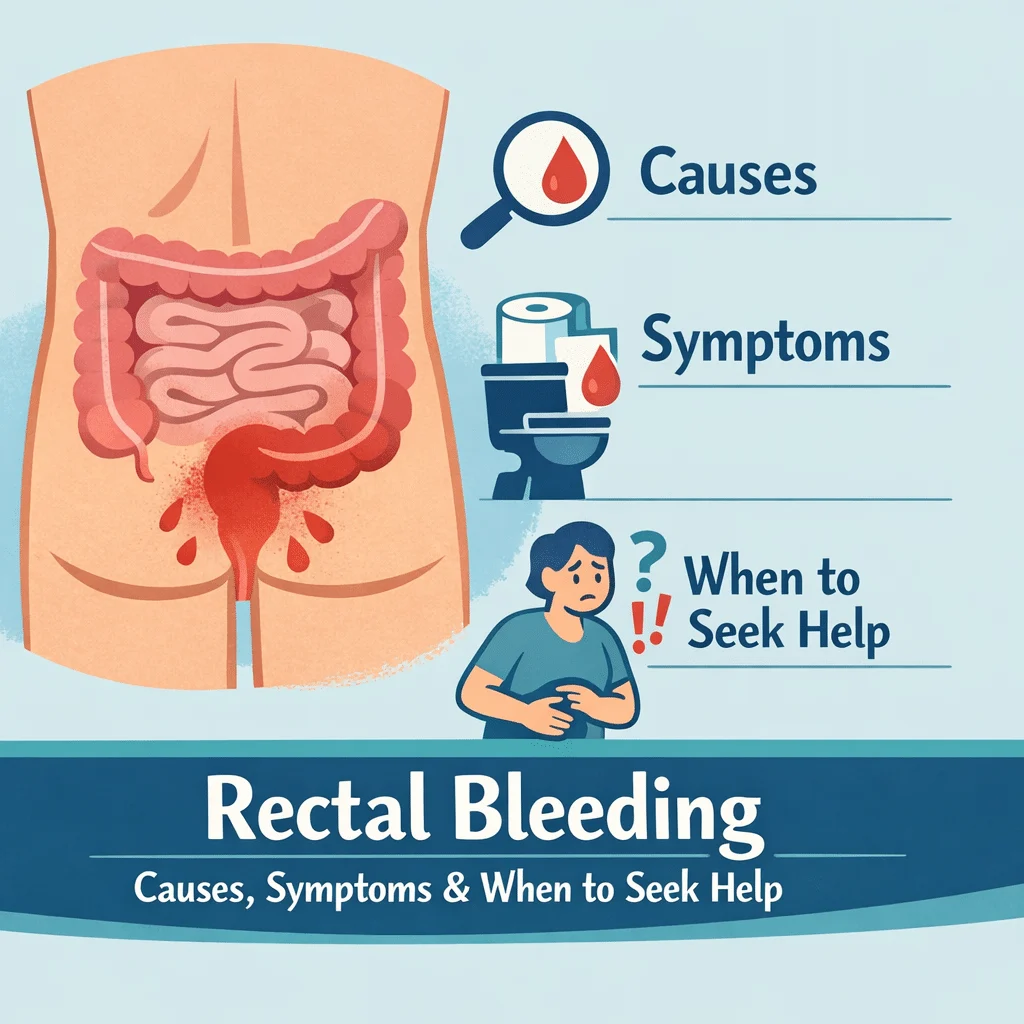
Sângerarea rectală — sânge care apare pe hârtia igienică, în vasul de toaletă sau amestecat în scaun — este un motiv frecvent pentru care oamenii caută răspunsuri, iar în majoritatea cazurilor explicația se dovedește a fi benignă. Asta nu înseamnă că poate fi ignorată. Culoarea sângelui, cantitatea acestuia și simptomele care îl însoțesc indică diferite zone ale tractului digestiv și diferite grade de urgență. În acest articol vei afla ce sugerează sângele roșu aprins, roșu închis și scaunul negru ca smoala, care sunt afecțiunile care provoacă cel mai frecvent sângerări, care situații necesită îngrijire de urgență în aceeași zi și care pot aștepta o programare obișnuită, și cum identifică medicii sursa sângerării prin teste de scaun, analize de sânge și endoscopie.
Ce spune culoarea sângelui despre locul de unde provine
Sângele își schimbă culoarea pe măsură ce parcurge tractul digestiv. Enzimele digestive și bacteriile intestinale descompun hemoglobina — proteina care transportă fierul din interiorul globulelor roșii — iar cu cât acest proces durează mai mult, cu atât rezultatul este mai închis la culoare. Culoarea este, prin urmare, o hartă aproximativă a distanței: cu cât sângele este mai roșu și mai viu, cu atât sursa este mai aproape de anus.
Acesta este un punct de plecare pentru o discuție cu un medic, nu un diagnostic. O sângerare rapidă în partea superioară a tubului digestiv poate apărea totuși roșie, deoarece sângele trece rapid, iar mai multe alimente imită convingător sângele. Sfecla roșie, gelatina roșie și sosurile de roșii pot colora scaunul în roșu, în timp ce comprimatele de fier, remediile gastrice cu bismut, lemnul dulce negru și afinele îl pot închide la culoare.
| Ce observi | Ce sugerează de obicei |
|---|---|
| Roșu aprins pe hârtia igienică sau picurând în vasul toaletei, scaunul altfel normal | Anusul sau rectul inferior. Hemoroizii și fisurile anale sunt explicațiile obișnuite. |
| Sânge roșu aprins amestecat în scaun | Rectul, colonul sigmoid sau colonul stâng. Polipii, diverticulii, inflamația sau o tumoră devin mai plauzibile. |
| Sânge roșu închis sau vișiniu, uneori cu cheaguri | Mai sus în colon sau în intestinul subțire. O sângerare rapidă dintr-o zonă mai îndepărtată poate arăta la fel. |
| Scaun negru, lipicios, ca smoala, cu miros puternic (melenă) | Stomacul, duodenul sau intestinul subțire superior. Sângele a fost digerat pe parcurs. |
| Nimic vizibil, dar un test de scaun detectează sânge (sânge ocult) | Pierdere lentă și continuă oriunde în tubul digestiv. Acesta este adesea primul semn al unui polip sau al unui cancer în stadiu incipient. |
Sângele este doar unul dintre lucrurile care pot schimba aspectul scaunului, iar un articol însoțitor explică cum arată consistența normală și anormală a scaunului. Micile puncte întunecate reprezintă o întrebare separată, iar un alt ghid acoperă posibilele semnificații ale punctelor negre din scaun.
Afecțiunile care stau la baza majorității sângerărilor rectale
Hemoroizi și fisuri anale
Aceste două afecțiuni reprezintă marea majoritate a sângerărilor vizibile la persoanele sub 50 de ani. Hemoroizii sunt perne vasculare dilatate situate în interiorul sau imediat în afara canalului anal; cei interni sângerează de obicei fără durere, acoperind scaunul sau picurând sânge roșu aprins în vasul de toaletă după defecație. O fisură anală este o mică ruptură a mucoasei canalului anal, cauzată de obicei de un scaun dur, și se manifestă printr-o durere ascuțită, ca o tăietură, în timpul și după defecație, plus o dâră de sânge pe hârtia igienică. Un ghid dedicat detaliază cauzele, tratamentele și prevenirea hemoroizilor. O umflătură bruscă, dureroasă, albastru-violacee la nivelul orificiului anal este mai probabil o venă trombozată, iar un articol descrie simptomele și tratamentul hematomului perianal.
Sângerarea diverticulară și angiodisplazia
Diverticulii sunt mici pungi care ies în afară prin punctele slabe ale peretelui colonului. Devin foarte frecvenți după vârsta de 60 de ani și sunt de obicei asimptomatici, dar un vas de sânge întins peste gâtul unei astfel de pungi se poate rupe. Rezultatul este caracteristic: pierdere bruscă, nedureroasă, uneori abundentă de sânge roșu-închis sau maroniu. Angiodisplazia — vase mici fragile, anormal de dilatate, în peretele colonului sau al intestinului subțire — este cealaltă cauză clasică la adulții în vârstă și produce mai des o pierdere lentă, repetată, decât un episod dramatic.
Polipi și cancer colorectal
Polipii sunt excrescențe pe mucoasa colonului sau a rectului. Majoritatea sunt inofensivi, dar unele tipuri acumulează treptat modificări care se pot transforma în cancer de-a lungul anilor. Atât polipii, cât și tumorile sângerează intermitent, adesea în cantități mult prea mici pentru a fi vizibile — tocmai de aceea sângerarea invizibilă contează la fel de mult ca cea evidentă. Un articol separat analizează factorii de risc și tratamentul cancerului colorectal.
Boala inflamatorie intestinală și proctita
Colita ulcerativă și boala Crohn inflamează și ulcerează mucoasa intestinală, iar sângerarea apare de obicei însoțită de diaree, urgență la toaletă, mucus, dureri abdominale sub formă de crampe și, uneori, scădere în greutate sau febră. Proctita — inflamație limitată la rect — poate apărea după radioterapie pelvină sau anumite infecții, inclusiv cele cu transmitere sexuală, ori poate fi primul semn al colitei ulcerative. Biblioteca noastră acoperă și diagnosticul și gestionarea zilnică a bolii Crohn. Medicii asociază frecvent această suspiciune cu un marker inflamator din scaun, iar un articol complementar explică interpretarea rezultatelor calprotectinei fecale. Când o călătorie recentă sau o diaree care durează mai mult de două săptămâni face parte din tabloul clinic, o cauză infecțioasă merită luată în considerare, iar un alt ghid detaliază testul pentru ouă și paraziți din scaun.
Cauze mai puțin frecvente
Sângerarea poate proveni și dintr-o fistulă sau un abces anal, sindromul ulcerului rectal solitar, colita ischemică (o întrerupere temporară a aportului de sânge la o parte a colonului, care provoacă de obicei crampe dureroase urmate de diaree cu sânge la adulții în vârstă), prolapsul rectal sau traumatisme. Scaunul palid, gras și care plutește reprezintă o problemă cu totul diferită, iar un ghid acoperă cauzele și tratamentul scaunului gras.
Cum schimbă anticoagulantele și antiinflamatoarele tabloul clinic
Istoricul medicamentos influențează atât probabilitatea apariției sângerării, cât și gravitatea cu care trebuie tratat un episod.
- Anticoagulantele — warfarina, apixabanul, rivaroxabanul, edoxabanul, dabigatranul, heparinele — nu creează o leziune, dar permit ca una deja existentă să sângereze mai mult și mai abundent.
- Medicamentele antiplachetare, precum aspirina și clopidogrelul, acționează printr-un mecanism diferit, cu un efect similar, iar riscul crește atunci când două astfel de medicamente sunt combinate.
- Antiinflamatoarele nesteroidiene (AINS) — ibuprofen, naproxen, diclofenac — pot leza direct mucoasa stomacului, a intestinului subțire și a colonului și reprezintă o cauză recunoscută de sângerare atât la nivelul tractului digestiv superior, cât și al celui inferior.
Nu opri niciodată un anticoagulant prescris pe cont propriu din cauza sângerării. Oprirea bruscă implică propriul risc de cheaguri, accidente vasculare cerebrale și atacuri de cord. Sună medicul care ți l-a prescris, descrie exact ce observi și lasă-l pe el să ia decizia.
Sângerare rectală: când să mergi de urgență la medic și când este suficientă o programare
Aceasta este întrebarea pe care majoritatea oamenilor chiar vor să o afle, așa că iată răspunsul cât mai clar posibil. Orice sângerare vizibilă merită o evaluare medicală, chiar și atunci când o cauză benignă, cum ar fi hemoroizii, este foarte probabilă. Cele două nu se exclud reciproc, iar prezența hemoroizilor nu te protejează și de existența unui polip. Ceea ce se schimbă de la o situație la alta este momentul în care trebuie să acționezi.
| Nivelul de urgență | Cum arată | Ce să faci |
|---|---|---|
| Urgență medicală imediată | Sângerare abundentă care nu se oprește, cheaguri mari, scaun negru și gudronat, vărsături cu sânge sau cu un material care seamănă cu zaț de cafea, amețeală, leșin, palpitații, piele rece și umedă, confuzie sau durere abdominală severă însoțită de sângerare | Mergi la camera de gardă sau sună la 112. Nu conduce singur. Aceste semne indică o pierdere rapidă sau masivă de sânge care necesită evaluare în aceeași zi. |
| O programare în câteva zile | Sânge amestecat în scaun, nu doar pe hârtia igienică; sângerare care revine repetat pe parcursul a mai mult de una-două săptămâni; sângerare însoțită de o schimbare persistentă a tranzitului intestinal, scădere inexplicabilă în greutate, durere abdominală continuă, oboseală sau lipsă de aer; orice sângerare la persoane de 45 de ani sau mai mult; sângerare în timp ce iei un anticoagulant, un antiagregant plachetar sau AINS în mod regulat; antecedente personale sau familiale de cancer colorectal, polipi sau boală inflamatorie intestinală | Contactează medicul tău și cere să fii consultat cât mai curând. Așteaptă-te la un examen clinic și, în majoritatea cazurilor, la un test de scaun, analize de sânge sau o trimitere pentru endoscopie. |
| Control de rutină | O singură dungă mică de sânge pe hârtia igienică la un adult tânăr cu hemoroizi cunoscuți sau o fisură anală tipică, fără alte simptome, și sângerare care dispare în câteva zile | Totuși, menționează-o la următoarea ta vizită. Dacă sângerarea reapare, devine mai abundentă sau apar simptome noi, treci la rândul de mai sus. |
Două situații merită o mențiune separată. Sângerarea în timpul sarcinii este de obicei de natură hemoroidală, dar trebuie întotdeauna semnalată medicului. Iar la un copil, sângele în scaun nu este niciodată ceva de urmărit și așteptat acasă: necesită un apel în aceeași zi la medicul pediatru.
Cum se investighează sângerarea rectală
Examinare și testarea scaunului
O consultație începe de obicei cu istoricul — culoarea, cantitatea, momentul apariției, durerea, tranzitul intestinal, medicamentele, istoricul familial — urmat de examinarea zonei anale și un tușeu rectal. Anoscopia, un tub rigid scurt care deschide canalul anal pentru vizualizare, poate confirma hemoroizii interni sau o fisură în câteva secunde, chiar în cabinet.
Atunci când sursa nu este evidentă, urmează un test de scaun pentru depistarea sângelui. Testul imunologic fecal (FIT) folosește anticorpi care recunosc specific hemoglobina umană, astfel că alimentele și majoritatea medicamentelor nu mai interferează și nu este necesară nicio pregătire alimentară prealabilă. Vechiul test de sânge ocult în scaun pe bază de guaiac (gFOBT) se bazează pe o reacție chimică, motiv pentru care impunea restricții alimentare și de aceea se mai recomandă astăzi doar varianta cu sensibilitate ridicată. Ambele detectează sânge invizibil cu ochiul liber.
Explorarea interiorului intestinului
Colonoscopia examinează întreaga lungime a colonului și ultima parte a intestinului subțire cu o cameră flexibilă și este singurul test care poate detecta o leziune și o poate îndepărta în aceeași ședință. Sigmoidoscopia flexibilă ajunge doar la nivelul colonului stâng; este mai rapidă, necesită o pregătire mai redusă și poate fi suficientă atunci când sursa suspectată se află în zona inferioară. Colonografia CT produce imagini detaliate fără cameră, dar nu poate preleva o biopsie. Când sângerarea este abundentă și sursa rămâne ascunsă, angiografia CT sau o scintigrafie cu hematii marcate pot localiza sursa, iar endoscopia superioară este adăugată ori de câte ori se suspectează melenă sau o sursă superioară.
Analize de sânge care măsoară consecințele
O sângerare care s-a produs lent timp de luni de zile apare în sânge înainte de a fi vizibilă în toaletă. O hemoleucogramă completă poate evidenția o hemoglobină scăzută cu globule roșii mici și palide, semnătura caracteristică a deficitului de fier. Feritina, proteina care stochează fierul, scade prima și este cel mai sensibil marker al rezervelor epuizate. La un bărbat de orice vârstă sau la o femeie după menopauză, anemia feriprivă fără o altă explicație este tratată ca pierdere de sânge din tractul digestiv până la proba contrarie. Biblioteca noastră explică simptomele, cauzele și analizele pentru anemie, iar un alt articol detaliază cauzele și tratamentul nivelului scăzut de feritină.
Screeningul cancerului colorectal începe acum de la 45 de ani
Screeningul are loc înainte de apariția simptomelor și este motivul pentru care mulți polipi sunt îndepărtați înainte de a sângera vreodată. Grupul de Lucru pentru Servicii Preventive din SUA recomandă screeningul pentru toți adulții cu vârste între 45 și 75 de ani, vârsta de începere fiind coborâtă de la 50 la 45 de ani, deoarece cancerul colorectal este diagnosticat tot mai frecvent la adulți mai tineri. Între 76 și 85 de ani, screeningul devine o decizie individuală, care ține cont de starea generală de sănătate și de istoricul anterior de screening.
Mai multe abordări sunt considerate acceptabile: FIT anual, gFOBT de înaltă sensibilitate anual, test ADN fecal-FIT o dată la unu până la trei ani, colonoscopie la fiecare zece ani, colonografie CT la fiecare cinci ani sau sigmoidoscopie flexibilă la fiecare cinci ani, ori la fiecare zece ani combinată cu FIT anual. Un lucru contează mai mult decât alegerea în sine: un rezultat pozitiv la orice test, cu excepția colonoscopiei, trebuie urmat de o colonoscopie, altfel screeningul rămâne nefinalizat. Acoperirea recentă analizează un test de sânge pentru screeningul cancerului de colon.
Screeningul se aplică persoanelor fără simptome. Sângerarea rectală vizibilă este un simptom și necesită o evaluare diagnostică, nu un test de screening.
Cele mai recente progrese științifice
Cercetările din ultimii trei ani s-au concentrat mai puțin pe tratamente noi și mai mult pe o întrebare practică: cine are nevoie de colonoscopie și cât de repede? Iată ce sugerează studiile recente.
Un test de scaun ajută la stabilirea cine are nevoie mai întâi de examinarea cu camera
Un studiu scoțian din 2025 a urmărit persoane trimise la spital cu sângerare rectală și a testat dacă testul imunologic fecal (FIT) le poate clasifica în funcție de risc. O singură probă a sortat grupul satisfăcător, iar două probe au sortat mai bine: persoanele fără hemoglobină detectabilă în scaun aveau șanse foarte mici să aibă cancer, în timp ce cazurile s-au concentrat în rândul celor cu valori mai ridicate. O analiză anterioară a aceluiași grup de cercetători, publicată în 2023, a ajuns la o concluzie similară privind utilizarea a două probe în loc de una. Ce înseamnă asta pentru tine: dacă medicul tău îți cere o probă de scaun chiar dacă poți vedea sângele, nu este o tactică de amânare — ajută la stabilirea urgenței cu care este necesară o examinare cu camera. Aceste rezultate provin din clinici de trimitere dintr-un singur sistem de sănătate, deci practica locală poate varia, iar un test de scaun negativ nu anulează niciodată simptomele care persistă.
Sângerarea se numără printre simptomele care duc cel mai frecvent la un diagnostic
O analiză din 2024 realizată de British Society of Gastroenterology a folosit o bază de date națională de endoscopie — un registru care înregistrează ce s-a descoperit în cadrul fiecărei proceduri — pentru a examina care simptome de trimitere au dus efectiv la un diagnostic de cancer la colonoscopie. Sângerarea rectală și anemia s-au remarcat în mod deosebit, mai ales în combinație și la pacienții mai în vârstă, în timp ce alte motive de trimitere au produs foarte puțin. Ce înseamnă asta pentru tine: gastroenterologii iau sângerarea în serios dintr-un motiv bine întemeiat, și merită să o descrii cu precizie, fără să o minimizezi.
Cancerul colorectal la adulții tineri: un semnal real și o dezbatere în curs
O analiză din 2025 realizată de cercetători de la National Cancer Institute a confirmat că în Statele Unite cancerul colorectal este diagnosticat tot mai frecvent la adulții sub 50 de ani — aceasta este tendința care a dus la scăderea vârstei de screening. Un comentariu din 2025 publicat într-o revistă medicală de specialitate a susținut că o parte din creșterea aparentă a cancerelor cu debut precoce în ansamblu reflectă mai degrabă o testare mai intensivă decât o creștere reală a bolii, și a îndemnat la prudență în interpretarea cifrelor. Ce înseamnă asta pentru tine: schimbarea spre pacienți mai tineri este suficient de reală încât ghidurile au fost modificate, dar asta nu înseamnă că un adult tânăr cu o mică urmă de sânge ar trebui să se gândească la ce e mai rău. Înseamnă că a fi sub 50 de ani nu mai este un motiv pentru a evita o evaluare.
Vârsta de debut este încă în dezbatere în alte țări
O analiză din 2026 a pus întrebarea dacă alte țări ar trebui să urmeze exemplul Statelor Unite și să înceapă screeningul pe bază de scaun de la 45 de ani în loc de 50, cântărind cancerele depistate mai devreme față de colonoscopiile suplimentare, presiunea asupra serviciilor de endoscopie și riscul de supradiagnosticare — adică leziunile descoperite și tratate care nu ar fi cauzat niciodată probleme. Ce înseamnă asta pentru tine: recomandările diferă de la o țară la alta pentru că echilibrul este cu adevărat dificil de stabilit. Întreabă-ți medicul ce program se aplică în țara ta și cum îl influențează istoricul tău personal.
Glosar
| Termen | Definiție |
|---|---|
| Angiodisplazie | Vase de sânge mici, fragile și anormal de dilatate în peretele intestinului. Reprezintă o cauză frecventă de sângerare lentă și repetată la adulții în vârstă. |
| Anoscopia | O examinare scurtă la cabinet, folosind un tub rigid scurt pentru a vizualiza canalul anal și rectul inferior. Poate confirma hemoroizii sau o fisură anală în câteva secunde. |
| Diverticuli | Mici pungi care se formează prin punctele slabe ale peretelui colonului. Frecvente odată cu înaintarea în vârstă și de obicei fără simptome, dar un vas de sânge întins peste o astfel de pungă poate sângera brusc. |
| Testul imunologic fecal (FIT) | Un test de scaun care folosește anticorpi pentru a detecta hemoglobina umană. Nu necesită pregătire alimentară și este utilizat atât pentru screening, cât și pentru clarificarea simptomelor. |
| Feritină | Proteina care stochează fierul în organism. Nivelul său în sânge scade devreme când rezervele de fier sunt epuizate, ceea ce îl face un marker sensibil al pierderii cronice de sânge. |
| Hemoglobină | Proteina care conține fier din globulele roșii și transportă oxigenul. Descompunerea sa pe măsură ce sângele trece prin intestin este cea care colorează scaunul în negru. |
| Melenă | Scaun negru, lipicios, asemănător cu gudronul, cu un miros puternic și caracteristic, cauzat de sânge digerat. De obicei indică o sângerare la nivelul stomacului sau al intestinului subțire superior. |
| Sânge ocult | Sânge prezent în scaun în cantități prea mici pentru a fi vizibile, detectabil doar printr-un test de laborator. |
| Polip | O excrescență pe mucoasa interioară a colonului sau rectului. Majoritatea sunt inofensive, dar unele tipuri se pot transforma lent în cancer, motiv pentru care sunt îndepărtate atunci când sunt descoperite. |
| Proctită | Inflamație a mucoasei rectului. Cauzele includ radioterapia la nivelul pelvisului, anumite infecții și bolile inflamatorii intestinale. |
Întrebări frecvente
De ce sângerez rectal fără durere?
Sângerarea nedureroasă este mai frecventă decât s-ar crede, nu o excepție. Hemoroizii interni se află deasupra zonei unde canalul anal conține nervi sensibili la durere, astfel că sângerează adesea cu sânge roșu aprins fără a provoca nicio durere. Sângerarea diverticulară și angiodisplazia sunt de obicei nedureroase, la fel ca majoritatea polipilor și multe tumori în stadiu incipient. Durerea nu este, prin urmare, nici liniștitoare, nici îngrijorătoare în sine; ea ajută în principal la restrângerea listei de cauze posibile. O fisură anală doare puternic, hemoroizii de obicei nu, iar durerile de tip crampe însoțite de diaree cu sânge sugerează o inflamație sau o reducere a aportului de sânge la nivelul colonului. Deoarece sângerarea nedureroasă poate fi asociată atât cu cauzele cele mai benigne, cât și cu unele dintre cele mai grave, ea merită totuși o evaluare medicală.
Când ar trebui să mă îngrijorez dacă văd sânge roșu aprins în scaun?
O singură dâră de sânge pe hârtia igienică, la un adult tânăr cu scaune tari și fără alte simptome, are de obicei origine anală și poate fi menționată la o consultație de rutină. Acționează mai rapid dacă sângele este amestecat în scaun, nu doar la suprafața acestuia, dacă sângerarea reapare pe parcursul mai mult de o săptămână sau două, dacă ai 45 de ani sau mai mult, dacă iei anticoagulante sau antiinflamatoare în mod regulat, sau dacă sângerarea este însoțită de o schimbare persistentă a tranzitului intestinal, scădere inexplicabilă în greutate, oboseală sau dureri abdominale. Mergi la camera de gardă în aceeași zi dacă sângerarea este abundentă, dacă apar cheaguri mari, amețeli sau leșin.
Ce înseamnă dacă există sânge pe hârtia igienică, dar nu în scaun?
Sânge doar pe hârtia igienică, cu scaun curat în vasul de toaletă, înseamnă de obicei că sursa se află chiar la ieșire: cel mai adesea o fisură anală sau un hemoroid intern care sângerează în timpul defecației. Este cel mai puțin îngrijorător tipar, mai ales când apare după un scaun tare sau după efort la defecație și dispare în câteva zile. Merită totuși menționat unui medic, în special după vârsta de 45 de ani, deoarece o leziune situată jos în rect poate produce exact același tablou. Dacă tiparul se schimbă sau sângele începe să apară în scaun, consultă un medic.
Cum pot opri sângerarea rectală acasă?
Măsurile de acasă vizează cauzele anale frecvente, nu sângerarea în sine. Înmuierea scaunului este principala metodă: mai multe fibre din alimente sau suplimente, mai multe lichide și fără amânare când apare nevoia. Băile de șezut scurte — adică statul în câțiva centimetri de apă caldă timp de 10-15 minute — relaxează sfincterul anal și ameliorează durerea cauzată de fisuri. Evită efortul la defecație și șederea prelungită pe toaletă. Cremele și supozitoarele fără prescripție pot ameliora simptomele, dar nu tratează cauza. Nimic din toate acestea nu înlocuiește identificarea sursei sângerării, iar o sângerare care continuă mai mult de câteva zile necesită o consultație medicală, nu un alt remediu.
Pot hemoroizii provoca o cantitate mare de sânge în toaletă?
Da. Sângerarea hemoroidală poate părea alarmantă deoarece un volum mic de sânge se răspândește dramatic în apa din toaletă, iar hemoroizii interni sângerează uneori suficient de mult încât picură continuu. Chiar și așa, o cantitate mare de sânge nu trebuie niciodată atribuită hemoroizilor fără un examen medical. Sângerarea diverticulară produce exact acel tip de episod brusc, nedureros și abundent și provine dintr-o zonă mult mai înaltă a colonului. Sângerarea care îmbibă absorbantele, conține cheaguri mari sau este însoțită de amețeli, slăbiciune sau palpitații reprezintă o urgență, indiferent de diagnosticul primit anterior.
Sângele în scaun înseamnă întotdeauna cancer?
Nu. Majoritatea sângerărilor provin din hemoroizi, fisuri anale, diverticuli sau inflamații, iar cancerul reprezintă o minoritate redusă a cazurilor, mai ales la persoanele sub 50 de ani. Medicii investighează oricum, deoarece tiparul sângerării singur nu poate diferenția cu certitudine o cauză benignă de o tumoră incipientă, iar cancerul colorectal descoperit devreme este foarte tratabil. Faptul că ești trimis la investigații nu înseamnă că medicul tău suspectează cancer: este modul în care această posibilitate este exclusă, astfel încât cauza reală să poată fi tratată.
Surse
- US Preventive Services Task Force — Cancer colorectal: Screening, declarație finală de recomandare, 2021 — uspreventiveservicestaskforce.org
- National Institute of Diabetes and Digestive and Kidney Diseases (NIH) — Simptome și cauze ale sângerării gastrointestinale (GI) — niddk.nih.gov
- Cleveland Clinic — Sânge în scaun (sângerare rectală) — my.clevelandclinic.org
- Shah F, Gunn F, Dunlop MG, Din FVN, Gerrard AD — Single and double faecal immunochemical test strategies are effective in risk stratification for patients with symptoms of per rectal bleeding suggestive of colorectal cancer — BJS Open, 2025 — consensus.app
- Gerrard AD, Maeda Y, Miller J, Gunn F, Theodoratou E, Noble C, Porteous L, Glancy S, MacKay P, Dunlop MG, Wang X, Din FVN — Double faecal immunochemical testing in patients with symptoms suspicious of colorectal cancer, 2023 — consensus.app
- Beaton D et al. — Diagnostic yield from symptomatic lower gastrointestinal endoscopy in the UK: a British Society of Gastroenterology analysis using data from the National Endoscopy Database — Alimentary Pharmacology and Therapeutics, 2024 — doi.org/10.1111/apt.18003
- Shiels MS et al. — Tendințe în incidența cancerului și ratele de mortalitate la grupele de vârstă cu debut precoce și debut tardiv în Statele Unite, 2010-2019 — Cancer Discovery, 2025 — doi.org/10.1158/2159-8290.CD-24-1678
- Patel VR, Adamson AS, Welch HG — The Rise in Early-Onset Cancer in the US Population, More Apparent Than Real — JAMA Internal Medicine, 2025 — doi.org/10.1001/jamainternmed.2025.4917
- Rabeneck L et al. — Should we screen for colorectal cancer with biennial FIT beginning at age 45 in Canada? — Journal of the Canadian Association of Gastroenterology, 2026 — consensus.app
Lectură suplimentară
- Testele incluse într-un panel de studii ale fierului
- Ce caută un test de coprocultura
- Diagnosticul și managementul sindromului de intestin iritabil
- Proteina C reactivă ca marker al inflamației
- Semnificația și limitele markerilor tumorali
Înțelege-ți rezultatele analizelor cu AI DiagMe
Când se investighează o sângerare, răspunsurile ajung adesea sub formă de cifre: o hemogramă completă, un nivel de ferritină, un test de sânge ocult în scaun sau un marker de inflamație. AI DiagMe transformă aceste rezultate în limbaj clar, astfel încât să poți vedea ce s-a schimbat, ce iese din intervalul normal și ce întrebări merită ridicate la următoarea ta consultație. Te ajută să îți înțelegi rezultatele; nu pune diagnostice și nu înlocuiește medicul tău.
Obține interpretarea rezultatelor în câteva minute