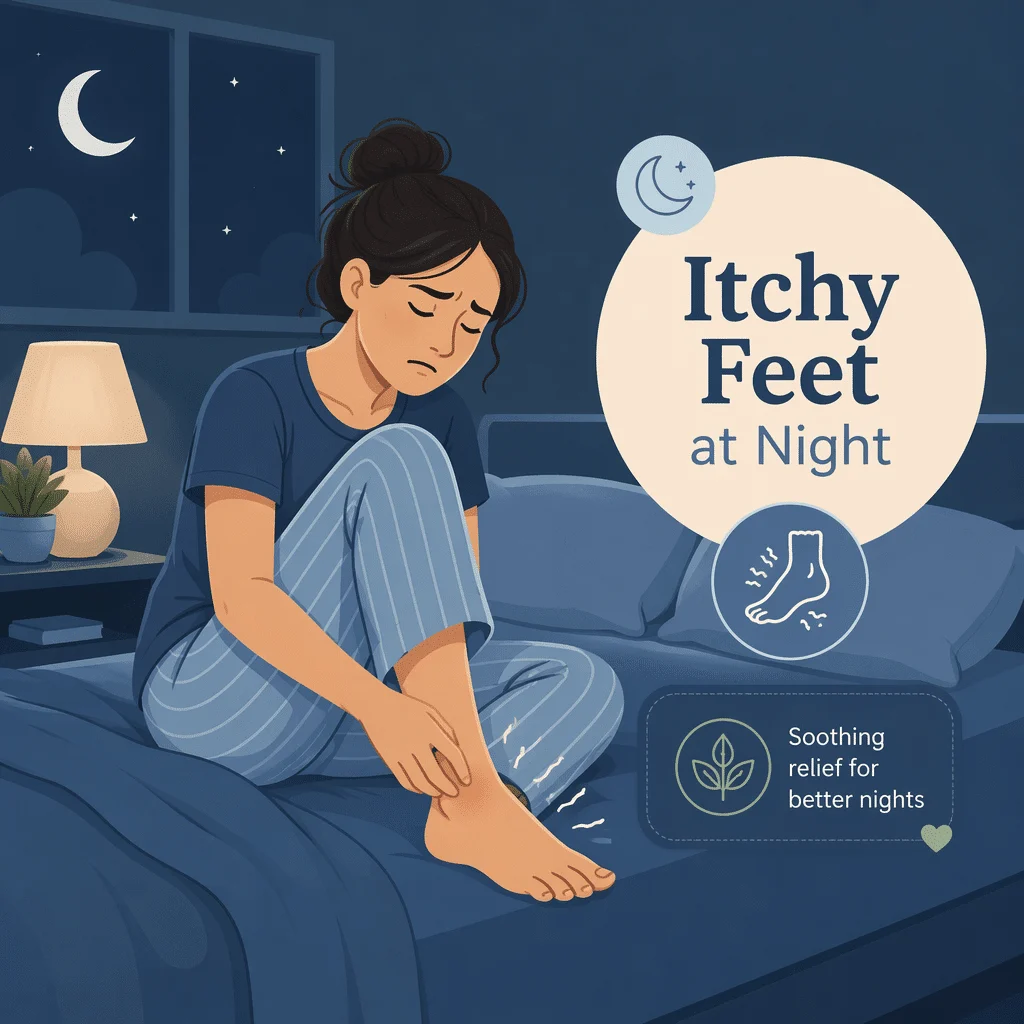
Picioarele care mănâncă noaptea sunt unul dintre cele mai frecvente motive pentru care oamenii stau treji frecându-și tălpile de cearșaf. Să începem cu vestea bună: aproape orice mâncărime se intensifică după lăsarea întunericului, din motive obișnuite legate de temperatura pielii, pierderea de apă și hormoni. Faptul că mâncărimea apare noaptea nu este, în sine, un semn de alarmă.
Contează restul tabloului clinic: dacă există o erupție cutanată, unde este localizată, dacă și alți membri ai familiei se scarpină și dacă ești gravidă. În acest articol vei afla de ce mâncărimea atinge vârful noaptea, cum să deosebești cauzele cutanate, de ce scabia este atât de des ratată, când mâncărimea indică o problemă în sânge și care tipare necesită consultarea rapidă a unui medic. Caseta cu semnele de alarmă le listează pe cele care nu pot aștepta.
De ce te mănâncă picioarele mai tare noaptea
Pruritul nocturn, adică mâncărimea care se agravează seara și pe parcursul nopții, nu este o boală separată. Este ritmul zilnic normal al pielii și se aplică aproape fiecărei cauze prezentate în acest articol.
Ce se schimbă în pielea ta după lăsarea întunericului
Mai multe lucruri se modifică simultan înainte de somn. Fluxul sanguin cutanat și temperatura pielii cresc pe măsură ce temperatura centrală a corpului scade, iar pielea caldă mănâncă mai tare decât pielea rece. Pierderea transepidermică de apă — apa care se evaporă continuu prin piele — atinge maximul în timpul nopții, astfel că bariera cutanată este la cel mai uscat și mai reactiv punct al zilei. Cortizolul, hormonul antiinflamator propriu al organismului, coboară la minimul zilnic în seara târzie, iar semnalizarea inflamatorie din piele urmează același ritm.
Apoi vine atenția. În timpul zilei, mișcarea și distragerile concurează pentru lățimea de bandă a sistemului nervos; într-un pat liniștit și cald, semnalul de mâncărime are scena pentru sine. Scărpinatul oferă o ușurare scurtă, după care deteriorează și mai mult bariera cutanată — de aceea ciclul mâncărime-scărpinat se intensifică pe parcursul nopții.
De ce „mai rău noaptea" este liniștitor, nu alarmant
Deoarece acest tipar este integrat în biologia normală a pielii, este unul dintre cele mai puțin utile indicii luate separat. Există două excepții importante: mâncărimea cauzată de scabie este atât de intensă noaptea încât trezește persoanele în mod repetat, iar mâncărimea din colestaza intrahepatică a sarcinii este cea mai puternică noaptea, la nivelul palmelor și tălpilor.
Cauzele cutanate frecvente ale mâncărimii picioarelor noaptea
Majoritatea mâncărimilor la picioare au o explicație dermatologică, iar cele mai multe pot fi identificate în funcție de locul unde apare mâncărimea și de aspectul pielii la lumina zilei.
Pielea uscată și eczema
Pielea uscată, cunoscută medical sub numele de xeroză, este cea mai frecventă cauză, în special la adulții în vârstă, în sezonul rece și la persoanele care fac dușuri lungi cu apă fierbinte. Pielea arată mat, ușor descuamată, uneori cu mici crăpături fine, iar mâncărimea se intensifică după o baie fierbinte și la culcare.
Eczema, sau dermatita atopică, este cea mai frecventă cauză inflamatorie cutanată a mâncărimii picioarelor și apare adesea împreună cu astmul și rinita alergică; ghidul nostru despre eczemă ca afecțiune a pielii acoperă factorii declanșatori și episoadele acute. Dacă un raport de biopsie a folosit termenul dermatită spongiotică, ghidul nostru dedicat ce înseamnă dermatita spongiotică pe un raport de anatomie patologică explică acel termen; această pagină rămâne la simptom, nu la microscop.
Dermatita de contact cauzată de pantofi, șosete și produse cosmetice
Dermatita de contact este o inflamație cauzată de contactul unui obiect cu pielea. La nivelul picioarelor, principalii vinovați sunt acceleratorii de cauciuc din tălpi și elastic, cromatul din pielea tăbăcită, coloranții din șosete, adezivii din branțuri și chiar produsele pe care oamenii le aplică pentru a trata mâncărimea. Indiciul este forma: erupția urmărește conturul unei curele, al unei cusături sau al zonei pe care ai aplicat crema și se oprește acolo unde încetează contactul. Testele de patch confirmă factorul declanșator. Reacțiile la acarieni arată similar; dermatita produsă de gândacul de covor este confundată frecvent cu eczema.
Piciorul atletului, eczema dishidrotică și psoriazisul
Piciorul atletului, sau tinea pedis, este o infecție fungică ce debutează în spațiile dintre degetele exterioare ale piciorului, cu descuamare, înmuiere și fisuri, și se poate extinde sub forma unui tipar uscat și scuamos pe toată talpa. De obicei provoacă mâncărime și afectează adesea mai întâi un singur picior. Eczema dishidrotică produce grupuri de vezicule mici, profunde și intens pruriginoase pe laturile degetelor și pe bolta plantară, descrise adesea ca niște boabe de tapioca sub suprafața pielii. Psoriazisul produce plăci groase, bine delimitate, cu scuame argintii, adesea însoțite de gropiță unghială.
Modificarea culorii singure are și alte cauze, prezentate în ghidul nostru despre picioare roșii, iar mâncărimea într-o zonă apropiată este tratată în mâncărimea gleznei noaptea. Ciuperca și eczema se tratează în moduri opuse, deci confirmă diagnosticul; o raclare cutanată durează câteva minute.
Scabia: cauza care trece neobservată luni de zile
Scabia este o infestare a pielii cu acarianul uman al râiei. Merită menționată aici deoarece este frecventă, este adesea confundată cu eczema, iar această confuzie înrăutățește situația: o cremă cu corticosteroizi calmează inflamația, în timp ce acarienii continuă să se înmulțească, ceea ce poate duce la forma severă, crustosă.
Trei caracteristici o deosebesc de eczema obișnuită. În primul rând, mâncărimea este intensă și caracteristic mult mai puternică noaptea, suficient de deranjantă încât să trezească persoana în mod repetat, nu doar să o irite. În al doilea rând, caută galerii: linii fine, ușor reliefate, cenușii și ondulate, de câțiva milimetri lungime, clasic localizate în spațiile interdigitale, pe fața internă a încheieturilor și în jurul taliei, iar la sugari pe palme, tălpi și glezne. În al treilea rând, și cel mai sugestiv, alte persoane din gospodărie se scarpină și ele, deoarece scabia se transmite prin contact piele-pe-piele prelungit.
Există o altă capcană. După o primă infestare, simptomele apar de obicei după aproximativ patru până la opt săptămâni, conform Centrele pentru Controlul și Prevenirea Bolilor, astfel că persoanele pot transmite infecția înainte de a simți mâncărime.
Dacă acest tipar ți se potrivește, consultă un medic în loc să te tratezi singur. Tratamentele pentru scabie sunt disponibile doar pe bază de rețetă în Statele Unite, iar toți membrii gospodăriei și persoanele cu care ai avut contact strâns trebuie tratate în același timp, chiar dacă nu au simptome, altfel infestarea reapare. Mâncărimea poate persista câteva săptămâni după un tratament reușit, deoarece este o reacție alergică la acarian, nu un semn că tratamentul a eșuat.
Mâncărime fără erupție cutanată și ce poate arăta un test de sânge
Dacă te mănâncă picioarele, dar pielea arată normal, sau mâncărimea este disproporționat de intensă față de o erupție ușoară, explicația s-ar putea să nu fie în piele. Acesta este momentul în care o analiză de sânge devine utilă.
Fier, rinichi, ficat și tiroidă
Deficitul de fier poate provoca mâncărime generalizată și este ușor de trecut cu vederea, deoarece rezervele de fier scad cu mult înainte ca anemia să apară în hemogramă; feritina o dezvăluie, după cum este explicat în ghidul nostru despre feritină scăzută. Boala cronică de rinichi provoacă o mâncărime persistentă, clasic mai intensă noaptea, afectând adesea spatele, brațele și picioarele, nu doar tălpile; primele analize sunt prezentate în niveluri ridicate de BUN și creatinină.
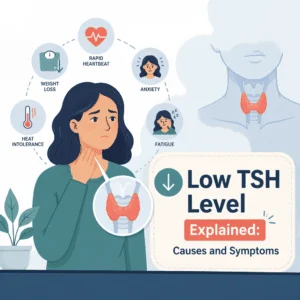
Bolile hepatice și ale căilor biliare provoacă mâncărime colestatică, în care componentele bilei se acumulează în sânge. Este de obicei mai intensă pe palme și tălpi, mai puternică noaptea, și poate apărea cu mult înainte de orice îngălbenire a pielii. Colangita biliară primară este exemplul clasic, iar Institutul Național al Diabetului și al Bolilor Digestive și Renale menționează oboseala și mâncărimea pielii drept cele mai frecvente două simptome ale sale; teste ale funcției hepatice cu bilirubina sunt punctul de plecare. Bolile tiroidiene pot provoca și ele mâncărime; TSH este testul de screening.
Diabet, hemogramă și cauzele mai rare
Diabetul slab controlat provoacă mâncărime prin trei mecanisme simultan: piele uscată, susceptibilitate la infecții fungice și leziuni nervoase. Glucoză și HbA1c o definesc.
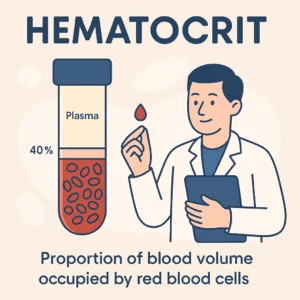
A hemoleucograma completă merită făcut din două motive. Detectează policitemia vera, o afecțiune a măduvei osoase cu un semn distinctiv memorabil: mâncărime care apare în câteva minute după un duș fierbinte, descrisă adesea ca o senzație de înțepături mai degrabă decât o mâncărime propriu-zisă, pe o piele care arată complet normală. Același test raportează numărul de eozinofile, care crește în alergii, reacții la medicamente și infecții parazitare. Limfomul poate provoca mâncărime generalizată, dar aproape niciodată doar la nivelul picioarelor; apare însoțit de transpirații nocturne abundente, scădere în greutate sau ganglioni umflați.
Mâncărimea generalizată sau mâncărimea fără nicio cauză vizibilă este un motiv rezonabil pentru a face un set de analize de bază, în loc să aplici o altă cremă.
Mâncărimea de origine nervoasă și sindromul picioarelor neliniștite
Nervii pot genera mâncărime de la sine, fără erupție cutanată și fără nimic vizibil pe piele. Neuropatia cu fibre mici și neuropatia periferică diabetică afectează fibrele subțiri care transmit senzațiile de mâncărime, arsură și temperatură, producând o combinație de furnicături, arsuri, înțepături și mâncărime la ambele picioare, în distribuție de tip ciorap, mai intensă noaptea și în repaus. Amorțeala în aceeași zonă este un indiciu puternic că sunt implicate nervii, așa cum este discutat în articolul nostru despre deget mare de la picior amorțit.
Sindromul picioarelor neliniștite este adesea confundat cu mâncărimea și merită diferențiat. Senzația este un impuls profund de a mișca picioarele, nu o mâncărime de suprafață; apare seara și în repaus și se ameliorează temporar la mers. Scărpinatul nu ajută deloc. Sindromul picioarelor neliniștite este strâns legat de nivelul scăzut de fier din creier, de aceea feritina este verificată chiar și atunci când hemoleucograma pare normală.
Mâncărimea în sarcină: contactează echipa de obstetrică în aceeași zi
Aceasta este cea mai importantă secțiune de pe pagină. Mâncărimea ușoară este frecventă în sarcină, pe măsură ce abdomenul se mărește și pielea se usucă. Un anumit tip de mâncărime este însă diferit și recunoașterea lui poate salva viața unui bebeluș.
O mâncărime intensă la nivelul palmelor și tălpilor, mai accentuată noaptea, de obicei fără nicio erupție cutanată, care apare în a doua jumătate a sarcinii, poate indica colestaza intrahepatică de sarcină, cea mai frecventă afecțiune hepatică specifică sarcinii. Acizii biliari se acumulează în sângele mamei, iar la concentrații mai mari acest lucru este asociat cu nașterea prematură și un risc crescut de moarte intrauterină. Simptomele mamei dispar după naștere; riscul în timpul sarcinii îl privește pe bebeluș.
Diagnosticul este rapid: o analiză de sânge pentru acizii biliari serici împreună cu testele funcției hepatice. Ghidurile sunt clare că rezultatul acizilor biliari orientează monitorizarea și momentul nașterii, deci trebuie efectuat prompt, nu la următoarea consultație de rutină. Prezentarea noastră despre analize de sânge din timpul sarcinii explică unde se încadrează aceasta.
Când mâncărimea indică ficatul, întreabă despre markerul acizilor biliari pe care majoritatea analizelor standard îl omit.
Dacă ești însărcinată și te mănâncă palmele și tălpile, mai ales noaptea și mai ales fără erupție cutanată, contactează astăzi moașa sau maternitatea. Nu aștepta să vezi dacă trece de la sine și nu accepta o cremă hidratantă ca răspuns până când acizii biliari nu au fost măsurați.
Cum să deosebești cauzele și ce poți face acasă
Tabelul de mai jos asociază ceea ce observi cu ceea ce sugerează de obicei. Este menit să ghideze discuția cu medicul tău, nu să o înlocuiască.
| Ce observi | Ce sugerează de obicei | Ce să faci |
|---|---|---|
| Piele mată, ușor descuamată, mai rea iarna și după dușuri fierbinți | Piele uscată (xeroză) | Hidratează-ți pielea regulat și fă dușuri mai reci; consultă un medic dacă mâncărimea persistă mai mult de două săptămâni |
| Mâncărime și descuamare între degete de la picioare, adesea începând de la un singur picior | Piciorul atletului (tinea pedis) | Solicită un raclaj cutanat pentru a confirma prezența ciupercii înainte de a alege orice tratament |
| Erupție cutanată în formă de bandă, dungă sau în zona unde ai aplicat crema | Dermatită de contact | Oprește produsul suspect și întreabă medicul despre testele de alergie cutanată (patch testing) |
| Grupuri de mici vezicule profunde pe laturile degetelor de la picioare și pe boltă | Eczemă dishidrotică | Consultă un medic; nu încerca să distingi singur între eczema și infecția fungică |
| Mâncărime intensă noaptea care te trezește din somn, și alte persoane din casă care se scarpină și ele | Scabia | Consultă un medic cât mai curând; persoanele din același gospodărie sunt tratate în același timp |
| Mâncărime generalizată fără nicio erupție vizibilă | Posibilă cauză sistemică | Întreabă despre analizele de sânge: hemoleucogramă, feritină, rinichi, ficat, tiroidă, glucoză |
| Mâncărime cu senzație de înțepături în câteva minute după un duș fierbinte, pe piele cu aspect normal | Posibilă policitemia vera | Solicită o hemoleucogramă completă |
| Arsuri, furnicături și amorțeală la ambele picioare | Mâncărime de origine nervoasă (neuropatie) | Întreabă despre screening-ul pentru diabet și evaluarea nervilor |
| Palme și tălpi care mâncărime în a doua jumătate a sarcinii, fără erupție cutanată | Posibilă colestază intrahepatică de sarcină | Contactează echipa de maternitate în aceeași zi pentru acizi biliari și analize hepatice |
Ce te ajută cu adevărat în timp ce aștepți
Aceste măsuri sunt sigure indiferent de cauză și niciuna nu va masca un diagnostic.
- Hidratează-ți pielea în mod regulat: aplică un emoliant simplu, fără parfum, pe picioarele curate și uscate înainte de culcare.
- Menține dormitorul răcoros, cu lenjerie mai ușoară. Pielea mai rece mâncărime mai puțin.
- Fă dușuri mai scurte și cu apă mai rece, deoarece apa fierbinte distruge bariera cutanată.
- Poartă șosete din bumbac care lasă pielea să respire, alternează încălțămintea și usucă bine spațiile dintre degete.
- Oprește scărpinatul: taie-ți unghiile scurt și aplică o compresă rece.
- Caută un factor de contact declanșator: pantofi noi, branțuri, detergent sau o cremă folosită recent.
Sfaturile despre medicamente lipsesc în mod deliberat din această listă. Antihistaminicele, cremele cu cortizon, antifungicele și tratamentele pentru scabie își au fiecare locul lor, dar pe care îl ai nevoie depinde în totalitate de cauză — iar aplicarea unei creme cu cortizon pe scabie sau pe o infecție fungică înrăutățește situația. Această decizie aparține unui medic care îți poate examina pielea.
Când să mergi la medic
Programează-te la medic dacă mâncărimea durează de mai mult de două săptămâni în ciuda îngrijirii corespunzătoare a pielii, dacă îți tulbură somnul în majoritatea nopților, dacă se extinde sau dacă nu există nicio erupție care să o explice. Fă o fotografie la lumina zilei; erupțiile se pot estompa până ajungi la cabinet.
Semne de alarmă: solicită urgent sfat medical
- Ești însărcinată și îți mâncărime palmele și tălpile, mai ales noaptea. Contactează astăzi moașa sau maternitatea.
- Îngălbenirea albului ochilor sau a pielii, urină închisă la culoare sau scaune decolorate.
- Mâncărime pe tot corpul fără nicio erupție cutanată care să o explice.
- Mâncărime însoțită de scădere inexplicabilă în greutate, transpirații nocturne abundente sau ganglioni umflați.
- Mâncărime care te trezește în fiecare noapte, în timp ce și alte persoane din locuință au același simptom.
- Un picior care devine fierbinte, roșu, umflat și dureros, ceea ce poate indica celulită.
- Erupție cutanată generalizată bruscă cu umflarea buzelor, feței sau gâtului, sau dificultăți de respirație. Tratează ca urgență medicală.
Cele mai recente progrese științifice în înțelegerea mâncărimii nocturne
Cercetările din 2023 încoace au clarificat două întrebări: de ce mâncărimea se intensifică după lăsarea întunericului și cine are nevoie de analize de sânge în loc de o cremă.
Mâncărimea urmează un ritm zilnic măsurabil
Ce s-a descoperit: cercetătorii de la Institutul Național pentru Alergii și Boli Infecțioase au monitorizat non-stop persoane cu dermatită atopică moderată până la severă. Compoziția chimică a pielii afectate de eczemă s-a modificat după un tipar zilnic repetitiv, cu cele mai clare diferențe la scurt timp după adormire — intervalul în care pacienții raportează cel mai intens prurit.
Ce înseamnă asta pentru tine: senzația că picioarele îți încep să mâncărime abia când ești în pat nu este imaginație, așa că descrie acest tipar cu voce tare în loc să presupui că va fi evident la o consultație de dimineață.
O reconsiderare a situațiilor în care mâncărimea necesită o analiză de sânge
Ce s-a descoperit: o analiză din 2024 publicată în JAMA a clasificat pruritul cronic — adică mâncărimea care durează șase săptămâni sau mai mult — în tipuri inflamatorii, neurologice și mixte. O minoritate s-a dovedit a fi de cauză sistemică: afecțiuni renale, hepatice sau tiroidiene, tulburări hematologice, medicamente sau infestații parazitare. Autorii au recomandat un set de bază de analize care să includă hemoleucograma, funcția renală și hepatică și funcția tiroidiană atunci când pielea nu prezintă modificări vizibile.
Ce înseamnă asta pentru tine: dacă îți mâncărime picioarele și pielea pare normală, să ceri analize de sânge este o solicitare obișnuită, nu o reacție exagerată.
Scabia continuă să fie diagnosticată cu întârziere
Ce s-a constatat: o serie spitalicească de sugari sub doi ani cu scabie a raportat că o proporție mare a primit diagnosticul cu întârziere și că această întârziere era legată de un alt diagnostic pus anterior. Membrii familiei erau sursa obișnuită de contaminare, iar leziunile apăreau cu precădere pe mâini și picioare.
Ce înseamnă asta pentru tine: dacă o mâncărime a piciorului mai intensă noaptea nu cedează la tratamentul pentru eczemă și altcineva din casă se scarpină și el, merită să te gândești din nou la scabie.
Testarea acizilor biliari ghidează acum deciziile în cazul mâncărimii din sarcină
Ce s-a constatat: un ghid clinic național din 2024 privind colestaza intrahepatică de sarcină a stabilit modul în care această afecțiune este diagnosticată pe baza acizilor biliari serici și cum severitatea, monitorizarea și momentul nașterii decurg din acest rezultat. Concentrațiile mai mari sunt asociate cu nașterea prematură și moartea intrauterină, iar ghidul semnalează întârzierile în obținerea testului ca o problemă în sine.
Ce înseamnă asta pentru tine: mâncărimea palmelor și tălpilor în ultimul trimestru de sarcină este o situație în care testul trebuie făcut imediat.
Fierul scăzut explică mai multe simptome decât se crede de obicei
Ce s-a constatat: o analiză JAMA din 2025 privind deficiența de fier la adulți a confirmat că rezervele de fier pot fi epuizate cu mult înainte ca anemia să apară în hemogramă și a inclus sindromul picioarelor neliniștite printre simptomele sale recunoscute. Diagnosticul se bazează pe feritină sau saturația transferinei, nu doar pe hemoglobină.
Ce înseamnă asta pentru tine: dacă simptomele de seară la nivelul picioarelor seamănă mai mult cu nevoia de a mișca picioarele decât cu nevoia de a te scărpina, feritina este adesea cel mai informativ rezultat unic.
Întrebări frecvente
De ce mă mănâncă picioarele mai tare noaptea?
Pentru că pielea ta funcționează după un ritm zilnic. Seara, fluxul sanguin cutanat și temperatura pielii cresc în timp ce temperatura centrală a corpului scade, pierderea de apă prin bariera cutanată atinge vârful zilnic, iar cortizolul — hormonul tău natural antiinflamator — ajunge la cel mai scăzut nivel. O piele mai caldă, mai uscată și mai puțin protejată mâncărime mai tare. Pe lângă asta, liniștea patului elimină orice distracție care îți ocupa atenția în timpul zilei. De aceea aproape orice mâncărime se simte mai intensă noaptea, indiferent de cauză, și de aceea tiparul nocturn în sine îți spune foarte puține despre gravitatea acelei cauze.
Pot mâncărimile la picioare să indice probleme hepatice?
Uneori, dar nu aceasta este explicația obișnuită, iar picioarele care mănâncă singure rareori indică această direcție. Bolile hepatice și ale căilor biliare pot provoca mâncărime colestatică, în care componente ale bilei se acumulează în sânge. Aceasta afectează în mod clasic palmele și tălpile, se agravează noaptea și poate apărea înainte de orice îngălbenire a pielii. Ceea ce o face mai probabilă este o mâncărime generalizată, nu limitată la picioare, mâncărime fără erupție cutanată sau mâncărime însoțită de urină închisă la culoare, scaune deschise, oboseală sau ochi galbeni. Un set de teste ale funcției hepatice răspunde rapid la această întrebare.
Cum știu dacă este scabie?
Cele mai puternice indicii sunt intensitatea și contextul. Mâncărimea din scabie este atât de puternică încât te trezește în mod repetat din somn, se agravează semnificativ noaptea, iar persoanele cu care locuiești încep de obicei să simtă mâncărime în câteva săptămâni. Caută galerii fine, ondulate, ușor reliefate, de câțiva milimetri, în spațiile dintre degete, pe fața internă a încheieturilor și în jurul taliei; la bebeluși și copii mici, palmele, tălpile și gleznele sunt zonele tipice. Un medic confirmă diagnosticul identificând la microscop acarianul, ouăle sau excrementele acestuia. Nu încerca să te tratezi singur: produsele eficiente necesită prescripție medicală, iar toți membrii gospodăriei trebuie tratați în același timp.
De ce mă mănâncă atât mâinile, cât și picioarele noaptea?
Mâncărimea care afectează simultan palmele și tălpile este un semn care merită luat în serios, deoarece nu este tipic pentru pielea uscată obișnuită. În sarcină, ridică posibilitatea colestazei intrahepatice și justifică un apel în aceeași zi la echipa de obstetrică. În afara sarcinii, cauzele frecvente sunt eczema dishidrotică, care produce mici vezicule profunde, dermatita de contact cauzată de ceva atins sau purtat și mâncărimea colestatică din bolile hepatice sau ale căilor biliare. Scabia afectează și ea mâinile. Deoarece lista include atât cauze benigne, cât și cauze importante, mâncărimea palmelor și tălpilor care durează mai mult de una-două săptămâni merită evaluată de un medic.
Mâncărimea la picioare poate fi un semn de diabet?
Da, în trei moduri diferite. Glicemia crescută usucă pielea, ceea ce provoacă mâncărime. De asemenea, favorizează infecțiile fungice ale picioarelor și unghiilor, care sunt mai greu de tratat. În plus, în timp, afectează fibrele nervoase mici din picioare, producând o combinație de arsură, furnicături, amorțeală și mâncărime, de obicei mai intensă noaptea și în repaus. Mâncărimea persistentă a picioarelor însoțită de amorțeală, sete crescută, urinare frecventă sau vindecare lentă a pielii este un motiv rezonabil pentru a verifica glicemia și HbA1c. Diabetul nu este cea mai frecventă cauză a mâncărimii picioarelor, dar este una dintre cele mai ușor de testat.
Mâncărimea nocturnă înseamnă că am o infecție fungică?
Nu neapărat. Piciorul atletului este o cauză frecventă de mâncărime a picioarelor, dar lasă de obicei semne vizibile: descuamare, crăpături sau macerare între degetele exterioare, sau descuamare uscată pe talpă, adesea mai întâi pe un singur picior. Dacă pielea ta arată normal, dacă mâncărimea este răspândită pe tot piciorul și nu se concentrează între degete, sau dacă face parte dintr-o mâncărime mai generalizată care afectează și alte zone ale corpului, o infecție fungică devine mai puțin probabilă. Ghicitul este un risc real în acest caz, deoarece tratamentele antifungice și cele antiinflamatoare nu sunt interschimbabile. Un raclaj cutanat rapid lămurește problema.
Glosar
| Termen | Definiție |
|---|---|
| Prurit | Termenul medical pentru mâncărime, indiferent de cauza acesteia. |
| Prurit nocturn | Mâncărime care se agravează vizibil seara și pe parcursul nopții. |
| Xeroza | Pielea anormal de uscată, cea mai frecventă cauză a mâncărimii la picioare. |
| Pierderea transepidermică de apă | Apa care se evaporă continuu prin piele; atinge un vârf în timpul nopții. |
| Tinea pedis | Piciorul atletului, o infecție fungică a pielii picioarelor. |
| Eczemă dishidrotică | O formă de eczemă care provoacă vezicule mici, profunde și foarte pruriginoase pe tălpi, pe părțile laterale ale degetelor de la picioare și pe palme. |
| Tunel (galerie) | Urma fină și ondulată pe care acarianul scabiei o sapă chiar sub suprafața pielii. |
| Colestaza | Flux biliar încetinit sau blocat, care permite componentelor bilei să se acumuleze în sânge și să provoace mâncărime. |
| Acizii biliari | Substanțe produse de ficat pentru a ajuta la digestia grăsimilor; se măsoară în sânge atunci când se suspectează colestaza. |
| Feritină | Proteina din sânge care reflectă rezervele de fier ale organismului; scade înainte ca anemia să apară. |
Surse
- Centers for Disease Control and Prevention. Despre scabie. https://www.cdc.gov/scabies/about/index.html
- MedlinePlus, U.S. National Library of Medicine. Itching. https://medlineplus.gov/ency/article/003217.htm
- MedlinePlus, U.S. National Library of Medicine. Athlete’s foot. https://medlineplus.gov/ency/article/000875.htm
- National Institute of Diabetes and Digestive and Kidney Diseases. Symptoms & Causes of Primary Biliary Cholangitis. https://www.niddk.nih.gov/health-information/liver-disease/primary-biliary-cholangitis/symptoms-causes
- Butler DC, Berger T, Elmariah S, Kim B, Chisolm S, Kwatra SG, Mollanazar N, Yosipovitch G. Chronic Pruritus: A Review. JAMA. 2024;331(24):2114-2124. https://doi.org/10.1001/jama.2024.4899
- Ratley G, Zeldin J, Chaudhary PP, Yadav M, Paller AS, Zee P, Myles IA, Fishbein A. The circadian metabolome of atopic dermatitis. Journal of Allergy and Clinical Immunology. 2024;153(4):1148-1154. https://doi.org/10.1016/j.jaci.2023.11.926
- Betlloch-Mas I, Boluda-Verdu E, Jara-Rico N, Sanchez-Garcia V, Berbegal-De Gracia L, Chiner-Vives E. Scabies in Infants: Series of 51 Cases. Children (Basel). 2024;11(4):443. https://doi.org/10.3390/children11040443
- Hobson SR, Cohen ER, Gandhi S, Jain V, Niles KM, Roy-Lacroix ME, Wo BL. Guideline No. 452: Diagnosis and Management of Intrahepatic Cholestasis of Pregnancy. Journal of Obstetrics and Gynaecology Canada. 2024;46(8):102618. https://doi.org/10.1016/j.jogc.2024.102618
- Auerbach M, DeLoughery TG, Tirnauer JS. Iron Deficiency in Adults: A Review. JAMA. 2025;333(20):1813-1823. https://doi.org/10.1001/jama.2025.0452
Lectură suplimentară
- Dermatita spongiotică: ce înseamnă acest termen pe un raport de biopsie
- Eozinofilele: înțelegerea acestor celule sanguine esențiale
- Unghiile de la picioare în diabet: simptome, cauze și tratamente
- Erupție cutanată: cauze, simptome și tratamente
- Bilirubina totală: ghid complet
Înțelege-ți rezultatele analizelor cu AI DiagMe
Dacă mâncărimea ta nu are nicio erupție cutanată care să o explice, răspunsul se găsește adesea într-un test de sânge, nu pe pielea ta: hemoleucogramă completă, feritină, analize hepatice și renale, funcție tiroidiană și glicemie. AI DiagMe transformă acele cifre în limbaj simplu, ca să poți vedea ce este normal, ce nu este și ce merită discutat cu medicul tău. Te ajută să înțelegi rezultatele; nu pune diagnostice și nu poate vedea o erupție sau examina picioarele tale.
Obține interpretarea rezultatelor în câteva minute