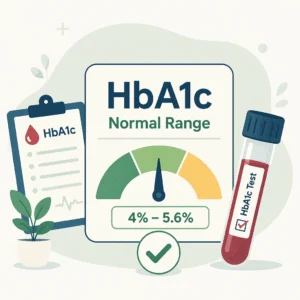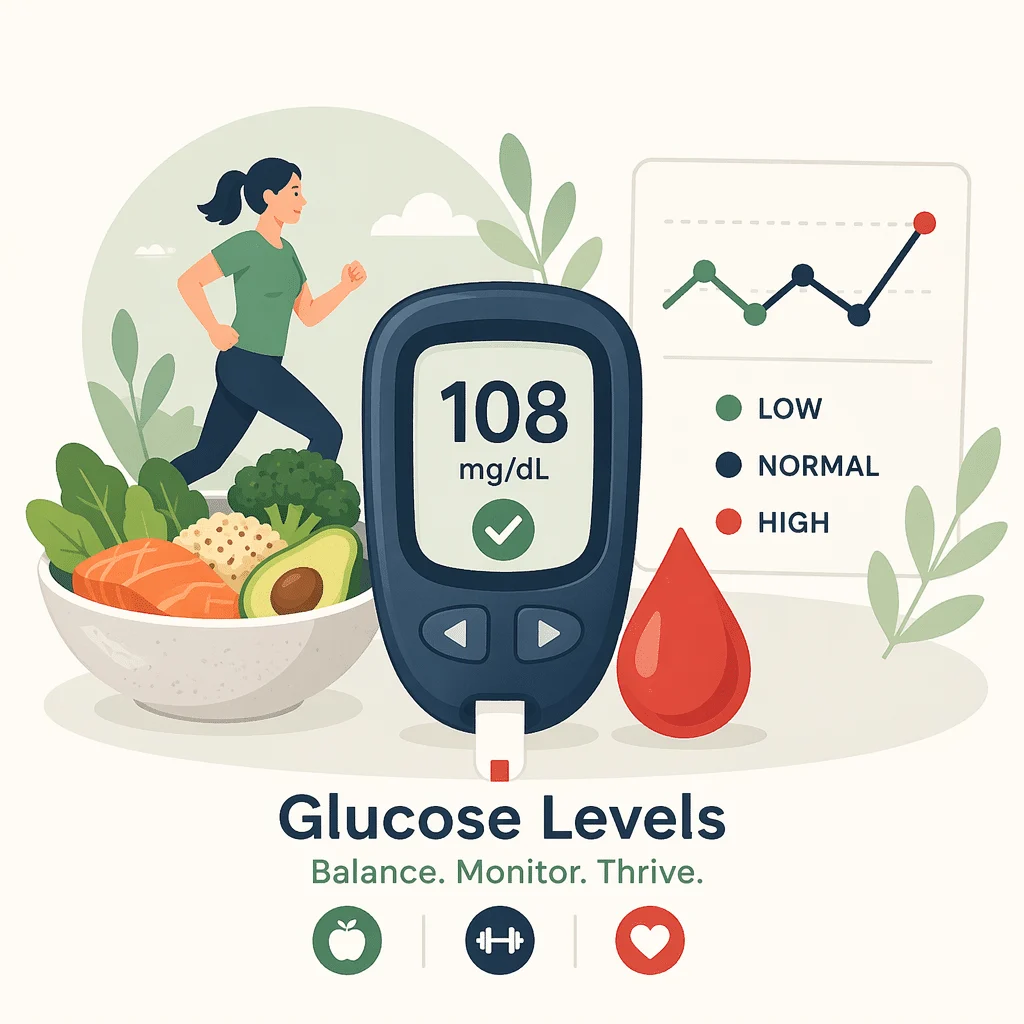
Glicemia este cel mai solicitat indicator dintr-un set de analize de rutină și, totodată, unul dintre cele mai des interpretate greșit. Un rezultat ușor peste intervalul de referință nu înseamnă automat diabet, iar o singură valoare normală nu îl exclude întotdeauna.
În acest articol vei afla ce face organismul tău pentru a-și menține glicemia în limite normale, ce măsoară fiecare analiză — glicemia à jeun, HbA1c, testul de toleranță la glucoză orală și monitorizarea continuă a glicemiei —, pragurile exacte publicate de Asociația Americană de Diabet (ADA) și utilizate de CDC, de ce un diagnostic necesită de obicei două rezultate anormale, când HbA1c poate da un răspuns greșit fără să fie evident, și ce altceva în afară de diabet poate crește glicemia.
Dacă ești îngrijorat(ă) de simptome severe în acest moment, mergi direct la caseta cu semne de urgență de mai jos.
Ce este glicemia și de ce o menține organismul în limite atât de stricte
Glucoza este un zahăr simplu care circulă în sânge și reprezintă sursa de energie cea mai rapid disponibilă pentru organism. Globulele roșii și, în condiții normale, creierul depind de un aport constant de glucoză. Creierul nu poate stoca glucoză și nu poate trece rapid la un alt combustibil, motiv pentru care o scădere bruscă a nivelului provoacă confuzie în câteva minute.
Din cauza acestei dependențe, organismul tratează glicemia ca pe o valoare ce trebuie menținută, nu lăsată să fluctueze. Insulina, produsă de celulele beta ale pancreasului, transportă glucoza din sânge în celulele musculare, adipoase și hepatice după masă. Glucagonul, secretat de celulele alfa vecine, face opusul: semnalează ficatului să elibereze glucoza stocată între mese și pe parcursul nopții. Adrenalina, cortizolul și hormonul de creștere cresc toți nivelul glicemiei în perioadele de stres sau boală.
Rezultatul este un interval îngust. La o persoană fără diabet, glicemia se situează de obicei între aproximativ 70 și 100 mg/dL înainte de masă și crește timp de una-două ore după masă, după care revine la normal. Această îngustime a intervalului este tocmai ceea ce face valoarea utilă din punct de vedere diagnostic: o depășire persistentă a benzii obișnuite înseamnă că ceva în sistemul insulinic s-a schimbat.
Cele patru analize și ce măsoară fiecare în realitate
Un rezultat al glicemiei înseamnă puțin până nu știi ce test l-a produs. Aceste patru teste răspund la întrebări diferite.
Glicemia à jeun este o fotografie de moment
Sângele se recoltează după cel puțin opt ore în care nu ai consumat nimic altceva decât apă. Surprinde un singur moment — cel în care ficatul, nu alimentele, stabilește nivelul. Glicemia à jeun este ieftină și reproductibilă, dar o noapte proastă de somn, o infecție sau faptul că ai mâncat și ai uitat pot denatura rezultatul.
HbA1c este o medie pe trei luni
HbA1c măsoară proporția de hemoglobină din globulele roșii care are zahăr atașat permanent. Deoarece globulele roșii trăiesc aproximativ trei luni, rezultatul reflectă glicemia medie din această perioadă și nu este nevoie să fii à jeun. Ghidul nostru dedicat pentru valori normale HbA1c acoperă valorile țintă și urmărirea în timp.
Testul de toleranță orală la glucoză este un test de stres
Ești în repaus alimentar, se recoltează o probă inițială, bei o soluție standard cu zahăr, iar după două ore se recoltează din nou sânge. Arată cum răspunde pancreasul la o provocare deliberată, astfel încât poate depista probleme pe care o probă recoltată à jeun le-ar rata. Este mai lentă și mai puțin comodă, de aceea se folosește selectiv, rămânând însă standard în sarcină.
Glicemia aleatorie și monitoarele continue
O probă aleatorie poate fi recoltată oricând și, singură, are valoare diagnostică doar atunci când este foarte ridicată la o persoană cu simptome clasice. Monitoarele continue de glucoză se plasează sub piele și estimează glicemia în lichidul dintre celule; acestea au propria secțiune mai jos.
Pragurile glicemiei: valorile folosite de ADA și CDC
Valorile de referință de mai jos provin de la Asociația Americană de Diabet și sunt cele publicate pentru publicul larg de către CDC și de către Institutul Național pentru Diabet și Boli Digestive și Renale. Se aplică adulților care nu sunt gravide; în sarcină se folosesc valori-limită diferite, mai mici.
| Analiză | Normal | Prediabet | Diabet |
|---|---|---|---|
| Glicemia à jeun | Sub 100 mg/dL (sub 5,6 mmol/L) | 100 până la 125 mg/dL (5,6 până la 6,9 mmol/L) | 126 mg/dL sau peste (7,0 mmol/L sau peste) |
| Testul de toleranță orală la glucoză, valoarea la 2 ore | Sub 140 mg/dL (sub 7,8 mmol/L) | 140 până la 199 mg/dL (7,8 până la 11,0 mmol/L) | 200 mg/dL sau peste (11,1 mmol/L sau peste) |
| HbA1c | Sub 5,7% (sub 39 mmol/mol) | 5,7% până la 6,4% (39 până la 46 mmol/mol) | 6,5% sau peste (48 mmol/mol sau peste) |
| Glicemie plasmatică aleatorie | Nu se folosește pentru a defini normalul | Nu se folosește pentru prediabet | 200 mg/dL sau peste (11,1 mmol/L sau peste) cu simptome clasice |
Un aspect contează mai mult decât orice cifră din acel tabel. Diagnosticul de diabet necesită de obicei două rezultate anormale — fie două teste diferite anormale din aceeași probă, fie același test repetat într-o zi diferită. Excepția este o persoană cu simptome clasice, cum ar fi sete intensă, urinare frecventă și scădere inexplicabilă în greutate, plus o glicemie aleatorie de 200 mg/dL sau mai mare; această combinație este suficientă prin ea însăși.
Prin urmare, o singură valoare ridicată nu înseamnă un diagnostic. Este un motiv pentru a repeta testul. Glicemia à jeun variază mai mult decât se așteaptă oamenii, iar 104 mg/dL într-o dimineață poate fi cu ușurință 96 mg/dL în alta. Ghidul nostru pentru test de sânge pentru diabet explică ce presupune un panel complet de screening.
Când HbA1c poate induce în eroare
HbA1c se bazează pe o presupunere: că globulele tale roșii trăiesc o perioadă normală de timp. Când nu se întâmplă asta, valoarea se îndepărtează de media ta reală a glucozei — și o face în tăcere.
HbA1c tinde să fie fals scăzut când globulele roșii sunt mai tinere decât de obicei sau sunt distruse prematur — ceea ce include pierderi recente de sânge, o transfuzie recentă, anemie hemolitică, sarcină și tratament cu eritropoietină. Valoarea este fals crescută când globulele roșii supraviețuiesc mai mult decât normal, ca în anemia feriprivă netratată; dacă feritina este scăzută, un HbA1c efectuat înainte de tratament poate supraestima glicemia. Boala cronică de rinichi poate influența rezultatul în ambele sensuri, iar un MCV crescut sau scăzut la o hemogramă poate fi un semnal că această presupunere nu mai este valabilă.
Variantele de hemoglobină reprezintă cealaltă problemă clasică. Trăsătura siclemicoasă, frecventă la americanii de culoare, și variantele hemoglobinei C, D și E interferează cu unele metode de laborator. NIDDK precizează că majoritatea testelor HbA1c utilizate în Statele Unite nu sunt afectate de cele mai comune variante, dar nu toate sunt imune, iar interferența depinde de metoda folosită de laboratorul tău.
Regula practică este simplă. Dacă HbA1c și valorile tale de glucoză nu se potrivesc, nu presupune că HbA1c este corect. Spune-i medicului tău despre anemie, boală renală, sarcină, o transfuzie recentă sau o variantă de hemoglobină cunoscută. În schimb, se poate folosi o glicemie à jeun sau repetată, un test de fructozamină care reflectă aproximativ ultimele două-trei săptămâni, sau o perioadă de monitorizare continuă.
Ce altceva, în afară de diabet, poate crește glicemia
Glucoza crescută nu este sinonimă cu diabetul. Mai multe situații obișnuite pot ridica temporar această valoare.
Bolile acute și infecțiile sunt cele mai frecvente cauze. Hormonii de stres eliberați în timpul unei infecții respiratorii sau al unui puseu inflamator cresc glucoza timp de câteva zile, iar un marker precum CRP este adesea crescut și el. Intervențiile chirurgicale, traumatismele, infarctul miocardic și accidentul vascular cerebral au același efect — de aceea glucoza măsurată în spital în timpul unei boli acute nu este folosită, în general, pentru diagnosticul diabetului.
Medicamentele contează și ele. Corticosteroizii sunt cei mai cunoscuți și pot crește semnificativ glucoza pe durata administrării. Unele antipsihotice de a doua generație, diureticele tiazidice, anumiți imunosupresori și unele medicamente pentru HIV o pot crește de asemenea. Niciunul nu trebuie oprit sau schimbat din proprie inițiativă; este o discuție pe care trebuie să o ai cu medicul prescriptor.
Tulburările hormonale reprezintă o proporție mai mică: sindromul Cushing, în care cortizolul este cronic crescut, acromegalie și hipertiroidism. Bolile pancreasului în sine, inclusiv pancreatita și cancerul pancreatic, reduc direct producția de insulină.
Și există cea mai puțin glamoroasă cauză dintre toate: mâncatul înainte de un test care necesită post. O cafea cu lapte, o mentă sau un suc pe drumul spre laborator sunt suficiente pentru a invalida rezultatul. Dacă nu ești sigur că ai respectat postul cum trebuie, spune-o; o repetare costă mult mai puțin decât un diagnostic inutil.
Glucoza scăzută: cum se simte și cine o are cu adevărat
Hipoglicemia se instalează rapid și urmează o succesiune recognoscibilă. Mai întâi apar simptomele adrenergice: tremurături, transpirații, bătăi puternice ale inimii, foame bruscă, anxietate. Apoi, pe măsură ce creierul rămâne fără combustibil, apar cele neurologice: concentrare slabă, iritabilitate, vedere încețoșată, vorbire neclară, confuzie. NIDDK descrie o valoare sub 70 mg/dL ca fiind scăzută pentru majoritatea persoanelor cu diabet, deși pragul personal variază.
Un aspect epidemiologic rar menționat clar: glicemia scăzută este, în covârșitoarea majoritate a cazurilor, o complicație a tratamentului diabetului, nu o boală de sine stătătoare. Este frecventă la persoanele care iau insulină și la cele care iau sulfoniluree sau meglitinide, care stimulează pancreasul să elibereze insulină. Mesele sărite, alcoolul fără mâncare, efortul fizic neobișnuit și bolile intercurente cresc riscul.
Hipoglicemia reală la o persoană care nu ia niciun medicament pentru scăderea glicemiei este rară, iar atunci când apare, indică o cauză specifică, precum o tumoare rară producătoare de insulină, insuficiență suprarenală sau hipofizară ori boală hepatică avansată.
Hipoglicemia reactivă merită prudență. Senzația de tremur și oboseală la câteva ore după o masă copioasă este frecventă, iar dispozitivele de consum permit acum atașarea unui număr acestei senzații. O scădere a glicemiei după masă este fiziologie normală, iar senzorii de consum nu sunt suficient de precisi în intervalul normal-scăzut pentru a confirma o hipoglicemie reală. Diagnosticul corect necesită simptome, o glicemie scăzută documentată și ameliorarea simptomelor după restabilirea glicemiei.
Monitoarele continue de glucoză la persoanele fără diabet
Monitoarele continue de glucoză fără prescripție medicală sunt acum vândute direct persoanelor care nu au diabet, iar marketingul este convingător. O lectură sobră a dovezilor nu susține nici ridiculizarea, nici entuziasmul.
Glicemia la o persoană sănătoasă nu este constantă. Crește după mese, scade înainte de ele și variază în funcție de somn, efort fizic și stres. O creștere după masă înseamnă că sistemul funcționează, nu că ceva nu merge.
Dovezile că acționarea pe baza acestor valori îmbunătățește sănătatea persoanelor fără diabet sunt limitate. Beneficiile măsurabile demonstrate până acum se concentrează la persoanele care au deja diabet sau diabet gestațional; efectele asupra greutății și compoziției corporale în alte grupuri nu au atins, în general, semnificație statistică.
Apoi vine problema acurateței. Un monitor continuu estimează glucoza din lichidul interstițial, nu din sânge, și are un decalaj față de glicemia din sânge de câteva minute. MedlinePlus se precizează clar că glucoza măsurată dintr-o venă este considerată mai precisă decât cea obținută printr-un glucometru cu înțepătură în deget sau printr-un monitor continuu. Această diferență contează cel mai mult în intervalul normal, acolo unde diferența dintre 95 și 115 este tocmai ceea ce oamenii încearcă să interpreteze.
Un monitor îți poate arăta ceva real despre propriile tale tipare. Ca instrument de diagnostic, este totuși instrumentul greșit: un senzor disponibil fără prescripție medicală nu poate diagnostica sau exclude diabetul, iar o curbă îngrijorătoare este un motiv să faci un test de laborator.
Ce se întâmplă după un rezultat anormal al glicemiei
Dacă o glicemie à jeun sau un HbA1c revine în intervalul prediabetului sau al diabetului, următorul pas este aproape întotdeauna confirmarea, nu tratamentul. Medicul tău va repeta de obicei același test într-o altă zi sau va efectua un al doilea test diferit pe același eșantion. Diagnosticul se stabilește doar atunci când două rezultate concordă.
Dacă rezultatul confirmat se încadrează în banda prediabetului, acesta nu este, cu adevărat, un verdict definitiv. Datele pe termen lung din multe țări arată că revenirea la o glicemie normală în decurs de zece ani este un rezultat mai frecvent decât progresia spre diabetul de tip 2. Medicul tău va verifica de obicei și funcția renală, inclusiv BUN și creatinina, și un profil lipidic, deoarece acestea apar adesea împreună.
Dacă diabet este confirmat, tipul trebuie în continuare stabilit, iar deciziile de tratament — inclusiv dacă se începe un medicament și la ce doză — aparțin medicului tău prescriptor. Nimic din ce citești online, inclusiv aici, nu constituie un motiv pentru a începe, opri sau ajusta insulina sau orice alt medicament pentru diabet. Urmărirea include și evaluarea afectării nervoase, de aceea amorțeala sau furnicăturile persistente la picioare și degete trebuie raportate, nu ignorate.
Când glicemia mare sau mică devine o urgență
Majoritatea rezultatelor anormale ale glicemiei sunt gestionate calm în câteva zile sau săptămâni. Un număr mic nu sunt.
Semne de urgență: sună la 112
Hipoglicemie severă. Confuzie, incapacitate de a înghiți sau de a se trata singur, convulsii sau pierderea cunoștinței. Sună la 112. Nu pune mâncare sau băutură în gura cuiva care nu poate înghiți în siguranță.
Dacă persoana este conștientă și poate înghiți, răspunsul standard este o sursă de carbohidrați cu acțiune rapidă, urmată de contactarea imediată a echipei de îngrijire a diabetului; dozele și intervalele de repetare sunt stabilite de acea echipă, nu de o pagină web. Dacă se folosește un kit de urgență cu glucagon prescris, sună la 112 imediat după aceea.
Glucoză foarte ridicată însoțită de vărsături, respirație adâncă sau rapidă, miros fructat al respirației, dureri abdominale, somnolență sau confuzie. Aceasta poate fi cetoacidoză diabetică sau o stare hiperosmolară. Ambele sunt urgențe. Sună la 112.
Sete intensă apărută brusc, urinare frecventă și abundentă și scădere rapidă în greutate fără o cauză clară, mai ales la un copil sau un adult tânăr, necesită o evaluare medicală în aceeași zi. Aceasta poate fi diabet zaharat de tip 1 nou diagnosticat, iar copiii pot pierde viața din cauza cetoacidozei nerecunoscute la timp.
Cele mai recente progrese științifice în testarea glicemiei
Cercetările publicate între 2024 și 2026 au clarificat mai multe dintre aspectele menționate mai sus. Studiile sunt listate integral în secțiunea Surse.
O analiză din 2026 publicată în Diabetes Research and Clinical Practice a examinat discordanța HbA1c, adică o nepotrivire între rezultatul HbA1c și valorile reale ale glicemiei unei persoane. Aceasta a identificat situațiile în care apare nepotrivirea — în principal anemie, hemoglobinopatii și boală cronică de rinichi — și a avertizat că o discordanță nerecunoscută poate duce la escaladarea nejustificată a tratamentului sau la ignorarea unei probleme reale. Ce înseamnă asta pentru tine: dacă HbA1c-ul tău și valorile glicemiei îți spun povești diferite, această nepotrivire este un eveniment clinic recunoscut, cu un protocol de investigare bine definit — nu o eroare de laborator pe care să o ignori.
Un studiu de validare din 2024 publicat în Pan African Medical Journal a comparat cele patru tehnologii principale de măsurare a HbA1c cu paisprezece zile de monitorizare continuă la adulți ugandezi cu diabet zaharat de tip 2, dintre care aproximativ unul din cinci purta trăsătura siclemiată. Toate cele patru metode au urmărit îndeaproape glicemia medie, iar prezența trăsăturii nu a modificat relația pentru niciuna dintre ele. Ce înseamnă asta pentru tine: îngrijorarea legată de variantele de hemoglobină este reală, dar specifică metodei, nu universală — prin urmare, întrebarea pe care trebuie să o pui este ce metodă folosește laboratorul tău.
O analiză sistematică și meta-analiză din 2024, publicată în International Journal of Behavioral Nutrition and Physical Activity, a combinat rezultatele a douăzeci și cinci de studii randomizate privind monitorizarea continuă a glucozei utilizată ca instrument de schimbare a comportamentului, atât la persoane cu diabet, cât și fără. Aceasta a constatat îmbunătățiri modeste ale glicemiei medii și niciun efect semnificativ asupra greutății corporale; de asemenea, a remarcat că majoritatea participanților aveau diabet, că mai puțin de o cincime din studii au măsurat dacă alimentația s-a schimbat și că multe aveau legături cu industria. Ce înseamnă asta pentru tine: purtarea unui senzor nu reprezintă, în sine, o intervenție.
Un consens internațional din 2024, publicat în Diabetes Care, s-a adresat persoanelor la care s-au identificat autoanticorpi insulari înainte ca diabetul de tip 1 să devină evident din punct de vedere clinic. Acesta a confirmat că identificarea lor din timp reduce probabilitatea de a ajunge în cetoacidoză diabetică la momentul diagnosticului și a recomandat ca un prim rezultat pozitiv să fie întotdeauna confirmat pe un al doilea eșantion. Ce înseamnă asta pentru tine: principiul „confirmă înainte de a concluziona" se aplică testării diabetului la orice nivel și contează cel mai mult în cazul copiilor, deoarece diabetul de tip 1 nerecunoscut se prezintă în continuare ca o urgență.
O analiză combinată din 2025, publicată în The Lancet Global Health, a urmărit peste șaptezeci și șase de mii de adulți din nouăsprezece studii de cohortă. Dintre cei cu prediabet la început, revenirea la o glicemie normală pe parcursul a zece ani a fost semnificativ mai frecventă decât dezvoltarea diabetului de tip 2, deși balanța s-a înclinat în cealaltă direcție pentru persoanele a căror glicemie à jeun se afla deja în primul sfert superior al intervalului de prediabet. Ce înseamnă asta pentru tine: un rezultat de prediabet descrie o probabilitate, nu o destinație.
Întrebări frecvente
Este suficientă o singură valoare ridicată a glicemiei pentru a diagnostica diabetul?
Nu. În aproape toate cazurile, diagnosticul necesită două rezultate anormale: fie două teste diferite cu rezultate anormale efectuate pe același eșantion de sânge, fie același test repetat într-o zi diferită. Singura excepție este o glicemie aleatorie egală sau mai mare de 200 mg/dL la o persoană care prezintă deja simptome clasice, precum sete intensă, urinare frecventă și scădere inexplicabilă în greutate. O glicemie à jeun izolată la limită, mai ales dacă a fost recoltată în timpul unei boli sau după un post imperfect, este un motiv pentru a repeta testul, nu un diagnostic.
Care este nivelul normal al glicemiei după masă?
Glucoza este menită să crească după masă. La persoanele fără diabet, de obicei atinge vârful în aproximativ o oră și revine spre nivelul de post în două până la trei ore. Singurul număr după masă cu o semnificație diagnostică formală este valoarea de la două ore în cadrul testului oral de toleranță la glucoză, unde sub 140 mg/dL este normal. Valorile măsurate ocazional acasă după o masă obișnuită nu se raportează la acel prag, deoarece cantitatea de carbohidrați, momentul măsurătorii și metoda de măsurare sunt toate diferite.
Merită monitoarele continue de glucoză fără prescripție dacă nu am diabet?
Răspunsul sincer este că nimeni nu știe încă. Studiile arată beneficii reale la persoanele cu diabet, dar dovezile că acționarea pe baza citirilor senzorului îmbunătățește rezultatele de sănătate la persoanele fără diabet sunt slabe, iar efectele asupra greutății nu au fost în general semnificative. Senzorii sunt, de asemenea, mai puțin precisi decât un test de sânge de laborator, în special în intervalul normal unde se situează cele mai interesante valori. Un monitor poate fi cu adevărat interesant ca fereastră spre propriile tale tipare. Nu poate diagnostica sau exclude diabetul, iar o citire îngrijorătoare ar trebui să te trimită la un test de sânge corespunzător.
Trebuie să fiu pe nemâncate înainte de un test de glucoză?
Depinde de test. Glicemia à jeun necesită cel puțin opt ore în care să nu consumi nimic în afară de apă, iar testul oral de toleranță la glucoză necesită același lucru înainte de proba inițială. HbA1c și glicemia aleatorie nu necesită deloc post. Dacă ai mâncat sau băut accidental ceva înainte de un test pe nemâncate, spune-i persoanei care îți recoltează sângele; rezultatul poate fi totuși înregistrat, dar va fi interpretat diferit, iar repetarea testului este mult mai ieftină decât un diagnostic incorect.
Cât de des ar trebui testați adulții?
NIDDK recomandă testarea de rutină pentru diabetul de tip 2 începând de la vârsta de 35 de ani, și mai devreme pentru persoanele cu factori de risc, cum ar fi supraponderalitatea cu un factor de risc suplimentar, antecedente familiale, diabet gestațional anterior sau apartenența la un grup etnic cu risc mai ridicat. Adulții cu rezultate normale sunt de obicei retestați la fiecare trei ani, iar oricine a fost deja diagnosticat cu prediabet este testat anual. Intervalul tău personal este stabilit de medicul tău în funcție de rezultatele și profilul tău de risc.
Ce nivel de glucoză este considerat scăzut?
NIDDK descrie o valoare sub 70 mg/dL ca fiind scăzută pentru majoritatea persoanelor cu diabet, dar cifra care contează cu adevărat este cea stabilită de echipa ta medicală, și variază în funcție de vârstă, medicație și cât de bine simți o scădere a glicemiei. Simptomele sunt la fel de importante ca și valoarea numerică: tremurături, transpirații, foame, bătăi rapide ale inimii și confuzie — toate justifică o verificare. Unele persoane slabe și tinere au o glicemie à jeun sub 70 mg/dL fără nicio problemă.
Glosar
| Termen | Definiție |
|---|---|
| Glicemie | Cantitatea de zahăr care circulă în sânge în momentul în care se recoltează proba, exprimată în mg/dL în Statele Unite și în mmol/L în majoritatea celorlalte țări. |
| Glicemia à jeun | O măsurătoare a glicemiei efectuată după cel puțin opt ore în care nu s-a consumat nimic altceva decât apă. |
| HbA1c | Proporția de hemoglobină care are zahăr atașat, folosită ca estimare a glicemiei medii pe o perioadă de aproximativ trei luni. |
| Testul de toleranță la glucoză orală | Un test în care glicemia este măsurată înainte și la două ore după consumul unei soluții zaharoase standard. |
| Glicemie plasmatică aleatorie | O măsurătoare a glicemiei efectuată la orice oră din zi, fără a fi necesară postul. |
| Prediabet | Valori ale glicemiei peste intervalul normal, dar sub pragurile pentru diabet, asociate cu un risc crescut, dar departe de a fi cert, de progresie spre diabet. |
| Hiperglicemie | Glicemie peste intervalul așteptat, fie temporară, fie persistentă. |
| Hipoglicemie | Glicemie sub nivelul considerat sănătos pentru o anumită persoană, cel mai adesea un efect secundar al tratamentului pentru diabet. |
| Monitor continuu de glucoză | Un senzor purtabil care estimează glicemia în lichidul dintre celule la fiecare câteva minute, în loc să recolteze sânge direct. |
| Fructozamină | Un test de sânge care reflectă glicemia medie din ultimele două până la trei săptămâni, folosit uneori când HbA1c nu este de încredere. |
Surse
- Centers for Disease Control and Prevention. Testarea diabetului
- Centers for Disease Control and Prevention. Cetoacidoza diabetică
- National Institute of Diabetes and Digestive and Kidney Diseases. Teste și diagnostic pentru diabet
- National Institute of Diabetes and Digestive and Kidney Diseases. Glicemie scăzută (hipoglicemie)
- MedlinePlus, US National Library of Medicine. Test de glicemie
- Sureshkumar P, Kumar SS, Anusree E, Cheriyan J, Masood A. Navigating the discordance: a comprehensive review of HbA1c-glycemia mismatch in clinical practice. Diabetes Research and Clinical Practice, 2026. Retrieved from PubMed. https://doi.org/10.1016/j.diabres.2026.113216
- Balungi PA, Niwaha AJ, Nice R, et al. Impact of haemoglobin variants on the diagnostic sensitivity of glycated haemoglobin (HbA1c) assay methodologies in sub-Saharan Africa. Pan African Medical Journal, 2024. Retrieved from PubMed. https://doi.org/10.11604/pamj.2024.48.10.41679
- Richardson KM, Jospe MR, Bohlen LC, Crawshaw J, Saleh AA, Schembre SM. The efficacy of using continuous glucose monitoring as a behaviour change tool in populations with and without diabetes: a systematic review and meta-analysis of randomised controlled trials. International Journal of Behavioral Nutrition and Physical Activity, 2024. Preluat din PubMed. https://doi.org/10.1186/s12966-024-01692-6
- Phillip M, Achenbach P, Addala A, et al. Consensus Guidance for Monitoring Individuals With Islet Autoantibody-Positive Pre-Stage 3 Type 1 Diabetes. Diabetes Care, 2024. Preluat din PubMed. https://doi.org/10.2337/dci24-0042
- Davoodian N, Lotfaliany M, Huxley RR, et al. Prediabetes transitions to normoglycaemia or type 2 diabetes and associated risk factors: an individual-level pooled analysis of 19 prospective cohort studies. The Lancet Global Health, 2025. Preluat din PubMed. https://doi.org/10.1016/S2214-109X(25)00237-2
Lectură suplimentară
- Valori normale HbA1c: semnificație și niveluri țintă
- Analiză de sânge pentru diabet
- Valorile normale ale LDL: ghid pentru intervale sănătoase
- Înțelegerea nivelurilor normale ale trigliceridelor și intervalele de referință
- Creatinina urinară: ghid și interpretare
Un rezultat al glicemiei ajunge rareori singur. AI DiagMe îți citește buletinul de analize și îți explică pe înțeles ce înseamnă glicemia, HbA1c, profilul lipidic și testele renale, și care valori merită discutate cu medicul tău. Te ajută să înțelegi rezultatele; nu pune diagnostice de diabet sau alte afecțiuni și nu înlocuiește medicul.
Înțelege-ți rezultatele analizelor cu AI DiagMe
Obține interpretarea rezultatelor în câteva minute