

An insulin blood test measures how much of the hormone insulin is circulating in your blood, usually after an overnight fast. Doctors order it mainly to look for insulin resistance, a state where cells stop responding well to insulin and the pancreas compensates by producing more. This article explains what the test measures, how fasting insulin is read alongside glucose through a calculation called HOMA-IR, what high or low results can mean, and why experts still debate how useful routine insulin testing really is. You will also find a plain-language glossary and answers to common questions people ask after seeing this marker on a lab report.
What an insulin blood test measures
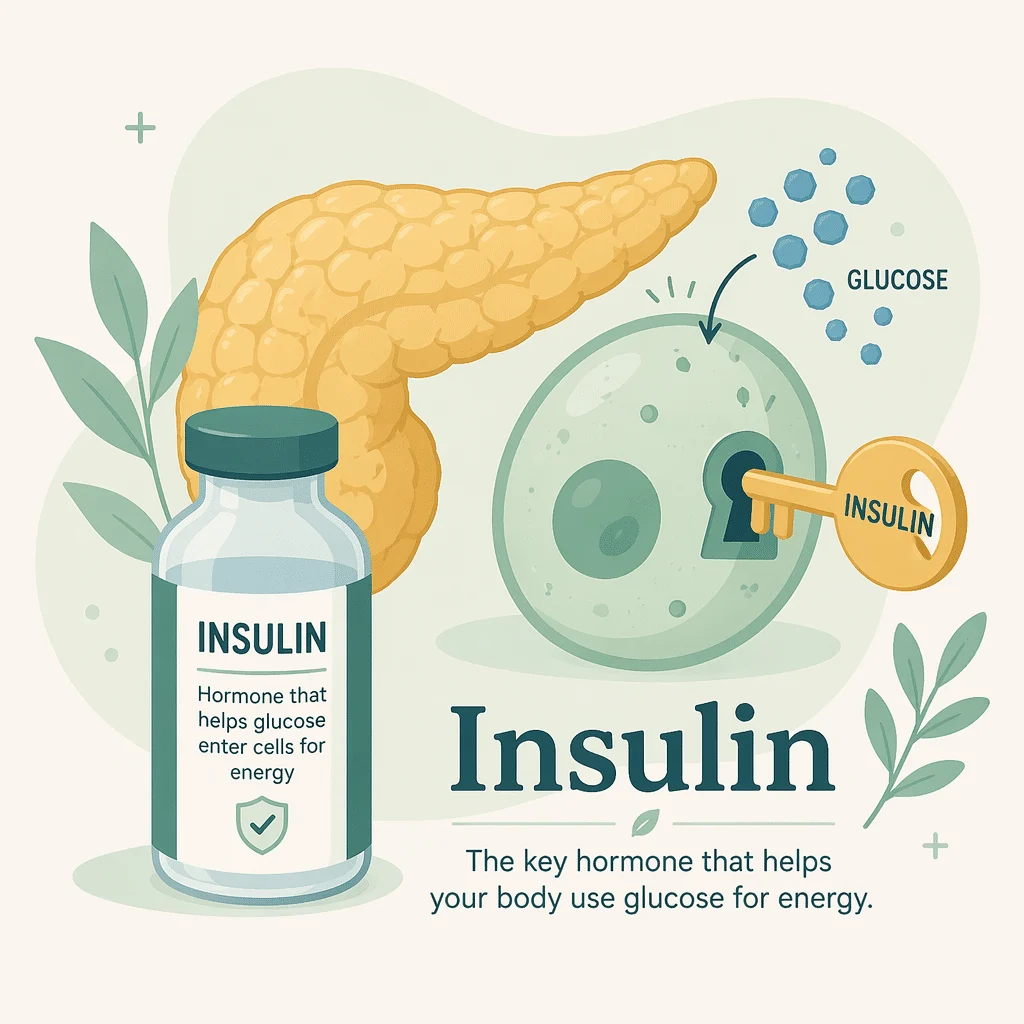
Insulin is a hormone made by beta cells inside the pancreas. Its main job is moving glucose, the sugar your body uses for energy, out of the bloodstream and into cells. Think of insulin as a key that unlocks the cell door so glucose can get in. A blood test captures how much of this hormone your pancreas is releasing at the moment the sample is drawn.
Most insulin tests are drawn after an overnight fast of at least eight hours, because eating triggers a rapid rise in insulin that would make a random result hard to interpret. A fasting sample instead reflects your baseline insulin output, the amount your body needs just to keep blood sugar steady between meals.
Why the test is ordered
Doctors reach for fasting insulin in a few specific situations rather than as a routine screening test for everyone. Common reasons include investigating suspected insulin resistance, working up polycystic ovary syndrome, evaluating unexplained low blood sugar, and monitoring metabolic risk in people with strong risk factors such as excess abdominal weight or a family history of type 2 diabetes. It is not the test used to diagnose diabetes itself; doctors diagnose diabetes using fasting blood glucose and glycated hemoglobin.
How fasting insulin becomes a HOMA-IR score
A single insulin number is hard to interpret on its own, because insulin naturally runs higher in some healthy people than others. That is why doctors often combine fasting insulin with fasting glucose into a calculation called the Homeostatic Model Assessment of Insulin Resistance, or HOMA-IR. The formula multiplies fasting glucose by fasting insulin and divides by a constant, producing a single score that estimates how hard your pancreas is working to control blood sugar.
A higher HOMA-IR score generally suggests more insulin resistance, while a lower score suggests your cells are responding normally to insulin. The table below gives a general sense of how HOMA-IR results are often grouped, though exact cutoffs vary between laboratories and studies because there is no single internationally standardized insulin assay.
| HOMA-IR range | General interpretation |
|---|---|
| Below about 1.0 | Considered optimal insulin sensitivity in many reference studies |
| About 1.0 to 2.0 | Commonly treated as a normal, healthy range |
| About 2.0 to 2.9 | Often flagged as early or borderline insulin resistance |
| 3.0 or higher | Frequently used as a threshold suggesting significant insulin resistance |
These bands are a general guide rather than a fixed medical rule. Because insulin assays differ between labs and are not standardized the way glucose tests are, the same blood sample can produce meaningfully different insulin numbers depending on where it is tested. For that reason, your own lab’s reference range, read by a clinician alongside your glucose result and health history, matters far more than any generic chart.
The ongoing debate over routine insulin testing
Unlike fasting glucose or HbA1c, fasting insulin is not part of the standard tests used to diagnose diabetes, and its role in everyday screening is genuinely debated among clinicians. Part of the disagreement comes down to standardization: insulin immunoassays vary between manufacturers and laboratories, so a HOMA-IR score calculated from one lab’s insulin assay is not always directly comparable to a score from another lab. Major diabetes and endocrine organizations have not agreed on a single universal cutoff the way they have for fasting glucose or HbA1c.
Supporters of wider insulin testing argue that insulin resistance can build for years before glucose rises high enough to flag on a standard screening test, so catching it earlier could prompt useful lifestyle changes sooner. Critics counter that without standardized cutoffs, an insulin result can create anxiety or lead to unnecessary follow-up testing without changing what a doctor would actually recommend, since the advice for insulin resistance and early prediabetes usually points toward the same diet, activity, and weight management steps either way. In practice, most clinicians reserve fasting insulin and HOMA-IR for specific situations, such as unclear PCOS cases or research settings, rather than as a routine addition to every metabolic panel.
How to read your insulin blood test results
Your lab report will typically list your insulin result in micro-international units per milliliter (µIU/mL) or picomoles per liter (pmol/L), next to a reference range set by that specific laboratory. As with most hormone tests, the number on its own tells only part of the story. Insulin has to be read together with your blood glucose from the same draw to mean much of anything.
Common insulin and glucose patterns
- High insulin with high glucose often points toward established insulin resistance, where the pancreas is producing more insulin but still struggling to keep blood sugar controlled.
- High insulin with normal glucose can be an earlier sign of insulin resistance, since the pancreas is compensating successfully for now by working harder.
- Normal insulin with high glucose can suggest the pancreas is not keeping pace with the body’s glucose load, sometimes an early clue toward reduced insulin production.
- Low insulin with high glucose is the pattern typically seen in type 1 diabetes, where the pancreas makes little or no insulin at all.
A doctor may also order a C-peptide test alongside or instead of insulin. C-peptide is released in step with your body’s own insulin, so it can distinguish your natural insulin production from injected insulin, which is useful for anyone already on insulin therapy.
Conditions linked to high insulin levels
Chronically elevated insulin, sometimes called hyperinsulinemia, usually reflects a body working hard to manage glucose.
Insulin resistance and metabolic syndrome
Insulin resistance is the most frequent cause of a raised fasting insulin. Cells throughout the body, particularly in muscle, fat, and the liver, stop responding normally to insulin’s signal, so the pancreas releases more of the hormone to compensate. Excess abdominal fat, low physical activity, and genetics all contribute to this pattern. Insulin resistance often travels with other findings that together make up metabolic syndrome, including higher triglyceride levels, low HDL cholesterol, and elevated blood pressure. It can be silent for years before symptoms like fatigue, weight gain around the middle, or dark, velvety skin patches called acanthosis nigricans appear.
Polycystic ovary syndrome (PCOS)
PCOS is a common hormonal condition in women that is closely linked to insulin resistance. Excess insulin can push the ovaries to produce more androgens, hormones that disrupt ovulation and the menstrual cycle and can drive symptoms such as acne and excess hair growth. When PCOS is suspected, doctors often order a female hormone panel alongside insulin and glucose testing, since managing insulin resistance is a central part of managing the condition.
Surgery does not end the condition: see what changes with PCOS after a hysterectomy.
Insulinoma
An insulinoma is a rare, usually noncancerous tumor of the pancreas that releases insulin without regard to blood sugar levels. Because the insulin keeps coming regardless of how much glucose is available, it can cause repeated episodes of dangerously low blood sugar, with symptoms such as shakiness, sweating, and confusion. This pattern, high insulin paired with low glucose, is unusual enough that it prompts specific further testing.
Conditions linked to low insulin levels
A fasting insulin that runs low means the body is not producing enough of the hormone to move glucose out of the blood efficiently.
Type 1 diabetes
Type 1 diabetes is an autoimmune condition in which the immune system destroys the insulin-producing beta cells of the pancreas. The result is an almost complete lack of insulin. Symptoms often develop quickly and can include intense thirst, frequent urination, rapid unexplained weight loss, and marked fatigue. Our broader guide covers diabetes causes, symptoms, and treatments in more depth, including how type 1 and type 2 differ.
Long-standing type 2 diabetes
Type 2 diabetes usually begins with insulin resistance and high insulin levels, as described above. Over many years, however, the pancreas can become exhausted from overproducing insulin, and beta cells gradually fail. At that point, insulin output falls and the condition starts to behave more like type 1 diabetes, sometimes requiring insulin treatment to manage blood sugar.
Chronic pancreatitis
Chronic pancreatitis is long-term inflammation of the pancreas that can permanently damage the tissue responsible for making insulin. As beta cells are progressively destroyed, insulin output can drop, leading to a distinct form of diabetes sometimes called type 3c that is closely tied to underlying pancreatic disease.
Latest scientific advances
Research into insulin resistance and how to measure or improve it has moved quickly over the past few years. Here are recent findings and what they mean in practice.
Exercise lowers fasting insulin and HOMA-IR in young people with excess weight
According to PubMed, a systematic review and network meta-analysis of 55 studies covering more than 3,000 children and adolescents with excess weight found that structured exercise programs reduced both fasting insulin and HOMA-IR scores, with the biggest improvements coming from combined high-intensity interval training and resistance training done several times a week (DOI). What this means for you: if a HOMA-IR score comes back borderline in a younger family member, regular structured exercise, not just casual activity, appears to be one of the most effective non-drug ways to bring the numbers down over time.
Intermittent fasting may improve fasting insulin slightly more than steady calorie cutting, at least short term
According to PubMed, a systematic review and meta-analysis of ten randomized trials in adults with obesity found that fasting-based eating patterns produced modestly greater short-term reductions in fasting insulin and HOMA-IR than a steady daily calorie reduction, although the two approaches performed similarly on most other measures and the insulin advantage did not clearly hold up over the longer term (DOI). What this means for you: both approaches to weight and calorie management can meaningfully improve insulin sensitivity, so the more sustainable option for your own routine is likely to matter more than chasing a specific eating pattern.
A simple waist measurement can help flag insulin resistance in PCOS without extra blood work
According to PubMed, a cross-sectional study of nearly 900 women with PCOS found that the waist-to-height ratio, a simple measurement anyone can take at home, was strongly associated with HOMA-IR-defined insulin resistance and performed well as a low-cost screening signal (DOI). What this means for you: a rising waist measurement relative to height can be a meaningful early prompt to discuss insulin resistance with a doctor, even before or alongside formal fasting insulin testing.
Certain nutritional supplements show measurable, if modest, effects on fasting insulin in PCOS
According to PubMed, a network meta-analysis comparing nutritional supplements in women with PCOS found that chromium supplementation was associated with the largest reduction in fasting insulin among the options studied, while omega-3 was more effective at lowering fasting glucose, and both outperformed placebo on HOMA-IR (DOI). What this means for you: some supplements have real, measurable effects on insulin markers in PCOS, but the effects are modest and the researchers cautioned that more high-quality trials are needed, so any supplement should be discussed with a doctor rather than started on your own.
Practical steps to support healthy insulin levels
Lifestyle changes are consistently the first-line approach for improving insulin sensitivity, whether or not a formal insulin test was ever ordered. Always discuss these strategies with a healthcare provider before making major changes, especially if you take medication that affects blood sugar.
Dietary habits
- Build meals around non-starchy vegetables, legumes, and whole grains, which raise blood sugar more slowly than refined carbohydrates.
- Cut back on sodas, pastries, white bread, and other sources of refined sugar and flour.
- Add lean protein and healthy fats, such as poultry, fish, tofu, nuts, and olive oil, to meals to promote fullness and steadier glucose.
- Spread food intake across regular meals rather than large, infrequent ones, to avoid sharp spikes in glucose and insulin.
Activity, sleep, and stress
- Aim for at least 150 minutes of moderate-intensity activity most weeks, such as brisk walking or cycling.
- Add strength training two to three times a week, since muscle is one of the body’s primary users of glucose.
- Protect seven to eight hours of sleep and build in stress-reduction habits, since poor sleep and chronic stress both worsen insulin resistance.
When to see a doctor
Most mildly abnormal, isolated insulin results are simply monitored rather than treated urgently. A conversation with a specialist, often an endocrinologist, becomes more important in certain situations:
- Your fasting insulin or HOMA-IR is markedly high or low, not just slightly outside the range.
- You notice symptoms of low blood sugar, such as shakiness, sweating, or confusion between meals.
- Your levels have not improved after several months of consistent lifestyle changes.
- You have a strong family history of diabetes, or symptoms suggesting PCOS such as irregular periods or excess hair growth.
Seek prompt medical attention for repeated episodes of severe low blood sugar, or for classic high-glucose symptoms such as extreme thirst, frequent urination, and unexplained weight loss, since these deserve evaluation sooner rather than later.
Glossary
| Term | Definition |
|---|---|
| Acanthosis nigricans | Dark, velvety patches of skin, often at the neck or armpits, sometimes linked to insulin resistance |
| Beta cells | Cells inside the pancreas that produce and release insulin |
| C-peptide | A protein fragment released alongside insulin, used to measure the body’s own insulin production |
| HOMA-IR | A score calculated from fasting glucose and fasting insulin that estimates insulin resistance |
| Hyperinsulinemia | A higher-than-normal level of insulin circulating in the blood |
| Hypoglycemia | Low blood sugar, which can cause shakiness, sweating, hunger, or confusion |
| Insulin resistance | A state in which cells respond poorly to insulin, so the pancreas must produce more to keep blood sugar controlled |
| Insulinoma | A usually noncancerous pancreatic tumor that releases insulin uncontrollably |
| Polycystic ovary syndrome (PCOS) | A hormonal condition in women closely linked to insulin resistance and irregular periods |
| Waist-to-height ratio | Waist circumference divided by height, used as a simple screening signal for insulin resistance |
Frequently asked questions
Is fasting insulin testing recommended for everyone?
No. Fasting insulin is not part of routine screening the way fasting glucose and HbA1c are, and there is no universal agreement among major health organizations on when to test it or what cutoff to use. Doctors typically reserve it for specific situations, such as evaluating suspected PCOS, investigating unexplained low blood sugar, or research settings, rather than adding it to every metabolic panel. If you are curious about your insulin resistance risk without a specific medical reason, discuss it with your doctor, who can weigh your individual risk factors first.
Why don’t different labs report the same insulin reference range?
Insulin immunoassays are not standardized the same way glucose assays are, so different manufacturers’ tests can produce somewhat different numbers from the identical blood sample. This is one reason a HOMA-IR score from one laboratory is not always directly comparable to a score calculated elsewhere. Always compare your result to the reference range printed on your own report, and ask your doctor to interpret changes over time using the same lab whenever possible.
My insulin is normal but my glucose is high. What does that mean?
This combination is worth discussing with a doctor. It can suggest your pancreas is not mounting a strong enough insulin response to control your blood sugar, sometimes an early sign of declining beta-cell function. It is not a diagnosis on its own, but it often prompts further evaluation, such as an HbA1c test or a repeat glucose measurement, to clarify what is happening.
Do insulin injections interfere with an insulin blood test?
Yes. Injected insulin can be detected by standard insulin assays, which generally cannot tell your body’s own insulin apart from the injected form. If you take insulin therapy, tell the laboratory beforehand. Your doctor may order a C-peptide test instead, since C-peptide is released only with your body’s natural insulin and is not affected by injected insulin.
Can someone with a normal weight still have high insulin?
Yes. A person can have a normal body mass index but still carry significant visceral fat around the abdominal organs, a pattern that drives insulin resistance regardless of overall weight. Genetics can also contribute to hyperinsulinemia independent of body weight. This is one reason insulin resistance is sometimes described as invisible on the outside.
Which medications can affect insulin blood test results?
Several common medications influence insulin levels. Corticosteroids are well known to increase insulin resistance and can raise fasting insulin as a result. Some diuretics and certain antipsychotic medications can have a similar effect. Metformin, in contrast, improves insulin sensitivity and tends to lower fasting insulin over time. Always tell your doctor about every medication and supplement you take when discussing an insulin result.
Sources
- Diabetes Testing — Centers for Disease Control and Prevention (CDC)
- Insulin Resistance and Prediabetes — National Institute of Diabetes and Digestive and Kidney Diseases (NIDDK), National Institutes of Health
- Insulin — Cleveland Clinic
- García-Hermoso A, López-Gil JF, Izquierdo M, Ramírez-Vélez R, Ezzatvar Y — Exercise and Insulin Resistance Markers in Children and Adolescents With Excess Weight: A Systematic Review and Network Meta-Analysis — JAMA Pediatrics, 2023, via PubMed (DOI)
- Siles-Guerrero V, Romero-Márquez JM, García-Pérez RN, et al. — Is Fasting Superior to Continuous Caloric Restriction for Weight Loss and Metabolic Outcomes in Obese Adults? A Systematic Review and Meta-Analysis of Randomized Clinical Trials — Nutrients, 2024, via PubMed (DOI)
- Zhu M, Wang K, Feng J, et al. — The waist-to-height ratio is a good predictor for insulin resistance in women with polycystic ovary syndrome — Frontiers in Endocrinology, 2024, via PubMed (DOI)
- Hu X, Wang W, Su X, et al. — Comparison of nutritional supplements in improving glycolipid metabolism and endocrine function in polycystic ovary syndrome: a systematic review and network meta-analysis — PeerJ, 2023, via PubMed (DOI)
Further reading
- Diabetes Blood Test: Glucose, HbA1c & Insulin
- HOMA-IR test: Understanding your insulin resistance score
- C-Peptide Test: What Your Levels Reveal About Insulin
- Fasting blood glucose: Your complete guide to interpretation
- Glycated hemoglobin (HbA1c): Your complete guide
Insulin results rarely stand alone. They make the most sense read next to your fasting glucose, and sometimes alongside hormone or C-peptide testing, all interpreted in the context of your symptoms and history by a qualified clinician. AI DiagMe reads your lab report and explains what each value means in plain language, so you arrive at your appointment already understanding the bigger picture.
Understand your lab results with AI DiagMe
Get your results interpreted in minutes