































インスリン血液検査は、通常一晩絶食した後に、血液中を循環しているインスリンホルモンの量を測定する検査です。主にインスリン抵抗性(細胞がインスリンに反応しにくくなり、膵臓がより多くのインスリンを分泌して補おうとする状態)を調べるために行われます。この記事では、この検査で何を測定するか、空腹時インスリンがHOMA-IRと呼ばれる計算式を通じてどのように血糖値と合わせて読まれるか、高値・低値が何を意味するか、そして日常的なインスリン検査の有用性についての専門家の議論を説明します。また、検査結果でこの項目を見た後によく寄せられる質問への回答と、わかりやすい用語集もご用意しています。
インスリン血液検査で測定するもの
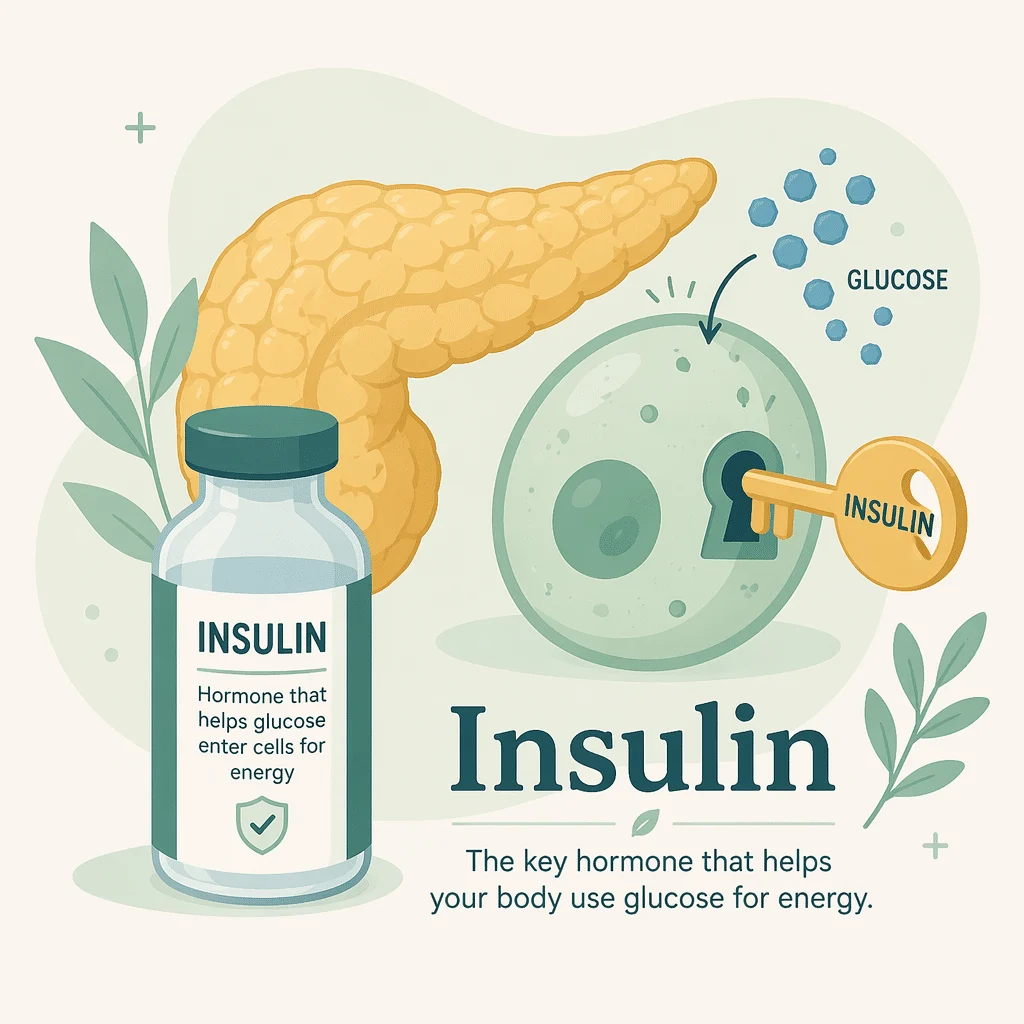
インスリンは膵臓のベータ細胞で作られるホルモンです。主な役割は、体のエネルギー源となる糖(グルコース)を血液中から細胞の中へ取り込ませることです。インスリンは細胞の扉を開ける「鍵」のようなものと考えるとわかりやすいでしょう。血液検査では、採血した時点で膵臓がどれだけのインスリンを分泌しているかを測定します。
インスリン検査のほとんどは、少なくとも8時間の一晩絶食後に採血されます。食事をするとインスリンが急激に上昇し、食後に採血した結果は解釈が難しくなるためです。空腹時の採血では、食事と食事の間に血糖値を安定させるために体が必要とする基礎的なインスリン分泌量、つまりベースラインが反映されます。
この検査が行われる理由
空腹時インスリン検査は、全員に行うルーティンのスクリーニング検査としてではなく、特定の状況で行われます。主な理由としては、インスリン抵抗性の疑いの調査、多嚢胞性卵巣症候群(PCOS)の精査、原因不明の低血糖の評価、腹部の過剰な脂肪や2型糖尿病の家族歴など強いリスク因子を持つ人の代謝リスクのモニタリングなどが挙げられます。糖尿病そのものの診断に使われる検査ではありません。糖尿病の診断には 空腹時血糖 および グリコヘモグロビン.
空腹時インスリンからHOMA-IRスコアを算出する方法
インスリンの数値は単独では解釈が難しいものです。健康な人でも、インスリン値には個人差があるためです。そのため医師は多くの場合、空腹時インスリンと空腹時血糖を組み合わせて「インスリン抵抗性の恒常性モデル評価(HOMA-IR)」という計算式を用います。この計算式では、空腹時血糖値に空腹時インスリン値を掛け、定数で割ることで、膵臓が血糖をコントロールするためにどれだけ働いているかを示す1つのスコアを算出します。
HOMA-IRのスコアが高いほどインスリン抵抗性が高いことを示し、低いほど細胞がインスリンに正常に反応していることを示します。以下の表は、HOMA-IRの結果がどのように分類されることが多いかの目安を示しています。ただし、インスリン測定法は国際的に統一されていないため、検査機関や研究によって基準値は異なります。
| HOMA-IRの範囲 | おおまかな解釈 |
|---|---|
| おおよそ1.0未満 | 多くの参考研究でインスリン感受性が最適とされる範囲 |
| おおよそ1.0〜2.0 | 一般的に正常・健康的な範囲とみなされる |
| おおよそ2.0〜2.9 | 軽度または境界域のインスリン抵抗性として注意が必要とされることが多い |
| 3.0以上 | インスリン抵抗性が有意であることを示す目安としてよく用いられる閾値 |
これらの区分はあくまでも目安であり、医学的な固定基準ではありません。インスリン測定法は検査機関によって異なり、血糖検査のように標準化されていないため、同じ血液サンプルでも検査を行う機関によってインスリン値に差が生じることがあります。そのため、あなたの検査機関の基準値を、血糖値の結果や健康歴とあわせて医師が判断することが、どんな一般的な表よりもはるかに重要です。
空腹時インスリン検査の日常的な実施をめぐる議論
空腹時血糖やHbA1cとは異なり、空腹時インスリンは糖尿病の診断に用いられる標準的な検査には含まれておらず、日常的なスクリーニングにおけるその役割については、臨床医の間でも意見が分かれています。議論の一因は標準化の問題にあります。インスリンの免疫測定法はメーカーや検査機関によって異なるため、ある検査機関のインスリン測定値から算出したHOMA-IRスコアが、別の検査機関のスコアと必ずしも直接比較できるわけではありません。主要な糖尿病・内分泌学の学会は、空腹時血糖やHbA1cのように、単一の普遍的な基準値について合意に至っていません。
インスリン検査の適応拡大を支持する立場からは、標準的なスクリーニング検査で血糖値が上昇として検出されるよりずっと前から、インスリン抵抗性が何年もかけて進行している可能性があるという主張があります。早期に発見できれば、生活習慣の改善をより早く促せるというわけです。一方、批判的な立場からは、基準値が統一されていない現状では、インスリンの検査結果が不必要な不安や追加検査につながりかねないという指摘があります。インスリン抵抗性と前糖尿病の初期段階に対する対処法は、食事・運動・体重管理という点でほぼ同じであり、実際の診療方針が変わるわけではないからです。実際のところ、空腹時インスリンやHOMA-IRを測定するのは、PCOSの診断が難しいケースや研究目的など特定の状況に限られており、代謝パネル検査のたびに定期的に追加されるものではありません。
インスリン血液検査の結果の読み方
検査報告書には通常、インスリンの測定値がマイクロ国際単位/ミリリットル(µIU/mL)またはピコモル/リットル(pmol/L)の単位で記載され、その検査機関が設定した基準範囲と並んで表示されます。ほとんどのホルモン検査と同様に、数値だけでは情報の一部しかわかりません。インスリンの値は、同じ採血で測定した血糖値と合わせて読むことで、はじめて意味をなします。
インスリンと血糖値のよくある組み合わせパターン
- インスリン高値+血糖値高値は、インスリン抵抗性がすでに進行しているサインであることが多く、膵臓がより多くのインスリンを分泌しているにもかかわらず、血糖値のコントロールがうまくいっていない状態を示します。
- インスリン高値+血糖値正常は、インスリン抵抗性の初期サインである可能性があります。この段階では膵臓が懸命に働くことで何とか補っている状態です。
- インスリン正常値+血糖値高値は、膵臓が体内の糖の負荷に追いつけていないことを示す場合があり、インスリン分泌の低下を示す初期のサインとなることがあります。
- インスリン低値+血糖値高値は、膵臓がほとんどまたはまったくインスリンを産生できない1型糖尿病で典型的にみられるパターンです。
医師がインスリン検査と合わせて、あるいはインスリンの代わりに Cペプチド検査 を指示することもあります。Cペプチドは体内で産生されるインスリンと同時に分泌されるため、自然なインスリン分泌と注射によるインスリンを区別することができます。すでにインスリン療法を受けている方にとって特に有用な検査です。
インスリン高値と関連する疾患
インスリンが慢性的に高い状態(高インスリン血症とも呼ばれます)は、通常、体が血糖値を管理しようと懸命に働いていることを反映しています。
インスリン抵抗性とメタボリックシンドローム
インスリン抵抗性は、空腹時インスリン値が高くなる最も一般的な原因です。筋肉・脂肪・肝臓など全身の細胞がインスリンの信号に正常に反応しなくなり、膵臓はそれを補おうとより多くのホルモンを分泌します。腹部の過剰な脂肪、運動不足、遺伝的要因がすべてこのパターンに関与しています。インスリン抵抗性はしばしば他の所見を伴い、それらが合わさってメタボリックシンドロームを構成します。具体的には、高い トリグリセリド値、低HDLコレステロール、高血圧などが挙げられます。疲労感、中心性肥満(お腹まわりの体重増加)、アカントーシス・ニグリカンスと呼ばれる黒ずんだビロード状の皮膚の変色といった症状が現れるまで、何年も無症状のまま経過することがあります。
多嚢胞性卵巣症候群(PCOS)
多嚢胞性卵巣症候群(PCOS)は、インスリン抵抗性と密接に関連した女性に多いホルモンの疾患です。インスリンが過剰になると、卵巣がアンドロゲン(男性ホルモン)をより多く産生するよう促され、排卵や月経周期が乱れ、ニキビや多毛などの症状が現れることがあります。PCOSが疑われる場合、医師はインスリンや血糖検査とあわせて 女性ホルモン検査パネル を指示することが多く、インスリン抵抗性の管理がこの疾患の治療の中心となります。
手術で症状が完全に消えるわけではありません:詳しくは 子宮摘出後のPCOSはどう変わるか.
インスリノーマ
インスリノーマは、膵臓にできるまれな腫瘍で、ほとんどの場合は良性です。血糖値に関係なくインスリンを分泌し続けるため、利用できるブドウ糖の量に関わらずインスリンが出続け、危険な低血糖発作を繰り返すことがあります。症状としては、ふるえ、発汗、意識の混乱などが現れます。インスリン高値と血糖低値が同時に見られるこのパターンは非常に特徴的であり、特定の追加検査が必要となります。
インスリン値が低い場合に関連する疾患
空腹時インスリン値が低い場合、血液中のブドウ糖をうまく取り込むのに十分なホルモンが体内で産生されていないことを意味します。
1型糖尿病
1型糖尿病は、免疫系が膵臓のインスリンを産生するβ細胞を破壊してしまう自己免疫疾患です。その結果、インスリンがほぼ完全に欠乏します。症状は急速に現れることが多く、強い口渇、頻尿、急激な原因不明の体重減少、強い倦怠感などが見られます。1型と2型の違いを含め、詳しくは当サイトの総合ガイドで 糖尿病の原因・症状・治療 をご覧ください。
長期にわたる2型糖尿病
2型糖尿病は通常、上述のようにインスリン抵抗性と高インスリン血症から始まります。しかし、長年にわたってインスリンを過剰産生し続けると膵臓が疲弊し、ベータ細胞が徐々に機能しなくなることがあります。そうなるとインスリンの分泌量が低下し、病態が1型糖尿病に近い状態になるため、血糖値をコントロールするためにインスリン治療が必要になることもあります。
慢性膵炎
慢性膵炎は膵臓に長期的な炎症が続く病気で、インスリンを産生する組織に永続的なダメージを与えることがあります。ベータ細胞が徐々に破壊されるにつれてインスリンの分泌量が低下し、膵臓疾患と密接に関連した「3c型糖尿病」と呼ばれる特殊な糖尿病を引き起こすことがあります。
最新の科学的進歩
インスリン抵抗性の仕組みや、その測定・改善方法に関する研究は、ここ数年で急速に進んでいます。以下に最新の研究結果と、その実際的な意味をご紹介します。
運動は過体重の若者の空腹時インスリン値とHOMA-IRを低下させる
PubMedによると、過体重の子どもや青少年3,000人以上を対象とした55件の研究を網羅したシステマティックレビューおよびネットワークメタアナリシスでは、構造化された運動プログラムによって空腹時インスリン値とHOMA-IRスコアの両方が低下し、週に数回行う高強度インターバルトレーニングとレジスタンストレーニングを組み合わせた場合に最も大きな改善が見られました(DOI)。これが意味すること:若い家族のHOMA-IRスコアが境界値付近だった場合、気軽な運動ではなく定期的な構造化運動が、数値を長期的に改善するための最も効果的な非薬物療法の一つと考えられます。
断続的断食は、少なくとも短期的には、継続的なカロリー制限よりも空腹時インスリン値をわずかに改善する可能性がある
PubMedによると、肥満の成人を対象とした10件のランダム化試験のシステマティックレビューおよびメタアナリシスでは、断食を取り入れた食事パターンが、毎日一定のカロリーを制限する方法と比べて、空腹時インスリン値とHOMA-IRの短期的な改善においてわずかに優れた結果を示しました。ただし、その他のほとんどの指標では両者の効果は同程度であり、インスリンに関する優位性は長期的には明確に維持されませんでした(DOI)。これが意味すること:体重管理やカロリー管理のどちらのアプローチも、インスリン感受性を有意義に改善できます。そのため、特定の食事パターンにこだわるよりも、自分の生活習慣に長続きする方法を選ぶことの方が重要と言えるでしょう。
ウエスト周囲径を測るだけで、追加の血液検査なしにPCOSにおけるインスリン抵抗性を発見できる可能性がある
PubMedに掲載された約900人のPCOS女性を対象とした横断研究によると、自宅で誰でも簡単に測定できる腰囲身長比が、HOMA-IRで定義されたインスリン抵抗性と強く関連しており、低コストのスクリーニング指標として有効であることが示されました(DOI)。これが意味すること:身長に対して腰囲が増加している場合、空腹時インスリン検査の前や検査と並行して、インスリン抵抗性について医師に相談する重要な早期サインとなる可能性があります。
特定の栄養サプリメントは、PCOSにおける空腹時インスリンに対して、控えめながらも測定可能な効果を示します
PubMedに掲載されたPCOS女性を対象に栄養サプリメントを比較したネットワークメタ解析によると、クロムの補給が研究対象の中で空腹時インスリンの最大の低下と関連しており、オメガ3は空腹時血糖の低下においてより効果的で、両者ともHOMA-IRでプラセボを上回りました(DOI)。これが意味すること:一部のサプリメントはPCOSにおけるインスリン指標に対して実際に測定可能な効果がありますが、その効果は控えめであり、研究者たちはより質の高い臨床試験が必要と警告しています。そのため、サプリメントは自己判断で始めるのではなく、必ず医師に相談してから使用してください。
健康的なインスリン値をサポートするための実践的なステップ
インスリン感受性を改善するための第一選択アプローチとして、生活習慣の改善が一貫して推奨されています。これは正式なインスリン検査を受けたかどうかに関わらず当てはまります。特に血糖値に影響する薬を服用している場合は、大きな変更を行う前に必ず医療専門家に相談してください。
食習慣
- 精製炭水化物よりも血糖値の上昇が緩やかな、非でんぷん質の野菜・豆類・全粒穀物を中心に食事を組み立てましょう。
- 清涼飲料水、菓子パン、白パンなど、精製された砂糖や小麦粉を多く含む食品を控えましょう。
- 鶏肉、魚、豆腐、ナッツ、オリーブオイルなどの良質なタンパク質と健康的な脂質を食事に取り入れ、満腹感を高めて血糖値を安定させましょう。
- 血糖値とインスリンの急激な上昇を避けるため、まとめ食いを避けて規則正しい食事に分けて摂るようにしましょう。
運動・睡眠・ストレス
- ほとんどの週で、早歩きやサイクリングなどの中程度の強度の運動を少なくとも週150分行うことを目標にしましょう。
- 筋肉は体内でブドウ糖を最も多く消費する組織の一つであるため、週2〜3回の筋力トレーニングも取り入れましょう。
- 7〜8時間の睡眠を確保し、ストレス解消の習慣を身につけましょう。睡眠不足と慢性的なストレスはどちらもインスリン抵抗性を悪化させます。
受診のタイミング
軽度の異常や単独のインスリン値の異常は、緊急治療よりも経過観察が選ばれることがほとんどです。ただし、以下のような状況では、専門医(多くの場合は内分泌科医)への相談がより重要になります。
- 空腹時インスリン値またはHOMA-IRが、わずかに基準値を外れているのではなく、著しく高いまたは低い場合。
- 食事と食事の間に、ふるえ・発汗・意識の混乱など低血糖の症状が現れる場合。
- 数か月間、継続的に生活習慣を改善しても値が改善しない場合。
- 糖尿病の強い家族歴がある場合、または不規則な月経や多毛など多嚢胞性卵巣症候群(PCOS)を疑わせる症状がある場合。
重篤な低血糖が繰り返し起こる場合や、強い口渇・頻尿・原因不明の体重減少といった高血糖の典型的な症状がある場合は、早めに医療機関を受診してください。これらは早急な評価が必要なサインです。
用語集
| 用語 | 定義 |
|---|---|
| 黒色表皮腫 | 首やわきの下などに現れる、黒ずんだビロード状の皮膚の変化(黒色表皮腫)。インスリン抵抗性と関連することがあります。 |
| ベータ細胞 | 膵臓の中でインスリンを産生・分泌する細胞(β細胞) |
| Cペプチド | インスリンと同時に分泌されるタンパク質の断片。体内でのインスリン産生量を測定するために使われます(Cペプチド)。 |
| HOMA-IR | 空腹時血糖値と空腹時インスリン値からインスリン抵抗性を推定するスコア(HOMA-IR) |
| 高インスリン血症 | 血中を循環するインスリン濃度が正常より高い状態 |
| 低血糖 | 低血糖。ふるえ・発汗・空腹感・意識の混乱などを引き起こすことがあります。 |
| インスリン抵抗性 | 細胞がインスリンに対してうまく反応できない状態。血糖値をコントロールするために、膵臓がより多くのインスリンを分泌しなければならなくなります(インスリン抵抗性)。 |
| インスリノーマ | インスリンを制御なく分泌し続ける、多くの場合は良性の膵臓腫瘍(インスリノーマ) |
| 多嚢胞性卵巣症候群(PCOS) | インスリン抵抗性や不規則な月経と密接に関連する、女性のホルモン疾患(多嚢胞性卵巣症候群/PCOS) |
| 腹囲身長比 | 腹囲を身長で割った値。インスリン抵抗性の簡易スクリーニング指標として使われます。 |
よくある質問
空腹時インスリン検査は全員に推奨されますか?
いいえ。空腹時インスリン検査は、空腹時血糖やHbA1cのような定期スクリーニングには含まれておらず、検査のタイミングや基準値についても主要な医療機関の間で統一した見解はありません。医師が検査を行うのは、PCOSの疑い、原因不明の低血糖の調査、研究目的など特定の状況に限られるのが一般的で、すべての代謝パネルに加えられるわけではありません。特定の医学的理由がなくてもインスリン抵抗性のリスクが気になる場合は、まずかかりつけ医に相談し、個人のリスク因子を踏まえて判断してもらいましょう。
なぜ検査機関によってインスリンの基準値が異なるのですか?
インスリン免疫測定法は、グルコース測定法のように標準化されていないため、同じ血液サンプルでもメーカーによって測定値が多少異なる場合があります。これが、あるラボで算出されたHOMA-IRスコアが、別の場所で計算されたスコアと必ずしも直接比較できない理由の一つです。必ずご自身の検査報告書に記載されている基準値と照らし合わせ、経時的な変化を評価する際は、できる限り同じ検査機関の結果を使うよう主治医にご相談ください。
インスリンは正常なのに血糖値が高い場合、どういう意味ですか?
この組み合わせは、医師に相談する価値があります。膵臓が血糖値をコントロールするのに十分なインスリン反応を示していない可能性があり、これはベータ細胞機能の低下の初期サインであることがあります。それだけで診断が確定するわけではありませんが、状況を明らかにするためにHbA1c検査や血糖値の再測定など、さらなる検査が行われることが多いです。
インスリン注射は、インスリンの血液検査に影響しますか?
はい。注射されたインスリンは通常のインスリン測定法で検出されますが、一般的にはご自身の体が産生するインスリンと注射されたインスリンを区別することができません。インスリン療法を受けている場合は、事前に検査機関にお伝えください。Cペプチドは体内で自然に産生されるインスリンとともにのみ分泌され、注射インスリンの影響を受けないため、主治医がCペプチド検査を代わりに指示することがあります。
体重が正常でもインスリン値が高くなることはありますか?
はい。体格指数(BMI)が正常範囲内であっても、腹部の内臓周囲に多くの内臓脂肪を蓄えている場合があり、このパターンは全体的な体重に関わらずインスリン抵抗性を引き起こします。また、遺伝的要因が体重とは無関係に高インスリン血症に関与することもあります。これが、インスリン抵抗性が「外見からはわからない」と表現されることがある理由の一つです。
インスリン血液検査の結果に影響を与える薬はありますか?
いくつかの一般的な薬がインスリン値に影響を与えます。コルチコステロイドはインスリン抵抗性を高めることがよく知られており、その結果として空腹時インスリン値を上昇させることがあります。一部の利尿薬や特定の抗精神病薬も同様の影響を及ぼすことがあります。一方、メトホルミンはインスリン感受性を改善し、時間の経過とともに空腹時インスリン値を低下させる傾向があります。インスリン検査の結果について医師と話し合う際は、服用しているすべての薬やサプリメントを必ず伝えてください。
参考文献
- 糖尿病の検査 — 米国疾病予防管理センター(CDC)
- インスリン抵抗性と前糖尿病 — 米国国立糖尿病・消化器・腎臓病研究所(NIDDK)、米国国立衛生研究所
- インスリン — クリーブランドクリニック
- García-Hermoso A, López-Gil JF, Izquierdo M, Ramírez-Vélez R, Ezzatvar Y — Exercise and Insulin Resistance Markers in Children and Adolescents With Excess Weight: A Systematic Review and Network Meta-Analysis — JAMA Pediatrics, 2023, via PubMed (DOI)
- Siles-Guerrero V, Romero-Márquez JM, García-Pérez RN, et al. — Is Fasting Superior to Continuous Caloric Restriction for Weight Loss and Metabolic Outcomes in Obese Adults? A Systematic Review and Meta-Analysis of Randomized Clinical Trials — Nutrients, 2024, via PubMed (DOI)
- Zhu M, Wang K, Feng J, et al. — The waist-to-height ratio is a good predictor for insulin resistance in women with polycystic ovary syndrome — Frontiers in Endocrinology, 2024, via PubMed (DOI)
- Hu X, Wang W, Su X, et al. — Comparison of nutritional supplements in improving glycolipid metabolism and endocrine function in polycystic ovary syndrome: a systematic review and network meta-analysis — PeerJ, 2023, via PubMed (DOI)
関連記事
- 糖尿病の血液検査:血糖・HbA1c・インスリン
- HOMA-IR検査:インスリン抵抗性指数の見方と意味
- Cペプチド検査:数値からわかるインスリンの状態
- 空腹時血糖:検査結果の読み方・完全ガイド
- グリコヘモグロビン(HbA1c):完全ガイド
インスリンの検査結果は、単独で判断されることはほとんどありません。空腹時血糖値と合わせて読むことで初めて意味をなし、場合によってはホルモン検査やCペプチド検査の結果とともに、担当医が症状や病歴を踏まえて総合的に判断します。AI DiagMe はあなたの検査レポートを読み取り、各数値が何を意味するのかをわかりやすい言葉で説明します。診察に臨む前に、全体像をしっかり理解しておくことができます。