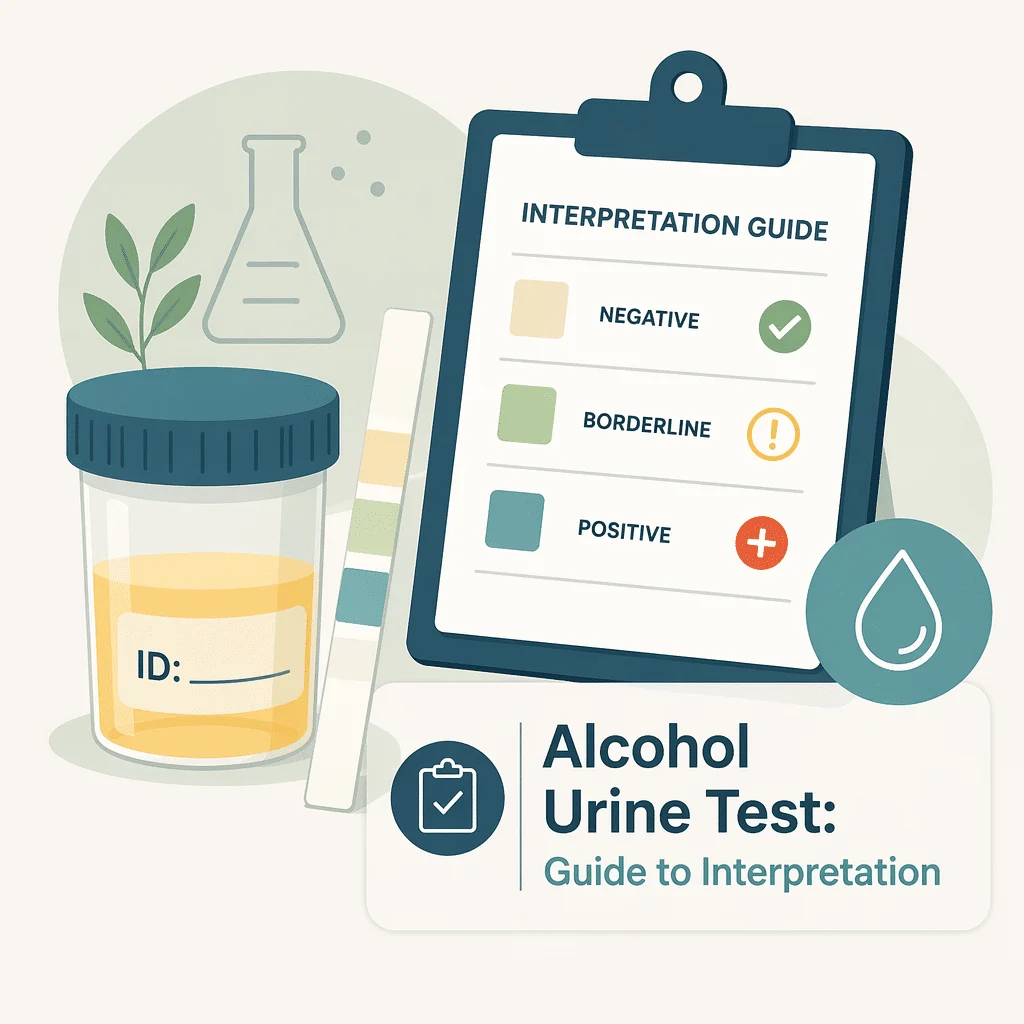
Un test de alcool în urină caută fie alcoolul în sine, fie produșii secundari pe care ficatul tău îi produce după ce descompune alcoolul. Această distincție determină aproape tot ce trebuie să știi despre rezultat: ce poate vedea laboratorul, cât de departe în timp poate detecta consumul și cât de sigur se poate afirma că ai băut. Clinici, programe de tratament, angajatori și instanțe folosesc aceste teste, fiecare stabilindu-și propriul prag pentru un rezultat pozitiv. În acest articol vei afla ce măsoară cele două versiuni principale, cât timp detectează realist consumul de alcool fiecare, cum transformă pragurile un număr într-un verdict și care situații obișnuite pot produce rezultate înșelătoare. Vei găsi, de asemenea, o comparație față în față între metodele bazate pe urină, aer expirat și sânge, plus un rezumat pe înțelesul tuturor al cercetărilor recente privind biomarkerii.
Ce măsoară de fapt un test de alcool din urină
Nu există un singur test de alcool din urină. Există două familii de teste, iar fiecare răspunde la întrebări diferite. Să știi pe care l-ai făcut este primul pas în citirea raportului tău, deoarece aceeași probă poate fi negativă la unul și pozitivă la celălalt.
Testarea directă a etanolului
Etanolul este alcoolul din bere, vin și băuturi spirtoase. Un test direct măsoară etanolul care a trecut nemodificat în urină, lucru care se întâmplă doar atât timp cât alcoolul circulă încă în organism. Ficatul elimină alcoolul treptat și continuu, astfel că acest semnal dispare rapid. MedlinePlus menționează că testele de sânge detectează alcoolul până la aproximativ 12 ore după consum, iar etanolul din urină se comportă în mod similar ca interval de timp. Un rezultat direct negativ nu îți spune, prin urmare, aproape nimic despre seara trecută.
EtG și EtS, metaboliții alcoolului
Etilglucuronida (EtG) și etilsulfatul (EtS) sunt două molecule mici pe care ficatul tău le produce doar în prezența etanolului. Sunt numiți metaboliți minori deoarece organismul produce cantități foarte mici din fiecare, însă instrumentele de laborator îi detectează la concentrații extrem de scăzute. Deoarece persistă după ce etanolul însuși a dispărut, un test de alcool în urină bazat pe EtG sau EtS privește mai departe în timp decât un test direct. Majoritatea programelor moderne de testare folosesc această versiune, motiv pentru care atât de multe rapoarte menționează EtG în loc de etanol.
Cât timp rămâne alcoolul detectabil în urină
Aceasta este întrebarea pe care aproape toată lumea o aduce la un test de alcool din urină, iar răspunsul sincer este un interval, nu un număr fix. Studiile publicate despre biomarkerii alcoolului descriu cum metaboliții non-oxidativi extind fereastra de detectare cu mult dincolo de durata de viață scurtă a etanolului, iar ferestrele EtG raportate se situează de obicei între aproximativ una și trei zile, extinzându-se mai mult după un consum intens și prelungit.
De ce un număr fix poate induce în eroare
Detectarea depinde de trei factori variabili: cât ai băut, cât de repede a procesat și eliminat corpul tău alcoolul, și cât de jos a setat laboratorul pragul de detecție. Schimbă oricare dintre aceștia și fereastra de detecție se mișcă. O singură băutură la un prag scăzut și o seară cu consum ridicat la un prag înalt pot produce același rezultat pe hârtie din motive complet diferite. Oricine citează o cifră universală presupune în mod tacit o doză specifică și un prag specific.
Ce influențează fereastra ta personală de detectare
- Cantitatea totală consumată și dacă a fost distribuită pe parcursul mai multor ore sau concentrată într-un interval scurt
- Funcția renală și debitul urinar, care determină cât de repede sunt eliminate metaboliții din organism
- Nivelul de hidratare în momentul recoltării, care influențează concentrația probei
- Pragul ales de programul tău, care poate diferi de cel al laboratorului din apropiere
- Compoziția corporală, vârsta și sănătatea ficatului, care influențează modul în care este procesat alcoolul
Comparație între tipurile de teste pentru alcool
Testul de alcool din urină este una dintre mai multe opțiuni, iar fiecare metodă face un compromis între acoperirea temporală și precizie. Acest tabel prezintă ce detectează fiecare, aproximativ cât de departe în timp poate detecta și ce anume poate denatura cel mai frecvent rezultatul.
| Analiză | Ce detectează | Fereastră de detectare tipică | Ce poate crea confuzie |
|---|---|---|---|
| Etanol direct în urină | Alcoolul în sine, încă prezent în organism | Ore, pe o scară de timp similară cu cea a sângelui | Bacterii sau drojdie într-o probă depozitată necorespunzător, care pot crea sau consuma etanol |
| EtG și EtS în urină | Doi produși secundari formați doar când etanolul a fost prezent în organism | De obicei între una și trei zile, mai mult după un consum ridicat | Urină foarte diluată, un prag scăzut și alcool incidental din produse de uz casnic |
| Test cu etilometrul | Alcoolul din aerul expirat, reflectând nivelul actual din sânge | Ore, reflectând doar momentul prezent | Alcoolul rămas în gură după o băutură recentă, apă de gură sau medicamente |
| Etanol din sânge | Concentrația de alcool la momentul exact al recoltării | Până la aproximativ 12 ore | Intervalul de timp dintre evenimentul în cauză și recoltarea sângelui |
| PEth din sânge | Un compus al membranei celulelor roșii din sânge, format doar în prezența etanolului | Până la aproximativ patru săptămâni | Tiparul de consum, dacă s-a folosit sânge integral sau o picătură de sânge uscat, și variația individuală |
Observă tiparul. Etanolul din aerul expirat și din sânge răspunde la întrebarea „ești sub influența alcoolului acum?" Un test de alcool din urină bazat pe EtG răspunde la „ai consumat alcool în ultimele câteva zile?" PEth răspunde la „ai băut în mod regulat în ultimele săptămâni?" Programele aleg metoda în funcție de întrebarea la care trebuie să răspundă, nu pentru că una ar fi universal mai bună. Aceeași logică de testare inițială urmată de confirmare guvernează majoritatea panelurilor la locul de muncă, iar noi am publicat un ghid mai amplu ghid pentru interpretarea rezultatelor testelor de droguri.
Cum transformă pragurile un număr într-un rezultat pozitiv sau negativ
Raportul tău de la testul de alcool din urină este, în esență, un număr comparat cu o limită. Acea limită este o decizie de politică luată de laborator sau de program, nu o graniță biologică, și este elementul cel mai subestimat din întregul proces.
Testare de screening versus testare de confirmare
Majoritatea probelor sunt supuse mai întâi unui test de screening imunoanalitic rapid și ieftin. Aceste teste sunt calibrate intenționat pentru a rata cât mai puține rezultate pozitive posibil, ceea ce înseamnă că uneori semnalează probe care nu sunt cu adevărat pozitive. O probă semnalată ar trebui apoi trimisă la o metodă de confirmare, cum ar fi cromatografia lichidă sau gazoasă cu spectrometrie de masă, care identifică molecula exactă în loc să reacționeze la o substanță asemănătoare. FDA subliniază clar acest lucru în legătură cu kiturile de screening urinar pentru uz casnic: trimite proba la un laborator înainte de a trage concluzii și nu lua nicio decizie importantă bazându-te doar pe un rezultat obținut acasă.
De ce programele folosesc praguri pe niveluri
Programele de cercetare care monitorizează consumul de alcool folosesc adesea două niveluri de prag, nu unul singur. Un studiu clinic randomizat recent, realizat pe adulți cu tulburare de consum de alcool, a utilizat un prag mai scăzut al EtG urinar pentru a considera o probă negativă și unul semnificativ mai ridicat pentru a semnala un consum recent mai intens. Acest aspect contează pentru tine: „pozitiv" nu înseamnă același lucru în toate situațiile. Un rezultat poate depăși pragul strict de abstinență, rămânând totuși mult sub nivelul pe care un program îl consideră dovadă a unui consum excesiv — de aceea este întotdeauna rezonabil să întrebi ce prag a fost aplicat probei tale.
Ce poate influența greșit un test urinar pentru alcool
Ambele tipuri de eroare sunt posibile și au cauze diferite. Înțelegerea lor este ceea ce separă panica de perspectivă.
Expunerea accidentală și rezultatele fals pozitive
Deoarece EtG poate fi măsurat la concentrații foarte mici, alcoolul pe care nu ai intenționat niciodată să îl consumi poate apărea în rezultate. Surse realiste includ unele ape de gură și produse pentru respirație, dezinfectant de mâini folosit intens într-un spațiu neventilat, anumite preparate pentru tuse și răceală, kombucha și alimente gătite cu vin sau băuturi spirtoase. La un prag scăzut, acestea pot împinge o probă peste limită; la un prag mai ridicat, de obicei nu pot. Tocmai de aceea pragul contează atât de mult și de aceea un test de confirmare plus contextul sunt mai valoroase decât o cifră izolată.
Diluție, întârziere și rezultate fals negative
Eroarea opusă este mai frecventă decât se crede. Consumul unor cantități mari de apă înainte de recoltare diluează proba și poate scădea concentrația sub pragul de detecție, fără a schimba dacă ai băut sau nu. Laboratoarele anticipează acest lucru și verifică dacă o probă este prea diluată pentru a putea fi interpretată — de aceea explicăm nivelurile de densitate urinară specifică și semnificația lor și publică, de asemenea, un ghid de interpretare a creatininei urinare. O probă considerată prea diluată este adesea tratată ca invalidă, nu ca negativă. Momentul recoltării este o altă cauză: o probă recoltată după ce fereastra de detecție s-a închis va fi negativă indiferent de ce s-a întâmplat cu trei zile înainte.
O notă despre probă în sine
Rezultatele directe ale etanolului necesită o atenție suplimentară. Dacă o probă stă la căldură prea mult timp, microorganismele prezente în urină pot genera etanol care nu a fost niciodată consumat sau pot consuma etanolul care a fost. Cetonele pot apărea pe același dipstick din motive metabolice complet diferite, și acoperim cetonele în urină și cauzele lor separat. Documentele de lanț de custodie, refrigerarea și transportul prompt există pentru a elimina aceste riscuri.
Markeri din sânge pe care medicul tău îi poate interpreta alături de
Un test de alcool din urină surprinde o fereastră îngustă de timp. Când întrebarea clinică vizează un tipar de-a lungul lunilor, nu un episod izolat, medicii apelează la analize de sânge. O recenzie din 2025 privind markerii consumului excesiv de alcool descrie trio-ul bine cunoscut: globule roșii mărite, un raport aspartat aminotransferază/alanin aminotransferază peste două care indică o leziune hepatică legată de alcool și gama-glutamil transferaza crescută la aproximativ trei din patru persoane care consumă alcool în exces timp de câteva săptămâni.
Fiecare dintre acestea are propriul articol aici. Alcoolul stimulează direct o anumită enzimă hepatică, iar noi am publicat un ghid dedicat enzimei hepatice GGT. Pentru tiparul raportului dintre enzime, consultă ghidul nostru privind raportul AST/ALT. Consumul prelungit de alcool mărește ușor și globulele roșii, și explicăm valorile crescute ale MCV și cauzele lor. Medicul tău poate solicita un panel complet în aceeași consultație, și explicăm testele de funcție hepatică și cum să le citești.
Niciunul dintre acești markeri nu este specific consumului de alcool în mod individual. Enzimele cresc din multe motive, globulele roșii se măresc în caz de deficiențe vitaminice, iar un panou normal nu exclude consumul excesiv de alcool. Aceștia sunt interpretați împreună și raportați la persoana din fața clinicianului.
Cum să-ți citești propriul rezultat, pas cu pas
Când primești raportul testului urinar pentru alcool, parcurge-l în această ordine, fără a sări direct la concluzie.
- Identifică substanța analizată. Raportul menționează etanol sau EtG și EtS? Aceasta stabilește perioada de detecție înainte de orice altceva.
- Caută valoarea limită. De obicei este tipărită lângă rezultat, în nanograme pe mililitru. Fără ea, cifra nu poate fi interpretată.
- Verifică metoda folosită. Un imunotest de screening are mai puțină greutate decât o confirmare bazată pe cromatografie a aceleiași probe.
- Verifică markerii de validitate. Densitatea specifică și creatinina îți arată dacă proba a fost suficient de concentrată pentru a fi de încredere.
- Reconstituie cronologia. Notează data și ora recoltării, apoi numără înapoi pe intervalul relevant.
- Listează expunerile reale. Apa de gură, dezinfectantul, vinul de gătit și remediile pentru răceală merită notate înainte de orice discuție.
O analiză de urină de rutină raportează mai mulți markeri fără legătură pe aceeași pagină, ceea ce este o sursă frecventă de confuzie, și am publicat un ghid de interpretare a rezultatelor sumarului de urină. Culoarea, apropo, îți spune despre hidratare, nu despre alcool, și explicăm modificările culorii urinei și cauzele lor.
Când să vorbești cu un medic
Discută un rezultat cu un medic dacă îl contești și nu s-a efectuat niciun test de confirmare, dacă raportul nu indică nicio valoare limită sau niciun marker de validitate, dacă rezultatul contrazice un test respirator sau sanguin efectuat în aceeași zi, ori dacă o decizie importantă se bazează pe un singur test de acasă. Consultă un medic de urgență, indiferent ce arată testul tău, dacă observi îngălbenirea pielii sau a ochilor, vărsături persistente, confuzie sau umflarea abdomenului, ori dacă renunțarea la alcool provoacă tremurături, transpirații sau agitație, deoarece sindromul de sevraj poate fi grav și este tratabil.
Cele mai recente progrese științifice
Cercetarea biomarkerilor de alcool a avansat rapid după 2023. Iată ce adaugă literatura recentă, pe înțelesul tuturor, împreună cu ce schimbă fiecare descoperire pentru cineva care ține în mână un raport de analize.
Biomarkerii din sânge privesc acum mult mai departe în trecut
O analiză din 2025 publicată în Journal of Hepatology a examinat fosfatidiletanolul, un compus care se formează în membranele celulelor sanguine doar în prezența etanolului, și a descris o fereastră de detecție de până la aproximativ patru săptămâni. Autorii recomandă combinarea acestuia cu relatarea proprie a persoanei despre consumul de alcool și cu un scurt chestionar standardizat, în loc să se interpreteze cifra singură. Ce înseamnă asta pentru tine: dacă o clinică are nevoie de o imagine pe o perioadă mai lungă decât câteva zile, te poți aștepta la un test de sânge în loc de recoltări repetate de urină, și să fii întrebat despre consumul tău de alcool ca parte a interpretării rezultatului. Analiza este o sinteză narativă a dovezilor existente, deci reflectă consensul experților, nu un singur experiment nou.
De ce metaboliții au înlocuit etanolul în majoritatea programelor
O analiză din 2023 care urmărește dezvoltarea principalilor biomarkeri ai alcoolului a explicat clar logica de bază: etanolul părăsește organismul treptat și rapid, astfel că măsurarea lui surprinde doar un moment scurt, în timp ce metaboliții formați ulterior de ficat lărgesc considerabil fereastra de detecție. Ce înseamnă asta pentru tine: un rezultat negativ la etanol direct nu dovedește că nu ai băut acum două zile, iar un rezultat pozitiv la EtG alături de un test negativ la etilotest nu reprezintă o contradicție. Cele două teste răspund la întrebări diferite.
Teste diferite pot da rezultate diferite, și asta este de așteptat
Un studiu din 2023 realizat pe femei care primeau îngrijiri pentru HIV și hepatită C a comparat EtG din urină, valorile alcoolemiei din etilotest și declarațiile participantelor. Cele trei măsurători nu s-au corelat adesea. Ce înseamnă asta pentru tine: neconcordanța dintre metode este o consecință normală a ferestrelor de timp diferite și a sensibilităților diferite, nu o dovadă automată că cineva a fost nesincer. Un studiu de cohortă de acest tip, adică un grup definit evaluat cu mai multe metode, arată tipare de concordanță, fără a dovedi care metodă este corectă.
Valoarea limită, nu biologia, decide adesea rezultatul
Cercetătorii care au evaluat pragurile biomarkerilor la femeile gravide au constatat că modificarea valorii limită în sus sau în jos schimba semnificativ numărul persoanelor identificate ca având consum de alcool și că un prag strict rata unele persoane care raportaseră că au băut. Un studiu randomizat din 2025 realizat pe adulți cu tulburare de consum de alcool a folosit, de asemenea, două niveluri separate de EtG urinar — unul pentru abstinență și unul mai ridicat pentru consumul intens. Ce înseamnă asta pentru tine: pragul aplicat probei tale este o alegere, iar întrebarea care anume a fost utilizat este legitimă și utilă. Acestea sunt concluzii despre designul testului și nu îți spun nimic despre un rezultat individual.
Testarea rapidă la fața locului devine practică
Un studiu randomizat amplu publicat în 2023 în Lancet Global Health a utilizat la scară largă testarea biomarkerilor alcoolului din urină la punctul de îngrijire, în cadrul unui program clinic din Uganda, demonstrând că rezultatele imediate, obținute pe loc, sunt fezabile și în afara laboratoarelor specializate. Ce înseamnă asta pentru tine: este posibil să primești din ce în ce mai des rezultatul unui test de alcool din urină chiar în timpul consultației. Un rezultat rapid pozitiv rămâne totuși un rezultat de screening, iar confirmarea într-un laborator este pasul potrivit înainte de a trage orice concluzie importantă.
Direcția de evoluție: mai mulți markeri, interpretați împreună
Un aspect revine constant în această literatură. Niciun biomarker individual al alcoolului nu este prezentat ca răspuns de sine stătător. O analiză din 2025 a markerilor consumului excesiv de alcool, precum și analiza hepatologică menționată anterior, descriu ambele combinarea unei măsurători directe a metaboliților cu markeri sanguini și o discuție clinică. Ce înseamnă asta pentru tine: un număr dintr-un test urinar pentru alcool este un element printre mai multe, menit să deschidă o conversație, nu să o încheie. O mare parte din această cercetare este recentă și unele aspecte rămân preliminare, astfel că vor fi rafinate pe măsură ce studii mai ample vor raporta rezultate.
Glosar
| Termen | Definiție |
|---|---|
| Etanol | Tipul de alcool din bere, vin și băuturi spirtoase. Acesta este ceea ce măsoară un test direct pentru alcool. |
| Metabolit | O substanță pe care organismul tău o produce în timp ce descompune altceva. Metaboliții rămân adesea detectabili după ce substanța originală a dispărut. |
| Etilglucuronid (EtG) | Un metabolit minor al alcoolului, format doar când etanolul a fost prezent. Este markerul măsurat cel mai frecvent în programele de testare urinară a alcoolului. |
| Etil sulfat (EtS) | Un al doilea metabolit al alcoolului, măsurat adesea împreună cu EtG, astfel încât cele două rezultate să se poată susține reciproc. |
| Prag de detecție | Concentrația pe care un laborator sau un program o stabilește ca limită între un rezultat negativ și unul pozitiv. Este o alegere de politică, nu o limită biologică. |
| Fereastră de detecție | Cât de departe în timp poate detecta realist un test consumul de alcool. Variază în funcție de cantitatea consumată și de pragul de detecție utilizat. |
| Imunotest | O metodă de screening rapidă și ieftină, care reacționează la o clasă de molecule. Este sensibilă, dar mai puțin specifică decât testarea de confirmare. |
| Test de confirmare | O metodă de laborator precisă, de obicei cromatografie combinată cu spectrometrie de masă, care identifică molecula exactă din spatele unui rezultat de screening. |
| Fosfatidiletanol (PEth) | Un marker sangvin format în membranele celulare doar când etanolul este prezent. Oferă informații din săptămâni în urmă, nu doar din zile. |
| Lanț de custodie | Traseul documentat al unei probe de la recoltare până la analiză, conceput pentru a menține rezultatul incontestabil. |
Întrebări frecvente
Cât timp poate fi detectat alcoolul în urină cu un test EtG?
Studiile publicate despre biomarkerii alcoolului descriu ferestre de detecție EtG care se încadrează de obicei între aproximativ una și trei zile, extinzându-se mai mult după un consum intens și prelungit. Tratează aceasta ca pe un interval determinat de trei factori: cât ai băut, cât de repede a eliminat organismul tău alcoolul și cât de jos a setat programul tău pragul de detecție. O băutură ușoară cu un prag ridicat poate să nu fie detectată a doua dimineață, în timp ce o seară cu consum intens, măsurată față de un prag strict, poate apărea pozitivă considerabil mai târziu. Niciun calculator nu îți poate oferi o cifră personală fiabilă, deoarece atât pragul tău, cât și fiziologia ta proprie fac parte din ecuație.
Cât de precis este un test urinar pentru alcool?
Confirmarea modernă de laborator a EtG și EtS este extrem de fiabilă în identificarea moleculei vizate. Întrebarea privind acuratețea se pune de obicei în legătură cu interpretarea, nu cu chimia. Un imunotest de screening este intenționat sensibil și poate semnala probe pe care confirmarea nu le susține. O probă foarte diluată poate da rezultat negativ chiar și după consum de alcool. Iar un prag scăzut poate detecta alcoolul din produse la care nu te-ai gândit niciodată ca băuturi. Acuratețea depinde, prin urmare, de metoda utilizată, de pragul aplicat și de dacă un screening pozitiv a fost confirmat în laborator.
Va face consumul de multă apă ca un test de alcool din urină să fie negativ?
Consumul mare de apă diluează urina și poate scădea concentrațiile măsurate, uneori sub pragul de detecție. Acest lucru nu elimină faptul că ai băut alcool, iar laboratoarele urmăresc activ această situație. Probele sunt verificate pentru greutate specifică și creatinină, iar o probă prea diluată pentru a fi interpretată este de obicei raportată ca invalidă, nu ca negativă, ceea ce declanșează de regulă o nouă recoltare. Diluarea deliberată poate atrage și consecințe în cadrul unui program de monitorizare la locul de muncă sau de supraveghere. În plus, consumul excesiv de apă este nesigur, deoarece poate perturba echilibrul sodiului din sânge.
Va apărea o singură înghițitură de alcool la un test de urină?
Poate, depinzând în totalitate de prag. EtG este măsurabil la concentrații foarte mici, astfel că un prag strict de abstinență poate detecta o expunere cu adevărat redusă, în timp ce un prag mai ridicat, în general, nu va face acest lucru. Acesta este același mecanism din spatele rezultatelor pozitive accidentale cauzate de apă de gură sau dezinfectant pentru mâini. Dacă ești într-un program cu un prag strict și ai avut o expunere neintențională, să menționezi acest lucru înainte ca rezultatul să sosească este mult mai constructiv decât să îl explici ulterior.
Sunt fiabile testele urinare pentru alcool de uz casnic?
Benzile de testare de acasă sunt instrumente de screening, nu verdictul final. FDA recomandă ca un rezultat pozitiv la un screening urinar acasă să fie trimis la laborator pentru confirmare, deoarece alimentele, suplimentele, băuturile și medicamentele pot influența aceste teste, și că nicio decizie importantă nu ar trebui luată pe baza unui rezultat obținut acasă. Benzile sunt utile pentru o verificare personală aproximativă. Nu înlocuiesc testarea de laborator atunci când rezultatul are consecințe reale și, în general, nu indică ce prag de detecție folosesc.
Ce se consideră consum intens de alcool atunci când un test este interpretat?
Pragurile clinice sunt definite în băuturi standard. NIAAA descrie o băutură standard americană ca având aproximativ 14 grame de alcool pur — echivalentul a aproximativ 355 ml de bere obișnuită, 150 ml de vin de masă sau 45 ml de băuturi spirtoase. CDC descrie consumul excesiv de alcool ca opt sau mai multe băuturi pe săptămână pentru femei și cincisprezece sau mai multe pentru bărbați, iar consumul episodic excesiv (binge drinking) ca patru sau mai multe băuturi pentru femei sau cinci sau mai multe pentru bărbați la o singură ocazie. Aceste definiții ghidează interpretarea clinică; programele individuale de testare își stabilesc separat propriile praguri de laborator.
Surse
- MedlinePlus, Biblioteca Națională de Medicină — Nivelul de alcool din sânge, prezentare generală a testului medical, 2024 — medlineplus.gov
- Institutul Național pentru Abuzul de Alcool și Alcoolism — Ce este o băutură standard? — niaaa.nih.gov
- Centers for Disease Control and Prevention — Alcohol Use and Your Health — cdc.gov
- Administrația SUA pentru Alimente și Medicamente — Test de utilizare la domiciliu pentru droguri de abuz — fda.gov
- Jones AW — Scurt istoric al biomarkerilor alcoolului CDT, EtG, EtS, 5-HTOL și PEth — Drug Testing and Analysis, 2023 — doi.org/10.1002/dta.3584
- Torp N, Israelsen M, Thiele M, Rinella ME, Krag A — Phosphatidylethanol in steatotic liver disease — Journal of Hepatology, 2025 — doi.org/10.1016/j.jhep.2025.07.019
- Caputo F, Casabianca A, Lungaro L, et al. — Available markers of excessive alcohol use — Minerva Gastroenterology, 2025 — doi.org/10.23736/S2724-5985.25.03884-7
- Hasken JM, Marais AS, de Vries MM, et al. — Assessing the sensitivity and specificity of phosphatidylethanol (PEth) cutoffs to identify alcohol exposed pregnancies — Current Research in Toxicology, 2023 — doi.org/10.1016/j.crtox.2023.100105
- Brown JL, Capasso A, Revzina N, et al. — Concordance of Ethyl Glucuronide, Blood Alcohol Content, and Self-Reported Alcohol Use — AIDS and Behavior, 2023 — doi.org/10.1007/s10461-023-04120-1
- McDonell MG, Parent S, Jett J, et al. — Testing adaptations to contingency management for alcohol use disorders: a randomized controlled trial — Journal of Consulting and Clinical Psychology, 2025 — doi.org/10.1037/ccp0000960
- Chamie G, Hahn JA, Kekibiina A, et al. — Financial incentives for reduced alcohol use and increased isoniazid adherence during tuberculosis preventive therapy among people with HIV in Uganda — Lancet Global Health, 2023 — doi.org/10.1016/S2214-109X(23)00436-9
Lectură suplimentară
- Cum să-ți citești rezultatele analizelor de sânge — cum funcționează intervalele de referință și structura unui buletin de analize.
- Chimia urinei explicată în detaliu — ce măsoară testele urinare cu bandelete și cele de laborator.
- Valorile normale ale pH-ului urinar și semnificația lor — un alt marker de rutină din sumar de urină, în context.
- Rezultate anormale la analize și ce să faci în continuare — un ghid liniștitor pentru valorile în afara intervalului normal.
- Ficatul gras și ce poate detecta analizele de sânge — unde ajută markerii hepatici și unde au limitele lor.
Înțelege-ți rezultatele analizelor cu AI DiagMe
Un test de alcool din urină apare rareori singur. De obicei se află pe aceeași pagină cu enzimele hepatice, markerii renali și sumarul de urină, fiecare cu propriul interval de referință și propriile nuanțe. AI DiagMe citește acea pagină împreună cu tine, explicând pe înțelesul tău ce indică markeri precum gama-glutamil transferaza, enzimele hepatice AST și ALT, volumul eritrocitar mediu și creatinina urinară în contextul specific al rezultatelor tale. Este conceput să te ajute să înțelegi buletinul de analize și să ajungi la consultație cu întrebări mai bune. Nu pune diagnostice și nu înlocuiește medicul tău.
Obține interpretarea rezultatelor în câteva minute