








































28 जुलाई 2026 को, विश्व हेपेटाइटिस दिवस पर, विश्व स्वास्थ्य संगठन (WHO) ने अपनी Global Hepatitis Report 2026 के क्षेत्रीय आंकड़े जारी किए और एक असाधारण रूप से स्पष्ट संदेश दिया: रोकथाम काम कर रही है, लेकिन जांच नहीं। WHO के यूरोपीय क्षेत्र में, हेपेटाइटिस B से पीड़ित केवल 23% लोगों की कभी जांच हुई है, और मात्र 4.2% लोग उपचार पर हैं। अमेरिका में भी स्थिति कुछ ऐसी ही है। हेपेटाइटिस B से पीड़ित आधे से अधिक अमेरिकियों को यह पता ही नहीं कि उन्हें यह बीमारी है, जबकि CDC ने 2023 से हर वयस्क की कम से कम एक बार स्क्रीनिंग की सिफारिश की है। इस कमी की एक बहुत साधारण वजह है, जो आपकी लैब रिपोर्ट में भी दिखती है: हेपेटाइटिस ब्लड टेस्ट नियमित ब्लड टेस्ट का हिस्सा नहीं होता। इसे जानबूझकर अलग से लिखवाना पड़ता है।
28 जुलाई को WHO ने क्या रिपोर्ट किया
इन निष्कर्षों के दो पहलू हैं। टीकाकरण की बदौलत यूरोपीय क्षेत्र में पाँच साल से कम उम्र के बच्चों में हेपेटाइटिस B का प्रसार घटकर 0.06% रह गया है, जो वैश्विक उन्मूलन सीमा 0.1% से भी कम है। 2015 के बाद से हेपेटाइटिस B के नए मामलों में 54% और हेपेटाइटिस C के नए मामलों में 28% की कमी आई है, और पिछले एक दशक में हेपेटाइटिस C से होने वाली मौतें एक तिहाई कम हुई हैं। फिर भी इस क्षेत्र में अनुमानित 97 लाख लोग हेपेटाइटिस B और 56 लाख लोग हेपेटाइटिस C के साथ जी रहे हैं, जिनमें से अधिकांश की जांच नहीं हुई है। WHO ने इस बदलाव को जिस तरह बयान किया, वह सीधे शब्दों में कहने लायक है: आज सबसे बड़ी कमी रोकथाम नहीं, बल्कि हेपेटाइटिस से पीड़ित लोगों को खोजना और उन्हें इलाज तक पहुँचाना है। वैश्विक स्तर पर, हेपेटाइटिस B और C के कारण 2024 में भी 13.4 लाख मौतें हुईं, जो मुख्यतः सिरोसिस और लिवर कैंसर से थीं — जिन्हें शुरुआती जांच से रोका जा सकता था।
सामान्य लिवर एंजाइम कुछ भी साबित क्यों नहीं करते
यही वह गलतफहमी है जिसकी वजह से लाखों लोगों की जांच नहीं हो पाती। एक सामान्य लिवर फंक्शन पैनल (Liver Function Panel) एंजाइम मापता है: एएलटी, एएसटी, जीजीटी और एल्कलाइन फॉस्फेटेज़ (Alkaline Phosphatase)। ये संख्याएँ बताती हैं कि लिवर इस समय दबाव में है या नहीं। लेकिन ये यह नहीं बताती कि ऐसा क्यों हो रहा है, और क्रोनिक हेपेटाइटिस बी या सी से पीड़ित व्यक्ति में ये वर्षों तक सामान्य सीमा (Reference Range) के भीतर रह सकती हैं। एक्यूट हेपेटाइटिस बी से ग्रस्त लगभग आधे से दो-तिहाई लोगों में कोई लक्षण नहीं होते, और क्रोनिक संक्रमण तो और भी चुपचाप रहता है: न थकान, न पीलिया, न दर्द — जबकि लिवर में घाव (Scarring) बनता रहता है। यहाँ तक कि AST से ALT अनुपात (AST to ALT Ratio)— जो कुछ लिवर की स्थितियों को समझने में उपयोगी है — वायरस की मौजूदगी या अनुपस्थिति की पुष्टि नहीं कर सकता। हेपेटाइटिस का पता लगाने के लिए खुद वायरस और उसके खिलाफ बने एंटीबॉडी (Antibodies) की जाँच करनी होती है — यानी सेरोलॉजी (Serology) — जो एक अलग टेस्ट के ज़रिए होती है। अगर ये जाँचें आपकी रिपोर्ट में नहीं हैं, तो इसका मतलब है कि ये टेस्ट कभी किए ही नहीं गए।
हेपेटाइटिस बी ट्रिपल पैनल (Hepatitis B Triple Panel) को कैसे समझें
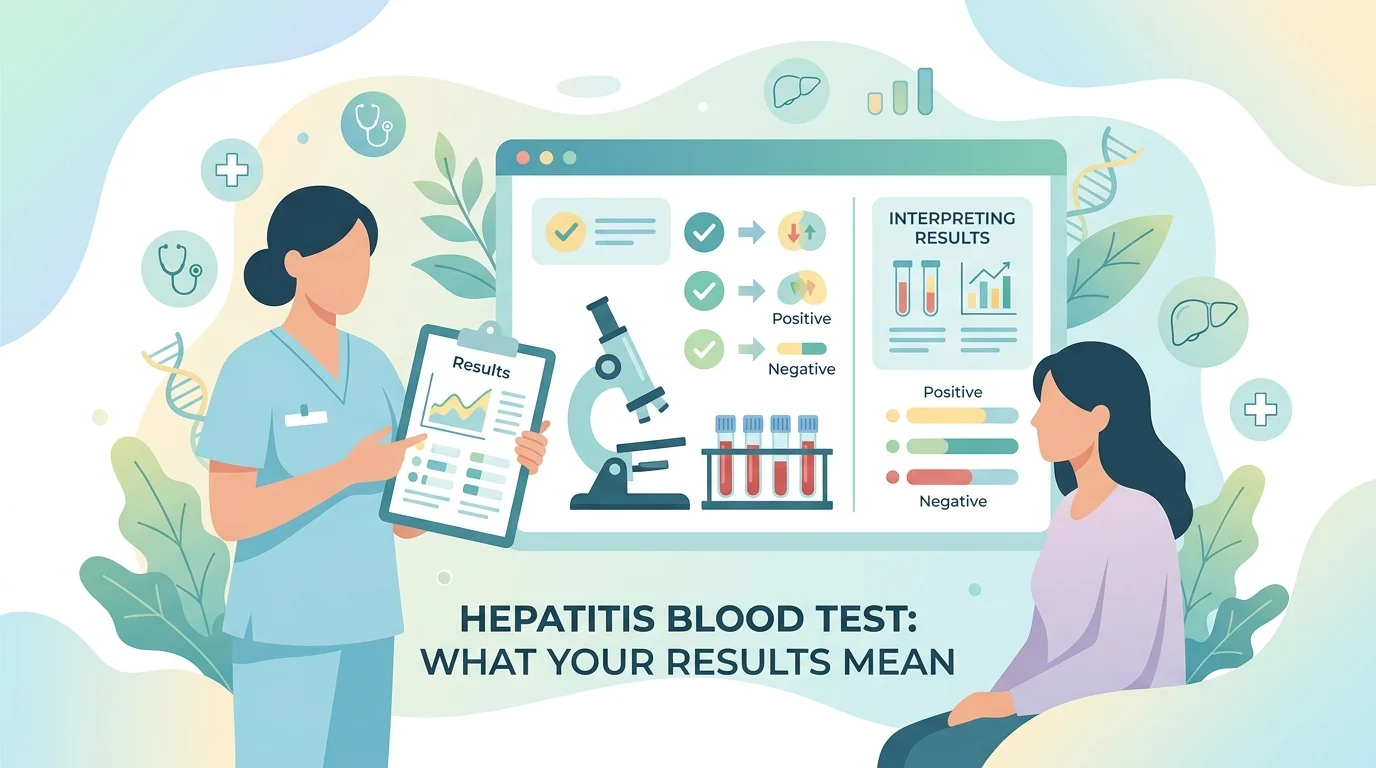
2023 से CDC ने सिफारिश की है कि 18 वर्ष और उससे अधिक आयु के सभी वयस्कों की हेपेटाइटिस बी की जाँच कम से कम एक बार ट्रिपल पैनल से की जाए — पुराने एकल-टेस्ट तरीके की जगह। इसके तीन हिस्से तीन अलग-अलग सवालों के जवाब देते हैं, और केवल तीनों मिलकर ही पूरी तस्वीर बताते हैं। हेपेटाइटिस बी सरफेस एंटीजन (Hepatitis B Surface Antigen), यानी HBsAg— यह वायरस के बाहरी आवरण का एक हिस्सा है: अगर यह मौजूद है, तो वायरस भी मौजूद है। हेपेटाइटिस बी कोर एंटीजन के खिलाफ कुल एंटीबॉडी (Total Anti-HBc) वायरस से वास्तविक संपर्क का स्थायी निशान है, और यह केवल टीकाकरण (Vaccination) के बाद कभी नहीं बनता। हेपेटाइटिस बी सरफेस एंटीजन के खिलाफ एंटीबॉडी (Anti-HBs) वह सुरक्षात्मक एंटीबॉडी है जो संक्रमण से ठीक होने या सफल वैक्सीन सीरीज़ के बाद बनती है।
| HBsAg | Total Anti-HBc | Anti-HBs | इसका क्या मतलब है |
|---|---|---|---|
| नकारात्मक | नकारात्मक | नकारात्मक | कभी संक्रमित नहीं हुए और सुरक्षित भी नहीं हैं; टीकाकरण के बारे में डॉक्टर से बात करना उचित है |
| नकारात्मक | नकारात्मक | सकारात्मक | टीकाकरण से प्राप्त प्रतिरक्षा (Immunity) |
| नकारात्मक | सकारात्मक | सकारात्मक | पुराना संक्रमण, अब ठीक हो चुका है, प्राकृतिक प्रतिरक्षा के साथ |
| सकारात्मक | सकारात्मक | नकारात्मक | सक्रिय संक्रमण (Active Infection), एक्यूट या क्रोनिक; विशेषज्ञ से परामर्श ज़रूरी |
| नकारात्मक | सकारात्मक | नकारात्मक | केवल कोर एंटीबॉडी पॉज़िटिव (Isolated Core Antibody): घटती प्रतिरक्षा, छिपा हुआ संक्रमण (Occult Infection) या गलत पॉज़िटिव (False Positive); स्पष्टीकरण आवश्यक |
दो बातें ध्यान में रखने योग्य हैं। एक आश्वस्त करने वाला Anti-HBs स्तर हेपेटाइटिस सी या हेपेटाइटिस ए के बारे में कुछ नहीं बताता — ये अलग वायरस हैं और इनके लिए अलग टेस्ट होते हैं। और केवल Anti-HBc पॉज़िटिव आना कोई ऐसा नतीजा नहीं है जिसे नज़रअंदाज़ किया जाए: यह ठीक वही पैटर्न है जिसके लिए किसी डॉक्टर की व्याख्या ज़रूरी है, न कि सर्च इंजन की।
हेपेटाइटिस सी (Hepatitis C) की जाँच दो चरणों में होती है
CDC हेपेटाइटिस सी की जाँच की सिफारिश 18 वर्ष और उससे अधिक आयु के हर वयस्क के लिए एक बार, और हर गर्भावस्था के दौरान भी करती है। इस जाँच में HCV एंटीबॉडी (HCV Antibodies), और एक सकारात्मक परिणाम (Positive Result) केवल आधे सवाल का जवाब देता है। एंटीबॉडी (Antibodies) जीवन भर बनी रहती हैं, जिनमें उन लगभग चार में से एक व्यक्ति की भी शामिल हैं जो वायरस को अपने आप साफ कर लेते हैं। यह पुष्टि करने के लिए कि संक्रमण अभी भी सक्रिय है या नहीं, HCV RNA टेस्ट की जरूरत होती है, जिसे कभी-कभी वायरल लोड (Viral Load) भी कहते हैं। एंटीबॉडी पॉजिटिव और RNA नेगेटिव का मतलब है पुराना, ठीक हो चुका संक्रमण। एंटीबॉडी पॉजिटिव और RNA पॉजिटिव का मतलब है सक्रिय हेपेटाइटिस C (Hepatitis C), जो आज कुछ महीनों की मौखिक दवाओं के कोर्स से अधिकांश मामलों में पूरी तरह ठीक हो सकता है। स्क्रीनिंग टेस्ट के बाद पुष्टिकारक टेस्ट की यही प्रक्रिया कई अन्य संक्रमणों पर भी लागू होती है, जिनमें शामिल हैं HIV.
हाल के विज्ञान से आपके लिए क्या बदलता है
तीन निष्कर्ष WHO के संदेश को ऐसी चीज़ में बदलते हैं जिस पर आप कार्रवाई कर सकते हैं। पहला, जर्मनी में प्राथमिक देखभाल पर किए गए एक बड़े अध्ययन में 21,000 से अधिक मरीजों को सामान्य जांच के दौरान हेपेटाइटिस B और C की सीरोलॉजी (Serology) की पेशकश की गई। जो लोग पॉजिटिव पाए गए, उनमें से हेपेटाइटिस B के 85% और हेपेटाइटिस C के 65% मामले पहले से बिल्कुल अज्ञात थे। स्क्रीनिंग संदेह की पुष्टि नहीं करती, बल्कि नई जानकारी सामने लाती है। दूसरा, 2026 में बेलग्रेड में किए गए एक जनसंख्या सर्वेक्षण ने यह दर्शाया कि लोग क्या मानते हैं और उनका खून क्या बताता है, इनके बीच कितना अंतर है: 1.1% प्रतिभागियों ने हेपेटाइटिस B का इतिहास बताया, जबकि 8.7% लोगों के खून में वायरस के संपर्क का जैविक निशान मौजूद था। तीसरा, एक अंतरराष्ट्रीय समीक्षा ने हेपेटाइटिस C के लिए एक सरल लेकिन प्रभावी तरीके का मूल्यांकन किया जिसे रिफ्लेक्स टेस्टिंग (Reflex Testing) कहते हैं — इसमें एंटीबॉडी टेस्ट पॉजिटिव आते ही प्रयोगशाला उसी खून के नमूने पर RNA टेस्ट अपने आप कर देती है, बिना दूसरी अपॉइंटमेंट या दूसरे खून के नमूने की जरूरत के। इस तरीके से स्पष्ट रूप से उन मरीजों की संख्या बढ़ती है जो वास्तव में अपना पुष्टिकारक परिणाम प्राप्त करते हैं, और प्रतीक्षा का समय हफ्तों से घटकर एक दिन से भी कम हो जाता है। व्यावहारिक सलाह सीधी है: यदि आपका HCV एंटीबॉडी टेस्ट पॉजिटिव है, तो पूछें कि क्या उसी नमूने पर RNA टेस्ट पहले ही किया जा चुका है — बजाय इसके कि आप किसी फॉलो-अप विजिट का इंतजार करें जो बहुत से लोग कभी करते ही नहीं। आर्थिक मॉडलिंग भी यही दिशा दिखाती है: सभी वयस्कों के लिए एक बार हेपेटाइटिस B की स्क्रीनिंग न केवल प्रभावी है, बल्कि संभवतः लागत की भी बचत करती है — और यही तर्क CDC की मौजूदा सिफारिश के पीछे है।
टेस्ट कैसे करवाएं
बस पूछना ही सबसे जरूरी कदम है। हेपेटाइटिस सीरोलॉजी (Hepatitis Serology) सामान्य वार्षिक शारीरिक जांच या व्यापक ब्लड पैनल (Comprehensive Blood Panel), इसलिए इसे नाम से मांगना होगा: हेपेटाइटिस B ट्रिपल पैनल (Hepatitis B Triple Panel), और हेपेटाइटिस C एंटीबॉडी विद रिफ्लेक्स टू RNA (Hepatitis C Antibody with Reflex to RNA)। CDC स्पष्ट रूप से कहता है कि जो भी व्यक्ति हेपेटाइटिस B की जांच करवाना चाहता है, उसे यह जांच मिलनी चाहिए — चाहे वह कोई जोखिम कारक बताए या न बताए, क्योंकि जोखिम से जुड़े सवाल कलंक पैदा करते हैं और अविश्वसनीय होते हैं। खून का नमूना लेना एक सामान्य प्रक्रिया है, इसके लिए खाली पेट रहने की जरूरत नहीं है, और इसे अन्य नियमित रक्त परीक्षण (Routine Blood Work)के साथ भी करवाया जा सकता है। परिणाम आमतौर पर कुछ दिनों में आ जाते हैं, जो अधिकांश लैब परीक्षणों (Lab Tests)के समान समय-सीमा में होता है। और यदि आपके एंजाइम (Enzymes) बिना किसी स्पष्ट कारण के बढ़े हुए हैं, तो फैटी लिवर रोग (Fatty Liver Disease)पर निर्णय लेने से पहले वायरल हेपेटाइटिस (Viral Hepatitis) को औपचारिक रूप से खारिज करना जरूरी है — जो अब असामान्य लिवर संख्याओं का सबसे सामान्य कारण बन चुका है।
शब्दकोष
- सीरोलॉजी (Serology): एक रक्त परीक्षण जो वायरल एंटीजन (Viral Antigens) या उनके विरुद्ध बने एंटीबॉडी (Antibodies) की जांच करता है, ताकि यह पता चल सके कि संक्रमण हुआ है या नहीं।
- HBsAg: हेपेटाइटिस B सरफेस एंटीजन (Hepatitis B Surface Antigen), वायरस की बाहरी परत का एक हिस्सा; इसकी उपस्थिति का अर्थ है कि वायरस शरीर में मौजूद है।
- Anti-HBc: हेपेटाइटिस B कोर (Hepatitis B Core) के विरुद्ध एंटीबॉडी, जो वास्तविक संक्रमण का आजीवन संकेतक है और केवल टीकाकरण से कभी नहीं बनता।
- Anti-HBs: सुरक्षात्मक हेपेटाइटिस B एंटीबॉडी, जो संक्रमण से ठीक होने के बाद या सफल टीकाकरण श्रृंखला के बाद मौजूद होती है।
- HCV RNA या वायरल लोड (Viral Load): एक परीक्षण जो वायरस की अपनी आनुवंशिक सामग्री की जांच करता है, यह जानने के लिए कि संक्रमण अभी भी सक्रिय है या नहीं।
- रिफ्लेक्स टेस्टिंग (Reflex Testing): एक व्यवस्था जिसमें स्क्रीनिंग परीक्षण पॉजिटिव आने पर लैब स्वचालित रूप से मूल नमूने पर पुष्टिकारक परीक्षण करती है।
अक्सर पूछे जाने वाले प्रश्नों
क्या नियमित रक्त परीक्षण में हेपेटाइटिस की जांच शामिल होती है?
नहीं। नियमित पैनल लिवर एंजाइम (Liver Enzymes) मापते हैं, वायरस नहीं। हेपेटाइटिस सीरोलॉजी (Hepatitis Serology) को विशेष रूप से ऑर्डर करना होता है। यदि आपकी रिपोर्ट में HBsAg, Anti-HBc और Anti-HBs, या HCV एंटीबॉडी (HCV Antibody) की लाइन नहीं दिखती, तो इसका मतलब है कि स्क्रीनिंग की गई ही नहीं।
मेरे लिवर एंजाइम सामान्य हैं, तो क्या मैं हेपेटाइटिस को खारिज कर सकता/सकती हूं?
नहीं। क्रोनिक हेपेटाइटिस B और C अक्सर वर्षों तक ALT और AST को सामान्य सीमा (Reference Range) में रखते हुए चलते रहते हैं। यह अपवाद नहीं, बल्कि नियम है — और यही कारण है कि स्क्रीनिंग लिवर पैनल की बजाय सीरोलॉजी पर निर्भर करती है।
पॉजिटिव Anti-HBs और नेगेटिव Anti-HBc का क्या मतलब है?
यह संयोजन आमतौर पर टीकाकरण से मिली प्रतिरक्षा को दर्शाता है: शरीर ने वायरस से कभी सामना किए बिना ही सुरक्षात्मक एंटीबॉडी बना ली। यह पूरी तरह टीकाकृत वयस्क में अपेक्षित परिणाम है और इसके लिए किसी आगे की कार्रवाई की जरूरत नहीं है।
संयुक्त राज्य अमेरिका में हेपेटाइटिस की स्क्रीनिंग किसे करवानी चाहिए?
CDC की सिफारिश है कि 18 वर्ष और उससे अधिक आयु के हर वयस्क की एक बार ट्रिपल पैनल (Triple Panel) से हेपेटाइटिस बी (Hepatitis B) की जांच और एक बार हेपेटाइटिस सी (Hepatitis C) की जांच की जाए, साथ ही हर गर्भावस्था के दौरान भी हेपेटाइटिस सी की स्क्रीनिंग की जाए। जिन लोगों को लगातार संक्रमण का खतरा रहता है — जैसे इंजेक्शन से नशीली दवाएं लेने का इतिहास, डायलिसिस (Dialysis) पर होना, या किसी संक्रमित व्यक्ति के साथ रहना — उनकी समय-समय पर जांच होनी चाहिए।
सूत्रों का कहना है
- विश्व स्वास्थ्य संगठन, यूरोप क्षेत्रीय कार्यालय। विश्व हेपेटाइटिस दिवस 2026: यूरोप में हेपेटाइटिस के खिलाफ प्रगति, लेकिन लाखों लोग अभी भी निदान और उपचार से वंचित। 28 जुलाई 2026। who.int/europe
- विश्व स्वास्थ्य संगठन। वैश्विक हेपेटाइटिस रिपोर्ट 2026। who.int/publications
- विश्व स्वास्थ्य संगठन। हेपेटाइटिस उन्मूलन के प्रयासों से लाभ मिल रहा है, लेकिन 2030 के लक्ष्यों को पूरा करने के लिए और कदम उठाने की जरूरत है। अप्रैल 2026। who.int/news
- रोग नियंत्रण और रोकथाम केंद्र (Centers for Disease Control and Prevention)। हेपेटाइटिस बी के लिए क्लिनिकल परीक्षण और निदान। cdc.gov
- रोग नियंत्रण और रोकथाम केंद्र (Centers for Disease Control and Prevention)। हेपेटाइटिस सी के लिए क्लिनिकल स्क्रीनिंग और निदान। cdc.gov
- Conners EE, Panagiotakopoulos L, Hofmeister MG, et al. हेपेटाइटिस बी वायरस संक्रमण के लिए स्क्रीनिंग और परीक्षण: CDC की सिफारिशें, संयुक्त राज्य अमेरिका, 2023। MMWR Recommendations and Reports, 2023;72(1):1-25। cdc.gov/mmwr
- Wolffram I, Petroff D, Bätz O, et al. प्राथमिक देखभाल सेटिंग में बढ़े हुए ALT मान, HBsAg और anti-HCV की व्यापकता तथा दिशानिर्देश-परिभाषित हेपेटाइटिस जोखिम परिदृश्यों का मूल्यांकन। Journal of Hepatology, 2015। consensus.app
- Tao Y, Tang W, Fajardo E, et al. प्रारंभिक पॉजिटिव हेपेटाइटिस सी वायरस एंटीबॉडी परीक्षण के बाद रिफ्लेक्स हेपेटाइटिस सी वायरस वायरल लोड परीक्षण: एक वैश्विक व्यवस्थित समीक्षा और मेटा-विश्लेषण। Clinical Infectious Diseases, 2023। consensus.app
- Toy M, Hutton D, Harris AM, et al. संयुक्त राज्य अमेरिका में वयस्कों में क्रोनिक हेपेटाइटिस बी संक्रमण के लिए एक बार की सार्वभौमिक स्क्रीनिंग की लागत-प्रभावशीलता। Clinical Infectious Diseases, 2021। consensus.app
- Popova AY, Olkhovskaya AY, Dragačević L, et al. बेलग्रेड, सर्बिया में हेपेटाइटिस बी वायरस के प्रति जनसंख्या प्रतिरक्षा और संक्रमण मार्कर सेरोप्रिवेलेंस। Frontiers in Public Health, 2026;14:1819814 (PubMed के माध्यम से)। doi.org/10.3389/fpubh.2026.1819814
अग्रिम पठन
- HBs एंटीजन (HBs Antigen): यह हेपेटाइटिस बी मार्कर क्या दर्शाता है
- Anti-HCV: हेपेटाइटिस सी स्क्रीनिंग को समझें
- लिवर फंक्शन टेस्ट (Liver Function Tests) की सरल व्याख्या
- ALT (SGPT): आपका लिवर एंजाइम क्या बताता है
- कम्प्रिहेंसिव ब्लड पैनल (Comprehensive Blood Panel) में वास्तव में क्या शामिल होता है
AI DiagMe के साथ अपनी रिपोर्ट को समझें
हेपेटाइटिस पैनल (Hepatitis Panel) इस बात का एक अच्छा उदाहरण है कि कुछ रिपोर्टें लाइन-दर-लाइन नहीं पढ़ी जा सकतीं: HBsAg, anti-HBc और anti-HBs का अर्थ तभी समझ में आता है जब इन्हें एक साथ देखा जाए। AI DiagMe आपको यह समझने में मदद करता है कि आपके सभी मार्कर (Markers) मिलकर क्या कह रहे हैं, आपके लिवर एंजाइम (Liver Enzymes) को सही संदर्भ में रखता है, और आपको अगली डॉक्टर की मुलाकात के लिए सही सवालों के साथ तैयार करता है। यह टूल आपको अपने परिणाम समझने में सहायता करता है — यह न तो कोई निदान (Diagnosis) करता है और न ही आपके डॉक्टर की जगह लेता है। कुछ ही मिनटों में अपनी रिपोर्ट समझें.