العلاقة بين سن اليأس وسكر الدم أوثق مما تُخبَر به معظم النساء. دراسة نُشرت في 4 أغسطس 2026 في سن اليأس، المجلة العلمية لجمعية انقطاع الطمث، وجدت أن النساء المصابات بداء السكري من النوع الثاني أو مقدمات السكري أفدن بعدد أكبر من أعراض انقطاع الطمث وبشدة أعلى مقارنةً بالنساء اللواتي كان مستوى سكر الدم لديهن طبيعيًا. ما يجعل هذه النتيجة عملية هو أسلوب تصنيف الباحثين للمشاركات: لم يعتمدوا على تشخيص مُدوَّن في ملف طبي، بل على قيمتين مخبريتين اعتياديتين — سكر الدم الصيامي وHbA1c. في هذا المقال ستتعرف على ما كشفته الدراسة فعلًا، والفحوصات التي تقف وراء هذين الرقمين، وكيفية قراءتهما دون التسرع في الاستنتاجات.
ما الذي كشفته الدراسة الجديدة
درس الباحثون 296 امرأة كورية جنوبية تتراوح أعمارهن بين 40 و64 عامًا. خضعت كل مشاركة لقياس سكر الدم الصيامي وHbA1c، وصُنِّفت على هذا الأساس وحده إما في مجموعة السكري أو مجموعة غير السكري. ثم قُيِّمت أعراض انقطاع الطمث باستخدام استبيان معياري هو مؤشر أعراض المرأة في منتصف العمر (Midlife Women’s Symptom Index).
أفادت النساء في مجموعة السكري بأعراض أكثر وصنّفنها بوصفها أشد حدةً. ظل هذا الفارق قائمًا بعد أن أخذ الباحثون في الحسبان العوامل الأخرى التي قد تفسره. ثمة تفصيل مهم للتأويل: ظهر الفارق بوضوح لدى النساء اللواتي تجاوزن مرحلة انقطاع الطمث فعلًا، دون أن يظهر لدى من كنّ لا يزلن في مرحلة ما قبل انقطاع الطمث أو في مرحلة التحول حوله.
كانت هذه دراسةً مقطعيةً — لقطةٌ واحدة، في بلدٍ واحد، على أقل من 300 امرأة. وهي تُظهر ارتباطاً، لا سبباً مباشراً. فارتفاع سكر الدم قد يُفاقم الأعراض فعلاً؛ وشدة الأعراض قد تُعطّل النوم والعادات التي تُبقي الجلوكوز مستقراً؛ أو ربما يكون عاملٌ ثالث، كتراكم الدهون في منطقة البطن، هو المحرّك الحقيقي للأمرين معاً.
لماذا يؤثر كلٌّ من سن اليأس وسكر الدم في الآخر؟
يؤثر هرمون الإستروجين في طريقة تعامل الجسم مع الجلوكوز. ومع تراجع مستوياته خلال مرحلة الانتقال، تميل حساسية الأنسولين إلى الانخفاض، وتنتقل الدهون نحو منطقة البطن، وكثيراً ما تتجه ضغط الدم والدهون في اتجاهٍ غير مواتٍ. وتصف المراجعات العلمية لمرحلة انتقال سن اليأس هذه المجموعة من التغيرات باعتبارها عاملاً مستقلاً يُسهم في رفع خطر الإصابة بأمراض القلب والأوعية الدموية، بمعزلٍ عن التقدم في العمر وحده.
والعلاقة تسير في الاتجاهين. فالتعرق الليلي واضطراب النوم يرفعان هرمونات التوتر ويُقلّلان من تحمّل الجلوكوز في اليوم التالي. والوزن المتراكم حول الخصر يُفاقم مقاومة الأنسولين، وقد ارتبطت مقاومة الأنسولين بدورها بهبّات ساخنة أشد إزعاجاً. وقد تناول فريقنا من قبل موضوع مقاومة الأنسولين دون سمنة، الذي يُوضّح لماذا لا يعني الوزن الطبيعي استبعاد هذه المشكلة.
فحوصات الدم التي ترسم هذه الصورة
لا يوجد فحصٌ واحد يرصد صحة الأيض في منتصف العمر بشكلٍ كامل. الجدول أدناه يعرض ما يُقيّمه الأطباء عادةً معاً.
| امتحان | ما يقيسه | أهميته في مرحلة سن اليأس |
|---|---|---|
| سكر الدم الصائم | مستوى السكر في الدم بعد 8 ساعات أو أكثر من الصيام | فحص الكشف الأولي؛ يرصد مقدّمات السكري قبل ظهور الأعراض بوقتٍ طويل |
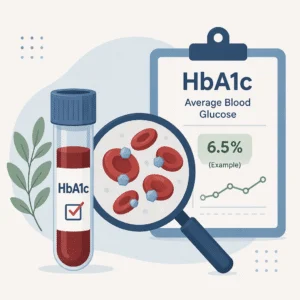
| الهيموجلوبين السكري (HbA1c) | متوسط سكر الدم على مدى ثلاثة أشهر تقريباً | لا يتأثر بوجبة الأمس؛ يُستخدم للتشخيص والمتابعة |
| الأنسولين الصيامي ومؤشر HOMA-IR | مدى جهد البنكرياس للحفاظ على مستوى طبيعي للجلوكوز | قد يتغير قبل ارتفاع الجلوكوز نفسه بسنوات |
| تحليل الدهون | الكوليسترول الضار (LDL) والكوليسترول النافع (HDL) والدهون الثلاثية | كثيراً ما يتدهور خلال مرحلة الانتقال، وغالباً دون أعراض |
| هرمون الغدة الدرقية (TSH) | وظيفة الغدة الدرقية | أمراض الغدة الدرقية تُحاكي أعراض سن اليأس: التعب، وتغيّر الوزن، وتقلبات المزاج، والتعرق |
| FSH والإستراديول | حالة هرمونات المبيض | مفيدٌ فقط حين تكون مرحلة سن اليأس غير واضحة فعلاً |
الصف الأخير يستحق تنبيهاً. يُشخَّص سن اليأس عادةً بناءً على الأعراض وتاريخ الدورة الشهرية، لا على فحص دم. ويُفصّل دليلنا لوحة هرمونات المرأة وما يعنيه كل نتيجة، وتتناول مقالة منفصلة مستويات الإستراديول عبر مراحل الدورة الشهرية.
كيف تقرأ نتائجك
سكر الدم الصيامي وHbA1c
تُحدّد مراكز السيطرة على الأمراض والوقاية منها (CDC) نفس الحدود الفاصلة للنساء في جميع الأعمار. فمستوى الجلوكوز الصيامي الذي يبلغ 99 ملغ/ديسيلتر أو أقل يُعدّ طبيعياً، ومن 100 إلى 125 ملغ/ديسيلتر يدل على مقدّمات السكري، أما 126 ملغ/ديسيلتر أو أعلى في فحصين منفصلين فيدل على السكري. وبالنسبة لـ HbA1c، فإن ما دون 5.7% طبيعي، ومن 5.7% إلى 6.4% يشير إلى مقدّمات السكري، و6.5% أو أعلى يشير إلى السكري. وتُوضّح صفحات المرجع لدينا مستويات سكر الدم الصيامي وكيفية قراءتها و نتائج HbA1c والمستويات المستهدفة.
مرحلة ما قبل السكري هي النطاق الأكثر أهمية هنا، لأنها شائعة وصامتة وقابلة للعكس. إذا أردت تحويل النسبة المئوية إلى رقم يومي مفهوم، فإننا ننشر جدول تحويل HbA1c إلى متوسط مستوى السكر في الدم.
نتيجة واحدة ليست تشخيصاً
قيمة مرتفعة واحدة قد تعكس عدوى، أو دورة علاج بالكورتيزون، أو أسبوعاً مجهداً، أو صياماً لم يُلتزم به. يعتمد التشخيص عادةً على نتيجتين غير طبيعيتين، أو نتيجة واحدة مصحوبة بأعراض واضحة. قبل موعدك مع الطبيب، راجع قواعد الصيام قبل إجراء فحص الدم، واطّلع على نظرتنا العامة حول فحوصات الدم لمرض السكري.
متى يجب إجراء الفحص، ومتى يجب زيارة الطبيب
توصي فرقة الخدمات الوقائية الأمريكية بإجراء فحص للكشف عن مقدمات السكري والسكري من النوع الثاني لدى البالغين الذين تتراوح أعمارهم بين 35 و70 عاماً ممن يعانون من زيادة الوزن أو السمنة، مع تكرار الفحص كل ثلاث سنوات تقريباً إذا كانت النتائج طبيعية. كثير من النساء في هذه الفئة العمرية يمررن أيضاً بمرحلة انتقال سن اليأس، مما يجعلها لحظة مناسبة للتحقق من الأمرين معاً.
احجز موعداً في أقرب وقت إذا لاحظت عطشاً غير معتاد، أو كثرة التبول، أو فقدان وزن غير مبرر، أو تشوشاً في الرؤية، أو جروحاً بطيئة الشفاء، أو التهابات متكررة. كذلك أخبر طبيبك إذا كانت الهبّات الساخنة أو التعب أو تقلبات المزاج تؤثر على حياتك اليومية، بصرف النظر عن قراءة الجلوكوز لديك — فهذه الأعراض تستحق العلاج بحد ذاتها.
أحدث التطورات العلمية
إليك ما تضيفه الأبحاث الحديثة بلغة بسيطة.
- دراسة عام 2026 المنشورة في سن اليأس هي الأولى التي تختبر هذا السؤال لدى النساء الكوريات في منتصف العمر. ما توصلت إليه: النساء اللواتي كانت قيم سكر الصيام وHbA1c لديهن ضمن نطاق السكري أفدن بأعراض أكثر لسن اليأس وأشد حدةً، خاصةً بعد انقطاع الطمث. ما يعنيه هذا بالنسبة لك: إذا كانت الأعراض أثقل مما توقعت، فمن المنطقي أن تطلب إجراء فحص استقلابي. النتيجة تمثل ارتباطاً من لقطة واحدة، لذا ينبغي قراءتها كإشارة لا كدليل قاطع.
- خلصت مراجعة عام 2024 لمرحلة انتقال سن اليأس إلى أن هذه المرحلة بحد ذاتها تُعيد تشكيل الصحة القلبية الاستقلابية — إذ تتغير تركيبة الجسم وضغط الدم والبروتينات الدهنية وحساسية الأنسولين. ما يعنيه هذا بالنسبة لك: الأرقام التي ظلت مستقرة لعشرين عاماً قد تتغير في الأربعينيات والخمسينيات دون أي تغيير في عاداتك، لذا فإن مقارنة نتائجك الحالية بنتائجك السابقة أكثر فائدةً من الاعتماد على لقطة واحدة.
- وصفت مراجعة عام 2023 للصحة الاستقلابية بعد انقطاع الطمث كيف تميل زيادة الوزن في منطقة البطن، وخلل الدهون الأثيروجيني — وهو نمط دهني يُهيئ لتراكم لويحات الشرايين — ومقاومة الأنسولين وارتفاع ضغط الدم إلى التراكم معاً. ما يعنيه هذا بالنسبة لك: من المفيد قراءة نتائج الجلوكوز و تحليل الدهون جنباً إلى جنب بدلاً من قراءة كل منهما على حدة.
- استعرضت مراجعة علمية عام 2025 العلاقة بين انقطاع الطمث والسكري، وكشفت عن كثير من الجوانب التي لا تزال غامضة، من بينها ما إذا كان انقطاع الطمث يرفع خطر الإصابة بالسكري بصورة مستقلة عن التقدم في العمر. ما يعنيه ذلك بالنسبة لك: كن حذرًا من الادعاءات القاطعة في أي من الاتجاهين؛ فالإجابة الصادقة اليوم هي أن الحالتين مرتبطتان، غير أن العلاقة السببية بينهما لم تُحسم بعد.
مسرد المصطلحات
| شرط | تعريف |
|---|---|
| الهيموجلوبين السكري (HbA1c) | الهيموغلوبين الغليكوزيلاتي. يعكس متوسط مستوى السكر في دمك على مدى نحو ثلاثة أشهر، ويُعبَّر عنه بنسبة مئوية. |
| مقدمات السكري | مستوى سكر في الدم أعلى من الطبيعي لكنه دون عتبة السكري. وغالبًا ما يكون قابلًا للعكس. |
| مقاومة الأنسولين | حالة تستجيب فيها الخلايا بشكل ضعيف للأنسولين، مما يضطر البنكرياس إلى إنتاج كميات أكبر منه للحفاظ على مستوى الغلوكوز طبيعيًا. |
| مرحلة ما قبل انقطاع الطمث | سنوات التقلبات الهرمونية التي تسبق توقف الدورة الشهرية نهائيًا. |
| مرحلة ما بعد انقطاع الطمث | المرحلة التي تبدأ بعد اثني عشر شهرًا من آخر دورة شهرية. |
| الأعراض الوعائية الحركية | المصطلح الطبي للهبّات الساخنة والتعرق الليلي. |
| دراسة مقطعية | دراسة تقيس كل شيء في لحظة زمنية واحدة. يمكنها إظهار الروابط، لكنها لا تُثبت الأسباب. |
| هوما-آي آر | درجة تُحسب من الغلوكوز الصيامي والأنسولين الصيامي، وتُستخدم لتقدير مقاومة الأنسولين. |
الأسئلة الشائعة
هل يُسبِّب انقطاع الطمث السكري؟
لا، لا يُسبِّب انقطاع الطمث السكري من تلقاء نفسه. غير أنه يتزامن مع تغيرات ترفع من الخطر: انخفاض حساسية الأنسولين، وزيادة الدهون في منطقة البطن، وتدهور مستوى الدهون في الدم. ويظل العمر والتاريخ العائلي والوزن والنشاط البدني العوامل الأكثر تأثيرًا. ولم يتمكن الباحثون حتى الآن من تحديد ما إذا كان انقطاع الطمث يُضيف خطرًا مستقلًا عن التقدم في العمر.
هل يمكن لارتفاع السكر في الدم أن يُسبِّب الهبّات الساخنة؟
ليس بشكل مباشر، ولم تُثبت أي دراسة أن خفض مستوى الغلوكوز يُزيل الهبّات الساخنة. ما تُشير إليه أبحاث عام 2026 هو أن النساء اللواتي تقع مستويات سكرهن في النطاق السكري يُبلِّغن عن أعراض أكثر بشكل عام وأشد حدةً. كما أن ضعف النوم والتعرق الليلي والتحكم في مستوى الغلوكوز تؤثر كل منها في الأخرى، مما يجعل أي تفسير بسيط أحادي الاتجاه أمرًا مستبعدًا.
أي فحص دم يُؤكِّد انقطاع الطمث؟
في الغالب لا يوجد فحص بعينه. فلدى النساء اللواتي تجاوزن الخامسة والأربعين ويُعانين من أعراض نموذجية وتغيرات في الدورة الشهرية، يُعدّ انقطاع الطمث تشخيصًا سريريًا. ويُحتفظ بفحصَي FSH والإستراديول للحالات غير الواضحة، كانقطاع الطمث قبل سن الخامسة والأربعين، أو بعد استئصال الرحم، أو حين يحتمل أن تكون الأعراض ناجمة عن سبب آخر. تجد في صفحتنا عن تحليل الهرمونات الأنثوية توضيحًا لمتى يُضيف كل فحص قيمةً تشخيصية.
هل يجب أن أفحص مستوى السكر في دمي عند انقطاع الطمث حتى لو كنت أشعر بحال جيدة؟
عادةً لا تظهر أعراض لمقدمات السكري، لذا فإن الشعور بحال جيدة لا يُخبرك بالكثير. إذا كنت في الفئة العمرية بين 35 و70 عامًا وتعاني من زيادة في الوزن، فإن الفحص الدوري موصى به بصرف النظر عن وضعك من انقطاع الطمث. أما خارج هذه الفئة، فناقش مع طبيبك مستوى خطرك الشخصي بدلًا من إجراء الفحص بشكل عشوائي.
هل يمكن للعلاج الهرموني أن يؤثر على نتائج فحص السكر لديك؟
ارتبط العلاج الهرموني لسن اليأس بتحسينات طفيفة في التحكم بمستويات الجلوكوز والدهون وفقاً لعدة مراجعات علمية، غير أنه لا يُوصف لعلاج السكري أو الوقاية منه. إذا كنت تتلقى العلاج الهرموني، فأخبر طبيبك بذلك عند إجراء تحاليل الدم، وناقش معه أي تغيير يطرأ على نتائجك.
هل أحتاج إلى الصيام قبل إجراء فحص HbA1c؟
لا. يعكس HbA1c متوسط مستوى الجلوكوز على مدى ثلاثة أشهر، لذا لا يؤثر تناول الطعام قبل الفحص على نتيجته. أما جلوكوز الصيام فيستلزم الصيام طوال الليل، وإذا طُلب الاثنان معاً فستُطلب منك عادةً الصيام قبل الفحص.
مصادر
- مراكز السيطرة على الأمراض والوقاية منها — فحص السكري، 2026 — https://www.cdc.gov/diabetes/diabetes-testing/index.html
- فرقة العمل الأمريكية للخدمات الوقائية — فحص مقدمات السكري والسكري من النوع الثاني — https://www.uspreventiveservicestaskforce.org/uspstf/recommendation/screening-for-prediabetes-and-type-2-diabetes
- National Institute on Aging, National Institutes of Health — ما هو انقطاع الطمث؟ — https://www.nia.nih.gov/health/menopause/what-menopause
- Yang YL, Kim Y, Shin Y — العلاقة بين داء السكري من النوع الثاني وأعراض انقطاع الطمث لدى النساء الكوريات في منتصف العمر — Menopause, 2026 — https://doi.org/10.1097/GME.0000000000002883
- Uddenberg ER et al. — مرحلة انتقال سن اليأس وخطر الإصابة بأمراض القلب والأوعية الدموية — Maturitas, 2024 — https://consensus.app/papers/details/c250d2e7f68a5a9199a4915caad89428/
- Anagnostis P et al. — صحة القلب والأوعية الدموية وسن اليأس والصحة الأيضية — Best Practice & Research Clinical Endocrinology & Metabolism, 2023 — https://consensus.app/papers/details/208a411e7a5953969637011e111e2176/
- Rodriguez CP et al. — سن اليأس والسكري: ارتباطات متشابكة للمخاطر — Endocrine Research, 2025 — https://consensus.app/papers/details/40d4ff0268835edfa802d75a2ba7ecdd/
للمزيد من القراءة
- أعراض سن اليأس ومراحله وطرق علاجه
- كيفية قراءة نتائج فحص الدم
- مؤشر HOMA-IR لمقاومة الأنسولين
- لوحة الاستقلاب الشاملة
- تحليل TSH في الدم ونتائج وظائف الغدة الدرقية
افهم نتائج مختبرك باستخدام AI DiagMe
نادراً ما تأتي نتائج تحاليل منتصف العمر مصحوبةً بشرح وافٍ. قد يقع مستوى جلوكوز الصيام في نطاق مقدمات السكري، أو يرتفع HbA1c تدريجياً، أو يُظهر FSH قيمةً لا تعني الكثير بمفردها — فكل رقم يكتسب معنىً أعمق حين يُقرأ جنباً إلى جنب مع الأرقام الأخرى. يحوّل AI DiagMe تقرير تحاليلك إلى لغة واضحة ومبسّطة، حتى تصل إلى موعدك القادم وأنت تعرف بالضبط أي النتائج تستحق النقاش. يساعدك على فهم تحاليلك، لكنه لا يشخّص ولا يُغني عن طبيبك.
احصل على تفسير نتائجك في دقائق