
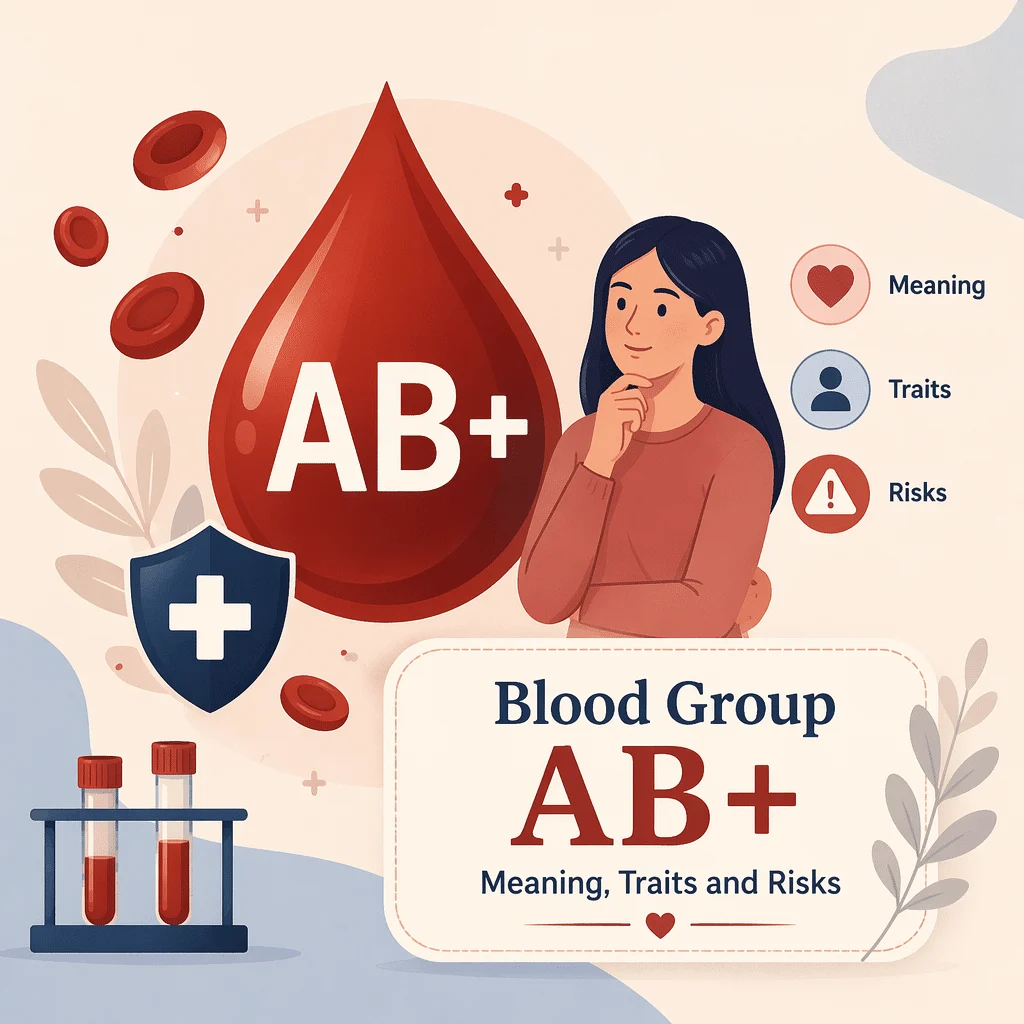
Grupa sanguină AB pozitiv este cel mai bine cunoscută pentru o trăsătură remarcabilă: persoanele care o au sunt receptori universali de globule roșii, putând primi globule roșii de la orice altă grupă sanguină. Celulele AB pozitiv poartă atât markerii A și B, cât și proteina Rh D, iar plasma nu conține de obicei anticorpi anti-A sau anti-B. Această combinație le oferă pacienților AB pozitiv cele mai largi opțiuni de transfuzie dintre toate grupele sanguine, influențează modul în care donațiile lor sunt cel mai bine utilizate și simplifică chiar o parte din îngrijirea în timpul sarcinii. Acest ghid se concentrează pe ceea ce este specific grupei AB pozitiv: ce înseamnă cu adevărat „receptor universal" și care sunt limitele sale, cât de frecventă este această grupă, profilul donatorului și rolul său în sarcină și sănătate. Pentru noțiunile de bază despre grupa AB, consultă ghidul nostru despre grupa sanguină AB; pentru versiunea Rh negativ, vezi AB negativ.
Ce înseamnă grupa sanguină AB pozitiv?
Grupa ta sanguină combină două sisteme. Sistemul ABO te clasifică drept A, B, AB sau O în funcție de markeri numiți antigene de pe globulele tale roșii, iar sistemul Rh adaugă eticheta pozitiv sau negativ în funcție de un alt marker, antigenul Rh D. Poți vedea cum se Sistemele de grupe sanguine ABO și Rh potrivesc toate cele opt grupe între ele.
În cazul grupei sanguine AB pozitiv, partea AB înseamnă că globulele tale roșii poartă atât antigenul A, cât și antigenul B, iar partea pozitiv înseamnă că poartă și antigenul Rh D. Deoarece celulele tale afișează deja A, B și Rh D, sistemul tău imunitar nu are niciun motiv să producă anticorpi anti-A sau anti-B, iar plasma ta este lipsită de aceștia.
Acest singur fapt — antigene prezente, anticorpi anti-A și anti-B absenți — este cel care conferă grupei AB pozitiv cele două caracteristici principale: cea mai largă compatibilitate cu globulele roșii dintre toate grupele și o plasmă valoroasă pentru o gamă largă de pacienți. Secțiunile următoare le explică pe ambele.
Grupa AB pozitiv pe scurt:
- Globulele roșii poartă antigenele A, B și Rh D.
- Plasma nu conține de obicei anticorpi anti-A sau anti-B.
- Receptor universal de globule roșii: poate primi globule roșii de la toate grupele ABO și Rh.
- Cea mai frecventă dintre cele două grupe AB, dar totuși rară în general.
- Globulele roșii AB pot fi donate doar altor receptori AB; plasma AB este potrivită pentru orice grupă ABO.
AB pozitiv: receptorul universal de globule roșii
Caracteristica definitorie a grupei sanguine AB pozitiv este că te face receptor universal pentru globulele roșii. Iată de ce. Din perspectiva sistemului ABO, celulele tale conțin deja atât antigenul A, cât și antigenul B, astfel că sistemul tău imunitar nu atacă celulele donatorilor de tip A sau B. Din perspectiva factorului Rh, ești Rh pozitiv, deci poți primi atât globule roșii Rh pozitiv, cât și Rh negativ. Combinând aceste două aspecte, un pacient AB pozitiv poate primi globule roșii de la toate cele opt grupe sanguine comune: A+, A−, B+, B−, AB+, AB−, O+ și O−.
Nicio altă grupă sanguină nu poate primi sânge de la toate celelalte grupe, motiv pentru care termenul de „receptor universal" este rezervat exclusiv grupei AB pozitiv. În practică, asta înseamnă că ai, de obicei, cel mai larg bazin de unități compatibile disponibile — un avantaj real în situații de urgență, intervenții chirurgicale sau orice situație în care sângele compatibil este insuficient.
Regulile privind plasma funcționează exact invers. Deoarece plasma AB nu conține anticorpi anti-A și anti-B, ea poate fi administrată receptorilor din orice grupă ABO, ceea ce face ca donatorii AB să fie donatori universali de plasmă. Contrastul cu grupa sanguină O este interesant: O negativ este donatorul universal de globule roșii, în timp ce AB este donatorul universal de plasmă.
| Componentă sanguină | AB pozitiv (AB+) poate primi de la | AB pozitiv (AB+) poate dona la |
|---|---|---|
| Globule roșii | Toate cele opt grupe: A+, A−, B+, B−, AB+, AB−, O+, O− | Doar AB+ |
| Plasmă | Plasmă AB | Orice tip ABO (AB este donatorul universal de plasmă) |
Ce nu înseamnă „receptor universal"
Termenul de receptor universal este util ca noțiune generală, nu ca permis fără restricții — câteva limite contează de fiecare dată.
În primul rând, spitalele îți determină în continuare grupa sanguină și efectuează o probă de compatibilitate — un test direct care amestecă o mostră de sânge de la donator și de la receptor — înainte de o transfuzie planificată. În al doilea rând, ABO și Rh nu sunt singurii markeri de pe globulele roșii; există zeci de antigene minore ale grupelor sanguine, iar o transfuzie anterioară sau o sarcină te pot determina să formezi anticorpi împotriva acestora. De aceea, screeningul de anticorpi pentru globulele roșii face parte din testele pre-transfuzionale chiar și pentru un pacient AB pozitiv. În al treilea rând, regula receptorului universal se aplică globulelor roșii; compatibilitatea plasmei și a trombocitelor urmează o logică proprie.
Pe scurt, faptul că ești AB pozitiv îți lărgește opțiunile, dar o transfuzie sigură depinde în continuare de testare, nu doar de grupă.
Cât de frecventă este grupa sanguină AB pozitiv?
Grupa sanguină AB pozitiv este relativ rară, deși este mai frecventă dintre cele două grupe AB. În multe populații, reprezintă un procent mic, de o singură cifră — mai mare decât AB negativ, care este de obicei sub un procent, dar mai mic decât grupele A, B și O pozitiv, care sunt mult mai răspândite. Poți citi despre varianta mai rară Rh negativ în ghidul nostru despre AB negativ.
Ca în cazul tuturor grupelor sanguine, proporțiile variază în funcție de origine etnică și geografie. Grupa AB este în general mai frecventă în unele zone din Asia de Est și de Sud decât în multe populații europene și africane, astfel că ponderea locală a grupei AB pozitiv diferă de la o regiune la alta. Centrele de transfuzie monitorizează aceste tipare pentru a menține stocuri echilibrate și pentru a anticipa care unități ar putea fi insuficiente.
În viața de zi cu zi, faptul că ești AB pozitiv schimbă puțin lucrurile. Grupa sanguină contează cel mai mult în momente specifice — când ai nevoie de o transfuzie, când donezi sânge sau când planifici o sarcină — situații în care particularitățile ei intră în joc.
Cum se moștenește grupa sanguină AB pozitiv?
Grupa sanguină AB pozitiv se moștenește prin două sisteme genetice separate. Pentru sistemul ABO, primești câte o alelă de la fiecare părinte. Alelele A și B sunt codominante, adică ambele se exprimă atunci când sunt prezente, astfel că moștenirea unei alele A de la un părinte și a unei alele B de la celălalt produce grupa sanguină AB.
Componenta „pozitiv" provine din gena RHD, care conține instrucțiunile pentru antigenul Rh D. Rh pozitiv este dominant: moștenirea unei singure copii funcționale a genei RHD, de la oricare dintre părinți, te face Rh pozitiv. Prin urmare, pentru a fi AB pozitiv, moștenești în general o alelă A și o alelă B pentru sistemul ABO, plus cel puțin o genă Rh pozitiv.
De aceea, grupa AB pozitiv poate apărea în familii ai căror părinți nu sunt AB, și de aceea un copil Rh pozitiv se poate naște dintr-un părinte care poartă în mod silențios o genă Rh negativ. Istoricul familial oferă indicii, dar numai testarea de laborator confirmă grupa ABO și Rh reală a unei persoane. Poți compara comportamentul grupelor parentale în ghidurile noastre despre grupa sanguină A și grupa sanguină B.
Să fii donator cu grupa sanguină AB pozitiv
Există o imagine în oglindă interesantă față de povestea donatorului universal. Deși pacienții AB pozitiv pot primi globule roșii de la oricine, donatorii AB pozitiv pot oferi globule roșii unui număr foarte mic de persoane: doar alți primitori AB pozitiv le pot accepta, deoarece globulele roșii AB poartă atât antigenul A, cât și antigenul B, la care celelalte grupe ar reacționa. Astfel, ca donator de globule roșii, AB pozitiv este grupa cu cea mai limitată utilizare.
Plasma este domeniul în care donatorii AB excelează. Deoarece plasma AB nu conține anticorpi anti-A sau anti-B, poate fi transfuzată pacienților cu orice grupă ABO, adesea în situații de urgență, înainte ca tipizarea completă să fie finalizată. Din acest motiv, serviciile de transfuzie îi îndrumă frecvent pe donatorii AB spre donarea de plasmă, iar plasma AB este permanent solicitată. Plasma AB contribuie, de asemenea, la stocurile utilizate atunci când pacienții au nevoie de plasmă înainte ca propria lor grupă să fie determinată.
Dacă ai grupa sanguină AB pozitiv și vrei ca donația ta să ajute cât mai mulți oameni, întreabă serviciul local de transfuzie despre donarea de plasmă. Înainte de orice donație, trebuie să hemoleucogramă completă și nivelul hemoglobinei sunt verificate pentru a confirma că ești apt(ă) să donezi.
AB pozitiv și sarcina
Sarcina este, de obicei, mai simplă pentru persoanele cu grupa sanguină AB pozitiv decât pentru cele cu Rh negativ, iar motivul este tocmai statusul Rh pozitiv. Deoarece porți deja antigenul Rh D, organismul tău nu va fi sensibilizat de un bebeluș Rh pozitiv, astfel că, în general, nu ai nevoie de imunoglobulină anti-D (imunoglobulină Rh) pentru propriul tău status Rh — injecția preventivă pe care o primesc mamele Rh negative. Prezentarea generală a Sistemul Rh explică această diferență mai detaliat.
Din perspectiva sistemului ABO, mamele AB nu au în mod natural anticorpi anti-A și anti-B, astfel că boala hemolitică a nou-născutului legată de incompatibilitatea ABO — când anticorpii mamei atacă globulele roșii ale bebelușului — apare rar în cazul unei mame AB. Incompatibilitatea ABO este cel mai frecvent o problemă atunci când mama are grupa O.
Nimic din toate acestea nu elimină necesitatea îngrijirilor de rutină. Orice sarcină include determinarea grupei sanguine și un test de screening pentru anticorpi, de obicei de la început, deoarece o persoană poate purta în continuare alți anticorpi eritrocitari dintr-o transfuzie sau sarcină anterioară, care ar putea afecta bebelușul. Vezi cum se încadrează acestea în calendarul de analize de sânge din timpul sarcinii, și spune întotdeauna echipei tale de îngrijire prenatală grupa ta sanguină.
AB pozitiv și sănătatea ta
În sine, grupa sanguină AB pozitiv nu cauzează boli. Ca și alte grupe non-O, AB a fost studiată în legătură cu mici diferențe în riscul de îmbolnăvire. În medie, grupele sanguine non-O — inclusiv AB — prezintă niveluri mai ridicate ale unor proteine de coagulare, cum ar fi factorul von Willebrand și factorul VIII, ceea ce poate crește ușor tendința de a forma cheaguri de sânge față de grupa O. Rezultatele privind infecțiile și anumite tipuri de cancer sunt mixte și modeste.
Acestea sunt medii statistice la nivel de populație, nu predicții personale, iar amploarea oricărui risc suplimentar este mică față de factorii pe care îi poți controla. Menținerea unui stil de viață activ, renunțarea la fumat, controlul tensiunii arteriale și monitorizarea colesterol ridicat influențează sănătatea ta pe termen lung mult mai mult decât grupa sanguină. Dacă medicul tău evaluează riscul cardiovascular, un panel de markeri cardiaci îi spune mult mai multe decât simpla cunoaștere a grupei ABO și a tipului Rh.
Cum să profiți la maximum de faptul că ești AB pozitiv
Știind că ai grupa sanguină AB pozitiv, poți transforma caracteristicile acesteia în câteva obiceiuri simple și practice.
- Păstrează liniștea în perspectivă. Ca recipient universal de globule roșii, ai opțiuni largi de transfuzie, dar echipa medicală va determina în continuare grupa și va efectua testul de compatibilitate încrucișată, așa că notează-ți grupa sanguină într-un document medical sau în ID-ul medical de pe telefon oricum.
- Donează acolo unde ajuți cel mai mult. Dacă ești eligibil, ia în considerare donarea de plasmă, deoarece plasma AB poate ajuta pacienți de orice grupă sanguină, în timp ce globulele roșii AB pozitiv ajung la un grup mai restrâns de pacienți.
- Planifică sarcina fără griji legate de Rh. Faptul că ești Rh pozitiv înseamnă că, în general, nu vei avea nevoie de injecții cu anti-D, dar mergi în continuare la consultațiile prenatale pentru determinarea grupei sanguine și screeningul anticorpilor.
- Împărtășește istoricul tău medical. Spune echipei medicale despre orice transfuzii anterioare, sarcini sau anticorpi cunoscuți, deoarece acestea pot influența modul în care sângele tău este compatibilizat, în ciuda etichetei de „recipient universal".
Dacă ai un buletin de analize recent și vrei să înțelegi grupa ta sanguină alături de restul rezultatelor, ghidul nostru despre cum să citești rezultatele analizelor de sânge explică pas cu pas. Și contactează medicul tău imediat dacă suspectezi o reacție la transfuzie sau dacă ți se spune că screeningul de anticorpi a ieșit pozitiv.
Glosar
| Termen | Definiție |
|---|---|
| Sistemul de grupe sanguine ABO | Principalul sistem care clasifică sângele în grupele A, B, AB și O pe baza antigenelor A și B. |
| Testul de screening al anticorpilor | Un test de laborator care verifică plasma pentru anticorpi neașteptați ce ar putea reacționa împotriva globulelor roșii ale donatorului sau ale fătului. |
| Antigen | Un marker de pe suprafața globulelor roșii pe care sistemul imunitar îl folosește pentru a distinge celulele proprii de cele străine. |
| Testul de compatibilitate (crossmatch) | Un test de laborator direct care amestecă sângele donatorului cu cel al primitorului pentru a confirma compatibilitatea înainte de transfuzie. |
| Boala hemolitică a nou-născutului (HDN) | O afecțiune în care anticorpii mamei traversează placenta și distrug globulele roșii ale bebelușului. |
| Antigenul Rh D | O proteină de pe globulele roșii care face sângele Rh pozitiv când este prezentă și Rh negativ când este absentă. |
| Imunoglobulina Rh (anti-D) | O injecție preventivă administrată persoanelor Rh negativ, în principal în sarcină, pentru a preveni formarea de anticorpi anti-D. |
| Donator universal de plasmă | O persoană al cărei plasmă nu conține anticorpi anti-A și anti-B, astfel că poate fi donată oricărui grup ABO; persoanele cu sânge de tip AB. |
| Recipient universal | O persoană care poate primi globule roșii de la orice grupă ABO și Rh; persoanele cu sânge AB pozitiv. |
| Factorul von Willebrand | O proteină de coagulare a sângelui care tinde să fie mai ridicată la grupele sanguine non-O, inclusiv AB. |
Întrebări frecvente
Este AB pozitiv recipient universal pentru orice?
Nu pentru orice — termenul se aplică globulelor roșii. Deoarece celulele AB pozitiv poartă antigenele A, B și Rh D, iar plasma nu conține anticorpi anti-A și anti-B, un pacient AB pozitiv poate primi globule roșii de la orice grupă ABO și Rh. Transfuziile de plasmă și trombocite urmează reguli diferite de compatibilizare, deci „recipient universal" nu se extinde la toate produsele de sânge. Și chiar și pentru globulele roșii, echipa medicală îți determină în continuare grupa sanguină și efectuează o probă de compatibilitate, deoarece antigenele minore din afara sistemelor ABO și Rh pot provoca uneori reacții. Această etichetă îți lărgește opțiunile; nu înlocuiește testarea.
Poate sângele AB pozitiv să primească sânge O negativ?
Da. Globulele roșii O negativ nu poartă antigenele A, B sau Rh D, deci sunt compatibile cu orice grupă sanguină, inclusiv AB pozitiv. De fapt, O negativ este sângele de urgență administrat înainte ca grupa pacientului să fie confirmată. Ca recipient AB pozitiv, poți primi și unități O pozitiv, A, B și AB, indiferent dacă sunt Rh pozitiv sau Rh negativ — tocmai asta te face recipient universal de globule roșii. Echipa medicală confirmă în continuare fiecare compatibilitate prin determinarea grupei și o probă de compatibilitate atunci când timpul permite.
De ce nu poate sângele AB pozitiv să doneze globule roșii altor grupe sanguine?
Deoarece globulele roșii AB poartă atât antigenul A, cât și antigenul B. O persoană cu grupa A are anticorpi anti-B, una cu grupa B are anticorpi anti-A, iar una cu grupa O are ambii, astfel că sistemul lor imunitar ar ataca globulele roșii AB. Aceasta limitează donarea de globule roșii AB pozitiv doar la primitori AB pozitiv. Este compromisul din spatele statutului de primitor universal: poți primi sânge de la oricine, dar globulele tale roșii se potrivesc foarte puțini. Plasma ta, în schimb, poate ajuta pacienți cu orice grupă ABO.
Este AB pozitiv o grupă de sânge rară?
AB pozitiv este neobișnuit, dar este mai frecvent dintre cele două tipuri AB. Apare de obicei la un procent mic, cu o singură cifră, din populație — mai des decât AB negativ, care se situează în general sub un procent, dar mai rar decât grupele A, B și O pozitiv, care sunt mai frecvente. Cifrele exacte variază în funcție de origine etnică și regiune. Deci, deși AB pozitiv nu se numără printre cele mai comune grupe de sânge, este departe de a fi cea mai rară. Să știi exact ce grupă ai contează mai mult pentru îngrijirea ta decât locul pe care îl ocupă în clasamentul rarității.
Are nevoie o mamă AB pozitiv de injecția anti-D (RhoGAM) în sarcină?
De obicei nu, în ceea ce privește propriul statut Rh. Imunoglobulina anti-D (adesea numită RhoGAM) se administrează mamelor Rh negativ pentru a le preveni formarea de anticorpi anti-D împotriva unui bebeluș Rh pozitiv. Deoarece o mamă AB pozitiv este deja Rh pozitiv, acel risc specific nu se aplică, astfel că injecția de rutină anti-D nu este în general necesară. Chiar și așa, orice sarcină include determinarea grupei sanguine și un test de screening pentru anticorpi, deoarece alți anticorpi față de globulele roșii pot fi totuși prezenți. Medicul tău adaptează monitorizarea în funcție de situația ta.
Poate o persoană AB pozitiv să doneze sânge unui pacient AB negativ?
Nu pentru globulele roșii. Globulele roșii AB pozitiv poartă antigenul Rh D, iar administrarea de celule Rh pozitiv unui primitor Rh negativ îl poate determina să formeze anticorpi anti-D, astfel că globulele roșii AB pozitiv merg doar la primitori AB pozitiv. O persoană AB negativ ar trebui să primească globule roșii Rh negativ. Regulile pentru plasmă sunt diferite, deoarece plasma AB nu conține anticorpi anti-A și anti-B și poate fi utilizată pe scară largă. Ca întotdeauna, serviciul de transfuzie confirmă compatibilitatea prin determinarea grupei sanguine și un test de compatibilitate încrucișată înainte de orice transfuzie.
Surse
- Johns Hopkins Medicine — Transfuziile de sânge la adulți
- Cleveland Clinic — Transfuzia de sânge
- MedlinePlus (NIH) — Testul de screening pentru anticorpi față de globulele roșii
Lectură suplimentară
- Grupa sanguină AB: semnificație, caracteristici și riscuri pentru sănătate
- Grupa de sânge AB negativ: semnificație, raritate și riscuri
- Înțelegerea sistemului Rh
- Grupa sanguină O: semnificație, riscuri și beneficii
- Cele patru grupe sanguine ABO explicate
Înțelege-ți rezultatele analizelor cu AI DiagMe
Rezultatul tău AB pozitiv este o singură linie dintr-un buletin de analize care, de obicei, conține mult mai multe informații. AI DiagMe poate citi restul rezultatelor tale și le poate explica pe înțelesul tău — de la grupa sanguină și statusul Rh, până la un test de anticorpi, o hemogramă completă sau un profil lipidic pentru evaluarea riscului cardiovascular. Transformă abrevierile și cifrele dense în informații clare și utile și îți sugerează întrebări pe care să le adresezi medicului tău. AI DiagMe te ajută să îți înțelegi rezultatele; nu pune diagnostice și nu înlocuiește medicul. Încarcă buletinul tău de analize pentru a afla ce înseamnă rezultatele tale.
➡️ Obține interpretarea rezultatelor în câteva minute