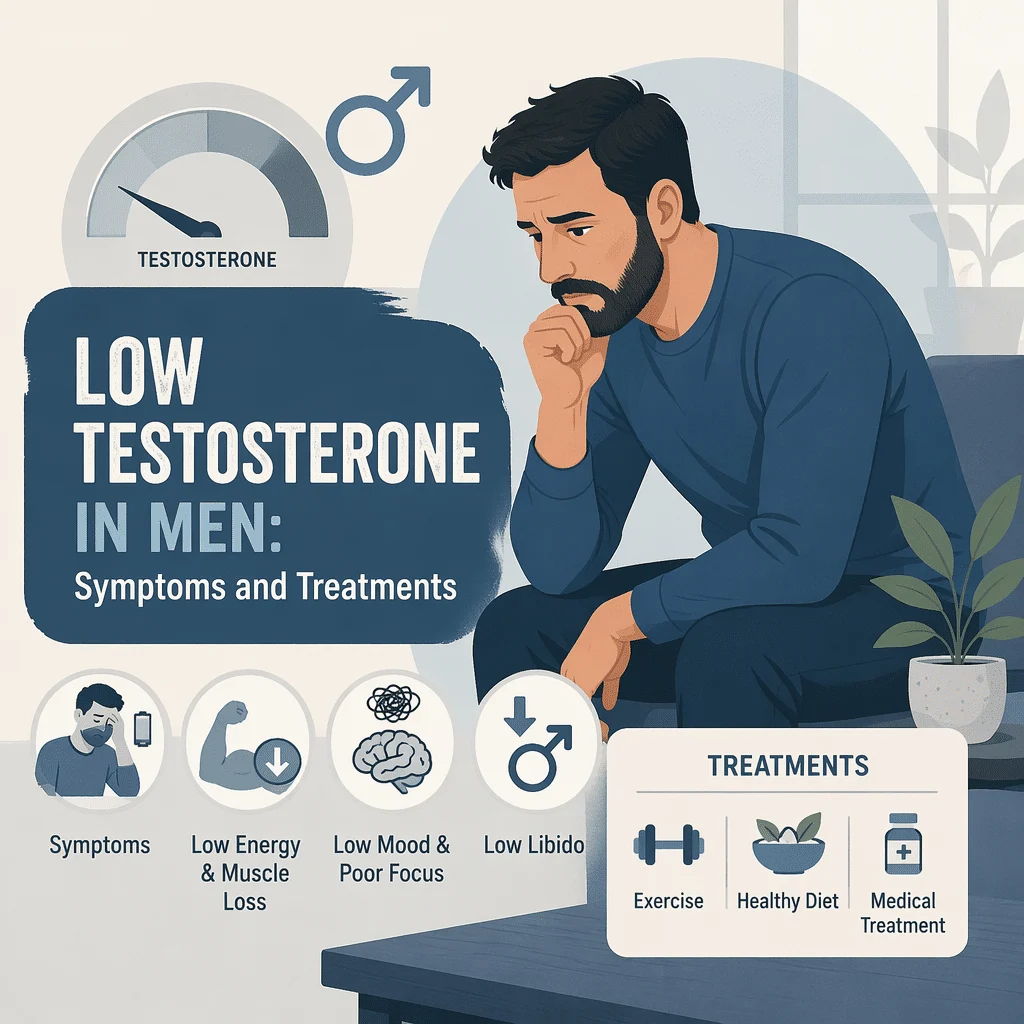
Testosteronul scăzut la bărbați este ușor de suspectat, dar surprinzător de greu de confirmat. Testosteronul urmează un ritm zilnic, astfel că același bărbat poate avea o valoare normală la ora 8 dimineața și una scăzută la ora 4 după-amiaza. Prin urmare, o singură determinare — mai ales una de după-amiază — nu spune prea mult. Ghidurile medicale cer două probe de dimineață cu valori scăzute, recoltate în zile diferite, înainte ca termenul de hipogonadism să fie folosit.
În acest articol vei afla cum funcționează de fapt testul de testosteron, de ce contează atât de mult momentul recoltării și repetarea analizei, ce înseamnă testosteronul total și cel liber și de ce SHBG le influențează, cum diferențiază medicii o problemă testiculară de una hipofizară, care simptome indică cu adevărat diagnosticul, care cauze reversibile merită identificate mai întâi și ce presupune tratamentul, inclusiv efectul său asupra fertilității.
Ce face testosteronul și ce măsoară analiza de sânge
Testosteronul este principalul androgen la bărbați. Cea mai mare parte este produsă de celulele Leydig din testicule, la comanda a doi hormoni hipofizari: hormonul luteinizant (LH) și hormonul foliculostimulant (FSH). LH stimulează producția de testosteron; FSH susține producția de spermatozoizi alături de aceasta. Acest lanț, care pornește de la hipotalamus, trece prin hipofiză și ajunge la testicule, se numește axa hipotalamo-hipofizo-gonadală, iar o disfuncție la orice nivel al său poate reduce valoarea finală.
Nivelurile prea ridicate contează și ele: vezi de ce testosteronul și ritmul cardiac sunt legate la ambele capete ale intervalului.
Testosteronul susține masa musculară și osoasă, producția de globule roșii, dorința sexuală, funcția erectilă și dezvoltarea caracterelor masculine la pubertate. Și femeile îl produc, dar în cantități mult mai mici, motiv pentru care testosteronul crescut la femei este o întrebare clinică separată. Un standard test de sânge pentru testosteron măsoară testosteronul total: tot ce circulă în sânge, atât legat, cât și liber. Această valoare este punctul de plecare al oricărei evaluări, dar singură răspunde la mai puține întrebări decât se așteaptă majoritatea oamenilor.
De ce momentul recoltării și repetarea analizei contează mai mult decât cifra în sine
Testosteronul are un ritm diurn pronunțat. Nivelurile ating vârful dimineața devreme și scad pe parcursul zilei, iar la bărbații tineri această scădere poate fi suficient de mare încât același individ să treacă de la o valoare normală la una scăzută în mai puțin de 24 de ore. Contează și alimentația: o masă, în special una bogată în zahăr, reduce testosteronul circulant câteva ore. Din ambele motive, proba trebuie recoltată dimineața, de regulă înainte de ora 10, și după un post de peste noapte.
A doua regulă este cea mai des ignorată. Un rezultat scăzut nu înseamnă un diagnostic. Atât Endocrine Society, cât și American Urological Association recomandă confirmarea unei prime valori scăzute printr-o a doua probă de dimineață, recoltată într-o zi separată, înainte de a pune diagnosticul de hipogonadism. Actualizarea din 2025 a Asociației Europene de Urologie adoptă aceeași poziție. Marele studiu de siguranță TRAVERSE a aplicat acest standard la recrutare: bărbații trebuiau să aibă două determinări de testosteron scăzut, pe nemâncate, pentru a fi incluși.
Există un motiv practic pentru repetarea testului. Testosteronul variază de la o zi la alta la același bărbat, metodele de laborator diferă, iar o boală trecătoare, un șir de nopți cu somn prost sau o săptămână stresantă pot scădea un singur rezultat. Un al doilea test de dimineață elimină o mare parte din rezultatele fals pozitive. Explică, de asemenea, de ce un rezultat obținut dintr-un centru walk-in sau printr-un kit de recoltare la domiciliu, recoltat la prânz, nu trebuie tratat niciodată ca un verdict.
Testosteronul total, testosteronul liber și de ce contează SHBG
Cea mai mare parte a testosteronului din sânge nu este liberă să acționeze. O proporție importantă este legată strâns de globulina care leagă hormonii sexuali (SHBG), iar o mare parte din rest este legată slab de albumină. Doar o mică fracțiune circulă liberă. Testosteronul liber este tocmai această fracțiune nelegată și este cea mai strâns corelată cu ceea ce experimentează efectiv țesuturile corpului.
SHBG explică foarte multe rezultate confuze. Orice crește SHBG — inclusiv îmbătrânirea, hipertiroidismul, bolile hepatice și estrogenul — ridică testosteronul total fără a crește neapărat fracțiunea liberă. Orice scade SHBG — inclusiv obezitatea, rezistența la insulină și diabetul zaharat de tip 2, un hipotiroidismul, glucocorticoizii și sindromul nefrotic, scad testosteronul total, în timp ce fracția liberă poate rămâne aproape de normal.
De aceea testosteronul liber este considerat un test de linie a doua, utilizat atunci când testosteronul total se situează aproape de pragul diagnostic sau când SHBG este probabil modificat. Este un criteriu de departajare, nu o primă măsurătoare de rutină. În majoritatea laboratoarelor, el este calculat pe baza testosteronului total, SHBG și albuminei, nu măsurat direct, iar aceste calculatoare nu sunt standardizate între centre, astfel că un testosteron liber la limită merită interpretat cu atenție, nu acceptat ca atare.
Simptome: care indică un testosteron scăzut și care nu
Simptomele se împart în două grupe foarte diferite, iar confundarea lor este cel mai frecvent motiv pentru care bărbații sunt testați inutil.
Semnele mai specifice sunt reducerea sau absența erecțiilor matinale, o scădere clară a dorinței sexuale, pierderea părului de pe corp și față, testicule mici sau în scădere de volum, dezvoltarea țesutului mamar (ginecomastie), bufeuri și infertilitate. Când problema debutează înainte de pubertate, la această listă se adaugă dezvoltarea sexuală incompletă. Aceste manifestări cresc cu adevărat probabilitatea de hipogonadism și sunt cele despre care medicul va întreba cel mai atent.
Semnele nespecifice sunt cele pe care bărbații le observă efectiv: oboseală, dispoziție scăzută, concentrare slabă, scăderea forței, creștere în greutate și somn întrerupt. Fiecare dintre ele se suprapune în mare măsură cu apneea obstructivă în somn, depresia, bolile tiroidiene, anemia, diabetul slab controlat, efectele secundare ale medicamentelor și pur și simplu lipsa somnului. Din cauza acestei suprapuneri, Societatea de Endocrinologie recomandă să nu se măsoare testosteronul la bărbații care prezintă doar simptome nespecifice, deoarece majoritatea valorilor scăzute descoperite astfel reflectă, de fapt, altceva.
Disfuncția erectilă se află la mijloc între cele două grupuri. Testosteronul scăzut poate reduce dorința sexuală și poate contribui la probleme de erecție, însă bolile vasculare, diabetul, medicamentele și factorii psihologici cauzează mult mai multe cazuri, astfel că un rezultat scăzut al testosteronului rareori explică singur problema.
Hipogonadismul primar sau secundar și testele care le diferențiază
Odată confirmate două valori scăzute ale testosteronului matinal, următoarea întrebare este unde se află cauza. LH și FSH răspund la această întrebare, motiv pentru care sunt măsurate împreună cu testosteronul, nu ulterior.
În hipogonadismul primar, problema se află la nivelul testiculelor. Testosteronul este scăzut, în timp ce LH și FSH sunt crescute, deoarece hipofiza trimite semnale intense către o glandă care nu poate răspunde. Cauzele includ sindromul Klinefelter, orhita urliană, traumatismele sau torsiunea testiculară, criptorhidia, chimioterapia și radioterapia.
În hipogonadismul secundar, denumit uneori hipogonadism central, problema constă în semnal. Testosteronul este scăzut, iar LH și FSH sunt scăzute sau inadecvat normale, adică valori aparent normale care ar fi trebuit să crească ca răspuns. Cauzele includ tumorile hipofizare, hiperprolactinemia, opioidele, glucocorticoizii, supraîncărcarea cu fier, obezitatea severă, utilizarea steroizilor anabolizanți și bolile grave.
Când tabloul clinic sugerează o cauză centrală, de obicei urmează investigații suplimentare: prolactină, studii ale fierului, inclusiv saturația transferinei pentru a depista hemocromatoza, ceilalți hormoni hipofizari și un RMN hipofizar atunci când prolactina este crescută, testosteronul este foarte scăzut sau există dureri de cap ori modificări de vedere. O spermogramă este adăugată când fertilitatea este preocuparea principală.
| Tipul rezultatului | Ce indică | Pasul următor obișnuit |
|---|---|---|
| O singură valoare scăzută recoltată după-amiaza | Foarte puțin relevantă în sine; ritmul circadian zilnic poate explica singur această valoare | Repetă recoltarea dimineața, pe nemâncate, înainte de ora 10 |
| Două valori matinale scăzute cu LH și FSH crescute | O cauză testiculară, cunoscută sub numele de hipogonadism primar | Examinare clinică și, acolo unde este indicat, testare genetică sau analiză a spermei |
| Două valori matinale scăzute cu LH și FSH scăzute sau inadecvat normale | O cauză hipofizară sau hipotalamică, cunoscută sub numele de hipogonadism secundar | Prolactină, sideremie și feritină, ceilalți hormoni hipofizari și RMN hipofizar acolo unde este indicat |
| Testosteron total scăzut, dar testosteron liber normal | Adesea o stare cu SHBG scăzut, cum ar fi obezitatea sau rezistența la insulină, mai degrabă decât o deficiență reală | Discută cu un medic despre SHBG, greutate, controlul glicemiei și medicamentele actuale |
Cauze reversibile care merită identificate înainte de tratament
O parte semnificativă a valorilor scăzute are o cauză care poate fi tratată, iar identificarea ei schimbă ce urmează. Excesul de greutate este cel mai important factor individual în majoritatea clinicilor: țesutul adipos transformă testosteronul în estrogen și scade SHBG, iar pierderea în greutate ridică adesea nivelul de testosteron fără niciun tratament hormonal. Apneea obstructivă în somn netratată, consumul excesiv de alcool și orice boală acută din săptămânile precedente suprimă și ele axa hormonală.
Medicamentele reprezintă următoarea categorie. Opioidele pe termen lung și glucocorticoizii sunt cauze bine cunoscute de supresie centrală. La fel și utilizarea steroizilor anabolizanți, fie că este actuală sau din urmă cu ani, iar acest lucru merită declarat sincer, deoarece schimbă complet interpretarea rezultatelor. Prolactina crescută, cauzată de un adenom hipofizar sau de anumite medicamente, este o altă cauză care poate fi tratată în sine, iar supraîncărcarea cu fier poate afecta atât hipofiza, cât și testiculele.
Nimic din toate acestea nu este un motiv pentru a opri sau modifica din proprie inițiativă un medicament prescris. Opioidele, glucocorticoizii și alte tratamente sunt prescrise din motive importante, iar numai medicul prescriptor poate cântări compromisurile necesare. Pasul util este să îi spui medicului tău tot ce iei, inclusiv orice produs cumpărat fără prescripție, pentru ca rezultatul să fie interpretat în context.
Ce presupune tratamentul și întrebarea despre fertilitate
Terapia de substituție cu testosteron este un tratament prescris bărbaților cu un diagnostic confirmat de hipogonadism. Decizia aparține medicului, după ce diagnosticul a fost stabilit pe baza unor probe matinale repetate și după ce au fost luate în considerare cauzele reversibile. Nu este un tratament pentru energie, anti-îmbătrânire sau performanță. Administrația pentru Alimente și Medicamente din SUA (FDA) precizează că produsele cu testosteron sunt aprobat doar pentru bărbații cu niveluri scăzute de testosteron asociate cu o afecțiune medicală, cum ar fi o tulburare a testiculelor, hipotalamusului sau hipofizei.
Cel mai important aspect de înțeles înainte de a începe tratamentul este fertilitatea. Testosteronul administrat din exterior suprimă LH și FSH, ceea ce duce la scăderea concentrațiilor de testosteron din interiorul testiculelor și afectează producția de spermatozoizi; unii bărbați încetează complet să producă spermatozoizi. Producția revine de obicei după oprirea tratamentului, dar ritmul de recuperare variază mult de la o persoană la alta și nu este garantat. Orice bărbat care ar putea dori copii, acum sau în viitor, ar trebui să ridice această problemă înainte de prima prescripție, nu după, pentru a putea discuta opțiunile care protejează fertilitatea.
Tratamentul presupune, de asemenea, monitorizare continuă, nu o singură prescripție. Deoarece testosteronul stimulează producția de globule roșii, hematocritul este verificat pentru policitemie, o concentrare excesivă a sângelui. Evaluarea prostatei, inclusiv PSA acolo unde este cazul, sunt urmărite și simptomele, tensiunea arterială și apneea în somn. Întrebarea privind siguranța cardiovasculară a fost studiată direct și este abordată în secțiunea de mai jos.
Deoarece atât testarea, cât și tratamentul depind de confirmarea corectă a diagnosticului și de urmărirea lui în timp, această activitate revine unui medic care poate solicita testele repetate potrivite, poate interpreta LH, FSH și SHBG alături de rezultat și poate monitoriza tratamentul dacă acesta este inițiat.
Când să mergi la medic pentru testosteron scăzut
Programează-te la medic dacă ai simptome specifice, cum ar fi o scădere clară a dorinței sexuale, absența erecțiilor matinale, micșorarea testiculelor, sensibilitate sau mărire a sânilor, pierderea părului corporal sau dificultăți în a concepe. Adu cu tine orice rezultate anterioare, inclusiv ora la care au fost recoltate, și o listă cu medicamentele tale.
Consultă un medic de urgență, fără să aștepți o programare de rutină, dacă ai: durere sau umflătură testiculară bruscă sau severă; o masă la nivelul sânului; dureri de cap noi însoțite de vedere încețoșată sau îngustată; pierderea părului de pe corp cu slăbiciune marcată sau amețeli; sau secreție lăptoasă din mamelon. Acestea pot indica probleme care necesită evaluare rapidă, inclusiv o tumoare hipofizară sau o afecțiune testiculară.
Cele mai recente progrese științifice în testarea și tratamentul testosteronului
Studiul TRAVERSE, publicat în New England Journal of Medicine în 2023, a randomizat peste cinci mii de bărbați de vârstă mijlocie și vârstnici cu simptome de hipogonadism, două valori scăzute ale testosteronului à jeun și fie boală cardiacă existentă, fie un risc cardiovascular ridicat. Gelul cu testosteron nu a fost mai rău decât placebo pentru rezultatul combinat de deces cardiovascular, infarct miocardic non-fatal și accident vascular cerebral non-fatal. Grupul tratat cu testosteron a prezentat mai multe cazuri de fibrilație atrială, leziuni renale acute și embolie pulmonară. Ce înseamnă asta pentru tine: principala întrebare cardiovasculară a primit un răspuns destul de liniștitor, dar nu perfect, iar studiul a inclus bărbați cu un diagnostic confirmat corespunzător, nu bărbați care luau testosteron pentru oboseală.
O analiză din 2026 publicată în Kardiologia Polska a sintetizat dovezile din studii randomizate și din practica reală privind acele semnale non-cardiace, alături de răspunsul autorităților de reglementare. Aceasta raportează că avertismentul încadrat referitor la evenimentele cardiovasculare majore a fost eliminat de pe etichetele produselor cu testosteron, în timp ce un avertisment la nivel de clasă privind creșterea tensiunii arteriale a fost adăugat pe baza studiilor de monitorizare ambulatorie. Ce înseamnă asta pentru tine: atenția privind siguranța s-a mutat de la infarct și accident vascular cerebral la efecte asupra ritmului cardiac, rinichilor, coagulării și tensiunii arteriale — toate monitorizabile. Notă privind fiabilitatea: aceasta este o analiză narativă, nu o meta-analiză, iar mai multe dintre semnale provin din date observaționale, unde alte diferențe între pacienți pot distorsiona imaginea.
O recenzie din 2025 publicată în Nature Reviews Urology a analizat terapia de substituție cu testosteron și producția de spermatozoizi la bărbații de vârstă reproductivă. Androgenii administrați din exterior suprimă gonadotropinele LH și FSH, reduc drastic testosteronul din interiorul testiculului și afectează spermatogeneza, adică procesul prin care se formează spermatozoizii. Recuperarea după oprirea tratamentului este, de obicei, posibilă, dar urmează un calendar extrem de variabil, ceea ce poate complica planificarea familială; autorii descriu testosteronul exogen ca fiind contraindicat la bărbații care încearcă să conceapă un copil. Ce înseamnă asta pentru tine: acesta este, fără îndoială, cel mai puțin comunicat risc al tratamentului cu testosteron și ar trebui discutat înainte de prima prescripție.
O recenzie din 2024 publicată în Current Opinion in Endocrinology, Diabetes and Obesity a analizat testosteronul liber calculat, valoarea pe care majoritatea laboratoarelor o estimează, nu o măsoară direct. Aceasta confirmă că îmbătrânirea și obezitatea influențează atât testosteronul total, cât și SHBG, că un testosteron liber scăzut poate apărea chiar și atunci când testosteronul total este normal și că testosteronul liber este cel mai util ca verificare de a doua linie, ajutând la evitarea atât a diagnosticului greșit, cât și a supratratamentului. Ce înseamnă asta pentru tine: dacă rezultatele pentru testosteronul total și cel liber par să nu coincidă, aceasta este o situație recunoscută, nu o eroare de laborator. Notă privind fiabilitatea: autorii subliniază că formulele de calcul al testosteronului liber nu sunt standardizate, deci valorile obținute sunt aproximative.
O dezbatere din 2025 publicată în Journal of Clinical Endocrinology and Metabolism a evidențiat cât de nerezolvată este cu adevărat această problemă. Un specialist a susținut că evaluarea precisă a testosteronului liber este utilă și susținută de dovezi; celălalt a argumentat că ipoteza de bază este deficitară și că testosteronul liber nu poate fi măsurat în mod fiabil în practica obișnuită. Ce înseamnă asta pentru tine: tratează un testosteron liber la limită ca pe o singură informație de discutat, nu ca pe un verdict, și așteaptă-te ca un medic bun să îl cântărească împreună cu simptomele tale, cu SHBG-ul tău și cu rezultatele repetate de dimineață.
Întrebări frecvente
Testosteronul scăzut provoacă oboseală?
Poate, dar oboseala în sine este un indiciu slab. Oboseala este unul dintre cele mai nespecifice simptome din medicină și se suprapune cu apneea în somn, depresia, bolile tiroidiene, anemia, glicemia prost controlată, efectele medicamentelor și somnul insuficient. Majoritatea bărbaților testați doar pentru oboseală și care prezintă valori scăzute au o altă explicație pentru cum se simt. De aceea, Societatea de Endocrinologie recomandă să nu se măsoare testosteronul la bărbații ale căror singure acuze sunt nespecifice. Dacă oboseala este problema ta principală, o evaluare mai largă este de obicei mai utilă decât un panel hormonal.
Va afecta terapia cu testosteron fertilitatea mea?
Da, și acesta este cel mai important lucru de discutat înainte de a începe. Testosteronul administrat din exterior oprește semnalele hipofizare LH și FSH, ceea ce scade concentrațiile de testosteron din interiorul testiculelor și afectează producția de spermatozoizi. Unii bărbați încetează să mai producă spermatozoizi măsurabili. Producția de spermatozoizi revine de obicei după oprirea tratamentului, dar intervalul de timp variază considerabil de la o persoană la alta, iar recuperarea completă nu este garantată, mai ales după o utilizare îndelungată. Studiile de specialitate descriu testosteronul exogen ca fiind contraindicat bărbaților care încearcă să conceapă un copil. Dacă îți dorești copii la un moment dat, menționează acest lucru înainte de prima prescripție, pentru a putea discuta alternative.
Funcționează stimulentele de testosteron?
Suplimentele pentru creșterea testosteronului disponibile fără prescripție sunt suplimente alimentare, nu medicamente, și nu sunt supuse standardelor impuse medicamentelor eliberate pe bază de rețetă. Dovezile că acestea cresc în mod semnificativ testosteronul la bărbații cu o deficiență confirmată sunt slabe, ingredientele și dozele variază de la un produs la altul, iar unele au fost găsite cu hormoni nedeclarați. De asemenea, nu fac nimic în privința cauzelor care contează cu adevărat, cum ar fi excesul de greutate, apneea în somn, alcoolul sau o problemă hipofizară. Dacă testosteronul tău este cu adevărat scăzut, pasul util este o evaluare diagnostică completă la un medic, nu un supliment.
Poate testosteronul scăzut cauza depresie?
Starea proastă este frecventă la bărbații cu hipogonadism confirmat, dar relația funcționează în ambele sensuri și poate fi ușor interpretată greșit. Depresia în sine poate suprima axa hormonală, iar ambele afecțiuni au factori comuni, precum somnul deficitar, bolile cronice, alcoolul și obezitatea. Un rezultat scăzut al testosteronului la un bărbat cu simptome depresive nu demonstrează că hormonul este cauza. Depresia trebuie evaluată și tratată în mod independent, iar rezultatele testosteronului interpretate alături de ea, nu în locul ei. Spune-i medicului tău despre ambele, pentru ca niciuna să nu fie trecută cu vederea.
Sunt simptomele diferite la bărbații mai tineri?
Simptomele specifice sunt aceleași, dar contextul diferă. La un bărbat de douăzeci sau treizeci de ani, un nivel cu adevărat scăzut de testosteron este mai puțin probabil să fie legat de vârstă și mai probabil să aibă o cauză identificabilă, astfel că necesită o evaluare completă, nu simple reasigurări. Utilizarea steroizilor anabolizanți, trecută sau prezentă, este o explicație frecventă, alături de obezitate, opioide, prolactină crescută și probleme hipofizare. Fertilitatea este, de asemenea, mai des o preocupare imediată, ceea ce influențează ce opțiuni de tratament sunt potrivite. Aceeași regulă se aplică: două probe matinale cu valori scăzute înainte de orice diagnostic.
Poate testosteronul scăzut cauza disfuncție erectilă?
Testosteronul scăzut afectează în principal dorința sexuală, nu mecanica erecției. Poate contribui la probleme erectile, iar reducerea erecțiilor matinale este unul dintre semnele mai specifice, însă bolile vasculare, diabetul, tensiunea arterială crescută, medicamentele, fumatul și factorii psihologici explică o proporție mult mai mare din cazuri. Disfuncția erectilă poate fi, de asemenea, un semn precoce al bolilor cardiovasculare, deci merită o evaluare corespunzătoare, nu doar un test hormonal. Corectarea unei deficiențe confirmate de testosteron nu rezolvă în mod sigur disfuncția erectilă prin ea însăși.
Glosar de termeni cheie
| Termen | Definiție |
|---|---|
| Testosteronul | Principalul hormon sexual masculin, produs în cea mai mare parte în testicule, care susține masa musculară, oasele, globulele roșii, dorința sexuală și dezvoltarea masculină. |
| Hipogonadism | Un diagnostic clinic care combină simptomele cu un nivel persistent scăzut al testosteronului, confirmat pe probe matinale repetate. |
| Testosteron total | Tot testosteronul circulant în sânge, atât cel legat de proteine, cât și cel liber. Măsurătoarea standard de primă linie. |
| Testosteron liber | Fracțiunea mică neîncorporată, folosită ca verificare secundară atunci când testosteronul total este la limită sau când SHBG este probabil modificat. |
| SHBG | Globulina care leagă hormonii sexuali, proteina care transportă cea mai mare parte a testosteronului în sânge și influențează valoarea totală în sus sau în jos. |
| LH și FSH | Hormonii hipofizari care stimulează testiculele. Modelul lor ajută la diferențierea unei cauze testiculare de una hipofizară. |
| Hipogonadism primar | Testosteron scăzut care apare la nivelul testiculelor, cu LH și FSH crescute ca răspuns. |
| Hipogonadism secundar | Testosteron scăzut cauzat de hipofiza sau hipotalamus, cu LH și FSH scăzute sau inadecvat normale. |
| Ritm diurn | Variația zilnică a nivelurilor hormonale. Testosteronul atinge valoarea maximă dimineața devreme și scade pe parcursul zilei. |
| Policitemia | O concentrare excesivă a sângelui, urmărită prin hematocrit, pe care tratamentul cu testosteron o poate provoca. |
Surse
- Administrația SUA pentru Alimente și Medicamente (FDA) — Informații despre testosteron
- Enciclopedia medicală MedlinePlus (Biblioteca Națională de Medicină a SUA) — Hipogonadism
- Schwartz J. Male Hypogonadism. StatPearls, NCBI Bookshelf, US National Library of Medicine
- Lincoff AM, Bhasin S, Flevaris P, et al. Cardiovascular Safety of Testosterone-Replacement Therapy. New England Journal of Medicine, 2023 (TRAVERSE)
- Szarpak L, Maslyk M, Kaminska H, et al. Testosterone replacement therapy and non-major adverse cardiovascular event safety signals. Kardiologia Polska, 2026
- Naelitz BD, Momtazi-Mar L, Vallabhaneni S, et al. Testosterone replacement therapy and spermatogenesis in reproductive age men. Nature Reviews Urology, 2025
- Nyamaah JA, Narinx N, Antonio L, Vanderschueren D. Use of calculated free testosterone in men: advantages and limitations. Current Opinion in Endocrinology, Diabetes and Obesity, 2024
- Anawalt BD, Handelsman DJ. Debate About the Free Testosterone Hypothesis: Useful Tool or Misguided Mirage? Journal of Clinical Endocrinology and Metabolism, 2025
Lectură suplimentară
- Hemoleucograma completă: înțelege-ți rezultatele
- Glicemia à jeun: ghid complet pentru înțelegerea valorilor
- Estradiolul: un marker hormonal esențial
- Testosteron crescut la bărbați: simptome, cauze și tratamente
- Testosteron scăzut la femei: cauze, simptome și tratamente
Înțelege-ți rezultatele analizelor cu AI DiagMe
Un rezultat al testosteronului rareori stă singur. Trebuie citit alături de LH, FSH și SHBG, și raportat la ora la care a fost recoltat sângele. AI DiagMe transformă aceste cifre în limbaj simplu, ca să poți vedea ce s-a măsurat și ce mai trebuie verificat. Te ajută să îți înțelegi rezultatele; nu pune niciun diagnostic și nu înlocuiește medicul tău.
Obține interpretarea rezultatelor în câteva minute