

























Glicemia à jeun este unul dintre cele mai frecvente analize de sânge recomandate, și pe bună dreptate: este principalul instrument de screening pentru prediabet și diabet de tip 2. Dacă un rezultat recent de laborator arată această valoare, probabil te întrebi ce înseamnă concret acel număr. Acest articol explică ce măsoară glicemia à jeun, cum să citești intervalele normale, de prediabet și de diabet, ce cauzează valori prea mari sau prea mici și ce spun cele mai noi cercetări despre compararea ei cu alte teste. Vei găsi, de asemenea, un glosar în limbaj simplu și răspunsuri la întrebările frecvente ale pacienților.
Ce măsoară glicemia à jeun
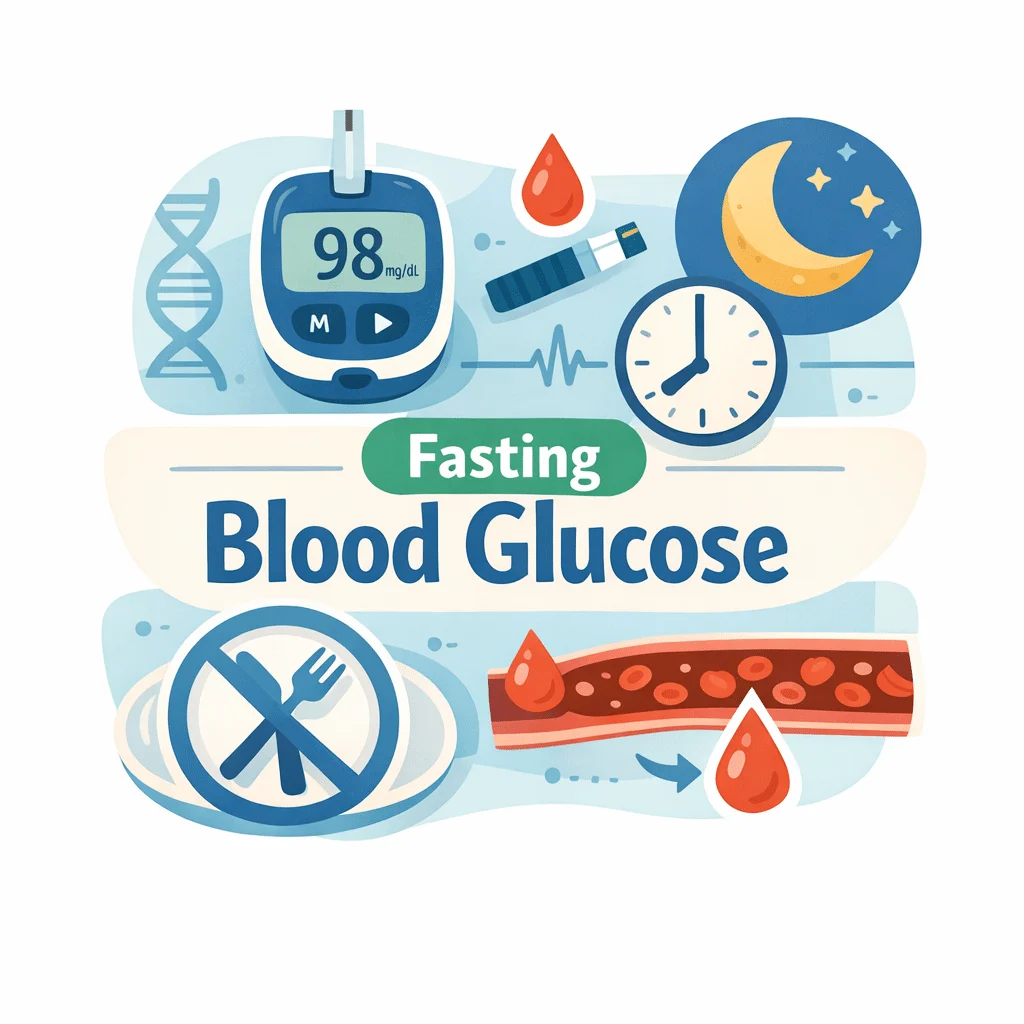
Glicemia à jeun măsoară cantitatea de zahăr din sângele tău după o perioadă fără mâncare, de obicei cel puțin opt ore. Glucoza este principala sursă de energie a organismului tău, provenind din carbohidrații pe care îi consumi și din zahărul pe care ficatul îl eliberează între mese. Un cadru medical recoltează această probă dimineața, înainte de micul dejun, astfel încât rezultatul să reflecte nivelul tău de bază al zahărului, nu o creștere după masă.
Doi hormoni mențin această valoare stabilă. Insulina, produsă de pancreas, ajută celulele tale să absoarbă glucoza din sânge pentru energie sau stocare. Glucagonul acționează în sens opus, semnalând ficatului să elibereze zahărul stocat atunci când nivelurile scad prea mult. Glicemia à jeun oferă medicilor o imagine clară a cât de bine funcționează acest sistem, fără influența unei mese recente.
De ce recomandă medicii acest test
Medicii recomandă glicemia à jeun din două motive principale: pentru a depista persoanele fără simptome, dar cu factori de risc pentru diabet, și pentru a monitoriza persoanele cu un diagnostic deja stabilit. Deoarece prediabetul și diabetul zaharat de tip 2 în stadiu incipient provoacă rareori simptome vizibile, screeningul identifică problemele cu ani înainte ca să apară complicații. Testul este ieftin, rapid și disponibil pe scară largă, motiv pentru care rămâne un instrument de primă linie alături de testul hemoglobinei glicate și testul de toleranță la glucoză oral.
Valori normale, prediabet și diabet
Odată ce primești rezultatul, valoarea este comparată cu trei intervale care definesc metabolismul normal al glucozei, prediabetul și diabetul. Aceste praguri provin de la Asociația Americană de Diabet și sunt preluate de Centrele pentru Controlul și Prevenirea Bolilor și de Institutul Național al Diabetului și al Bolilor Digestive și Renale.
| Categorie | Glicemie à jeun (mg/dL) | Glicemie à jeun (mmol/L) |
|---|---|---|
| Normal | Sub 100 | Sub 5,6 |
| Prediabet | 100 până la 125 | 5,6 până la 6,9 |
| Diabet | 126 sau mai mare, confirmat printr-un al doilea test | 7,0 sau mai mare, confirmat printr-un al doilea test |
Un singur rezultat crescut duce rareori direct la un diagnostic. Deoarece factori obișnuiți precum o boală, somnul insuficient sau un post incomplet pot ridica valoarea, diagnosticul de diabet necesită, în general, un al doilea test anormal efectuat într-o zi diferită — cu excepția cazului în care valoarea este foarte mare și însoțită de simptome clasice, cum ar fi setea excesivă sau urinarea frecventă. Aceasta este practica standard reflectată în Standardele de îngrijire ale Asociației Americane de Diabet.
Ce înseamnă de obicei valorile ușor crescute
Un singur rezultat puțin peste 100 mg/dL, fără alți factori de risc sau simptome, nu indică automat o boală. Poate determina pur și simplu medicul tău să repete testul, să solicite o analiză a hemoglobinei glicate sau să verifice dacă ai respectat condițiile de post. Distanța față de prag și tendința generală a rezultatelor tale contează mai mult decât o singură valoare izolată.
Cum să citești buletinul de analize
Pe majoritatea buletinelor de analize, glicemia à jeun apare la rubrica “biochimie” sau “profil metabolic”, alături de valorile renale și electrolitice. Rezultatul tău este afișat lângă intervalul de referință al laboratorului, iar multe buletine adaugă un marcaj, cum ar fi “H” pentru valoare crescută sau “L” pentru valoare scăzută, plus săgeți pentru o orientare vizuală rapidă.
O scurtă listă de verificare te ajută să înțelegi valoarea înainte de consultație.
- Confirmă că ai ținut post cel puțin opt ore, consumând doar apă, înainte de recoltarea sângelui.
- Compară rezultatul de astăzi cu valorile anterioare ale glicemiei à jeun, dacă le ai.
- Observă cât de departe se află valoarea ta față de pragul de referință al laboratorului, nu față de un tabel generic.
- Verifică dacă și markeri corelați, cum ar fi trigliceridele sau HbA1c, sunt în afara intervalului normal.
- Prezintă buletinul unui cadru medical pentru o interpretare completă, în contextul istoricului tău de sănătate.
Ce cauzează glicemia à jeun crescută
Glicemia à jeun crescută, cunoscută sub numele de hiperglicemie, este semnul caracteristic care stă la baza majorității diagnosticelor de diabet. Mai multe afecțiuni distincte pot produce acest tablou, iar diferențierea lor necesită de obicei mai mult de un singur test.
Diabetul zaharat de tip 2 și rezistența la insulină
Diabetul de tip 2 este principala cauză a hiperglicemiei cronice. Apare atunci când celulele devin rezistente la efectele insulinei, astfel că glucoza nu mai poate trece cu ușurință din sânge în țesuturi. Inițial, pancreasul compensează producând mai multă insulină, însă în timp această compensare se poate epuiza, iar secreția de insulină scade. O glicemie à jeun repetată peste 126 mg/dL, împreună cu un Rezultat HbA1ccrescut, confirmă de obicei diagnosticul. Medicii solicită uneori și un testul de insulină din sânge alături de glicemie, pentru a evalua cât de mult lucrează pancreasul.
Prediabet
Prediabetul descrie o glicemie à jeun cuprinsă între 100 și 125 mg/dL, o zonă intermediară care semnalează o rezistență incipientă la insulină, fără a atinge încă pragul diabetului. Este frecvent asimptomatic, motiv pentru care screeningul de rutină începând de la aproximativ 35 de ani este atât de important. Lăsat netratat, o parte semnificativă dintre cei cu prediabet dezvoltă diabet de tip 2, deși afecțiunea este adesea reversibilă prin modificări ale dietei, activității fizice și greutății corporale.
Diabet de tip 1
Diabetul de tip 1 este o afecțiune autoimună în care sistemul imunitar distruge celulele producătoare de insulină ale pancreasului. Spre deosebire de tipul 2, problema de bază este absența completă a insulinei, nu rezistența la aceasta. Simptomele apar adesea rapid și pot include scădere inexplicabilă în greutate, urinare frecventă și oboseală marcată. Diagnosticul combină de obicei testarea glicemiei cu detectarea autoanticorpilor asociați diabetului.
Diabet gestațional
Diabetul gestațional apare în timpul sarcinii, de obicei în trimestrul al doilea sau al treilea, pe măsură ce hormonii placentari cresc rezistența la insulină. Screeningul se efectuează de regulă între săptămânile 24 și 28, deși persoanele cu factori de risc suplimentari pot fi testate mai devreme. Un management adecvat protejează atât mama, cât și bebelușul, iar afecțiunea dispare de obicei după naștere, deși crește riscul de diabet de tip 2 în viitor.
Ce cauzează glicemia à jeun scăzută
Hipoglicemia à jeun, adică o valoare anormal de scăzută, este mult mai rară decât hiperglicemia, dar necesită totuși atenție medicală.
Hipoglicemie reactivă
Această formă apare la câteva ore după o masă bogată în carbohidrați, nu în timpul unui post propriu-zis, și rezultă dintr-un răspuns insulinic exagerat. Simptomele tipice includ tremur, transpirații, palpitații și foame bruscă.
Insulinom
Un insulinom este o tumoare rară a celulelor producătoare de insulină din pancreas, care secretă insulină independent de nivelul glicemiei. Poate declanșa episoade hipoglicemice în timpul postului sau al efortului fizic. Diagnosticul se bazează pe identificarea unei glicemii scăzute asociate cu un nivel inadecvat de ridicat al insulinei în sânge, uneori susținut de un testul C-peptidă, care arată cât de multă insulină produce pancreasul în sine.
Alte cauze
Medicamentele pentru diabet, în special insulina și sulfonilureele, sunt o cauză frecventă a glicemiei scăzute, mai ales la doze mai mari. Bolile hepatice severe, anumite deficiențe hormonale și unele tumori din afara pancreasului pot, de asemenea, să scadă glicemia à jeun.
Glicemia à jeun vs. HbA1c vs. testul de toleranță orală la glucoză
Glicemia à jeun este doar unul dintre mai multe teste folosite pentru evaluarea zahărului din sânge, iar fiecare măsoară ceva ușor diferit. prezentare generală a analizelor pentru diabet le acoperă pe toate trei comparativ, dar mai jos găsești varianta scurtă.
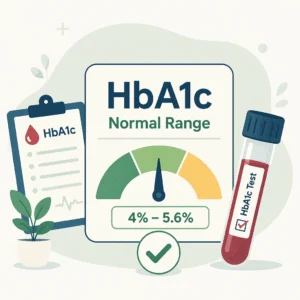
Glicemia à jeun surprinde un singur moment, după un post de peste noapte. HbA1c reflectă media glicemiei tale din ultimele două-trei luni, măsurând proporția de hemoglobină acoperită cu zahăr, și nu necesită deloc post. Testul de toleranță orală la glucoză (TTOG) verifică modul în care organismul tău procesează o cantitate măsurată de soluție zaharată în decurs de două ore, ceea ce poate dezvălui probleme pe care o singură valoare à jeun nu le surprinde, în special creșterile glicemiei după mese. Deoarece fiecare test privește o fereastră de timp diferită, rezultatele nu sunt întotdeauna concordante, iar o glicemie à jeun normală combinată cu un HbA1c în zona prediabetului nu este neobișnuită. Medicii se așteaptă la acest lucru și cântăresc imaginea de ansamblu, nu o singură valoare.
Cele mai recente progrese științifice
Cercetările privind glicemia à jeun și testele complementare continuă să evolueze. Trei descoperiri recente sunt deosebit de relevante pentru modul în care medicii compară testele de glicemie și pentru modul în care pacienții ar putea să-și monitorizeze propria glicemie în viitor.
Monitorizarea continuă a glicemiei se extinde dincolo de îngrijirea diabetului
Conform PubMed, o revizuire sistematică cu meta-analiză din 2026, care a inclus 23 de studii și peste 1.000 de participanți fără diabet, a constatat că dispozitivele de monitorizare continuă a glicemiei (CGM) — senzori mici purtați pe piele care urmăresc glicemia pe parcursul zilei — au îmbunătățit semnificativ valorile medii ale glicemiei comparativ cu monitorizarea standard sau fără monitorizare (Liao et al., 2026). Important, beneficiul a fost concentrat la persoanele care aveau deja prediabet; persoanele cu o reglare complet normală a glucozei nu au înregistrat câștiguri suplimentare semnificative. Ce înseamnă asta pentru tine: dacă glicemia ta à jeun se situează în intervalul prediabetului, un trial cu CGM sub supraveghere medicală poate oferi un feedback mai util și în timp real decât recoltările periodice de sânge singure, deși studiul a constatat că funcționează cel mai bine combinat cu un coaching structurat de stil de viață, nu ca instrument de sine stătător. Rezultatele provin dintr-un mix de tipuri de studii, inclusiv mai multe trialuri de dimensiuni mai mici, deci consideră-le încurajatoare, dar nu încă definitive.
O singură măsurătoare a glicemiei poate înlocui testul de toleranță la glucoză de două ore
Conform PubMed, un studiu din 2026 realizat pe peste 1.000 de pacienți ambulatori, publicat în BMJ Open Diabetes Research & Care a analizat dacă măsurarea glicemiei la o oră după începerea testului oral de toleranță la glucoză, în loc de cele două ore standard, poate identifica în mod fiabil diabetul și prediabetul (Chen et al., 2026). Citirea de la o oră a coincis îndeaproape cu rezultatul tradițional de două ore pentru ambele diagnostice. Ce înseamnă asta pentru tine: dacă medicul tău îți recomandă un test de toleranță orală la glucoză deoarece glicemia ta à jeun a fost la limită, o versiune mai scurtă a acestui test ar putea deveni mai frecventă, reducând durata programării aproximativ la jumătate fără o pierdere semnificativă a acurateței. Aceasta a fost un studiu observațional realizat într-un singur centru, astfel că abordarea este încă validată pe scară mai largă înainte de a schimba practica curentă pretutindeni.
Verificările aleatorii ale glicemiei devin tot mai utile pentru diagnostic
Conform PubMed, un studiu transversal din 2025 realizat pe 3.200 de adulți din Bangladesh, publicat în BMJ Open, a comparat o simplă glicemie aleatorie din deget cu glicemia à jeun, testul de toleranță orală la glucoză și HbA1c (Bhowmik et al., 2025). Testul aleatoriu a corelat puternic cu celelalte trei, iar un prag mai scăzut decât cel utilizat în prezent i-a îmbunătățit acuratețea pentru depistarea diabetului, fără a necesita simptomele clasice de sete și urinare frecventă pe care le cer ghidurile actuale. Ce înseamnă asta pentru tine: deși ghidurile americane se bazează în continuare pe glicemia à jeun și HbA1c pentru diagnostic, această cercetare se adaugă unui număr tot mai mare de dovezi că testele rapide, fără post, pot ajuta la identificarea mai timpurie a diabetului în situațiile în care o programare cu post este incomodă sau indisponibilă. Acest studiu particular a fost realizat în Bangladesh, astfel că pragul propus nu a fost încă adoptat de organismele americane de elaborare a ghidurilor și ar necesita confirmare în populații americane înainte de a schimba practica locală.
Pași practici pentru gestionarea glicemiei à jeun
Indiferent de categoria în care se încadrează rezultatul tău, frecvența testărilor de urmărire și obiceiurile zilnice joacă ambele un rol în managementul pe termen lung.
Testări de urmărire în funcție de categorie
- Glicemie normală: testarea anuală în cadrul unui control de rutină este de obicei suficientă pentru majoritatea adulților începând cu aproximativ 35 de ani.
- Prediabet: medicul tău poate recomanda reverificarea la fiecare 3 până la 12 luni, alături de modificări ale stilului de viață.
- Diabet: medicul tău curant va stabili un program de monitorizare personalizat, care include adesea verificări la fiecare 3 luni.
Obiceiuri nutriționale și de stil de viață
Pentru valori ușor crescute, optează pentru alimente cu indice glicemic scăzut, cum ar fi leguminoasele, cerealele integrale și legumele fără amidon, și reduce zaharurile cu absorbție rapidă, precum băuturile carbogazoase, produsele de patiserie și sucurile de fructe. Un model alimentar de tip mediteranean, bogat în grăsimi sănătoase, are dovezi consistente în sprijinul său. Distribuirea meselor în porții regulate și echilibrate, în loc să sari peste mese și să mănânci în exces, ajută de asemenea la stabilizarea valorilor.
Activitatea fizică are una dintre cele mai solide baze de dovezi pentru îmbunătățirea sensibilității la insulină. Încearcă să faci cel puțin 150 de minute de activitate moderată pe săptămână, combinând exercițiile de anduranță cu antrenamentul de forță, și întrerupe perioadele lungi de stat jos cu scurte pauze de mișcare. Pierderea a chiar și 5 până la 10 procente din greutatea corporală, pentru cei care sunt supraponderali, poate îmbunătăți semnificativ modul în care organismul răspunde la insulină. Renunțarea la fumat și respectarea limitelor recomandate pentru consumul de alcool completează obiceiurile de bază pe care medicii le recomandă.
Când să mergi la medic
Majoritatea rezultatelor anormale ale glicemiei à jeun sunt gestionate prin controale de rutină, nu prin îngrijire de urgență. Totuși, anumite situații necesită atenție mai promptă.
- Glicemia ta à jeun depășește 130 mg/dL în două ocazii separate.
- Observi simptome precum sete intensă, oboseală neobișnuită, urinare frecventă sau scădere inexplicabilă în greutate.
- Valorile tale variază foarte mult de la un test la altul, fără o explicație evidentă.
- Ai un istoric familial puternic de diabet și întrebări despre propriul tău risc.
Solicită îngrijire medicală urgentă dacă ai greață, vărsături, respirație adâncă sau rapidă, confuzie sau respirație cu miros de fructe — acestea pot semnala cetoacidoza diabetică, o complicație gravă care necesită tratament imediat. Un singur rezultat moderat crescut, de exemplu 105 mg/dL, fără alți factori de risc, necesită de obicei doar monitorizare, nu alarmă. Medicul tău este cel mai în măsură să îți ofere sfaturi pentru situația ta specifică.
Glosar
| Termen | Definiție |
|---|---|
| Monitor continuu al glicemiei (CGM) | Un mic senzor cutanat care monitorizează nivelul glucozei pe parcursul zilei și nopții, fără înțepături repetate ale degetului. |
| Glicemie à jeun (FPG) | O măsurare a glicemiei efectuată după cel puțin opt ore fără mâncare, folosită pentru screening-ul și diagnosticul diabetului. |
| Glucagon | Un hormon produs de pancreas care semnalizează ficatului să elibereze glucoza stocată atunci când glicemia scade. |
| Hemoglobina glicată (HbA1c) | Un test de sânge care reflectă glicemia medie din ultimele două până la trei luni, bazat pe hemoglobina glicozilată. |
| Hiperglicemie | Glicemie mai mare decât normalul, semnul caracteristic al prediabetului și diabetului. |
| Hipoglicemie | Glicemie mai mică decât normalul, care poate provoca tremur, transpirații și confuzie. |
| Insulină | Un hormon produs de pancreas care ajută celulele să absoarbă glucoza din sânge pentru energie sau stocare. |
| Rezistență la insulină | O stare în care celulele răspund slab la insulină, astfel că pancreasul trebuie să producă mai multă pentru a menține glicemia sub control. |
| Testul oral de toleranță la glucoză (TOTG) | Un test care măsoară glicemia înainte și după consumul unei cantități măsurate de lichid zaharat, folosit pentru depistarea diabetului și a prediabetului. |
| Prediabet | Glicemie mai mare decât normalul, dar sub pragul diabetului, adesea reversibilă prin schimbări ale stilului de viață. |
Întrebări frecvente despre glicemia à jeun
Care este diferența dintre glicemia à jeun și HbA1c?
Glicemia à jeun oferă o imagine de moment a nivelului tău de zahăr din sânge după o noapte de post. HbA1c, în schimb, reflectă media glicemiei tale pe parcursul ultimelor două până la trei luni, măsurând procentul de hemoglobină acoperită cu zahăr. Niciun test nu îl înlocuiește pe celălalt; medicii le solicită adesea pe amândouă, deoarece surprind intervale de timp diferite și pot detecta tipuri diferite de probleme. O glicemie à jeun normală alături de un HbA1c crescut, de exemplu, poate indica creșteri ale zahărului care apar doar după mese.
Poți avea glicemia à jeun normală și totuși să ai diabet?
Da, acest lucru este posibil. Unele persoane mențin valori normale ale glicemiei à jeun, dar prezintă creșteri semnificative ale glicemiei după mese, un tipar numit uneori hiperglicemie postprandială. Un test oral de toleranță la glucoză sau monitorizarea continuă a glicemiei pot evidenția acest tipar, iar HbA1c poate fi de asemenea crescut în ciuda unei glicemii à jeun normale. Acesta este unul dintre motivele pentru care medicii comandă uneori mai mult de un tip de test al glicemiei atunci când suspiciunea persistă în ciuda unui rezultat à jeun liniștitor.
Cum pot medicamentele să influențeze glicemia mea à jeun?
Mai multe clase de medicamente pot modifica valorile glicemiei. Corticosteroizii cresc producția de glucoză la nivelul ficatului și agravează rezistența la insulină, ridicând adesea vizibil glicemia à jeun. Anumite diuretice prescrise pentru hipertensiune arterială pot și ele să crească ușor glicemia. Pe de altă parte, unele medicamente pentru diabet pot scădea prea mult glicemia dacă dozele nu sunt ajustate în funcție de activitate sau de alimentație. Spune întotdeauna medicului și laboratorului ce medicamente și suplimente iei, deoarece acest context influențează modul în care trebuie interpretat un rezultat.
De ce este glicemia mea à jeun mai mare dimineața?
Acest fenomen este adesea numit fenomenul zorilor. Între aproximativ orele 4:00 și 8:00 dimineața, organismul eliberează în mod natural hormoni precum cortizolul și hormonul de creștere pentru a se pregăti de trezire, iar aceștia pot crește glicemia. La persoanele cu rezistență la insulină, acest efect poate fi mai pronunțat, ducând la o valoare mai mare dimineața față de valorile înregistrate mai târziu în cursul zilei. Discută cu medicul tău dacă observi un tipar persistent, deoarece uneori este necesară ajustarea orei de administrare a medicamentelor sau a meselor de seară.
Cum funcționează monitorizarea continuă a glicemiei pentru persoanele fără diabet?
Un monitor continuu de glucoză este un mic senzor purtat pe piele, de obicei pe braț sau pe abdomen, care măsoară glucoza din lichidul de sub piele la fiecare câteva minute. Pentru persoanele fără diabet, poate dezvălui cum anumite mese, exercițiile fizice, somnul sau stresul influențează nivelul glicemiei — informații pe care o simplă recoltare de sânge à jeun nu le-ar putea oferi. Cercetările actuale sugerează că cel mai clar beneficiu apare la persoanele cu prediabet, unde feedback-ul suplimentar poate susține schimbările de stil de viață; dovezile pentru persoanele sănătoase, cu glicemie normală, sunt mai puțin concludente. Medicul tău îți poate recomanda dacă utilizarea pe termen scurt a unui CGM este potrivită pentru situația ta.
Ce ar trebui să fac dacă rezultatele glicemiei à jeun și ale TTGO nu coincid?
Neconcordanța dintre teste este frecventă și normală, nu un semn de eroare. Glicemia à jeun, HbA1c și testul de toleranță orală la glucoză (TTGO) măsoară fiecare un aspect diferit al reglării glicemiei, astfel că un rezultat normal la un test și la limită la altul reflectă pur și simplu aceste diferențe. Medicul tău va analiza de obicei toate rezultatele disponibile împreună, alături de simptomele și factorii tăi de risc, în loc să se bazeze pe un singur număr pentru a pune un diagnostic. Dacă rezultatele par inconsistente, întreabă dacă repetarea unui test sau adăugarea HbA1c ar ajuta la clarificarea situației.
Înțelegerea rezultatului glicemiei tale à jeun este un prim pas important, dar cifra spune doar o parte din poveste atunci când este citită alături de restul analizelor tale și de istoricul personal de sănătate. O vizualizare structurată, comparativă a rezultatelor tale poate face tiparele mai ușor de identificat înainte ca acestea să devină subiectul unei discuții mai ample cu medicul tău.
Înțelege-ți rezultatele analizelor cu AI DiagMe
Obține interpretarea rezultatelor în câteva minute
Surse
- Testarea pentru diabet — Centrele pentru Controlul și Prevenirea Bolilor (Centers for Disease Control and Prevention)
- Teste și diagnostic pentru diabet — Institutul Național pentru Diabet și Boli Digestive și Renale (NIDDK)
- Prediabet: diagnostic și tratament — Mayo Clinic
- Liao X, Li Y, Tang S, Xiao Y, Yu X, Huang R, Zhong T. “Continuous glucose monitoring in non-diabetic populations: a systematic review of observational and interventional studies with meta-analysis.” European Journal of Medical Research, 2026. DOI: 10.1186/s40001-026-03920-0 (via PubMed)
- Chen L, Bian B, Ran H, Niu Y, Li Y, Su Q, Zhang H. “Feasibility of using OGTT 1-h PG as a diagnostic criterion for diabetes and pre-diabetes.” BMJ Open Diabetes Research & Care, 2026. DOI: 10.1136/bmjdrc-2025-005689 (via PubMed)
- Bhowmik B, Siddiquee T, Munir SB, et al. “Random capillary blood glucose in the diagnosis of diabetes: a cross-sectional study in Bangladesh.” BMJ Open, 2025. DOI: 10.1136/bmjopen-2024-093938 (via PubMed)
Lectură suplimentară
- Analize pentru diabet: glucoză, HbA1c & insulină
- Hemoglobina glicată (HbA1c): ghidul tău complet
- Testul de insulină din sânge: ce înseamnă valorile tale
- Nivelul glicemiei: cauze, simptome, tratamente
- Diabetul: cauze, simptome și tratamente