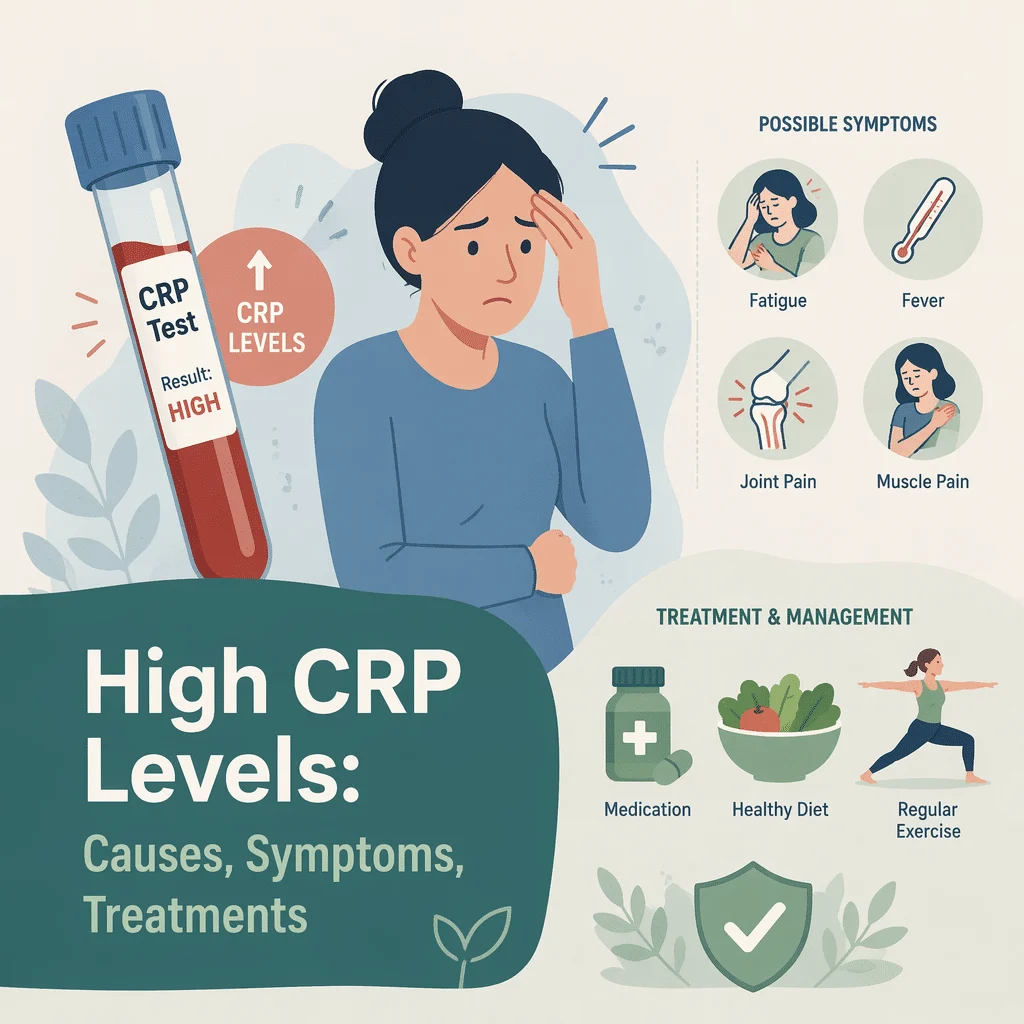
Să vezi valori crescute ale CRP pe un buletin de analize de sânge este îngrijorător, mai ales pentru că numărul apare fără aproape nicio explicație. Proteina C reactivă este unul dintre cei mai sensibili markeri din medicina de rutină și, totodată, unul dintre cei mai puțin specifici. Îi spune medicului tău în mod sigur că există o inflamație undeva în organism, dar aproape nimic despre unde se află, ce a cauzat-o sau cât de gravă este.
O valoare ușor crescută este extrem de frecventă și reflectă de obicei ceva temporar: o răceală de care tocmai te-ai recuperat, o leziune recentă, o problemă dentară sau pur și simplu kilogramele în plus. În acest articol vei afla ce măsoară de fapt CRP, de ce CRP standard și CRP de înaltă sensibilitate nu sunt interschimbabile, ce exclude și ce nu exclude un rezultat normal, de ce tendința contează mai mult decât o singură valoare și când un rezultat crescut necesită cu adevărat atenție promptă.
Ce este proteina C reactivă și cât de repede evoluează
Proteina C reactivă este produsă de ficat ca răspuns la o moleculă de semnalizare numită interleukina-6, pe care celulele imune o eliberează ori de câte ori țesuturile sunt inflamate, lezate sau infectate. Ea face parte dintr-o familie de proteine cunoscute sub numele de reactanți de fază acută, a căror concentrație în sânge se modifică brusc atunci când organismul declanșează un răspuns inflamator.
Ceea ce face CRP atât de util în medicina de zi cu zi este viteza sa. Nivelurile încep să crească în aproximativ patru până la șase ore de la apariția unui factor inflamator și pot atinge vârful în mai puțin de două zile. Odată ce factorul declanșator dispare, CRP scade la fel de rapid, cu un timp de înjumătățire măsurat în ore, nu în zile.
Această viteză are o consecință practică despre care pacienții aud rareori: momentul recoltării contează enorm. O probă recoltată în prima dimineață a unei boli poate părea aproape normală, în timp ce aceeași boală măsurată 36 de ore mai târziu produce un număr semnificativ. O probă recoltată la o săptămână după ce o infecție respiratorie s-a rezolvat poate fi deja în limite normale. Două rezultate foarte diferite pot descrie, prin urmare, exact același episod, pur și simplu pentru că sângele a fost recoltat în momente diferite pe curbă. Pentru mai multe informații despre biologia de bază, consultă ghidul nostru complementar despre CRP ca marker al inflamației descrie modul în care se comportă proteina în organism.
Sensibil, dar nespecific: ce înseamnă asta pentru interpretarea rezultatului tău
Clinicienii descriu CRP-ul ca fiind foarte sensibil și aproape complet nespecific. Sensibilitatea înseamnă că, dacă există o inflamație semnificativă, CRP-ul o va detecta de obicei. Nespecificitatea înseamnă că testul nu poate indica care dintre zecile de cauze posibile este responsabilă.
Un rezultat identic de, să zicem, 40 mg/L ar putea reflecta o infecție pulmonară, o vezică biliară inflamată, o criză de artrită, răspunsul normal de vindecare la trei zile după o operație sau un abces dentar sever. Numărul în sine nu face diferența între acestea. De aceea, niciun clinician responsabil nu pune un diagnostic bazându-se exclusiv pe valoarea CRP, și de aceea graficele online care asociază o boală unui număr sunt înșelătoare.
CRP funcționează bine ca semnal că trebuie investigat mai departe și ca modalitate de urmărire a ceva deja identificat. Diagnosticul propriu-zis se stabilește pe baza simptomelor tale, a examinării clinice, a istoricului medical și a altor analize. CRP îi spune medicului cât de puternică este inflamația; nu îi spune niciodată care este cauza ei. O valoare crescută la o persoană care se simte perfect bine are o semnificație cu totul diferită față de aceeași valoare la cineva cu febră și dificultăți de respirație.
CRP standard față de CRP de înaltă sensibilitate: distincția care creează cea mai multă confuzie
Aceasta este cea mai frecventă sursă de interpretare greșită și îi pune în dificultate deopotrivă pe pacienți, pe autorii de articole medicale și, uneori, chiar pe medici. CRP standard și CRP de înaltă sensibilitate măsoară exact aceeași proteină. Nu sunt substanțe diferite. Ceea ce diferă este sensibilitatea analitică a testului și, mai ales, întrebarea clinică la care fiecare este conceput să răspundă.
CRP standard este testul folosit pentru a detecta și monitoriza o inflamație sau o infecție semnificativă. Este recomandat atunci când cineva este bolnav, se recuperează după o intervenție chirurgicală sau este urmărit pentru o afecțiune inflamatorie. Valorile cu relevanță clinică în acest context se situează de obicei în zeci sau sute de miligrame pe litru.
CRP de înaltă sensibilitate este aceeași măsurătoare, efectuată cu un test suficient de precis pentru a detecta concentrații foarte mici. Există pentru a stratifica riscul cardiovascular pe termen lung la persoanele care sunt altfel sănătoase, iar întregul interval informativ se situează sub aproximativ 3 mg/L. Așa cum precizează analiza StatPearls privind interpretarea CRP, termenul „înaltă sensibilitate" se referă la tehnica de laborator, nu la o semnificație clinică diferită.
Eroarea practică este simplă. Dacă aplici un prag hs-CRP la un rezultat CRP standard, o valoare post-virală perfect obișnuită de 8 mg/L pare să indice un risc cardiovascular catastrofal — ceea ce nu este adevărat. Invers, solicitarea hs-CRP la cineva care este acut bolnav produce o valoare mult peste limita scalei, care nu spune nimic util despre inima sa. Un hs-CRP este, de asemenea, neinterpretabil în scopuri de evaluare a riscului dacă este recoltat în timpul sau imediat după o infecție, o leziune sau o recidivă, deoarece semnalul acut maschează nivelul bazal scăzut pe care testul încearcă să îl citească.
| CRP standard | CRP de înaltă sensibilitate (hs-CRP) | |
|---|---|---|
| La ce servește | Detectarea și urmărirea unei inflamații, infecții sau leziuni tisulare semnificative la o persoană bolnavă sau aflată sub monitorizare | Estimarea riscului cardiovascular pe termen lung la persoanele care sunt altfel sănătoase și fără nicio boală activă în prezent |
| Intervalul de interes | Valorile semnificative din punct de vedere clinic ajung adesea la zeci sau sute de mg/L | Întregul interval informativ se situează sub aproximativ 3 mg/L |
| Ce înseamnă un rezultat | Inflamația este prezentă și poate fi urmărită în timp pe măsură ce tratamentul își face efectul | O intrare statistică printre mai multe într-o estimare a riscului pe termen lung pentru o populație, nu un diagnostic |
| Ce nu înseamnă | Nu identifică niciodată cauza, localizarea sau severitatea problemei de bază | Nu prezice dacă o anumită persoană va avea un eveniment cardiac și nu poate fi interpretat în timpul unei boli |
Dacă analizele tale indică pur și simplu CRP, este aproape sigur testul standard. Dacă scrie hs-CRP, CRP cardiac sau CRP de înaltă sensibilitate, a fost solicitat cu gândul la riscul cardiovascular, adesea împreună cu un profil lipidic și colesterol LDL. Dacă nu ești sigur(ă) care dintre ele ai efectuat, aceasta este o întrebare perfect îndreptățită pentru clinicianul care a solicitat-o.
Ce crește CRP
Lista cauzelor este lungă, ceea ce ilustrează tocmai lipsa de specificitate. Gruparea lor ajută la înțelegere.
Infecție, traumatism și intervenție chirurgicală
Infecțiile bacteriene cresc de obicei CRP-ul mult mai mult decât cele virale, iar cele mai mari valori întâlnite în practica curentă însoțesc de regulă bolile bacteriene grave. Infecțiile virale produc adesea o creștere modestă, uneori abia peste intervalul de referință, ceea ce reprezintă unul dintre motivele pentru care CRP-ul singur nu poate diferenția în mod fiabil cele două tipuri. Orice leziune tisulară are același efect: o fractură, o arsură, un accident rutier sau o intervenție chirurgicală planificată. O creștere a CRP-ului în primele zile după operație reprezintă o biologie normală de vindecare, nu o complicație, deși o valoare care crește din nou după ce a început să scadă poate justifica verificarea pentru o infecție. Infecțiile obișnuite, cum ar fi o infecții sinusale sau un abces dentar se află la capătul ușor al acestui spectru.
Afecțiuni cronice și factori cotidieni
Bolile autoimune și inflamatorii mențin CRP-ul crescut cât timp sunt active, motiv pentru care este folosit pentru urmărirea unor afecțiuni precum artrită reumatoidă, boala inflamatorie intestinală și vasculita. Obezitatea este o cauză frecventă și insuficient explicată a unei valori ușor crescute: țesutul adipos produce el însuși interleukina-6, astfel că o creștere modestă este comună la persoanele cu greutate în exces și nu reprezintă în sine o boală. Fumatul, somnul insuficient, boala parodontală și un stil de viață sedentar cresc ușor valoarea în același mod de grad scăzut.
Sarcina crește CRP, în special în a doua jumătate, la fel și contraceptivele orale combinate. Vârsta înaintată și sexul feminin sunt asociate cu valori de bază ușor mai ridicate, iar boala cronică de rinichi și diabetul sunt adesea însoțite de o creștere ușoară. Cancerul poate crește CRP, dar la fel pot face toate cele de mai sus, motiv pentru care o singură valoare crescută este un test foarte slab pentru depistarea cancerului.
Ce exclude și ce nu exclude un CRP normal
Un CRP normal este reconfortant într-un mod specific și limitat: face mai puțin probabilă o inflamație semnificativă, activă și generalizată în momentul în care a fost recoltat sângele. Aceasta este o informație cu adevărat utilă atunci când cineva este evaluat pentru o posibilă infecție.
Nu este, totuși, un certificat de sănătate. Un CRP normal nu exclude cancerul. Multe tumori nu produc niciun răspuns de fază acută măsurabil, iar oameni sunt diagnosticați cu cancer în fiecare zi având markeri inflamatori complet normali. Nu exclude o problemă localizată, izolată de circulație, și poate fi normal în unele afecțiuni grave. Este de remarcat că MedlinePlus subliniază că CRP poate să nu crească la unele persoane cu artrită reumatoidă sau lupus, din motive care nu sunt încă pe deplin înțelese.
Momentul recoltării contează și el. Un CRP recoltat în primele ore ale unei boli poate să nu fi avut timp să crească. Dacă simptomele persistă sau se agravează după un rezultat normal, acel rezultat nu anulează ceea ce îți spune corpul tău.
CRP alături de VSH și procalcitonină
CRP este rareori interpretat singur. Doi markeri însoțitori se comportă destul de diferit în timp, iar înțelegerea acestei diferențe explică de ce medicii comandă uneori mai mult de un test.
Perioada viteza de sedimentare a hematiilor (VSH), sau VSH, este o măsură indirectă influențată de proteinele plasmatice și de comportamentul globulelor roșii. Crește mai lent decât CRP, adesea în câteva zile, și scade și mai lent, uneori necesitând săptămâni pentru a reveni la normal după ce inflamația a dispărut. Un VSH crescut cu un CRP normal indică, prin urmare, adesea un episod inflamator care a trecut deja de vârf.
Procalcitonină crește în special în infecțiile bacteriene și este mai specific pentru acestea decât CRP, motiv pentru care a fost studiat intens ca ghid pentru deciziile privind antibioticele. Alte proteine din aceeași familie, inclusiv amiloidul seric A și complement C3, se modifică în circumstanțe similare. CRP este, de asemenea, interpretat de rutină alături de o hemoleucograma completă, unde tiparul globulelor albe, în special sugerează adesea o infecție bacteriană, în timp ce modificările, adaugă un context pe care CRP nu îl poate oferi singur. Analizele fierului, inclusiv feritină, sunt și ele influențate de inflamație și sunt interpretate ținând cont de acest lucru.
De ce tendința contează mai mult decât o singură valoare
Când cauza este deja cunoscută, tendința în timp este mult mai informativă decât orice valoare individuală. Un CRP care scade constant timp de trei zile la o persoană tratată pentru pneumonie este un semn bun, indiferent de valoarea inițială. Un CRP care stagnează sau crește în timpul tratamentului impune o reconsiderare: diagnostic greșit, antibiotic nepotrivit sau o colecție de puroi care trebuie drenată.
Aceeași logică se aplică bolilor inflamatorii cronice. Echipele de reumatologie și gastroenterologie urmăresc CRP pe parcursul mai multor luni pentru a evalua dacă activitatea bolii este ținută sub control, iar o valoare scăzută și stabilă pe parcursul mai multor teste are mult mai multă semnificație decât o singură determinare izolată.
Din acest motiv, repetarea testului este adesea cel mai logic pas următor după o creștere ușoară inexplicabilă la o persoană care se simte bine. Retestarea câteva săptămâni mai târziu, după ce orice afecțiune minoră s-a rezolvat, arată frecvent că valoarea a revenit deja la normal.
Tratarea cauzei, nu a valorii
Acesta este miezul onest al subiectului. CRP este un indicator, nu o boală. Nu se obține nimic bun forțând scăderea valorii de dragul ei, și nimic rău nu se rezolvă prin asta. Dacă un CRP este crescut din cauza unei infecții bacteriene, infecția este tratată și CRP urmează. Dacă este crescut din cauza unui puseu autoimun, pușeul este tratat și CRP urmează. Dacă este ușor crescut din cauza excesului de greutate, fumatului sau somnului insuficient, abordarea acestor factori îmbunătățește sănătatea în moduri care contează cu adevărat, iar CRP scade ca efect secundar.
Ce este cu dietele și suplimentele promovate pentru scăderea CRP
O întreagă industrie de marketing promovează ideea scăderii directe a CRP, cel mai vizibil în jurul turmericului și curcuminei, al acizilor grași omega-3 și al diverselor planuri alimentare antiinflamatorii. Unele dintre acestea au fost studiate și unele produc reduceri medii mici ale valorii CRP măsurate în condiții de studiu clinic. Ceea ce nu s-a demonstrat este că scăderea markerului prin aceste mijloace schimbă rezultatele care contează cu adevărat pentru oameni. Reducerea unui număr nu este același lucru cu tratarea unei cauze, iar un supliment care modifică o valoare de laborator în timp ce o problemă de fond rămâne neexaminată nu este un schimb avantajos.
Mai multe medicamente prescrise, inclusiv statinele și unele medicamente antiinflamatoare și imunomodulatoare, scad și ele CRP. Acesta este un efect farmacologic bine documentat și este unul dintre motivele pentru care un rezultat CRP trebuie întotdeauna interpretat împreună cu lista ta actuală de medicamente. Nu este un motiv pentru a începe, opri sau modifica ceva pe cont propriu; aceste decizii aparțin medicului care îți cunoaște tabloul complet.
Când un CRP crescut necesită atenție urgentă
Majoritatea rezultatelor CRP crescute sunt explicate de ceva evident și se normalizează de la sine. Un număr mic apar alături de simptome care nu trebuie să aștepte.
Solicită o evaluare medicală urgentă dacă un CRP crescut apare împreună cu oricare dintre următoarele:
- Febră mare însoțită de confuzie, somnolență sau dezorientare
- Dificultăți de respirație, durere în piept sau palpitații
- Durere severă sau care se agravează rapid oriunde, inclusiv în abdomen
- O erupție cutanată care se extinde rapid sau care nu dispare la presiune
- Gât rigid însoțit de durere de cap și disconfort la lumină puternică
- Senzația de a te simți profund și neobișnuit de rău
Separat, un CRP care rămâne crescut timp de săptămâni fără nicio explicație, sau care continuă să crească în ciuda tratamentului, necesită o evaluare corespunzătoare, nu doar supraveghere. Programează-te la medic pentru a fi investigat.
Cele mai recente progrese științifice în testarea CRP
Cercetările recente au contribuit mai mult la definirea limitelor CRP decât la extinderea utilizărilor sale, ceea ce este, fără îndoială, mai valoros pentru pacienți.
Cel mai amplu studiu recent a fost studiul randomizat ADAPT-Sepsis, publicat în JAMA în 2025, care a inclus 2.760 de adulți grav bolnavi din 41 de unități de terapie intensivă din Marea Britanie. Pacienții au fost repartizați într-un protocol zilnic ghidat de procalcitonină, unul ghidat de CRP sau îngrijire standard, pentru a vedea dacă vreunul dintre markeri poate scurta în siguranță durata tratamentului cu antibiotice. Ce s-a descoperit: protocolul bazat pe procalcitonină a scurtat modest tratamentul cu antibiotice fără a crește numărul deceselor, în timp ce protocolul bazat pe CRP nu a scurtat deloc tratamentul. Ce înseamnă asta pentru tine: CRP este util pentru a semnala medicilor că există inflamație, dar nu este suficient de precis pentru a ghida deciziile de tratament de unul singur, chiar și în mediul strict monitorizat al terapiei intensive.
O analiză sistematică cu meta-analiză în rețea publicată în Critical Care Medicine în 2024 a inclus 18 studii randomizate cu 5.023 de pacienți cu sepsis și a comparat aceleași două strategii. Concluzie: ambele abordări au scurtat în medie durata tratamentului cu antibiotice, dar numai strategia ghidată de procalcitonină a fost asociată cu o mortalitate mai scăzută, iar certitudinea dovezilor în ansamblu a fost scăzută spre moderată. Ce înseamnă asta pentru tine: cei doi markeri nu sunt interschimbabili, iar CRP este cel mai bine înțeles ca un element printre mai mulți, nu ca un factor de decizie.
La copii, o analiză sistematică și meta-analiză publicată în The Lancet Child and Adolescent Health în 2024 a examinat 14 studii care acopereau 7.755 de sugari febrili cu vârsta sub trei luni. Ce s-a descoperit: procalcitonina a depășit CRP în identificarea infecțiilor bacteriene invazive, iar acolo unde procalcitonina nu este disponibilă, autorii au recomandat utilizarea CRP cu prudență și cu un prag mai scăzut decât cel convențional. Ce înseamnă asta pentru tine: un CRP liniștitor la un bebeluș foarte mic cu febră nu este suficient prin el însuși, iar evaluarea clinică rămâne prioritatea.
Pe partea cardiovasculară, un studiu de cohortă pe 15.494 de pacienți tratați cu statine care au suferit o intervenție de stentare coronariană, publicat în European Heart Journal în 2025, a comparat riscul rezidual colesterolic cu riscul inflamator rezidual definit prin hs-CRP. Ce s-a descoperit: pacienții cu hs-CRP crescut, dar cu colesterol bine controlat, au avut o rată mai mare de evenimente cardiovasculare adverse în anul următor față de cei cu situația inversă. De remarcat că investigatorii au exclus persoanele cu hs-CRP peste 10 mg/L, tocmai pentru că astfel de valori reflectă o boală acută, nu inflamația vasculară de fond. Ce înseamnă asta pentru tine: hs-CRP este luat în serios ca marker de risc pe termen lung, iar această regulă de excludere ilustrează clar de ce un hs-CRP măsurat în timpul unei infecții nu poate fi interpretat.
Glosar de termeni cheie
| Termen | Definiție |
|---|---|
| proteina C reactivă (PCR) | O proteină produsă de ficat al cărei nivel în sânge crește rapid când este prezentă inflamație, infecție sau leziune tisulară |
| Reactant de fază acută | Orice proteină din sânge a cărei concentrație se modifică semnificativ în cursul unui răspuns inflamator; CRP este cea mai cunoscută |
| CRP de înaltă sensibilitate (hs-CRP) | Aceeași proteină măsurată cu un test mai precis, utilizată pentru evaluarea riscului cardiovascular pe termen lung la persoanele sănătoase |
| Sensibilitate | Cât de fiabil detectează un test o afecțiune atunci când aceasta este cu adevărat prezentă |
| Specificitate | Cât de precis indică un test o cauză anume, în loc de mai multe; CRP are foarte puțină specificitate |
| Interleukina-6 (IL-6) | O moleculă de semnalizare imunitară care instruiește ficatul să producă CRP; este eliberată și de țesutul adipos |
| VSH | Viteza de sedimentare a hematiilor, o măsură indirectă a inflamației care crește și scade mai lent decât CRP |
| Procalcitonină | Un marker sanguin care crește în special în infecțiile bacteriene și este mai specific pentru acestea decât CRP |
| Interval de referință | Intervalul de valori pe care un laborator îl consideră tipic; intervalele și unitățile diferă de la un laborator la altul |
| mg/L | Miligrame pe litru, unitatea obișnuită pentru CRP; unele laboratoare raportează în mg/dL, care este de zece ori mai mic ca număr |
Întrebări frecvente
Un CRP crescut înseamnă cancer?
Aproape niciodată, nu. CRP crește mult mai frecvent din cauza infecțiilor, leziunilor, intervențiilor chirurgicale recente, puseelor autoimune, problemelor dentare, fumatului, sarcinii și excesului de greutate decât din cauza unei boli maligne. Unele cancere pot crește CRP, dar la fel poate face și o răceală puternică, iar acest marker nu poate face diferența între ele. Un CRP crescut în sine nu este un motiv să presupui că ai cancer, iar un CRP normal nu este un motiv să îl excluzi. Ceea ce determină investigarea pentru cancer este o combinație de simptome, constatări la examinare, vârstă și istoric medical, nu un marker inflamator izolat. Dacă CRP-ul tău rămâne crescut timp de câteva săptămâni fără o explicație clară, acest tipar merită o evaluare corespunzătoare, iar medicul tău va decide ce anume, dacă este cazul, trebuie investigat.
Cum îmi pot scădea CRP-ul?
Prin tratarea cauzei care îl crește, nu prin urmărirea cifrei în sine. Dacă este vorba de o infecție, tratarea infecției scade CRP. Dacă este o afecțiune autoimună, controlul activității bolii scade CRP. Dacă este ușor crescut în contextul excesului de greutate, fumatului, somnului insuficient sau sedentarismului, abordarea acestor factori îmbunătățește sănătatea în general, iar valoarea markerului tinde să scadă și ea. Suplimentele și planurile alimentare promovate special pentru scăderea CRP pot modifica puțin cifra în studii, dar reducerea unei valori nu este același lucru cu tratarea cauzei. Întrebarea utilă pe care să o aduci medicului tău nu este cum să scazi CRP, ci de ce este crescut.
Ce valoare a CRP este periculoasă?
Nu există un prag unic care să facă un CRP periculos, iar compararea cu un număr nu este abordarea corectă. Valorile foarte mari apar mai frecvent în infecții bacteriene grave sau leziuni tisulare importante, dar oamenii se recuperează de regulă din bolile care le produc, iar aceeași valoare poate apărea și după o intervenție chirurgicală fără complicații. Ceea ce determină urgența este cum te simți: febra însoțită de confuzie, dificultăți de respirație, durere severă, o erupție cutanată care se extinde rapid, gâtul rigid sau starea generală profund alterată necesită evaluare medicală indiferent de valoarea CRP. În schimb, un CRP ușor crescut la o persoană care se simte bine semnalează rareori ceva acut. Tabloul clinic ghidează decizia; numărul o susține.
O infecție virală poate crește CRP?
Da, deși de obicei mai puțin decât o infecție bacteriană. Bolile virale comune produc adesea o creștere ușoară până la moderată, în timp ce infecțiile bacteriene grave tind să genereze cele mai mari valori. Suprapunerea dintre cele două este suficient de mare încât CRP singur nu poate indica cu certitudine cu care dintre ele te confrunți — tocmai de aceea procalcitonina a fost studiată ca o alternativă mai specifică. Momentul recoltării complică și mai mult lucrurile: o infecție virală măsurată la vârf poate da o valoare mai mare decât o infecție bacteriană depistată devreme. Simptomele tale, examenul clinic și orice alte analize au mai multă greutate decât CRP-ul în decizia dacă antibioticele sunt potrivite.
Trebuie să fiu pe nemâncate înainte de testul CRP?
Nu. CRP nu necesită post și nu este nevoie de nicio pregătire specială. Merită să menționezi persoanei care a solicitat analizele dacă ai avut recent o infecție, o accidentare, o operație, o vaccinare sau o intervenție stomatologică în ultimele câteva săptămâni, sau dacă ești însărcinată, deoarece toate acestea pot crește valoarea. Medicamentele pe care le iei în prezent contează și ele, deoarece mai multe medicamente comune scad CRP-ul. Dacă analiza a fost solicitată ca hs-CRP pentru evaluarea riscului cardiovascular, este de preferat să fie recoltată când ești sănătoasă, deoarece orice boală activă face rezultatul imposibil de interpretat în acel scop.
Cât timp îi ia CRP-ului să scadă după o infecție?
Mai repede decât se așteaptă majoritatea oamenilor. Odată ce factorul declanșator se rezolvă, CRP scade rapid, înjumătățindu-se aproximativ la fiecare 19 ore, astfel că valoarea poate scădea semnificativ în două-trei zile și poate reveni la normal în aproximativ o săptămână. Această scădere rapidă este cea care face CRP util pentru urmărirea răspunsului la tratament. Înseamnă, de asemenea, că un CRP normal efectuat la o săptămână sau două după o boală îți spune puțin despre cât de rău te-ai simțit în acel moment. Dacă CRP-ul tău nu scade conform așteptărilor în timp ce ești tratat, acesta este un semnal pe care merită să îl ridici cu medicul tău, în loc să aștepți să treacă de la sine.
Surse
- MedlinePlus, US National Library of Medicine. C-reactive protein
- Singh B, Goyal A, Patel BC. C-Reactive Protein: Clinical Relevance and Interpretation. StatPearls, NCBI Bookshelf, updated 2025
- National Institute of Arthritis and Musculoskeletal and Skin Diseases (NIAMS). Rheumatoid Arthritis
- Dark P, Hossain A, McAuley DF, et al. Biomarker-Guided Antibiotic Duration for Hospitalized Patients With Suspected Sepsis: The ADAPT-Sepsis Randomized Clinical Trial. JAMA. 2025;333(8):682-693
- Kubo K, Sakuraya M, Sugimoto H, et al. Benefits and Harms of Procalcitonin- or C-Reactive Protein-Guided Antimicrobial Discontinuation in Critically Ill Adults With Sepsis: A Systematic Review and Network Meta-Analysis. Crit Care Med. 2024;52(10):e522-e534
- Norman-Bruce H, Umana E, Mills C, et al. Diagnostic test accuracy of procalcitonin and C-reactive protein for predicting invasive and serious bacterial infections in young febrile infants: a systematic review and meta-analysis. Lancet Child Adolesc Health. 2024;8(5):358-368
- Bay B, Tanner R, Gao M, et al. Residual cholesterol and inflammatory risk in statin-treated patients undergoing percutaneous coronary intervention. Eur Heart J. 2025;46(32):3167-3177
Studiile menționate mai sus au fost identificate prin PubMed, US National Library of Medicine.
Lectură suplimentară
- Viteza de sedimentare a hematiilor (VSH): ce măsoară acest test
- Procalcitonina (PCT): markerul de infecție explicat
- Hemoleucograma completă: cum îți citești analizele de sânge
- Amiloidul seric A (SAA): ghid pentru analiză de sânge
- Gamaglobulinele: ce înseamnă valorile crescute și scăzute
Înțelege-ți rezultatele analizelor cu AI DiagMe
Un rezultat CRP are mult mai mult sens atunci când îl poți vedea alături de celelalte valori din același buletin de analize, cum ar fi VSH, hemoleucograma completă și feritina. AI DiagMe îți citește buletinul de analize și îți explică, pe înțelesul tău, ce măsoară fiecare marker și ce pot reflecta valorile tale. Te ajută să îți înțelegi rezultatele și să pregătești întrebări mai bune pentru consultație. Nu pune diagnostice și nu înlocuiește medicul tău.
Obține interpretarea rezultatelor în câteva minute