

























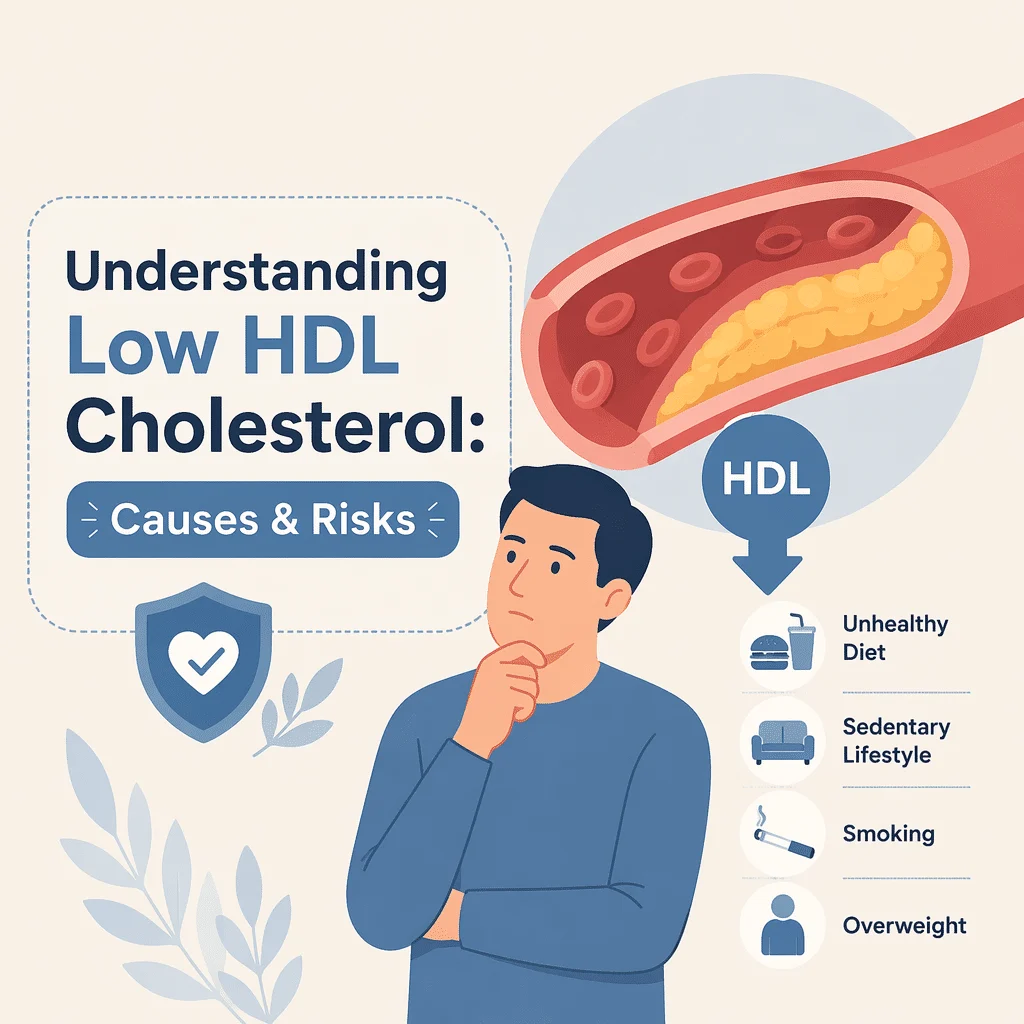
HDL colesterol scăzut înseamnă că sângele tău conține mai puțină lipoproteine cu densitate mare decât nivelul considerat de obicei protector. Este unul dintre cele mai frecvente rezultate la o analiză de rutină a lipidelor și, totodată, unul dintre cele mai înțelese greșit. Timp de treizeci de ani, HDL a fost numit „colesterolul bun", cu implicația că ridicarea lui ar proteja inima. Dovezile s-au schimbat între timp. O valoare scăzută este un semnal de avertizare real, dar cifra în sine s-a dovedit a fi un indicator slab de tratat.
În acest articol vei afla ce înseamnă pragurile, de ce această descoperire apare împreună cu trigliceridele ridicate și rezistența la insulină, ce s-a întâmplat când studiile clinice mari au crescut direct HDL-ul și care sunt valorile la care un clinician chiar intervine.
Ce înseamnă HDL colesterol scăzut pe un profil lipidic
HDL nu este un tip de colesterol, ci o particulă care îl transportă, iar cifra din analizele tale, HDL-C, măsoară colesterolul din interiorul acestor particule, nu particulele în sine. HDL colectează colesterolul în exces din țesuturi, inclusiv din pereții arterelor, și îl returnează la ficat. Acest proces, transportul invers al colesterolului, este cel care i-a adus reputația.
Rezultatul tău apare alături de colesterolul total, colesterolul LDL și trigliceride. Echipa noastră explică cum se efectuează și se citește testul de HDL colesterol. Deoarece valorile sunt calculate parțial una din cealaltă, o singură valoare scăzută este rareori semnificativă de una singură; acest ghid acoperă profilul lipidic complet și cum se corelează valorile sale.
Pragurile folosite în evaluarea riscului
Valorile de referință frecvent citate provin de la organismele naționale de sănătate și din criteriile care definesc sindromul metabolic. Centrele pentru Controlul și Prevenirea Bolilor descriu un HDL dezirabil de cel puțin 40 mg/dL la bărbați și 50 mg/dL la femei; Mayo Clinic oferă aceleași limite în unități metrice. Acestea clasifică persoanele în categorii de risc, fără a trasa o linie clară de promovat sau respins: o valoare cu un punct în plus sau în minus schimbă foarte puțin.
| Valoare HDL-C | Categorie | Echivalent metric | Cum este utilizată |
|---|---|---|---|
| Sub 40 mg/dL (bărbați) | Scăzut | Sub aproximativ 1,0 mmol/L | Contează ca factor de risc în scorurile cardiovasculare |
| Sub 50 mg/dL (femei) | Scăzut | Sub aproximativ 1,3 mmol/L | Același uz; femeile au în medie HDL-C mai mare |
| 40-59 mg/dL | Intermediar | Aproximativ 1,0-1,5 mmol/L | Nici factor de risc, nici protector |
| 60 mg/dL și peste | Considerat protector în mod tradițional | Aproximativ 1,6 mmol/L și peste | Considerat cândva protector; tratat cu mai multă prudență astăzi |
| Peste 100 mg/dL | Foarte ridicat | Peste aproximativ 2,5 mmol/L | Mayo Clinic asociază HDL foarte ridicat cu un risc mai mare, nu mai mic |
Două aspecte practice sunt de reținut. HDL-C variază de la o recoltare la alta, deci o valoare limită izolată merită repetată. Iar femeile au în medie cu aproximativ 10 mg/dL mai mult HDL-C începând din pubertate, motiv pentru care pragul lor de referință este mai ridicat.
Marker sau țintă: ce au arătat cu adevărat studiile clinice
Aici, cea mai mare parte a recomandărilor publicate are un deceniu în urmă. Studiile observaționale constată în mod constant că persoanele cu HDL-C mai scăzut au mai multe evenimente cardiovasculare, de aceea această valoare a rămas în buletinele de analize. Cercetătorii s-au întrebat apoi dacă creșterea lui ar preveni acele evenimente. Răspunsul, testat în mod repetat și costisitor, a fost nu.
Mayo Clinic formulează clar această poziție: studiile clinice nu au demonstrat că creșterea colesterolului HDL cu medicamente reduce riscul de infarct miocardic. Niacina în doze mari a crescut semnificativ HDL-C, dar nu a reușit să reducă evenimentele cardiovasculare atunci când a fost adăugată la terapia cu statine. Inhibitorii CETP, concepuți special pentru a crește HDL-C, l-au crescut dramatic în mai multe studii mari, fără a aduce beneficiul așteptat. O analiză din 2023 publicată în Current Atherosclerosis Reports a concluzionat că niciuna dintre abordări nu a îmbunătățit în mod convingător rezultatele cardiovasculare.
Genetica indică același lucru. Unele variante ereditare scad HDL-C fără o creștere corespunzătoare a riscului coronarian, iar analizele care folosesc diferențele ereditare ca experiment natural nu au susținut un lanț cauzal simplu. O analiză din 2025 publicată în Atherosclerosis, pe aproape trei mii de persoane cu hipercolesterolemie primară, a găsit mai multe decese în grupul cu HDL-C scăzut, însă odată ce factorii de risc obișnuiți au fost luați în calcul, HDL-C nu mai era asociat independent cu mortalitatea.
Interpretarea corectă nu înseamnă nici ignorare, nici alarmă. O valoare scăzută merită atenție ca semnal că se întâmplă altceva, de obicei legat de modul în care organismul tău procesează zahărul și grăsimile. Nu este ceva ce trebuie „reparat" în sine.
Ce cauzează colesterolul HDL scăzut
Rezistența la insulină, diabetul zaharat de tip 2 și excesul de greutate abdominală
Cea mai frecventă explicație este metabolică. Atunci când celulele răspund slab la insulină, ficatul eliberează mai multe particule bogate în trigliceride, iar HDL scade ca urmare. De aceea HDL-C scăzut, trigliceridele crescute, circumferința abdominală mărită, tensiunea arterială mai ridicată și glicemia à jeun crescută apar împreună ca sindrom metabolic. Apare și la persoanele care nu sunt supraponderale, iar echipa noastră detaliază scorul HOMA-IR de rezistență la insulină.
Trigliceridele crescute și relația reciprocă
Trigliceridele și HDL-C evoluează în direcții opuse, iar mecanismul explică mare parte din ceea ce vezi într-un buletin de analize. Proteina de transfer a esterilor de colesterol, sau CETP, schimbă conținutul între particulele de lipoproteine: trigliceridele intră în HDL, colesterolul iese. Când trigliceridele sunt crescute, acest schimb este mai intens, astfel că particulele de HDL ajung încărcate cu trigliceride, sărace în colesterol și eliminate mai rapid. Valoarea scăzută este, în mare parte, o consecință a nivelului de trigliceride, motiv pentru care scăderea trigliceridelor ridică de obicei HDL-C de la sine. Echipa noastră descrie nivelurile crescute de trigliceride și cauzele lor.
Medicamente și afecțiuni medicale
Mai multe medicamente utilizate pe scară largă scad HDL-C ca efect secundar. Biblioteca Națională de Medicină menționează steroizii anabolizanți și testosteronul, progestinele, unele beta-blocante și benzodiazepinele. Diabetul necontrolat îl scade, la fel și stările inflamatorii cronice, bolile renale și unele boli hepatice, parțial deoarece ficatul produce principala proteină din HDL. Bolile acute și intervențiile chirurgicale recente îl reduc temporar, motiv pentru care un set de analize efectuat în timpul unei infecții poate induce în eroare. Pentru a clarifica această imagine, echipa noastră prezintă un test de inflamație CRP și ce măsoară.
Cauze ereditare
Genetica stabilește o mare parte din valoarea ta de bază. Cleveland Clinic menționează hiperlipidemia combinată familială, deficiența de apolipoproteină A-I și boala Tangier printre cauzele ereditare. Acestea sunt rare și contează dintr-un motiv anume: unele scad semnificativ HDL-C fără excesul de boli cardiovasculare pe care l-ai anticipa dacă valoarea în sine ar fi cea care produce daune. Valorile foarte scăzute, aproximativ sub 20 mg/dL, fără o explicație metabolică, merită discutate cu un medic.
Ce înseamnă o valoare scăzută pentru riscul tău
Colesterolul HDL scăzut nu produce simptome. Este descoperit prin analize, nu bănuit după cum te simți. Orice simptom resimțit alături de un rezultat scăzut este mult mai probabil să provină din cauza acestuia, cum ar fi glicemia prost controlată sau o boală tiroidiană.
Ca indicator de risc, funcționează cel mai bine în combinație. CDC notează că trigliceridele crescute împreună cu HDL scăzut sau LDL crescut ridică riscul de infarct și accident vascular cerebral. Calculatoarele formale de risc includ HDL-C deoarece îmbunătățesc predicția, ceea ce este diferit de a spune că acesta cauzează riscul. Compararea valorilor între ele adaugă mai mult decât orice cifră singulară; acest articol explică raportul colesterolului și limitele sale.
Mai mare nu înseamnă întotdeauna mai bine
Presupunerea că un HDL mai mare este întotdeauna mai sigur nu s-a confirmat. Mai multe cohorte mari descriu o curbă în formă de U, mortalitatea crescând din nou la capătul superior al intervalului. Mayo Clinic notează că persoanele cu HDL colesterol natural foarte ridicat, peste aproximativ 100 mg/dL, par să prezinte un risc mai mare de boli cardiovasculare. Cleveland Clinic adaugă că o valoare neobișnuit de mare poate indica ea însăși o tulburare lipidică, un consum excesiv de alcool sau o tiroidă hiperactivă.
Ce să verifici în continuare când HDL-ul este scăzut
Deoarece valoarea este un semnal, nu o țintă, citește-o alături de valorile asupra cărora un medic poate acționa. Colesterolul non-HDL reprezintă colesterolul total minus HDL-C, deci nu necesită un test suplimentar, și captează fiecare particulă purtătoare de colesterol care se poate depune în peretele arterial. ApoB numără acele particule direct. O analiză din 2026 publicată în Cardiovascular Diabetology descrie ambii ca markeri superiori atunci când trigliceridele sunt crescute, exact situația care produce HDL-C scăzut. Echipa noastră explică testul de sânge pentru apoB și ce adaugă față de LDL.
| La ce să te uiți | De ce contează când HDL-ul este scăzut | De unde provine |
|---|---|---|
| Colesterol non-HDL | Însumează toate particulele aterogene într-un singur număr și ghidează deciziile de tratament | Calculat din panelul tău existent |
| ApoB | Numără direct particulele aterogene; este mai precis decât LDL-C când trigliceridele sunt ridicate | Un test de sânge separat |
| Trigliceride | De obicei motivul pentru care HDL-C este scăzut; scăderea lor tinde să îl crească | Profil lipidic standard |
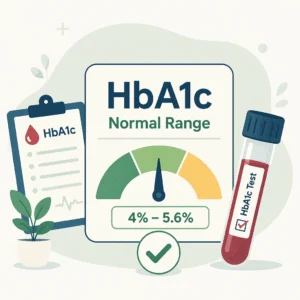
| HbA1c și glicemia à jeun | Testează explicația rezistenței la insulină, cea mai frecventă | Analiză de sânge de rutină |
| TSH | O tiroidă hipoactivă modifică lipidele și poate trece ușor neobservată | Analiză de sânge de rutină |
| Funcția hepatică și renală | Ambele influențează metabolismul lipoproteinelor și pot scădea HDL-C | Paneluri standard |
Verificările metabolice sunt cele mai utile investigații de urmărire. Acest ghid acoperă cum se convertește A1C într-o valoare medie a glicemiei. O tiroidă hipoactivă modifică profilul lipidic în mod discret, iar echipa noastră detaliază nivelurile normale ale tiroidei și intervalele de referință.
Un profil lipidic standard nu mai necesită post alimentar pentru majoritatea oamenilor, deoarece valorile fără post prezic riscul cel puțin la fel de bine; postul este totuși solicitat când trigliceridele sunt foarte crescute sau când este necesar un LDL-C calculat. Echipa noastră explică regulile actuale privind postul înainte de o analiză de sânge.
Când să mergi la medic
O singură valoare scăzută a HDL-C pe un profil altfel normal este un subiect de discutat la următoarea consultație, nu o urgență. Adresează-te medicului mai devreme dacă se aplică oricare dintre cele de mai jos.
- HDL-C-ul tău este foarte scăzut, aproximativ sub 20 mg/dL, fără o explicație metabolică.
- HDL-C scăzut apare împreună cu trigliceride crescute, o talie mai mare sau o glicemie à jeun ridicată.
- Ai antecedente familiale de infarct miocardic sau accident vascular cerebral înainte de 55 de ani la bărbați sau 65 de ani la femei.
- Ai deja diabet, boală cronică de rinichi sau o afecțiune inflamatorie.
- Iei un medicament cunoscut că scade HDL-C, pe care nimeni nu l-a revizuit în raport cu rezultatele tale lipidice.
- Au apărut dureri în piept, dificultăți de respirație la efort sau toleranță redusă la efort. Acestea necesită evaluare promptă, indiferent de valorile lipidelor tale.
Factori de stil de viață asociați cu nivelul HDL
Mai mulți factori din viața de zi cu zi sunt corelați cu HDL-C și merită cunoscuți, chiar dacă obiectivul este riscul tău global, nu cifra în sine. Fumatul scade HDL-C, iar Biblioteca Națională de Medicină notează că și fumatul pasiv are același efect; renunțarea la fumat este urmată de o creștere a HDL-C și reduce riscul cardiovascular prin mai multe mecanisme simultan. Activitatea aerobică regulată este asociată cu valori ușor mai ridicate, iar pierderea în greutate la nivelul abdomenului cu o creștere a acestora. Reducerea carbohidraților rafinați și limitarea alcoolului tind să scadă trigliceridele, ceea ce ridică indirect HDL-C.
Două precauții sunt necesare aici. Alcoolul crește HDL-C fără dovezi de beneficiu cardiovascular, deci nu reprezintă o strategie. Și niciun supliment nu a demonstrat că reduce evenimentele cardiovasculare prin creșterea HDL. Orice modificare a medicației este decizia medicului tău, luată pe baza întregului tău profil de risc, nu a unui singur rând dintr-un raport.
Cele mai recente progrese științifice
Cercetările privind HDL s-au orientat de la cantitate la calitate. Iată unde se află lucrurile, pe înțelesul tuturor.
Funcția începe să conteze mai mult decât cantitatea
Cercetătorii pot măsura acum cât de eficient extrag particulele HDL colesterolul din celule, o proprietate numită capacitate de eflux a colesterolului. O analiză din 2024 publicată în International Immunopharmacology a adunat dovezile că aceasta urmărește riscul cardiometabolic în moduri în care simpla valoare HDL-C nu o face. Ce înseamnă asta pentru tine: două persoane pot avea un rezultat HDL-C identic, în timp ce particulele lor se comportă complet diferit. Este o măsurătoare de cercetare, nu un test pe care să îl soliciți.
Un HDL foarte ridicat nu este automat liniștitor
Un studiu din 2026 publicat în European Journal of Clinical Investigation a constatat că, printre persoanele cu HDL-C peste 80 mg/dL, cele cu boală arterială deja instalată aveau un eflux de colesterol mai slab, în ciuda valorilor similare; grupul a fost mic, deci rezultatele necesită confirmare. O analiză din 2024 publicată în JACC: Advances a urmărit persoane cu HDL-C foarte crescut timp de aproximativ zece ani: jumătate aveau calciu vizibil în arterele coronare, iar riscul lor de deces era de aproximativ trei ori și jumătate mai mare. Ce înseamnă asta pentru tine: o valoare mare nu garantează că particulele funcționează corect, iar o scanare de calciu coronarian — un test imagistic care detectează depozitele calcifiate din arterele inimii — a oferit medicilor mai multe informații decât factorii de risc tradiționali.
Curba în formă de U apare și la persoanele cu diabet
Studiul Fremantle Diabetes a urmărit aproape 1.500 de australieni cu diabet de tip 2 timp de aproximativ un deceniu, rezultatele fiind publicate în Cardiovascular Diabetology în 2024. A identificat aceeași curbă observată în populația generală, cu risc crescut la ambele extreme, în loc să scadă constant pe măsură ce HDL-C creștea. Ce înseamnă asta pentru tine: dacă ai diabet de tip 2, un HDL-C ridicat nu este un motiv să te relaxezi în privința restului profilului tău lipidic. Echipa noastră acoperă nivelurile glicemiei à jeun și ce indică acestea.
Cum a evoluat domeniul în schimb
Deoarece strategiile de creștere a HDL au dezamăgit în mod repetat, atenția s-a îndreptat spre particulele dăunătoare, nu spre cele benefice. Analiza din 2026 publicată în Cardiovascular Diabetology pledează pentru tratarea tuturor lipoproteinelor aterogene, folosind colesterolul non-HDL și apoB ca valori de referință. Ce înseamnă asta pentru tine: dacă HDL-C-ul tău este scăzut, discuția utilă cu medicul tău ar trebui să se concentreze pe aceste două valori și pe glicemie.
Glosar
| Termen | Definiție |
|---|---|
| HDL (lipoproteine cu densitate mare) | Particula care colectează colesterolul în exces și îl transportă la ficat. HDL-C este colesterolul din interiorul ei. |
| LDL (lipoproteine cu densitate mică) | Particula care livrează colesterolul către țesuturi. În exces, se acumulează în pereții arterelor. |
| Colesterol non-HDL | Colesterolul total minus colesterolul HDL: fiecare particulă capabilă să contribuie la boala arterială. |
| ApoB (apolipoproteina B) | O proteină prezentă o singură dată pe fiecare particulă care dăunează arterelor, astfel încât măsurarea ei numără direct acele particule. |
| Trigliceride | Forma principală în care grăsimea circulă și este stocată; nivelurile ridicate însoțesc de obicei colesterolul HDL scăzut. |
| Capacitatea de eflux a colesterolului | O măsură de cercetare a cât de bine elimină HDL-ul colesterolul din celule: funcție, nu cantitate. |
| CETP (proteina de transfer a esterilor de colesterol) | O proteină care transferă substanțe între lipoproteine, legând trigliceridele crescute de HDL colesterolul scăzut. |
| Sindromul metabolic | O combinație de HDL colesterol scăzut, trigliceride crescute, tensiune arterială ridicată, glicemie à jeun crescută și circumferință abdominală mare. |
| Rezistență la insulină | O stare în care celulele răspund slab la insulină, ducând la HDL colesterol scăzut și trigliceride crescute. |
| Calciul coronarian | Depozite calcificate în arterele inimii, vizibile la o tomografie computerizată și folosite pentru a rafina estimările de risc. |
Întrebări frecvente
Este periculos colesterolul HDL scăzut?
Este cel mai bine înțeles ca un semnal de avertizare, nu ca un pericol în sine. Persoanele cu HDL-C scăzut au, în medie, mai multe evenimente cardiovasculare, deci rezultatul merită atenție. De obicei, semnalează un tipar subiacent — cel mai adesea rezistență la insulină sau trigliceride crescute — iar acel tipar este cel care implică riscul și care poate fi abordat. Studiile care au crescut direct HDL-C nu au redus evenimentele cardiovasculare, ceea ce îți arată că numărul este doar un mesager. Tratează-l ca pe un îndemn de a analiza împreună cu medicul tău profilul lipidic complet, glicemia și ceilalți factori de risc.
Ce se întâmplă dacă am HDL scăzut, dar restul analizelor sunt normale?
Aceasta este o combinație frecventă și, în general, liniștitoare. Dacă LDL-colesterolul, non-HDL-colesterolul, trigliceridele, tensiunea arterială și glicemia sunt toate în limite normale, un HDL-C scăzut izolat are mult mai puțină semnificație decât aceeași valoare în cadrul unui sindrom metabolic. Poate reflecta pur și simplu genetica ta. Merită verificate lucrurile care scad HDL-C în mod discret, inclusiv medicamentele, funcția tiroidiană și bolile recente. Majoritatea medicilor vor repeta analizele, vor confirma că este un rezultat izolat și vor prefera monitorizarea în locul intervenției.
Poate HDL-colesterolul scăzut să cauzeze oboseală sau creștere în greutate?
Nu. HDL-colesterolul scăzut nu produce niciun simptom. Dacă te simți obosit sau greutatea ta s-a modificat, explicația se află în altă parte — iar mai mulți dintre factorii obișnuiți scad și ei HDL-C, de aceea simptomele și rezultatul apar împreună. Bolile tiroidiene, diabetul slab controlat și inflamația cronică se încadrează în această descriere. Prin urmare, simptomele merită investigate pe cont propriu, nu atribuite valorii HDL.
HDL-colesterolul scăzut este un semn de cancer?
HDL-colesterolul scăzut nu este un test de screening pentru cancer și nu trebuie interpretat ca atare. Valorile colesterolului, inclusiv HDL, pot scădea în cursul unor boli grave de diverse tipuri, deoarece inflamația și modificările metabolismului hepatic schimbă modul în care lipoproteinele sunt produse și eliminate. Aceasta este o consecință generală a stării de boală, nu un indicator specific pentru cancer, iar marea majoritate a rezultatelor cu HDL scăzut reflectă cauze metabolice obișnuite. Orice scădere inexplicabilă în greutate, simptome persistente sau modificare bruscă a profilului lipidic trebuie evaluate de un medic pe baza propriilor lor merite.
Cât de repede se poate modifica HDL-colesterolul?
Încet și în cantități modeste. Renunțarea la fumat, activitatea aerobică susținută și pierderea în greutate la nivelul taliei sunt fiecare asociate cu creșteri măsurate pe parcursul săptămânilor sau lunilor, de obicei de câteva mg/dL, nu cu o transformare spectaculoasă. Scăderea trigliceridelor ridicate tinde să crească HDL-C mai sigur decât orice altă metodă orientată direct spre HDL. Valorile variază și de la o recoltare la alta din motive care nu au legătură cu tine, așa că un test repetat după câteva luni oferă o comparație mai corectă decât unul făcut la două săptămâni distanță.
Ar trebui să iau un supliment pentru a crește HDL-ul?
Niciun supliment nu a demonstrat că reduce infarctele sau accidentele vasculare cerebrale prin creșterea colesterolului HDL. Cele mai clare dovezi vin de la niacina în doze mari, care crește semnificativ HDL-C și a fost testată în studii mari alături de terapia cu statine, fără a reduce evenimentele cardiovasculare. Produsele vândute pentru susținerea colesterolului nu sunt supuse aceluiași standard de dovezi. Dacă HDL-C-ul tău este scăzut, întrebările pe care merită să le ridici cu medicul tău privesc colesterolul non-HDL, trigliceridele și glicemia.
Surse
- Centers for Disease Control and Prevention — About Cholesterol, 2024 — cdc.gov
- National Library of Medicine, MedlinePlus — HDL: The Good Cholesterol — medlineplus.gov
- Mayo Clinic — HDL cholesterol: How to boost your good cholesterol — mayoclinic.org
- Cleveland Clinic — HDL: Why It’s Good Cholesterol — my.clevelandclinic.org
- Begue F, et al. — HDL as a Treatment Target: Should We Abandon This Idea? — Current Atherosclerosis Reports, 2023 — PubMed
- Brandts J, et al. — Lipid management in type 2 diabetes and non-HDL-cholesterol: target all atherogenic lipoproteins — Cardiovascular Diabetology, 2026 — PubMed
- Kang H, et al. — HDL regulates the risk of cardiometabolic and inflammatory-related diseases: focusing on cholesterol efflux capacity — International Immunopharmacology, 2024 — PubMed
- Padro T, et al. — HDL function and composition in atherothrombotic cardiovascular disease with very high HDL-C — European Journal of Clinical Investigation, 2026 — PubMed
- Razavi AC, et al. — Coronary Artery Calcium for Risk Stratification Among Persons With Very High HDL Cholesterol — JACC: Advances, 2024 — PubMed
- Davis TME, et al. — The relationship between serum HDL-cholesterol, cardiovascular disease and mortality in community-based people with type 2 diabetes: the Fremantle Diabetes Study phase 2 — Cardiovascular Diabetology, 2024 — PubMed
- Bea AM, et al. — Association of HDL cholesterol with all-cause and cardiovascular mortality in primary hypercholesterolemia — Atherosclerosis, 2025 — PubMed
Lectură suplimentară
- Testul de colesterol total: ce înseamnă rezultatele tale
- Colesterol ridicat: simptome, cauze, valori și tratament
- Lipoproteina(a): cum îți citești nivelul de risc cardiac
- Niveluri ridicate de VLDL: ce înseamnă, cauze și riscuri
- Cum să-ți citești rezultatele analizelor de sânge
Înțelege-ți rezultatele analizelor cu AI DiagMe
O valoare scăzută a HDL are sens doar privită în context, alături de celelalte valori. AI DiagMe citește întregul tău profil lipidic ca un tot unitar, punând HDL colesterolul alături de trigliceride, LDL și colesterolul non-HDL, precum și de markerii glicemiei, apoi îți explică pe înțelesul tău ce sugerează această combinație și ce întrebări merită ridicate. Te ajută să îți înțelegi rezultatele. Nu pune diagnostice și nu înlocuiește medicul tău.
Obține interpretarea rezultatelor în câteva minute