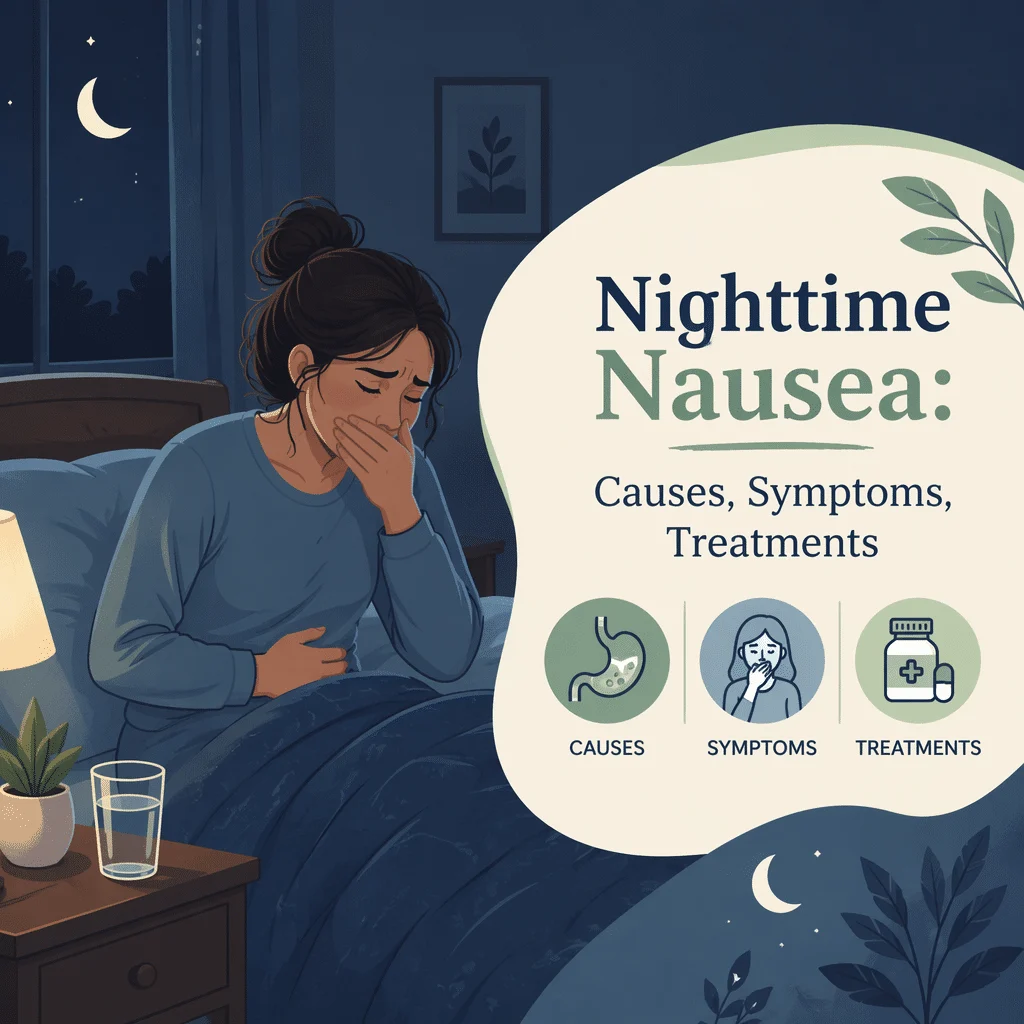
Greața nocturnă are de obicei o explicație mecanică. Când te întinzi pe spate, gravitația nu mai ajută stomacul să-și păstreze conținutul la locul lui, iar un stomac care părea doar plin când erai în picioare poate începe să te facă să te simți cu adevărat rău în câteva minute.
Dar același simptom poate apărea și din cauza sarcinii, a medicamentelor luate seara, a migrenei, a urechii interne, a fluctuațiilor glicemiei pe parcursul nopții și, uneori, din cauza unei afecțiuni care necesită tratament chiar în această noapte.
În acest articol vei afla de ce poziția culcat schimbă modul în care se comportă stomacul tău, care sunt cele mai frecvente cauze, cum să îți recunoști propriul tipar și care combinații de simptome înseamnă că trebuie să oprești lectura și să ceri ajutor. Începe cu caseta de urgență de mai jos. Greața poate fi un semn atipic al unui infarct miocardic, și acest lucru este valabil în mod disproporționat pentru femei și pentru persoanele cu diabet.
Sună la 112 acum dacă greața este însoțită de oricare dintre acestea
Greața poate fi o manifestare atipică a unui infarct miocardic. Femeile și persoanele cu diabet au mai des un infarct fără durerea clasică, zdrobitoare, în piept, astfel că greața poate fi unul dintre cele mai clare semnale pe care le primesc.
- Greață însoțită de disconfort, presiune, greutate sau strângere în piept, chiar și ușoare
- Greață însoțită de dificultăți de respirație, transpirații reci sau oboseală bruscă și copleșitoare
- Greață însoțită de durere în maxilar, gât, umăr, unul sau ambele brațe, partea superioară a spatelui sau deasupra buricului
- Greață însoțită de amețeală, leșin, bătăi rapide sau neregulate ale inimii ori un sentiment de presimțire rea
- Greață sau vărsături însoțite de o durere de cap severă și bruscă, o durere de cap care se agravează când te întinzi sau la trezire, modificări ale vederii, slăbiciune, vorbire neclară, confuzie sau cea mai puternică durere de cap din viața ta
Sună la 112 și solicită o ambulanță. Nu conduce singur. Solicită îngrijire de urgență și în caz de vărsături cu sânge sau cu aspect de zaț de cafea, scaune negre și gudronate, dureri abdominale severe sau imposibilitatea de a ține lichide.
De ce poziția culcat schimbă modul în care se simte stomacul tău
Poziția în picioare și cea așezată te protejează în mod discret. Când ești drept, gravitația trage conținutul stomacului departe de valva de la vârf, iar saliva înghițită continuă să cureți esofagul. Când te întinzi, ambele avantaje dispar. Conținutul stomacului ajunge acum la același nivel cu valva, nu mai jos, iar orice urcă rămâne în contact cu esofagul mai mult timp, deoarece înghiți mult mai puțin în timp ce dormi.
Și conștientizarea se schimbă. Fără nimic care să îți distragă atenția, o senzație de greață pe care ai fi ignorat-o la ora 16:00 devine singurul lucru la care te poți gândi la miezul nopții.
Momentul apariției este cel mai util indiciu. Greața care apare în decurs de o oră de la culcare și se ameliorează când te ridici în șezut sugerează o cauză legată de poziție. Greața care nu se modifică în funcție de poziție este mai probabil legată de hormoni, medicamente, glicemie sau sistemul nervos.
Refluxul: cea mai frecventă explicație pentru greața de noapte
Boala de reflux gastroesofagian, prescurtată de obicei BRGE, este cel mai frecvent motiv pentru care adulții se simt rău noaptea. Institutul Național pentru Diabet și Boli Digestive și Renale descrie BRGE ca apărând atunci când sfincterul esofagian inferior, inelul muscular de la baza esofagului, slăbește sau se relaxează când ar trebui să rămână închis.
Cum se simte cu adevărat refluxul nocturn
Mulți oameni se așteaptă la senzație de arsură și au în schimb greață. Refluxul nocturn se poate manifesta ca un gust acru în fundul gâtului, senzația de nod în gât, o tuse uscată care apare când te întinzi, răgușeală dimineața sau pur și simplu greață fără nicio arsură. Ghidul nostru despre simptomele și tratamentele tusei cauzate de refluxul acid acoperă această suprapunere.
Ce recomandă de obicei medicii
Măsurile pe care medicii le discută cel mai frecvent sunt simple, dar bine dovedite. NIDDK recomandă să mănânci cu două până la trei ore înainte de culcare și să slăbești dacă ai greutate în exces. Ridicarea capului patului cu câțiva centimetri — folosind blocuri sub picioarele patului sau o pernă în formă de pană, nu perne stivuite — menține trunchiul pe o pantă în loc să te îndoaie de la mijloc. Mulți specialiști recomandă și dormitul pe partea stângă în loc de dreapta, precum și reducerea consumului de alcool seara.
Alegerea medicamentelor aparține medicului tău. Acest articol nu oferă doze, iar suprimarea pe termen lung a acidului este o discuție pe care trebuie să o ai cu un medic.
Golirea lentă a stomacului, mesele târzii și alcoolul
Golirea gastrică întârziată și gastropareza
A doua explicație mecanică este un stomac care încă lucrează când te culci. Gastropareza înseamnă că stomacul se golește mai lent decât ar trebui, fără nicio obstrucție fizică. NIDDK enumeră printre simptomele sale: senzația de sațietate la scurt timp după ce începi să mănânci, senzația de plin la mult timp după masă, greață, vărsături, balonare, eructații, durere în partea superioară a abdomenului, arsuri la stomac și lipsă de poftă de mâncare. Diabetul este cea mai frecventă cauză cunoscută, prin afectarea nervului vag care controlează mușchiul stomacal, deși adesea nu se identifică nicio cauză.
Grăsimile încetinesc golirea stomacului la toată lumea, de aceea o masă luată târziu seara are mult mai multe șanse să provoace greață la ora 1 noaptea decât aceleași calorii consumate la prânz. NIDDK menționează, de asemenea, că analgezicele opioide, unele antidepresive și unele medicamente pentru vezică urinară întârzie golirea gastrică.
Mâncatul prea aproape de ora de culcare și alcoolul
Alcoolul este o problemă dublă. Relaxează valva de la partea superioară a stomacului și irită mucoasa, astfel că un pahar luat înainte de culcare pentru a ajuta somnul este o metodă sigură de a te trezi cu greață. Băuturile carbogazoase, ciocolata, menta și porțiile mari au același efect.
Medicamente luate seara care provoacă frecvent greață
Uită-te la rutina ta de seară înainte să cauți o boală. Multe medicamente obișnuite includ greața printre efectele lor frecvente, iar luarea lor la final de zi înseamnă că nivelul maxim apare tocmai când ești culcat.
- Antibioticele, în special cele luate pe stomacul gol
- Metforminul, mai ales în primele săptămâni sau după creșterea dozei
- Analgezicele opioide, care provoacă greață în mod direct și încetinesc și golirea stomacului
- Antidepresivele ISRS și IRSN, cel mai adesea la începutul tratamentului
- Comprimatele de fier, cunoscute pentru greața de seară
- Analgezice antiinflamatoare nesteroidiene, care irită mucoasa stomacului
- Medicamentele GLP-1 folosite pentru diabet și greutate
Cel mai important lucru este să nu oprești nimic pe cont propriu. Notează ce iei, când iei și dacă greața a apărut în săptămânile de după o rețetă nouă sau o schimbare de doză, apoi du acea listă la medicul prescriptor. De multe ori se pot ajusta momentul administrării, alimentele sau forma medicamentului.
Sarcina, anxietatea și migrena
Sarcina: „greața de dimineață" este un termen înșelător
Spunem asta direct, pentru că această credință populară provoacă multă suferință inutilă: greața din sarcină nu se limitează la dimineți. Poate apărea la orice oră, iar pentru multe persoane este mai intensă seara și noaptea. Faptul că te simți bine la micul dejun și ești rău în fiecare seară nu înseamnă că nu ești însărcinată.
Ceea ce necesită atenție este severitatea. Hyperemesis gravidarum, forma extremă a grețurilor din sarcină, implică vărsături persistente, scădere în greutate și deshidratare. Este o afecțiune pentru care trebuie să ceri ajutor medical, nu una pe care să o înduri. Dacă nu poți ține lichidele jos, slăbești sau te simți pe punctul de a leșina, contactează echipa de obstetrică în aceeași zi. Medicii verifică de obicei analize de sânge din timpul sarcinii pentru a evalua hidratarea, sărurile minerale și hemoleucograma.
Anxietatea și atacurile de panică
Intestinul are o inervație bogată și reacționează rapid la adrenalină. Ora de culcare este momentul în care mulți oameni se opresc din mișcare și încep să gândească, astfel că îngrijorările apar dintr-odată. Greața este o componentă obișnuită a unui atac de panică, alături de palpitații, dificultăți de respirație, furnicături și senzație de irealitate. Dacă starea ta de rău vine însoțită de gânduri agitate și dispare odată ce adormi, consultă ghidul nostru despre anxietatea, simptomele și tratamentele ei poate fi lectura mai potrivită. Panica și infarctul miocardic au mai multe caracteristici comune, așa că un prim episod merită o evaluare medicală.
Migrena și cauzele vestibulare
Greața nu este un simptom secundar în migrenă, ci face parte din atac, iar migrena debutează adesea în primele ore ale dimineții și trezește oamenii din somn. Dacă greața ta este însoțită de sensibilitate la lumină și sunet și de durere pulsatilă pe o parte a capului, citește ghidul nostru despre cauzele, simptomele și tratamentele migrenei.
Urechea internă este celălalt vinovat clasic. Vertijul pozițional paroxistic benign, sau VPPB, produce episoade scurte de senzație de rotire declanșate de poziția capului. Greața care apare în momentul în care te întorci în pat, cu senzația că camera se rotește timp de mai puțin de un minut, este aproape un semn caracteristic. Articolul nostru despre cauzele, simptomele și diagnosticul vertijului explică cum testează medicii pentru aceasta.
Glicemia, apneea în somn și alte cauze medicale
Fluctuațiile glicemiei sunt o cauză nocturnă frecventă la persoanele cu diabet. Hipoglicemia nocturnă, adică o glicemie scăzută pe parcursul nopții, se poate manifesta prin greață, transpirații, tremurături, vise vii sau dureri de cap la trezire. Glicemia foarte ridicată poate provoca, de asemenea, greață. Dacă iei insulină sau alte medicamente care scad glicemia, contactează echipa ta de diabet în loc să aștepți să treacă. Medicii analizează de obicei nivelurile glicemiei à jeun alături de un HbA1c.
Apneea obstructivă în somn merită menționată separat. Pauzele repetate în respirație generează variații mari de presiune în interiorul toracelui, care pot împinge conținutul stomacului în sus, iar trezirile frecvente fragmentează somnul. Sforăitul, pauzele respiratorii observate de altcineva, durerile de cap matinale și somnolența în timpul zilei, alături de greață, ar trebui să ducă la o discuție despre apneea în somn și cum este diagnosticată și tratată.
Bolile vezicii biliare urmează un tipar recognoscibil: durere sub coastele drepte la câteva ore după o masă grasă, uneori iradiind spre omoplatul drept, trezind adesea oamenii în toiul nopții cu greață. Inflamația pancreasului poate arăta similar, de aceea amilaza și lipaza sunt recomandate când durerea abdominală superioară și greața apar împreună. Ulcerul peptic, gastrita, gastroenterita și infecția cu Helicobacter pylori se află pe aceeași listă.
Cauzele grave pe care nu trebuie să le ratezi
Greața nocturnă este, în majoritatea cazurilor, benignă. Cele două categorii care merită reținute sunt cea cardiacă și cea neurologică.
Ischemia cardiacă
Reducerea fluxului de sânge către mușchiul inimii nu se anunță întotdeauna printr-o durere în piept zdrobitoare. Institutul Național pentru Inimă, Plămâni și Sânge din SUA include greața și vărsăturile printre simptomele infarctului miocardic și precizează că femeile raportează mai frecvent stare de rău la stomac, oboseală neobișnuită, dificultăți de respirație, anxietate și durere în umăr, spate sau braț, cu sau fără durere în piept. Persoanele cu diabet pot avea o percepție diminuată a durerii și pot face un infarct cu foarte puține semne de avertizare.
Regula este simplă. Greața izolată, care apare într-un tipar pe care îl recunoști, nu este o urgență cardiacă. Greața care este nouă și apare împreună cu disconfort în piept, dificultăți de respirație, transpirații reci, durere în maxilar, braț sau spate, ori cu senzația că ceva este grav în neregulă, necesită apelarea serviciului de urgență 112. Medicii evaluează această situație cu un ECG și analize de sânge, inclusiv troponina, markerul cardiac, la urgențe, nu acasă.
Presiune crescută în interiorul craniului
Greața și vărsăturile cauzate de creșterea presiunii intracraniene au un tipar caracteristic: se agravează dimineața devreme sau când te întinzi, și sunt de obicei însoțite de durere de cap. Tulburările de vedere, slăbiciunea nou apărută, confuzia, instabilitatea sau o durere de cap care se intensifică la tuse ori la aplecarea în față sunt semne de alarmă. O durere de cap bruscă, care atinge intensitatea maximă în câteva secunde și este adesea descrisă ca cea mai puternică durere de cap din viața persoanei respective, reprezintă o urgență.
Potrivește simptomele tale cu o cauză probabilă
Folosește aceasta pentru a organiza ce îi spui medicului. Nu este un diagnostic.
| Tipar | Indică de obicei | Ce să faci |
|---|---|---|
| La o oră după ce te-ai culcat, ameliorându-se când te ridici în șezut | Reflux gastroesofagian | Pauză mai lungă după ultima masă, capul patului ridicat; consultă un medic dacă problema persistă |
| Însoțit de arsuri la stomac, gust acru sau tuse nocturnă | BRGE | Solicită o evaluare în loc să te tratezi singur pe termen lung |
| Te trezește cu durere de cap, mai intensă când ești culcat sau la trezire | Migrenă, rar presiune crescută în interiorul craniului | Consultație în aceeași zi; sună la 112 dacă apare brusc, este severă sau este însoțită de slăbiciune, confuzie sau tulburări de vedere |
| Însoțit de disconfort în piept, transpirații, dificultăți de respirație sau durere în maxilar, braț sau spate | Posibil infarct miocardic, inclusiv fără durere în piept | Sună la 112 imediat |
| În majoritatea zilelor, inclusiv seara, dacă există posibilitatea să fii însărcinată | Greața din sarcină, nu limitată la dimineți | Test de sarcină; consultă un medic urgent dacă nu poți păstra lichidele |
| În momentul în care te întorci, senzație că se învârte camera, sub un minut | Cauză vestibulară, cum ar fi VPPB (vertij pozițional paroxistic benign) | Consultă un medic care poate efectua teste poziționale |
| Te trezește la câteva ore după o masă grasă, cu durere sub coastele drepte | Boală a vezicii biliare | Evaluare; urgentă dacă durerea este severă sau este însoțită de febră sau îngălbenirea pielii |
| Însoțit de transpirații, tremurături și vise vii, la persoane care iau medicamente pentru diabet | Posibilă hipoglicemie (glicemie scăzută) în timpul nopții | Contactează echipa de diabet; nu modifica medicamentele de unul singur |
Când să mergi la medic și ce poate verifica acesta
Programează-te la medic dacă greața nocturnă durează mai mult de câteva săptămâni, îți perturbă somnul câteva nopți pe săptămână, te împiedică să mănânci normal sau a apărut la câteva săptămâni după începerea unui medicament nou. De asemenea, programează-te dacă slăbești fără să vrei, dacă înghițitul este dificil sau dureros ori dacă ai peste 55 de ani și ai simptome digestive superioare noi.
Mergi la medic în aceeași zi dacă ai vărsături repetate, nu poți păstra lichidele, prezinți semne de deshidratare precum urină închisă la culoare sau dureri abdominale severe. Vărsăturile cu sânge sau cu aspect de zaț de cafea, precum și scaunele negre și gudronate, sunt urgențe medicale. Dacă elimini lichid verde sau verde-gălbui, consultă articolul nostru despre vărsături cu bilă explică când contează acest lucru.
Un medic va începe cu istoricul tău, deoarece momentul apariției simptomelor și simptomele asociate fac cea mai mare parte din munca de diagnostic. Pașii următori pot include un test de sarcină, glicemia, o hemoleucogramă completă, teste ale funcției hepatice, funcția renală și electroliții, testarea tiroidiană, testarea pentru Helicobacter pylori, o ecografie a vezicii biliare, o endoscopie digestivă superioară sau un studiu de golire gastrică.
Cele mai recente progrese științifice în înțelegerea grețurilor nocturne
Patru studii recente clarifică imaginea a ceea ce se întâmplă în timpul nopții și a modului în care greața este interpretată de organism.
El Hage Chehade și colegii au publicat o analiză sistematică și meta-analiză în Journal of Gastroenterology and Hepatology în 2023, reunind studii despre apneea obstructivă în somn și boala de reflux. Ce s-a descoperit: persoanele cu una dintre afecțiuni aveau mai multe șanse să o aibă și pe cealaltă, iar asocierea s-a menținut indiferent de instrumentele de diagnostic utilizate și după luarea în calcul a sexului, greutății corporale, fumatului și consumului de alcool. Ce înseamnă asta pentru tine: dacă greața de noapte apare împreună cu sforăitul, cu pauze în respirație observate de altcineva sau cu somnolență în timpul zilei, ridică ambele probleme la aceeași consultație.
Huang și colegii, într-un articol publicat în Frontiers in Medicine în 2024, au comparat persoane cu boală de reflux care dormeau prost cu cele care dormeau bine. Ce s-a descoperit: cei care dormeau prost aveau o expunere mai mare la acid în poziție culcată, episoade de reflux mai lungi, inflamație mai vizibilă a esofagului la endoscopie și scoruri mai ridicate de anxietate și depresie. Ce înseamnă asta pentru tine: refluxul nocturn și somnul perturbat se agravează reciproc, astfel că un plan care abordează doar acidul sau doar somnul tinde să dea rezultate slabe.
Staller și colegii au elaborat Ghidul de Practică Clinică al Asociației Americane de Gastroenterologie privind Managementul Gastroparezei, publicat în revista Gastroenterology în 2025. Concluzia principală: grupul de experți a recomandat un studiu de golire gastrică de patru ore în locul variantei mai scurte de două ore, atunci când se suspectează o golire întârziată. Ce înseamnă asta pentru tine: este rezonabil să întrebi ce protocol a fost utilizat, deoarece un test scurt poate rata diagnosticul.
Mousavi și colegii au analizat diferențele de sex în sindromul coronarian acut în Wiener klinische Wochenschrift în 2023. Ce s-a descoperit: femeile se prezentau mai des cu simptome care nu păreau evident cardiace, ceea ce contribuia la întârzieri mai mari între apariția simptomelor și tratament, iar femeile aveau mai puține șanse să primească terapia recomandată de ghiduri. Ce înseamnă asta pentru tine: dacă ești femeie și ai greață însoțită de oricare dintre semnele de alarmă menționate mai sus, nu minimiza descrierea când suni. Spune că ești îngrijorată de inima ta.
Întrebări frecvente
De ce mi se agravează greața noaptea?
Cel mai adesea din cauza poziției. Culcat, gravitația care menține conținutul stomacului la locul lui dispare, iar în somn înghiți mult mai rar, astfel că orice reflux ajuns în sus rămâne în contact cu esofagul mai mult timp. Mesele târzii și grase agravează situația, deoarece lasă stomacul încă activ când te culci. Alcoolul relaxează valva de la partea superioară a stomacului și îi irită mucoasa. Dozele de medicamente luate seara ating vârful de concentrație tocmai când ești în poziție orizontală. Iar noaptea nu există nimic altceva care să-ți distragă atenția, așa că o ușoară greață pare mult mai intensă decât ar părea la prânz.
Ar trebui să mă îngrijorez din cauza greții fără vărsături?
De obicei, nu prin ea însăși. Greața fără vărsături este extrem de frecventă și este tipică pentru reflux, anxietate, medicamente, sarcina timpurie și golirea lentă a stomacului. Contează simptomele care o însoțesc și cât durează. Greața însoțită de disconfort în piept, dificultăți de respirație sau transpirații necesită evaluare de urgență. Greața însoțită de o durere de cap nouă sau severă necesită evaluare de urgență. Greața care persistă de câteva săptămâni, care te împiedică să mănânci sau care apare împreună cu scădere involuntară în greutate necesită o consultație, chiar dacă nu ai vomitat niciodată.
Sunt însărcinată și mă simt rău în fiecare seară. Este normal?
Da, și expresia „greața de dimineață" este un termen greșit care induce în eroare mulți oameni. Greața și vărsăturile din sarcină pot apărea la orice oră, iar pentru multe persoane sunt mai intense seara sau noaptea. Să te simți bine la micul dejun și rău la ora 21:00 este un tipar recunoscut. Ceea ce nu trebuie pur și simplu îndurat este vărsăturile severe și persistente cu scădere în greutate și deshidratare, cunoscute sub numele de hiperemesis gravidarum. Aceasta necesită îngrijire medicală, uneori inclusiv administrarea de lichide intravenos. Contactează echipa de obstetrică dacă nu poți păstra lichidele în stomac.
Cum pot opri rapid greața noaptea?
În acel moment, stai în șezut în loc să stai întins și rămâi în poziție verticală o vreme înainte de a încerca să adormi din nou. Bea înghițituri mici de apă rece, nu sorbi în grabă. Aerul răcoros și liniștit pe față ajută unele persoane, la fel și respirația lentă pe nas. Evită mirosurile puternice. Pentru nopțile viitoare, măsurile recomandate cel mai frecvent de medici sunt: lasă să treacă două-trei ore între ultima masă și culcare, ține mesele de seară mai ușoare și mai sărace în grăsimi, evită alcoolul și ridică tăblia patului cu câteva suporturi. Orice medicament pentru greață trebuie prescris de medicul tău.
Ar putea fi inima mea?
Da, poate fi, și aceasta este o întrebare la care nu trebuie să tergiversezi. Greața este un simptom recunoscut al infarctului miocardic și este mai probabil să fie simptomul principal la femei și la persoanele cu diabet, care fac adesea infarct fără durerea clasică în piept. Dacă greața ta este nouă și apare împreună cu disconfort în piept, dificultăți de respirație, transpirații reci, amețeală sau durere în maxilar, gât, umăr, braț sau spate, sună la 112 imediat. Nu conduce singur, nu aștepta până dimineața și nu te convinge că nu e grav doar pentru că durerea în piept pare ușoară.
Ce se întâmplă dacă nu am reflux, nu sunt gravidă și nu există o cauză evidentă?
Greața inexplicabilă noaptea are totuși o listă de cauze posibile. Printre cele mai frecvente se numără medicamentele pe care nu le mai consideri noi, anxietatea, migrena fără durere de cap pronunțată, cauze legate de urechea internă declanșate de întoarcerea în pat, apneea obstructivă în somn, bolile vezicii biliare, problemele tiroidiene și fluctuațiile glicemiei. Ținerea unui jurnal de două săptămâni în care să notezi ce ai mâncat, când te-ai culcat, ce medicamente ai luat și exact când a apărut greața va restrânge de obicei cauzele mai repede decât orice analiză individuală. Adu jurnalul la consultație.
Glosar de termeni cheie
| Termen | Definiție |
|---|---|
| Greață | Senzația neplăcută că ești pe punctul de a vomita, care poate apărea cu sau fără vărsături efective |
| Boala de reflux gastroesofagian (BRGE) | O afecțiune în care conținutul stomacului urcă în mod repetat în esofag, provocând simptome sau leziuni |
| Sfincterul esofagian inferior | Inelul muscular de la capătul inferior al esofagului, care ar trebui să rămână închis între înghițituri |
| Gastropareză | Golire întârziată a stomacului fără nicio obstrucție fizică, care provoacă senzație de plenitudine, balonare și greață |
| Scintigrafie de golire gastrică | Un test care urmărește cât de repede părăsește stomacul o masă marcată, folosit pentru a confirma golirea întârziată |
| Hiperemeza gravidică | Greață și vărsături severe și persistente în sarcină, cu scădere în greutate și deshidratare, care necesită îngrijire medicală |
| Vertijul pozițional paroxistic benign (VPPB) | Episoade scurte de senzație de rotire declanșate de schimbările de poziție ale capului, cum ar fi întoarcerea în pat |
| Apnee obstructivă în somn | Pauze repetate în respirație în timpul somnului, cauzate de închiderea căilor respiratorii superioare, adesea însoțite de sforăit |
| Hipoglicemie nocturnă | Un nivel al glicemiei care scade prea mult în timpul nopții, putând provoca greață, transpirații și somn agitat |
| Prezentare atipică | Când o afecțiune apare fără simptomele sale clasice, de exemplu un infarct miocardic care provoacă greață, dar nu durere în piept |
Surse
- National Institute of Diabetes and Digestive and Kidney Diseases — Reflux acid (RGE & BRGE) la adulți
- National Institute of Diabetes and Digestive and Kidney Diseases — Simptome & Cauze ale gastroparezei
- National Heart, Lung, and Blood Institute — Simptomele infarctului miocardic
- National Heart, Lung, and Blood Institute — Infarctul miocardic la femei
- MedlinePlus, National Library of Medicine — Greață și vărsături
- El Hage Chehade N, Fu Y, Ghoneim S, Shah S, Song G, Fass R. Association between obstructive sleep apnea and gastroesophageal reflux disease: a systematic review and meta-analysis. Journal of Gastroenterology and Hepatology, 2023. https://doi.org/10.1111/jgh.16245
- Huang Y, Liu J, Xu L, Qi W, Dai J, Wang B, Tian J, Fu X, Yu Y. Exacerbation of symptoms, nocturnal acid reflux, and impaired autonomic function are associated with sleep disturbance in gastroesophageal reflux disease patients. Frontiers in Medicine, 2024. https://doi.org/10.3389/fmed.2024.1438698
- Staller K, Parkman HP, Greer KB, Leiman DA, Zhou MJ, Singh S, Camilleri M, Altayar O. AGA Clinical Practice Guideline on Management of Gastroparesis. Gastroenterology, 2025. https://doi.org/10.1053/j.gastro.2025.08.004
- Mousavi RA, Lamm G, Will M, Schwarz K, Mascherbauer J. Sex differences in the management and outcome of acute coronary syndrome — still an issue of equal treatment? Wiener klinische Wochenschrift, 2023. https://doi.org/10.1007/s00508-023-02302-4
Lectură suplimentară
- Greață din cauza foamei: cauze, simptome și tratamente
- Ruptura vezicii biliare: simptome, cauze și tratamente
- Greața în perimenopauză: cauze și tratamente
- Hemoleucograma completă: ce înseamnă valorile
- Diabetul: cauze, simptome și tratamente
Înțelege-ți rezultatele analizelor cu AI DiagMe
Greața nocturnă este un simptom, nu un rezultat de laborator, iar AI DiagMe nu pune diagnostice, nu triază simptome și nu este destinat urgențelor. Dacă bănuiești că ar putea fi vorba despre inimă sau creier, sună la 112.
După o consultație pentru greață persistentă, medicul recomandă adesea un set de analize: funcție hepatică, glicemie, hemoleucogramă completă, teste tiroidiene sau test de sarcină. Rezultatele ajung sub formă de cifre și intervale de referință, cu foarte puține explicații. Aici intervine AI DiagMe, traducând rezultatele tale în limbaj simplu, ca să poți pune întrebări mai bune medicului la consultația de urmărire.
Obține interpretarea rezultatelor în câteva minute