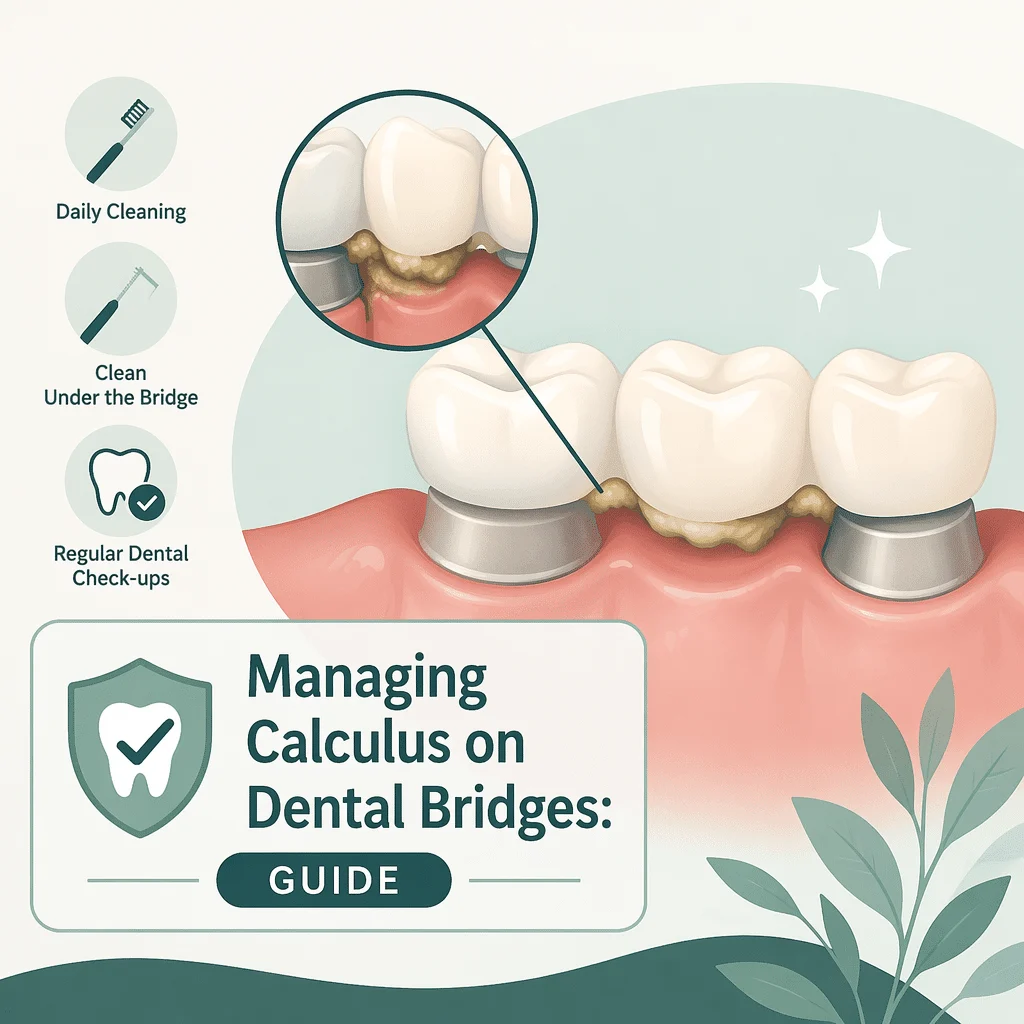
O punte de tartru este o bandă groasă de tartru întărit care se întinde pe doi sau mai mulți dinți și îi unește sub o crustă minerală continuă. Nu este o proteză dentară și nu este ceva ce poți îndepărta singur acasă. Este rezultatul vizibil al lunilor de placă dentară care nu a fost niciodată curățată complet și apare de obicei de-a lungul liniei gingiei la dinții frontali inferiori. Acest articol explică cum arată o punte de tartru, cum se formează și ce face un dentist pentru a o îndepărta. Vei găsi, de asemenea, o comparație a instrumentelor folosite pentru curățarea spațiilor dintre dinți și sub lucrările dentare fixe, rezumate pe înțelesul tuturor ale cercetărilor recente, și analizele de sănătate care însoțesc adesea tratamentul dentar.
Ce este de fapt un punte de tartru
Tartrul dentar, cunoscut în mod obișnuit ca tartru, este placă bacteriană care a absorbit minerale din salivă și s-a solidificat. Puntea de tartru este forma avansată a acestui proces: în loc de depozite separate pe dinți individuali, depunerea crește peste spațiile dintre dinți până formează un brâu continuu. Dacă treci limba peste el, dinții par lipiți sub un raft rugos. Numele descrie forma depozitului, nu o proteză fixă montată de dentist.
Placă bacteriană, tartru și punctul fără întoarcere
Placa bacteriană este un film moale, viu, de bacterii care se reformează pe dinți la câteva ore după periaj. Cât timp este moale, periuța de dinți și ața dentară o îndepărtează. Odată ce mineralele din salivă cristalizează în interiorul ei, filmul se întărește în tartru și se lipește de smalț și de rădăcina dintelui. Din acel moment, instrumentele de uz casnic nu mai sunt eficiente. Stratul întărit este poros, astfel că placa proaspătă se prinde de el mai ușor decât de smalțul neted, iar depozitul crește cu atât mai repede cu cât rămâne mai mult timp.
Unde apare prima dată
Două zone acumulează tartru mai repede decât oriunde altundeva: partea dinspre limbă a dinților frontali inferiori și partea dinspre obraz a molarilor superiori din spate. Ambele se află în dreptul deschiderilor marilor glande salivare, astfel că sunt permanent scăldate în salivă bogată în minerale. O punte de tartru începe de obicei acolo, sub forma unei creste galbene sau bej la marginea gingiei, apoi se extinde spre dinții vecini. Depunerile de sub linia gingiei au o culoare mai închisă, apropiată de maro sau negru, deoarece absorb pigmenți din sânge și din alimente.
Cum se formează o punte de tartru
Secvența este previzibilă. Bacteriile se depun pe un dinte curat în câteva minute și se organizează într-o comunitate structurată numită biofilm. În zilele următoare, acel biofilm se îngroașă. Ionii de calciu și fosfat din salivă precipită în interiorul lui, iar filmul se întărește de la bază în sus. Majoritatea oamenilor formează tartru măsurabil în aproximativ două săptămâni de la întreruperea curățării într-un anumit loc, deși ritmul variază considerabil.
De ce unii oameni acumulează tartru mult mai repede
Chimia salivei este cel mai important factor individual și, în mare parte, nu poate fi controlat. Persoanele a căror salivă conține mai mult calciu și fosfat mineralizează placa dentară mai rapid – de aceea doi oameni cu aceleași obiceiuri de periaj ajung să aibă depozite foarte diferite. Fluxul salivar contează și el: o gură uscată cauzată de medicamente, respiratul pe gură sau deshidratarea lasă placa nedisturbată mai mult timp. Dinții înghesuiți sau rotiți creează zone în care periuța nu poate pătrunde. Fumatul, care modifică atât saliva, cât și răspunsul gingival, este cel mai puternic factor de risc modificabil pentru boala gingivală care urmează.
Semne pe care le poți verifica acasă
Un pod de tartru este una dintre puținele probleme dentare pe care le poți vedea singur, ceea ce îl face un motiv să programezi o consultație, nu un motiv de panică.
Ce poți vedea
- O creastă continuă, galbenă, bej sau maro, care traversează linia gingiei de la un dinte la altul
- Gingii care par umflate, lucioase sau de un roșu mai închis în dreptul depozitului
- Sânge pe periuță sau în chiuvetă, în același loc de fiecare dată
- Dinți care par mai scurți sau mai pătrați, deoarece depozitul acoperă o parte din coroană
- Gingii care se retrag, lăsând suprafețele rădăcinilor expuse
Ce poți simți, gusta și mirosi
Suprafața se simte aspră și granulată acolo unde smalțul ar trebui să fie neted. Mulți oameni observă un miros neplăcut persistent sau un gust acru care revine la câteva ore după periaj, deoarece depozitul poros adăpostește bacterii producătoare de mirosuri. Gingiile pot fi sensibile la mestecarea alimentelor crocante. Dinții nu dor de obicei în acest stadiu, motiv pentru care problema este ignorată până când osul de susținere este afectat.
Când să mergi la dentist
- Poți vedea sau simți o depunere dură care se întinde pe mai mult de un dinte
- Gingiile îți sângerează de cele mai multe ori când te periezi, nu doar din când în când
- Respirația urât mirositoare persistă în ciuda periajului temeinic și a curățării limbii
- Gingiile se retrag, un dinte pare mobil sau și-a schimbat poziția
- Ai o coroană, o punte sau un implant și gingia din jurul acestuia se umflă sau sângerează
- Ai diabet, ești însărcinată sau iei medicamente care usucă gura
Tartrul în jurul coroanelor, punților și implanturilor
Restaurările fixe modifică geometria gurii, iar tartrul profită de acest lucru. Orice coroană are un margine unde restaurarea se întâlnește cu dintele, iar acea joncțiune este un loc preferat de depunere a plăcii. O punte dentară fixă adaugă o a doua problemă: dintele de înlocuire, numit pontică, se sprijină pe gingie, dar nu are rădăcină, lăsând un spațiu acoperit dedesubt în care ața dentară obișnuită nu poate pătrunde de sus.
De ce o punte dentară fixă necesită o rutină diferită
Dinții de susținere de la fiecare capăt al unei punți, cunoscuți ca dinți stâlpi, suportă atât sarcina dintelui lipsă, cât și pe a lor proprie. Dacă tartrul se acumulează la marginile lor și apare boala parodontală, fundația slăbește și întreaga restaurare este pusă în pericol. Un studiu retrospectiv pe punți fixe susținute de dinți a urmărit cazuri timp de până la cincisprezece ani și a constatat că problemele se acumulau constant pe parcursul duratei de viață a restaurării. Acesta este un argument practic pentru a menține dinții de susținere sub supraveghere, în loc să presupui că totul este rezolvat odată ce puntea a fost cimentată.
Implanturi și boala peri-implantară
Implanturile nu se cariază, dar gingiile și osul din jurul lor se pot inflama la fel ca în cazul unui dinte natural. Inflamația timpurie limitată la țesuturile moi se numește mucozită peri-implantară și este, în general, reversibilă; când ajunge la osul de susținere, devine peri-implantită, care nu mai este reversibilă. Depozitele de la nivelul colului implantului sunt un factor declanșator recunoscut, astfel că igienizarea în jurul unei coroane sau punți susținute de implant trebuie să ajungă pe laturile dispozitivului, nu doar pe suprafața vizibilă.
Instrumente de curățare care ajung acolo unde periuța nu poate
Majoritatea oamenilor se periază rezonabil de bine și tot dezvoltă tartru, deoarece periuța este concepută pentru suprafețe largi și nu poate pătrunde în punctul de contact dintre dinți sau în spațiul de sub o punte. Tabelul de mai jos prezintă fiecare instrument în raport cu zonele pe care le atinge și cu limitele sale.
| Instrument | Unde ajunge | Unde se oprește |
|---|---|---|
| Periuță de dinți manuală sau electrică | Suprafețele exterioare, interioare și de masticație, plus linia gingiei accesibile | Perii nu pătrund în punctul de contact dintre doi dinți care se ating |
| Ață dentară standard | Suprafețele plate dintre dinții care se ating și spațiul superficial de sub marginea gingiei | Nu poate trece pe sub o punte fixă și necesită dexteritate constantă |
| Introductor de ață cu ață obișnuită | Partea inferioară a unui pontic de punte și fața interioară a fiecărui dinte de sprijin | Se folosește lent și ața se poate franja pe o margine aspră a coroanei |
| Superfloss cu vârf rigid și miez spongios | Sub un pontic și în jurul spațiilor largi dintr-o singură trecere | Secțiunea spongioasă se uzează rapid și nu se potrivește în contactele strânse |
| Periuță interdentară | Spații mai largi, suprafețe radiculare expuse și spații de lângă stâlpii de punte și implanturi | Trebuie să aibă dimensiunea corectă; o periuță prea mare irită gingia |
| Jet de apă dentar sau irigator oral | Aparate ortodontice, fețele inferioare ale punților și zonele prea strâmte sau prea sensibile pentru ața dentară | Elimină resturile libere, dar nu îndepărtează tartrul depus |
| Detartraj profesional, manual sau cu ultrasunete | Tartrul întărit de deasupra și de sub linia gingiei, inclusiv marginile restaurărilor | Disponibil doar în cabinetul stomatologic |
Modelul este constant: instrumentele folosite acasă determină dacă placa bacteriană se va întări vreodată, iar doar instrumentele profesionale o pot îndepărta odată ce s-a format. Un dispozitiv mai scump nu schimbă această împărțire a responsabilităților.
Cum îndepărtează un stomatolog o punte de tartru
Îndepărtarea este un proces mecanic. Nicio apă de gură, tabletă, ulei sau remediu casnic nu dizolvă tartrul, iar instrumentele de detartraj vândute pentru uz casnic deteriorează adesea smalțul sau taie gingia. Institutul Național de Cercetare Dentară și Craniofacială afirmă clar că doar o curățare profesională îndepărtează tartrul.
Detartraj și chiuretaj radicular, atunci când este necesar
Medicul stomatolog evaluează mai întâi cât de adânc se extinde depozitul sub gingie. Detartrajul îndepărtează calculul de pe coroana dintelui și de pe suprafața radiculară accesibilă, de obicei cu un instrument cu ultrasunete care îl desprinde prin vibrații sub un jet de apă, finalizat manual de-a lungul marginilor. Acolo unde depozitul se află adânc într-un buzunar gingival, netezirea radiculară (root planing) netezeşte rădăcina pentru ca gingia să se poată reatașa. Intervențiile profunde se efectuează de obicei sub anestezie locală, adesea în mai multe ședințe.
La ce să te aștepți după tratament
Dinții par adesea neobișnuiți câteva zile: mai lungi, mai sensibili la rece și separați de spații acolo unde se afla depozitul. Aceasta este forma reală a dinților care reapare, nu o deteriorare. Gingia poate sângera puțin la început, apoi sângerează considerabil mai puțin pe măsură ce inflamația se reduce. Sensibilitatea dispare de obicei în una până la două săptămâni și poate fi ameliorată cu o pastă de dinți desensibilizantă. Echipa ta stomatologică va stabili intervalul de control în funcție de cât de repede se reformează depozitele, iar acel interval face parte din tratament.
Cum previi reapariția punții de tartru
Tartrul revine întotdeauna într-o anumită măsură, deoarece placa bacteriană se reformează în câteva ore. Scopul este să menții placa moale suficient de mult timp pentru a o îndepărta și să ai resturile curățate profesional înainte să se întărească din nou.
O rutină care funcționează
- Periază-te de două ori pe zi timp de două minute cu pastă de dinți cu fluor, înclină perii spre linia gingiei în loc să freci dinții în lateral
- Curăță zilnic spațiile dintre dinți cu ață dentară sau cu o periuță interdentară de dimensiunea potrivită și folosește un introductor sau superfloss pe sub orice punte
- Acordă atenție suplimentară celor două zone cu depozite mari: în spatele dinților frontali inferiori și suprafața exterioară a molarilor superiori din spate
- Adaugă un irigator oral dacă aparatele ortodontice, punțile sau gingia sensibilă fac folosirea aței dentare dificilă, ca un complement, nu ca înlocuitor
- Respectă intervalul de control recomandat de echipa ta stomatologică, chiar și atunci când nu te doare nimic
Obiceiuri, medicamente și starea generală de sănătate
Renunțarea la fumat are un efect mai mare asupra sănătății gingiilor decât orice produs de îngrijire disponibil în comerț. Gustările și băuturile dulci frecvente hrănesc biofilmul bacterian toată ziua, astfel că momentul în care consumi zahăr contează la fel de mult ca și cantitatea. Multe medicamente, printre care unele antidepresive, antihistaminice și medicamente pentru tensiunea arterială, reduc fluxul salivar; dacă gura îți este persistent uscată, menționează acest lucru, deoarece sorbitul de apă, mestecatul de gumă fără zahăr sau utilizarea unui substitut de salivă pot ajuta.
Glicemia necontrolată face boala parodontală mai greu de tratat, motiv pentru care medicii stomatologi întreabă despre controlul diabetului, iar biblioteca noastră de sănătate explică cauzele și simptomele diabetului. Deficiența severă și prelungită de vitamina C provoacă, de asemenea, sângerarea gingiilor; aceeași bibliotecă acoperă beneficiile și sursele alimentare ale vitaminei C și descrie analizele de sânge pentru vitamina C.
Cele mai recente progrese științifice
Cercetările din ultimii trei ani au mutat accentul de pe gadgeturi spre rutină, întreținere și legătura dintre inflamația gingiilor și restul organismului. Fiecare descoperire de mai jos este rezumată într-un limbaj accesibil.
A ști ce trebuie să faci nu este același lucru cu a face efectiv
O analiză Cochrane din 2026 a examinat dacă adăugarea unor tehnici de schimbare a comportamentului — cum ar fi stabilirea de obiective și urmărirea structurată — la sfaturile standard îi ajută pe adulții cu boală parodontală să-și curețe dinții mai consecvent. Autorii au găsit unele indicii că acest lucru ajută, dar au evaluat nivelul de încredere în dovezi ca fiind limitat. O analiză Cochrane reunește toate studiile pe o anumită temă și evaluează cât de siguri putem fi de răspuns, astfel că un verdict prudent are greutate. Ce înseamnă asta pentru tine: dacă depunerile revin în mod repetat, problema este de obicei una de obicei, nu de cunoaștere, așa că cere o rutină scrisă și o dată de control, în loc de o instrucțiune generală de a folosi mai mult ața dentară.
În jurul coroanelor și punților pe implanturi, periuța singură nu este suficientă
O analiză sistematică din 2025, care a combinat mai multe studii, a analizat curățarea în jurul restaurărilor pe implanturi. Adăugarea unui dispozitiv care curăță spațiile dintre dinți — cum ar fi o periuță interdentară sau un irigator oral — a îmbunătățit sănătatea gingiilor din jurul acelor restaurări față de periajul simplu. Spațiul interproximal înseamnă pur și simplu spațiul dintre doi dinți vecini. Ce înseamnă asta pentru tine: dacă ai o coroană sau o punte pe implant, tratează curățarea spațiilor interdentare ca pe o parte esențială a rutinei și întreabă ce dimensiune sau dispozitiv se potrivește cel mai bine restaurării tale.
Jeturile de apă dentare sunt utile acolo unde ața dentară este greu de folosit, dar nu îndepărtează tartrul
O recenzie din 2024 care combina studii efectuate pe persoane cu aparat dentar fix a constatat că dușurile bucale au redus placa bacteriană și sângerarea gingiilor față de curățarea obișnuită singură. O altă recenzie de cartografiere din 2024, care analizează forma dovezilor în loc să le combine, a observat că dispozitivele diferă mult între ele, că majoritatea studiilor sunt de scurtă durată și că beneficiul este cel mai clar atunci când irigarea se adaugă la periaj, nu îl înlocuiește. Ce înseamnă asta pentru tine: un duș bucal este o achiziție rezonabilă dacă aparatul dentar sau gingiile sensibile fac folosirea aței dentare dificilă, dar niciun irigator nu îndepărtează tartrul întărit și nu înlocuiește o ședință de detartraj.
Întreținerea programată este tratament, nu un serviciu suplimentar
Federația Europeană de Parodontologie a publicat în 2023 un ghid de practică clinică privind prevenirea și tratarea bolilor din jurul implanturilor. Recomandarea sa centrală este că prevenția se bazează pe două lucruri împreună: controlul zilnic al plăcii bacteriene acasă și mentenanța profesională la intervale planificate. Un studiu din 2024 a demonstrat același lucru din perspectivă opusă, analizând pacienți cu implanturi care au omis controalele periodice și constatând că inflamația în jurul implantului era frecventă în acel grup. Peri-implantita înseamnă inflamarea gingiei și a osului din jurul unui implant. Ce înseamnă asta pentru tine: dacă ai implanturi sau lucrări de punte, omiterea controalelor periodice reprezintă în sine un factor de risc.
Tratarea gingiilor poate influența rezultatele analizelor tale de sânge
Două analize recente conectează sănătatea gurii cu markerii generali de sănătate. O meta-analiză din 2024 a constatat că tratarea bolii parodontale la persoanele cu diabet a fost urmată de niveluri mai scăzute ale markerilor inflamatori generali, cei care cresc atunci când inflamația este prezentă oriunde în organism. O recenzie sistematică din 2025 a raportat că tratamentul parodontal a fost urmat de îmbunătățiri modeste ale controlului glicemic pe termen lung. Îmbunătățirile au fost reale, dar mici, și nu înlocuiesc medicația pentru diabet sau sfatul medicului care îl gestionează. Ce înseamnă asta pentru tine: spune-i medicului care îți gestionează diabetul că urmezi un tratament parodontal și informează-ți dentistul despre rezultatele tale recente.
Laboratoarele măsoară glicemia pe termen mai lung cu analizele de sânge HbA1c, și mulți oameni urmăresc și nivelurile glicemiei à jeun. Medicii comandă frecvent un test de proteină C reactivă, iar noi explicăm separat ce poate însemna un rezultat crescut al CRP. Un clinician care evaluează o infecție gingivală recurentă va solicita adesea hemoleucograma completă, și poate adăuga un test de sânge pentru vitamina D (25-OH vitamina D). Niciunul dintre acestea nu diagnostichează un pod de tartru; ele descriu terenul în care boala parodontală fie se stabilizează, fie se ameliorează.
Glosar
| Termen | Definiție |
|---|---|
| Placa bacteriană dentară | Pelicula moale și lipicioasă de bacterii care se formează pe dinți la câteva ore după periaj. Poate fi îndepărtată cu periuța de dinți și ața dentară cât timp este încă moale. |
| Biofilm | O comunitate organizată de bacterii care trăiesc într-o matrice protectoare pe care o construiesc ele însele. Placa bacteriană dentară este un biofilm, ceea ce explică parțial de ce clătirea singură nu o îndepărtează. |
| Tartrul dentar | Placa bacteriană care a absorbit minerale din salivă și s-a întărit pe suprafața dintelui. Odată format, poate fi îndepărtat doar cu instrumente dentare. |
| Podul de tartru | O bandă continuă de tartru întărit care acoperă doi sau mai mulți dinți adiacenți, astfel încât dinții par uniți de-a lungul liniei gingivale. |
| Gingivita | Inflamație limitată la țesutul gingival, care provoacă roșeață, umflare și sângerare. Este reversibilă atunci când placa bacteriană și tartrul care o cauzează sunt îndepărtate. |
| Parodontita | O boală parodontală mai avansată, în care inflamația ajunge la osul care susține dinții. Osul pierdut nu se regenerează, astfel că scopul tratamentului este oprirea pierderii ulterioare. |
| Detartrajul și planarea radiculară | Procedura stomatologică prin care se îndepărtează depunerile de pe coroana și rădăcina dintelui, după care suprafața rădăcinii este netezită pentru ca gingia să se poată reatașa. |
| Corpul de punte | Dintele artificial dintr-o punte dentară care umple spațiul liber. Se sprijină pe gingie fără a avea o rădăcină, astfel că placa bacteriană se poate acumula în spațiul de sub el. |
| Dintele stâlp | Un dinte natural pregătit pentru a susține unul dintre capetele unei punți dentare. Sănătatea sa pe termen lung determină cât durează întreaga restaurare. |
| Peri-implantita | Inflamația gingiei și a osului din jurul unui implant dentar, cu pierderea osului de susținere. Stadiul mai timpuriu, reversibil, limitat la gingie, se numește mucozită peri-implantară. |
Întrebări frecvente
Pot îndepărta un pod de tartru acasă?
Nu. Tartrul întărit este lipit de suprafața dintelui și are o duritate apropiată de cea a osului, deci nu răspunde la periaj, clătire, oil pulling, paste cu bicarbonat de sodiu sau oțet. Instrumentele metalice și racletele vândute online au aceeași formă ca instrumentele profesionale, dar sunt folosite fără lupă, iluminare sau cunoașterea locului unde se termină depozitul și unde începe rădăcina; rezultatele frecvente sunt smalțul zgâriat, țesutul gingival tăiat și depozitele împinse mai adânc în punga gingivală. Curățarea acasă este cu adevărat eficientă, dar rolul ei este să prevină întărirea plăcii bacteriene de la bun început, nu să o îndepărteze după ce s-a format.
Poate un punte de tartru să cauzeze respirație urât mirositoare?
Frecvent, da. Depozitul este poros și se află la nivelul gingiei, oferind adăpost bacteriilor care eliberează compuși sulfuroși pe măsură ce descompun proteinele din alimente și din țesutul gingival inflamat. De aceea mirosul revine la câteva ore după periaj și de aceea mentele și apa de gură îl maschează doar pentru scurt timp. Respirația se îmbunătățește de obicei vizibil în zilele de după o curățare profesională. Dacă persistă după îndepărtarea depozitelor, merită verificate și alte cauze, printre care limba acoperită cu depuneri, gura uscată, scurgerea nazală și pietrele amigdaliene.
Este dureroasă îndepărtarea unui punte de tartru?
Majoritatea oamenilor consideră detartrajul de deasupra gingiei mai degrabă inconfortabil decât dureros, cu senzații de vibrație, apă rece și presiune. Acolo unde depozitele se extind adânc sub gingie sau unde gingiile sunt deja inflamate și sensibile, se oferă de obicei anestezie locală, care face ședința ușor de suportat. Spune-i clinicianului din timp dacă ești sensibil sau anxios, deoarece ședința poate fi împărțită în sesiuni mai scurte. După procedură, așteptați-vă la o ușoară sensibilitate și la sensibilitate la rece câteva zile, nu la durere de lungă durată.
Cât de repede revine tartrul după o curățare?
Placa bacteriană se reformează în câteva ore, iar la persoanele care o mineralizează rapid, noul tartru poate fi măsurabil în câteva săptămâni în locurile obișnuite. Acest lucru este normal și nu înseamnă că curățarea a eșuat. Ceea ce schimbă evoluția este curățarea zilnică dintre dinți și un interval de control adaptat propriului ritm de acumulare. Cineva care formează depozite rapid poate fi consultat la fiecare trei sau patru luni, în timp ce cineva cu o acumulare mai lentă și gingii sănătoase poate fi consultat o dată sau de două ori pe an.
Poate un punte de tartru să ducă la pierderea dinților?
Nu direct, dar declanșează procesul care poate duce la asta. Depozitele țin bacteriile lipite de gingie, gingiva se inflamează, iar la persoanele predispuse inflamația se extinde până la osul care ancorează dinții. Pe măsură ce osul se pierde, dinții se clatină și pot cădea în cele din urmă. Acest proces durează ani de zile și poate fi oprit aproape în orice moment prin îndepărtarea depozitelor și controlul plăcii bacteriene care se reface. Dinții care se clatină deja sau care s-au deplasat necesită o evaluare promptă, nu o atitudine de „așteptăm să vedem".
Va afecta un punte de tartru o coroană, un pod dentar sau un implant pe care îl am deja?
Da, poate. Depozitele se acumulează ușor la marginea unde o restaurare se întâlnește cu dintele și sub dintele artificial al unui pod fix, acolo unde ața dentară obișnuită nu ajunge. În jurul implanturilor, aceleași depozite contribuie la inflamarea gingiei și, ulterior, a osului. Restaurarea în sine nu se cariază, dar țesuturile și dinții de susținere din jur se pot deteriora, ceea ce scurtează durata de viață a lucrării. Cere echipei tale stomatologice să îți demonstreze cum se folosește un fir cu ac dentar, superfloss sau o periuță interdentară potrivită pentru restaurarea ta specifică.
Surse
- National Institute of Dental and Craniofacial Research — Periodontal (Gum) Disease: causes, symptoms, risk factors and treatment — nidcr.nih.gov
- MedlinePlus Medical Encyclopedia (U.S. National Library of Medicine) — Gingivitis: plaque, tartar and professional cleaning — medlineplus.gov
- Centers for Disease Control and Prevention — About Oral Health: common oral conditions and prevention — cdc.gov
- American Dental Association, MouthHealthy — Bridges: what they are and how they are supported — mouthhealthy.org
- O’Malley L, et al. — Behavioural interventions for improving oral hygiene in adults with periodontal diseases — Cochrane Database of Systematic Reviews, 2026 — doi.org/10.1002/14651858.CD012049.pub2
- Bishti S, et al. — Optimizing implant hygiene: the added value of interproximal cleaning devices around implant-supported restorations, a systematic review and meta-analysis — International Journal of Implant Dentistry, 2025 — doi.org/10.1186/s40729-025-00652-4
- Zarei Z, et al. — The effectiveness of oral irrigators on periodontal health status and oral hygiene of orthodontic patients: a systematic review and meta-analysis — BMC Oral Health, 2024 — doi.org/10.1186/s12903-024-05255-w
- Sarkisova F, et al. — Oral irrigation devices: a scoping review — Clinical and Experimental Dental Research, 2024 — doi.org/10.1002/cre2.912
- Herrera D, et al. — Prevention and treatment of peri-implant diseases: the EFP S3 level clinical practice guideline — Journal of Clinical Periodontology, 2023 — doi.org/10.1111/jcpe.13823
- Ruiz-Romero V, et al. — Peri-implantitis la pacienții fără terapie de susținere regulată: prevalență și factori de risc — Clinical Oral Investigations, 2024 — doi.org/10.1007/s00784-024-05673-8
- da Silva Barbirato D, et al. — Îmbunătățirea stării inflamatorii după terapia parodontală la pacienții diabetici: o meta-analiză a studiilor clinice randomizate controlate — Clinical Oral Investigations, 2024 — doi.org/10.1007/s00784-024-05905-x
- Umezaki Y, et al. — The role of periodontal treatment on the reduction of hemoglobin A1c, compared with existing medication therapy: a systematic review and meta-analysis — Frontiers in Clinical Diabetes and Healthcare, 2025 — doi.org/10.3389/fcdhc.2025.1541145
- Alenezi A, et al. — Complicații tehnice ale protezelor dentare fixe sprijinite pe dinți de diferite lungimi: un studiu retrospectiv de până la 15 ani — BMC Oral Health, 2023 — doi.org/10.1186/s12903-023-03121-9
Lectură suplimentară
- Hemoglobina glicată: un ghid pentru controlul glicemiei
- Testul de sânge pentru diabet explicat
- Analizele de sânge pentru calciu total
- Nivelurile de zinc și analizele de sânge pentru zinc
- Calculi amigdalieni ascunși: simptome, cauze și tratamente
Înțelege-ți rezultatele analizelor cu AI DiagMe
Inflamația gingiilor cauzată de un pod de tartru nu rămâne doar în gură: aceasta interacționează cu controlul glicemiei, cu inflamația generală și cu starea nutrițională, motiv pentru care rezultatele stomatologice și cele medicale sunt mai ușor de înțeles privite împreună. AI DiagMe te ajută să înțelegi valori precum HbA1c și glicemia à jeun, proteina C reactivă, vitamina D și hemoleucograma completă, în limbaj simplu, nu în termeni de laborator. Este conceput să te ajute să înțelegi ce descriu valorile tale și ce întrebări merită ridicate; nu pune un diagnostic și nu înlocuiește medicul stomatolog sau medicul tău.
Obține interpretarea rezultatelor în câteva minute