Numărul de globule roșii măsoară câte celule transportoare de oxigen circulă într-un volum determinat de sânge și este una dintre primele valori pe care medicii le verifică atunci când investighează oboseala, dificultățile de respirație sau o hemogramă completă anormală. Acest articol explică ce măsoară de fapt această valoare, cum să o citești în raport cu intervalul de referință al laboratorului tău, ce poate însemna un rezultat crescut sau scăzut și când merită o discuție cu medicul tău. În acest articol vei afla cum diferă această valoare față de markeri înrudiți precum hemoglobina și hematocritul, care sunt cele două direcții principale în care poate evolua un rezultat și ce pași practici poți urma în fiecare situație.
Ce măsoară numărul de globule roșii
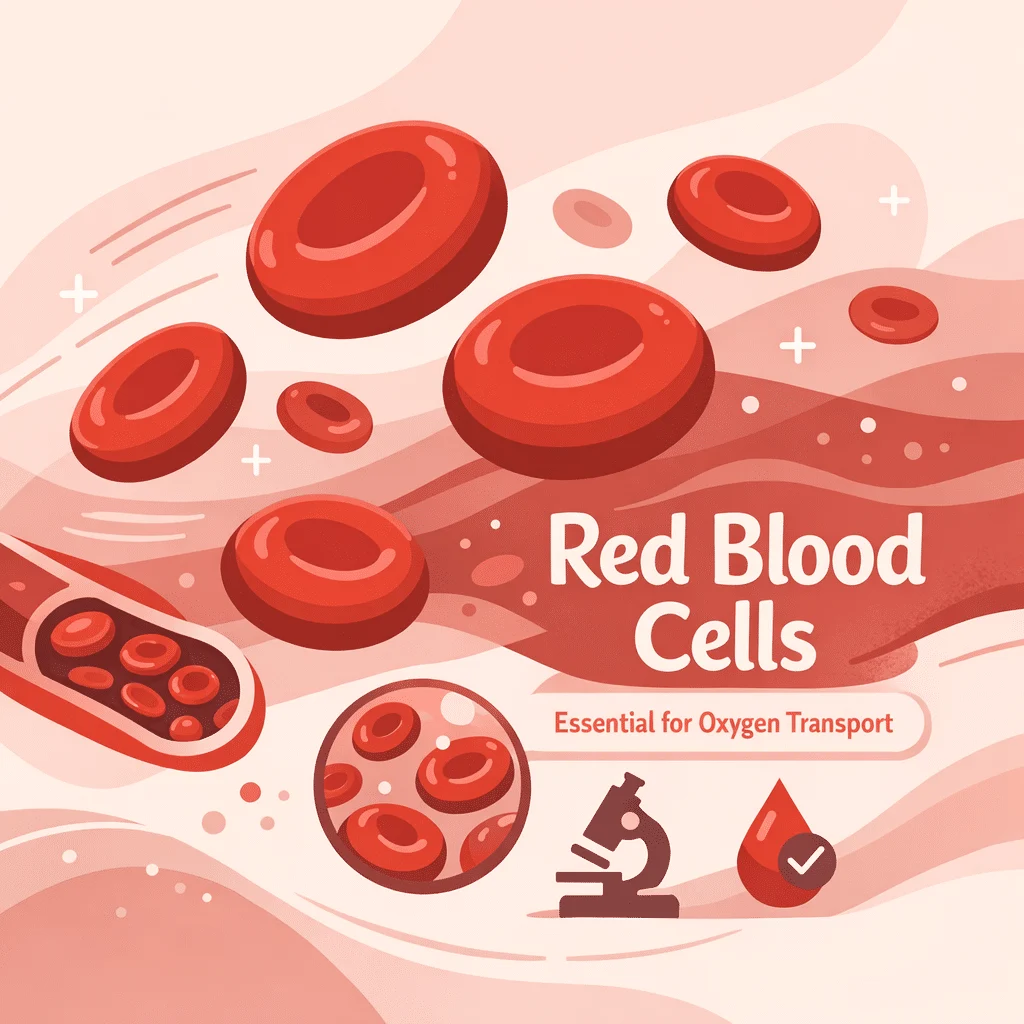
Globulele roșii, numite și eritrocite, sunt cele mai numeroase celule din sângele tău. Rolul lor este să transporte oxigenul din plămâni către fiecare țesut din organism, apoi să ducă înapoi dioxidul de carbon pentru a fi eliminat prin expirație. Numărul de globule roșii pur și simplu numără câte dintre aceste celule sunt prezente într-un volum fix de sânge, raportat de obicei ca milioane de celule pe microlitru (milioane/µL) sau, în unele buletine, ca trilioane pe litru (×10¹²/L). Ambele unități descriu același lucru, doar pe scări diferite.
Măduva osoasă, țesutul moale din interiorul oaselor tale, produce aproximativ două milioane de globule roșii noi în fiecare secundă. În timpul dezvoltării, aceste celule își pierd nucleul pentru a face loc unei capacități mai mari de transport al oxigenului, ceea ce înseamnă și că nu se pot repara singure odată deteriorate. Fiecare celulă supraviețuiește în mod obișnuit aproximativ 120 de zile, după care este descompusă și înlocuită.
Rolul hemoglobinei
Hemoglobina este proteina bogată în fier din interiorul fiecărei globule roșii și este cea care leagă și eliberează efectiv oxigenul. O singură globulă roșie conține sute de milioane de molecule de hemoglobină, iar hemoglobina este și cea care dă sângelui culoarea roșie. Deoarece numărul de globule roșii și hemoglobina evoluează de obicei împreună, medicii le analizează în paralel, nu separat. Mai multe detalii găsești în ghidul nostru despre hemoglobină și ce măsoară acest marker important din sânge.
Numărul de globule roșii față de hemoglobină și hematocrit
Aceste trei valori apar împreună în aproape orice hemoleucogramă completă și este util să știi cum diferă între ele. Numărul de globule roșii reprezintă pur și simplu câte celule există. Hemoglobina măsoară proteina de transport al oxigenului din interiorul acestor celule. Hematocritul măsoară procentul din volumul total al sângelui tău care este format din globule roșii. O persoană poate avea un număr normal de celule, dar o hemoglobină scăzută dacă celulele sunt mai mici sau conțin mai puțină hemoglobină decât de obicei — acesta este unul dintre motivele pentru care medicul tău nu se uită niciodată doar la numărul de globule roșii.
Tabelul de mai jos compară ce reprezintă fiecare valoare și unde poți afla mai multe despre markerii corelați.
| Marker | Ce măsoară | Unitate tipică |
|---|---|---|
| Numărul de globule roșii | Numărul de globule roșii dintr-un volum determinat de sânge | Milioane/µL sau ×10¹²/L |
| Hemoglobină | Proteina din interiorul globulelor roșii care transportă oxigenul | g/dL |
| Hematocrit | Procentul din volumul sanguin format din globule roșii | % |
| MCV, MCH, MCHC | Dimensiunea și conținutul de hemoglobină al globulelor roșii individuale | fL, pg, g/dL |
Pentru o prezentare mai detaliată a modului în care toate aceste valori se regăsesc împreună într-un singur buletin de analize, consultă ghidul nostru despre hemoleucograma completă și principalele sale secțiuni, și explicația noastră despre hematocrit și ce înseamnă acest marker înrudit din analizele de sânge.
De ce contează acest marker
Globulele roșii interacționează cu aproape toate sistemele din organism, deoarece fiecare țesut depinde de un aport constant de oxigen. Când numărul lor scade sau crește prea mult, consecințele se instalează treptat, nu peste noapte. Un număr persistent scăzut, numit anemie, poate duce la oboseală cronică, dificultăți de concentrare și, în cazuri severe sau netratate, la suprasolicitarea inimii. Un număr persistent crescut, numit policitemie, îngroașă sângele și crește riscul de cheaguri de sânge, care pot contribui la un accident vascular cerebral sau un infarct miocardic.
Anemia afectează aproximativ un sfert din populația globală, iar deficiența de fier este cea mai frecventă cauză subiacentă. Policitemia este mult mai rară, dar este exact tipul de descoperire care beneficiază de a fi depistată din timp la o analiză de rutină, mai degrabă decât să fie identificată abia după apariția simptomelor.
Cum să citești rezultatul numărului de globule roșii
Pe un buletin de analize, acest marker apare de obicei în secțiunea hemogramei complete, etichetat RBC, eritrocite sau, uneori, număr de hematii. Rezultatul tău se află lângă intervalul de referință — intervalul de valori considerate tipice pentru o populație sănătoasă de același sex și aceeași vârstă. Dacă rezultatul tău se încadrează în acest interval, este în general raportat ca normal.
Tabelul de mai jos prezintă intervalele de referință tipice pentru adulți. Tratează-le doar ca orientare generală, deoarece valorile exacte variază în funcție de laborator, metodă și populație.
| Grup | Interval de referință tipic |
|---|---|
| Bărbați adulți | 4,7–6,1 milioane/µL (4,7–6,1 ×10¹²/L) |
| Femei adulte | 4,2–5,4 milioane/µL (4,2–5,4 ×10¹²/L) |
| Copii | 4,0–5,5 milioane/µL (4,0–5,5 ×10¹²/L) |
Mai mulți factori pot modifica în mod legitim aceste intervale. Sexul este cel mai important factor, deoarece nivelurile mai ridicate de testosteron la bărbați stimulează o producție mai mare de globule roșii. Vârsta, sarcina și chiar altitudinea la care locuiești contează, de asemenea, deoarece aerul mai rarefiat la altitudini mari determină organismul să producă mai multe globule roșii pentru a compensa. Pentru o imagine mai amplă despre cum sunt stabilite intervalele de referință și de ce diferă între laboratoare, ghidul nostru despre valorile normale ale analizelor de sânge și cum sunt stabilite acoperă subiectul în profunzime, iar ghidul nostru pas cu pas despre cum să citești rezultatele analizelor de sânge ca un raport complet explică cum să interpretezi o singură valoare marcată în raport cu restul analizelor tale.
Număr scăzut de globule roșii: ce poate însemna
Un număr sub intervalul de referință este un semn de anemie, deși anemia în sine este definită mai precis prin hemoglobina scăzută decât prin numărul de celule singur. Există mai multe cauze subiacente frecvente, care tind să se încadreze în câteva tipare recognoscibile.
Anemie feriprivă
Aceasta este cea mai frecventă cauză a unui număr scăzut la nivel mondial. Fără suficient fier, măduva osoasă nu poate produce suficientă hemoglobină, astfel că produce globule roșii mai mici și mai puțin eficiente. Simptomele tipice includ oboseală, paloarea pielii, unghii fragile și subțierea părului. Medicii urmăresc adesea un număr scăzut cu un profil al fierului pentru a confirma diagnosticul; ghidul nostru despre profilul fierului și ce înseamnă fiecare marker din el explică cum se corelează feritina, fierul seric și saturația transferinei.
Deficit de vitamina B12 sau acid folic
Un deficit de vitamina B12 sau folat (vitamina B9) perturbă producția de globule roșii într-un mod diferit. În loc să producă celule mai mici, măduva osoasă generează celule anormal de mari și imature, care nu funcționează corespunzător. Aceasta poate provoca simptome neurologice, cum ar fi furnicături sau amorțeală, pe lângă simptomele obișnuite ale anemiei. Articolul nostru despre testul pentru acid folic și ce indică rezultatele tale explică în detaliu acest mecanism.
Anemia hemolitică și alte cauze
Anemia hemolitică apare atunci când globulele roșii sunt distruse mai repede decât le poate înlocui măduva osoasă, ceea ce poate fi cauzat de tulburări imune, afecțiuni ereditare sau leziuni mecanice. Semnele includ icter, urină închisă la culoare și oboseală bruscă. Bolile cronice, bolile renale și sarcina pot, de asemenea, să scadă numărul de globule roșii fără o cauză nutrițională clară — în timpul sarcinii, volumul plasmatic crește mai rapid decât producția de globule roșii, diluând astfel numărul acestora chiar și atunci când rezervele de fier sunt adecvate. Ghidul nostru despre analizele de sânge în sarcină și ce urmărește fiecare rezultat acoperă acest aspect în mai mult detaliu.
Număr crescut de globule roșii: ce poate însemna
Un număr peste intervalul de referință se numește policitemie sau eritrocitoză și face sângele mai vâscos, crescând astfel riscul de tromboză.
Policitemia primară
Policitemia vera este un cancer rar al sângelui cauzat de o mutație genetică în celulele stem ale măduvei osoase, care determină supraproducția de globule roșii independent de nevoile reale de oxigen ale organismului. Simptomele includ adesea roșeața feței, mâncărime după o baie sau un duș fierbinte, dureri de cap și amețeli. Un test de sânge pentru mutația genei JAK2 confirmă de obicei acest diagnostic.
Policitemia secundară
Aceasta este mult mai frecventă și reprezintă răspunsul adaptativ al organismului la un deficit cronic de oxigen. Bolile pulmonare cronice, cum ar fi BPOC, fumatul pe termen lung, apneea în somn și locuitul la altitudine mare sunt factori declanșatori tipici, deoarece organismul crește producția de globule roșii pentru a compensa disponibilitatea redusă de oxigen. Anumite afecțiuni renale și tumori pot provoca uneori același efect prin creșterea nivelului hormonului eritropoietină, care stimulează producția de globule roșii.
Deshidratarea și creșterea falsă a valorilor
Nu orice rezultat crescut reflectă un număr mai mare de globule roșii. Dacă ești deshidratat, componenta lichidă a sângelui scade, în timp ce numărul de globule roșii rămâne același, ceea ce concentrează proba și poate ridica temporar numărul peste intervalul de referință. De obicei, acest lucru se rezolvă după rehidratare, motiv pentru care un număr crescut este adesea reverificat după o perioadă de aport normal de lichide, înainte de a se efectua investigații suplimentare.
Comparație rapidă între anemie și policitemia
Deoarece aceste două afecțiuni se află la capete opuse ale aceluiași marker, o privire comparativă poate face mai ușor de urmărit tiparul.
| Caracteristică | Valoare scăzută (anemie) | Valoare crescută (policitemia) |
|---|---|---|
| Simptome frecvente | Oboseală, paloare, dificultăți de respirație | Roșeață facială, mâncărime, dureri de cap |
| Cea mai frecventă cauză | Deficit de fier | Nivel scăzut cronic de oxigen în sânge (secundar) |
| Principalul risc pentru sănătate | Oxigenare redusă a țesuturilor | Sânge mai vâscos, risc crescut de cheaguri |
| Primul test de urmărire recomandat | Studii ale fierului, B12, folat | Testare pentru mutația JAK2, niveluri de oxigen |
Poți avea anemie cu un număr normal de globule roșii?
Da, și acesta este un motiv frecvent de confuzie. Anemia este definită tehnic prin hemoglobină scăzută, nu neapărat printr-un număr mic de celule. Este posibil să ai un număr normal de globule roșii care sunt individual prea mici sau conțin prea puțină hemoglobină — un tipar numit anemie hipocromă. De aceea, medicii analizează întotdeauna numărul de globule alături de hemoglobină, hematocrit și indicii eritrocitari, nu izolat. Ghidurile noastre despre MCHC scăzut și ce înseamnă pentru globulele tale roșii și feritina scăzută și legătura ei cu rezervele de fier explică în detaliu acest scenariu.
Când să mergi la medic
Cele mai multe rezultate ușor anormale, izolate, nu reprezintă urgențe, dar există câteva situații care necesită atenție promptă.
- Un rezultat pe care medicul tău l-a semnalat în mod specific sau ți-a cerut să îl discuți.
- Oboseală nouă sau agravată, dificultăți de respirație, amețeli sau palpitații.
- Roșeață facială, mâncărime persistentă (mai ales după un duș fierbinte) sau dureri de cap inexplicabile însoțite de o valoare crescută.
- Îngălbenirea pielii sau a ochilor, urină închisă la culoare sau paloare bruscă, care pot semnala distrugerea globulelor roșii.
- Un rezultat marcat anormal sau mai multe valori din hemoleucogramă care sunt anormale împreună, nu o singură abatere ușoară, izolată.
Dacă niciunul dintre acestea nu se aplică și rezultatul tău este doar ușor în afara intervalului de referință, fără simptome, medicul tău va sugera probabil o simplă reverificare peste câteva săptămâni sau luni, nu o acțiune imediată.
Pași practici în funcție de rezultatul tău
Informațiile generale te pot ajuta să înțelegi la ce să te aștepți, însă doar medicul tău poate adapta pașii următori la situația ta specifică.
Dacă numărul tău de eritrocite este ușor scăzut, un test de control peste câteva luni este obișnuit, iar creșterea consumului de alimente bogate în fier — precum carnea slabă, lintea și spanacul — combinată cu o sursă de vitamina C pentru a îmbunătăți absorbția, este adesea un prim pas rezonabil. Dacă numărul este foarte scăzut sau ai simptome semnificative, este important să consulți un medic cât mai curând, deoarece cauza de bază trebuie identificată înainte de a începe orice supliment — cel greșit poate fi ineficient sau poate masca o problemă mai gravă. Dacă numărul tău este ridicat, hidratarea corespunzătoare, limitarea consumului de alcool și renunțarea la fumat sunt măsuri practice în timp ce medicul tău investighează cauza; o valoare persistent crescută merită întotdeauna o evaluare medicală adecvată, nu automedicație.
Cele mai recente progrese științifice
O analiză sistematică din 2024 a examinat modul în care valorile globulelor roșii se modifică odată cu vârsta și cum ar putea fi folosite ca biomarkeri timpurii ai schimbărilor de sănătate legate de îmbătrânire. Cercetătorii au descoperit că mai multe valori ale eritrocitelor — inclusiv concentrația hemoglobinei, dimensiunea celulelor (VEM) și variația dimensiunii acestora (RDW) — se modifică în moduri destul de consistente pe măsură ce îmbătrânim, alături de schimbări ale stresului oxidativ din interiorul celulelor. Pe înțelesul tuturor, asta înseamnă că analiza globulelor roșii poate reflecta mai mult decât anemie sau policitemie; în viitor, ar putea ajuta la identificarea timpurie a schimbărilor generale legate de îmbătrânire, înainte ca alte simptome să apară. Acesta este încă un domeniu de cercetare emergent, iar rezultatele sunt preliminare — nu sunt folosite în deciziile clinice de rutină în prezent, astfel că nicio recomandare actuală nu sugerează efectuarea unei hemoleucograme complete special pentru a „măsura îmbătrânirea". Aceeași analiză a constatat că intervenții precum dieta, anumite compuși vegetali și activitatea fizică regulată erau studiate pentru efectele lor asupra acestor modificări ale globulelor roșii, deși dovezile pentru orice intervenție specifică sunt încă în curs de confirmare.
Separat, un comentariu din 2023 publicat într-un important jurnal de medicină internă a argumentat că indicii eritrocitari — inclusiv numărul în sine — nu sunt redundanți între ei, chiar dacă evoluează în aceeași direcție generală. Ce înseamnă asta pentru tine, concret: medicul tău nu se uită la un singur număr din hemoleucogramă; combinația dintre numărul de eritrocite, hemoglobină, hematocrit și indici precum CHEM oferă împreună mai multe informații diagnostice decât orice valoare singulară, motiv pentru care un panou complet este de obicei interpretat ca un tipar, nu linie cu linie.
Glosar
| Termen | Definiție |
|---|---|
| Eritrocit | Termenul medical pentru globula roșie din sânge. |
| Anemie | O afecțiune definită prin hemoglobină scăzută, adesea însoțită de un număr redus de globule roșii. |
| Policitemia (eritrocitoza) | Un număr de globule roșii peste intervalul de referință, care îngroașă sângele. |
| Hemoglobina (Hb) | Proteina bogată în fier din interiorul globulelor roșii, care transportă oxigenul. |
| Hematocrit (Hct) | Procentul din volumul total al sângelui ocupat de globulele roșii. |
| Măduvă osoasă | Țesutul moale din interiorul oaselor unde sunt produse globulele roșii. |
| Interval de referință | Intervalul de valori considerat tipic pentru o populație sănătoasă, indicat pe un buletin de analize. |
| Policitemia vera | Un cancer rar al sângelui cauzat de o mutație a genei JAK2, care determină producerea excesivă de globule roșii. |
| Eritropoietina (EPO) | Un hormon produs în principal de rinichi, care stimulează producerea globulelor roșii. |
| Hipocrom | Descrie globulele roșii care conțin mai puțină hemoglobină decât ar fi normal. |
Întrebări frecvente
Ce se consideră un număr normal de globule roșii?
Pentru majoritatea bărbaților adulți, intervalul de referință tipic este de aproximativ 4,7 până la 6,1 milioane de celule pe microlit de sânge. La femeile adulte, acesta este în general de aproximativ 4,2 până la 5,4 milioane pe microlit, iar la copii, de aproximativ 4,0 până la 5,5 milioane pe microlit. Aceste valori pot varia ușor de la un laborator la altul, în funcție de echipamentele și populația de referință utilizate, așa că întotdeauna compară rezultatul tău cu intervalul tipărit pe propriul buletin de analize, nu cu o cifră găsită pe internet.
Ce înseamnă de obicei un număr ușor crescut de globule roșii?
Un rezultat ușor ridicat este adesea explicat de factori obișnuiți, cum ar fi deshidratarea, fumatul sau locuitul la altitudine mare, și nu indică automat o problemă gravă. Medicii verifică de obicei mai întâi starea de hidratare și pot repeta pur și simplu testul după o perioadă de aport adecvat de lichide. Dacă valoarea crescută persistă la mai mult de un test, pot urma investigații suplimentare pentru cauze precum bolile pulmonare cronice sau, mai rar, o afecțiune a măduvei osoase.
Ce simptome apar când numărul de globule roșii este crescut?
Multe persoane cu un număr ușor crescut nu au niciun simptom, motiv pentru care această situație este adesea descoperită întâmplător în cadrul analizelor de rutină. Când apar simptome, acestea pot include dureri de cap, amețeli, înroșirea feței, mâncărime după un duș cald, vedere încețoșată și, mai rar, dureri articulare sau sângerări nazale. Aceste simptome necesită o discuție cu medicul tău, mai ales dacă sunt noi sau persistente.
Variază numărul normal de globule roșii în funcție de vârstă?
Da. Copiii au în general valori de referință ușor mai scăzute decât adulții, iar acestea se pot modifica din nou la vârste înaintate, pe măsură ce activitatea măduvei osoase și alte afecțiuni se schimbă. Valorile de referință sunt de obicei împărțite pe sexe începând cu pubertatea, din cauza diferențelor hormonale, iar sarcina scade temporar intervalul așteptat din cauza creșterii volumului plasmatic.
Cum se tratează de obicei un număr crescut de globule roșii?
Tratamentul depinde în totalitate de cauza de bază. Dacă deshidratarea explică rezultatul, rehidratarea singură poate rezolva problema. Dacă o afecțiune pulmonară cronică sau apneea în somn este responsabilă, tratarea acelei afecțiuni este prioritară. În cazul policitemiei vera, medicul tău poate recomanda medicamente pentru a încetini producția de globule roșii, împreună cu flebotomie terapeutică de rutină — o procedură care elimină un mic volum de sânge pentru a reduce vâscozitatea și riscul de tromboză.
Pot exercițiile fizice sau altitudinea să îmi modifice numărul de globule roșii?
Da, ambele îl pot crește printr-o adaptare fiziologică normală. Exercițiile de anduranță practicate regulat pot crește modest numărul tău de globule roșii în timp, pe măsură ce corpul se adaptează pentru a livra oxigen mai eficient mușchilor activi — de obicei o modificare de aproximativ cinci până la zece procente. Locuitul sau antrenamentul la altitudine mare are un efect similar, adesea mai pronunțat, deoarece aerul mai rarefiat determină organismul să producă mai multe globule roșii pentru a menține o oxigenare adecvată. Merită să menționezi medicului tău o călătorie recentă sau un program de antrenament la altitudine atunci când discutați rezultatele.
Surse
- Numărul de globule roșii (RBC) — MedlinePlus, National Library of Medicine (NIH): https://medlineplus.gov/lab-tests/red-blood-cell-rbc-count/
- Număr crescut de globule roșii: simptome, semnificație, cauze — Cleveland Clinic: https://my.clevelandclinic.org/health/symptoms/17810-high-red-blood-cell-count
- Număr crescut de globule roșii, cauze — Mayo Clinic: https://www.mayoclinic.org/symptoms/high-red-blood-cell-count/basics/causes/sym-20050858
- Somu Yadav, Deepika, Pawan Kumar Maurya — A Systematic Review of Red Blood Cells Biomarkers in Human Aging — The Journals of Gerontology: Series A, 2024: https://doi.org/10.1093/gerona/glae004
Deoarece numărul de globule roșii rareori spune tot ce trebuie știut de unul singur, mulți oameni găsesc util să îl vadă alături de valori conexe, cum ar fi hemoglobina, hematocritul și markerii de fier precum feritina, toate interpretate împreună, nu ca cifre izolate. Înțelegerea acestor conexiuni explică de ce medicul tău întreabă despre dietă, simptome și istoricul medicamentelor chiar și atunci când doar o singură valoare din analize este marcată. AI DiagMe te ajută să înțelegi o hemogramă completă, inclusiv numărul de globule roșii, hemoglobina și hematocritul, în limbaj simplu, astfel încât să poți vedea tiparul din rezultatele tale. Este conceput pentru a te ajuta să înțelegi raportul și să pregătești întrebări mai bune pentru medic, nu pentru a te diagnostica sau a înlocui judecata medicului tău.
Înțelege-ți rezultatele analizelor cu AI DiagMe
Obține interpretarea rezultatelor în câteva minute