High blood pressure is one of the most common health conditions worldwide, yet most people who have it feel completely fine. That is exactly what makes it dangerous: the only reliable way to know is to measure it. This guide explains what high blood pressure is, how to read your numbers, the symptoms and triggers to watch for, and the practical steps that lower it. You will also find a clear blood pressure chart, a list of warning signs that need urgent care, and answers to the questions people ask most. The goal is simple: help you understand your readings with confidence and know when to involve your doctor.
What is high blood pressure?
High blood pressure, also called hypertension, means the force of blood pushing against your artery walls stays too high over time. Every heartbeat pushes blood through your arteries, creating pressure. A little pressure is normal and necessary. The problem starts when it stays elevated day after day, because that constant strain slowly damages your arteries, heart, kidneys, brain, and eyes.
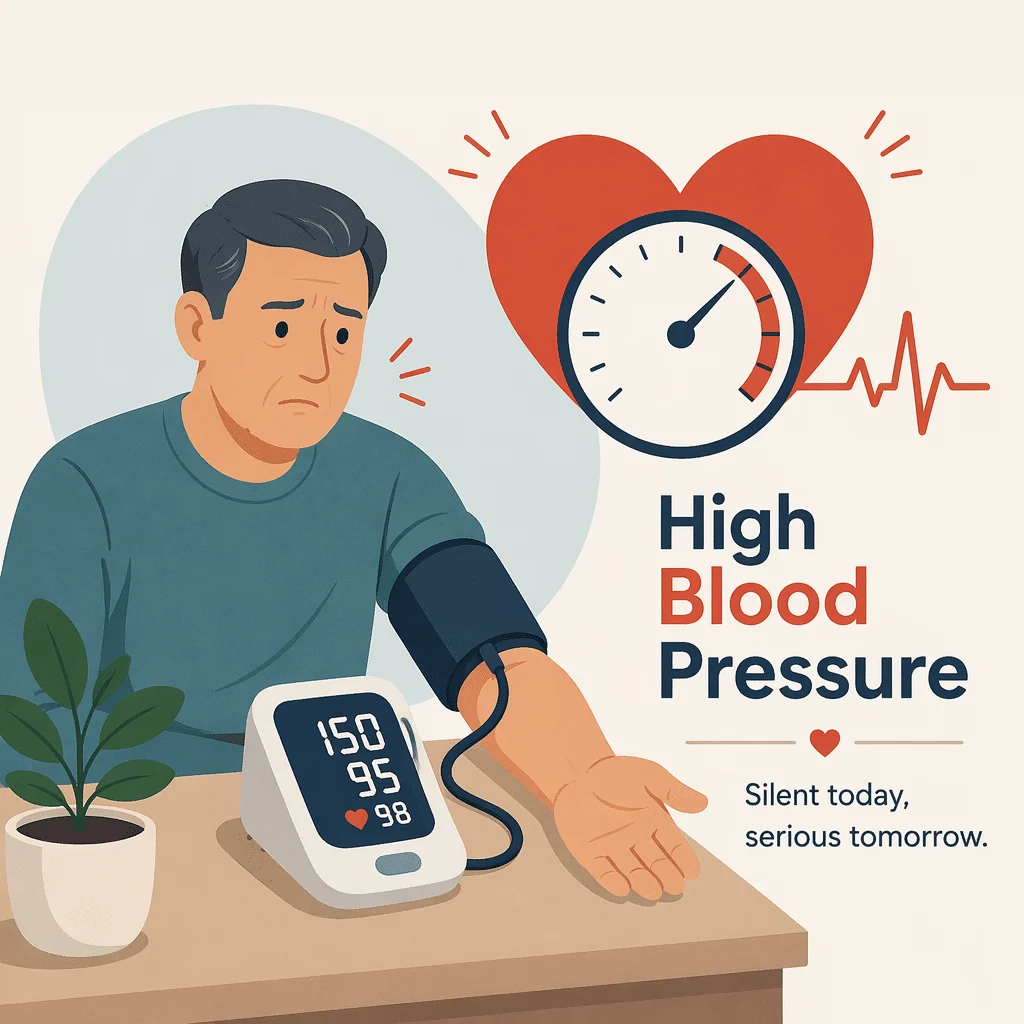
Blood pressure is written as two numbers, such as 128/82 mmHg (“mmHg” means millimeters of mercury, the unit used worldwide). The top number is systolic pressure, the pressure while your heart beats. The bottom number is diastolic pressure, the pressure while your heart rests between beats. Both numbers matter.
High blood pressure is usually a long-term condition. It is rarely “cured,” but in most cases it is well controlled with everyday habits and, when needed, medication.
High blood pressure numbers: what your reading means
One of the most common questions is simply: what is high blood pressure in numbers? The categories below follow the framework used by the American Heart Association and American College of Cardiology, which kept the same thresholds in their updated 2025 guideline.
| Category | Systolic (top) | Diastolic (bottom) | |
|---|---|---|---|
| Normal | Below 120 | and | Below 80 |
| Elevated | 120–129 | and | Below 80 |
| Stage 1 hypertension | 130–139 | or | 80–89 |
| Stage 2 hypertension | 140 or higher | or | 90 or higher |
| Hypertensive crisis | Higher than 180 | and/or | Higher than 120 |
A few points make this chart easier to use. If your two numbers fall into different rows, you take the higher category. So a reading of 128/84 counts as stage 1, because the diastolic number is in the stage 1 range. A reading like 130/80 sits right at the start of stage 1 hypertension, which is why that specific number worries so many people.
One high reading does not mean you have hypertension. Blood pressure naturally rises and falls through the day. A diagnosis is based on several readings taken on different occasions, ideally including measurements at home.
Why is my blood pressure higher in the morning?
Blood pressure follows a daily rhythm. It typically dips overnight and rises in the early morning as your body prepares to wake. A modest morning increase is normal. A sharp morning surge, however, can be linked to higher cardiovascular risk, which is one reason doctors value home and 24-hour monitoring over a single clinic reading.
What does high blood pressure feel like? Symptoms and signs
High blood pressure is often called the “silent killer” because it usually causes no symptoms at all. Many people live with it for years without knowing. This is why regular checks matter far more than waiting to “feel” something.
When symptoms do appear, they are non-specific and often show up only when pressure is very high. They can include:
- Headaches, especially at the back of the head
- Dizziness or lightheadedness
- Blurred vision
- Nosebleeds
- Feeling unusually tired or short of breath
Because these signs overlap with many everyday issues, they are unreliable on their own. A headache does not confirm high blood pressure, and feeling well does not rule it out. If you often get headaches alongside high readings, it can help to understand the link between hypertension and headaches.
Why high blood pressure matters
The reason doctors take hypertension so seriously is what it does silently over years. Constant high pressure forces the heart to work harder and gradually stiffens and narrows your arteries. That damage builds up across several organs at once.
Over time, untreated high blood pressure raises the risk of several serious conditions:
- Heart attack and heart failure, as the heart muscle strains and thickens
- Stroke, when damaged vessels in the brain rupture or become blocked
- Kidney disease, since the kidneys depend on healthy blood vessels to filter waste
- Vision loss, from damage to the small vessels in the eyes
- Cognitive decline and dementia, a link the 2025 guideline highlighted more strongly than before
The encouraging part is that these outcomes are largely preventable. Lowering blood pressure, even modestly, measurably reduces the risk of every complication on that list. This is why “treating the number” is really about protecting your future health, not chasing a target for its own sake.
What causes high blood pressure?
In about nine out of ten cases, doctors find no single cause. This is called primary (or essential) hypertension, and it develops slowly over many years. Several factors push your risk up:
- Age, as arteries naturally stiffen over time
- Family history of high blood pressure or heart disease
- A diet high in salt and low in potassium-rich foods
- Excess weight and lack of physical activity
- Smoking and drinking too much alcohol
- Ongoing stress and poor sleep
The remaining cases are secondary hypertension, where another condition drives the pressure up. Common culprits include kidney disease, hormonal disorders, and sleep apnea, a disorder that interrupts breathing during sleep. Diabetes and high blood pressure also frequently occur together and reinforce each other. Treating the underlying cause can sometimes resolve secondary hypertension entirely.
Can coffee, stress, or dehydration raise blood pressure?
Yes, but the picture is nuanced. Caffeine can cause a short-term spike, especially in people who rarely drink it, though regular coffee drinkers tend to build tolerance. Acute stress raises pressure temporarily; whether chronic stress causes lasting hypertension is still debated, but it clearly affects habits like sleep, eating, and drinking that do matter.
Dehydration is more complex. Severe fluid loss usually lowers blood pressure because there is less fluid in circulation, but the body’s compensating hormones can sometimes tighten blood vessels. If you are curious how fluid balance interacts with your readings, see our guide on dehydration and blood pressure.
How high blood pressure is diagnosed
Diagnosis is simple and painless. A healthcare professional wraps an inflatable cuff around your upper arm and measures the systolic and diastolic pressures. Because a single reading can be misleading, doctors confirm hypertension using several measurements across different visits.
Two tools improve accuracy. Home monitoring lets you record readings in your normal environment, away from the stress of a clinic (the so-called “white coat effect”). Ambulatory monitoring uses a device worn for 24 hours that takes readings automatically, capturing your full daily pattern, including sleep.
Your doctor may also order blood and urine tests to look for causes and to check how your organs are coping. These can include kidney markers such as creatinine, electrolytes like sodium and potassium, and a cholesterol panel, since these conditions often travel together and shape your overall heart risk.
A notable change in the 2025 guideline is the use of a risk calculator called PREVENT, which estimates your 10- and 30-year risk of heart disease. It helps doctors decide, for someone in stage 1, whether lifestyle changes alone are enough or whether medication should start earlier.
How to measure your blood pressure accurately at home
A home monitor with an upper-arm cuff is more reliable than a wrist device. To get a trustworthy reading, sit quietly for five minutes first, with your back supported, feet flat on the floor, and your arm resting at heart level. Avoid caffeine, exercise, and smoking for at least 30 minutes beforehand, and do not talk during the measurement. Take two or three readings a minute apart and record the average, ideally at the same times each day. Bringing a log of these readings to your appointment gives your doctor a far clearer picture than one clinic measurement ever could.
How to lower high blood pressure
Treatment almost always begins with lifestyle, and these changes are powerful on their own. The most evidence-backed steps are:
- Cut back on salt. Aim well below the typical Western intake. The 2025 guideline points to an ideal target under 1,500 mg of sodium per day for many adults, while increasing potassium-rich foods like vegetables, fruit, and legumes.
- Follow a heart-healthy eating pattern. The DASH diet (Dietary Approaches to Stop Hypertension) emphasizes vegetables, fruit, whole grains, and lean protein, and has been shown to lower pressure.
- Move regularly. Around 30 minutes of activity on most days adds up.
- Reach and keep a healthy weight. Even modest weight loss can meaningfully reduce readings.
- Limit alcohol and stop smoking.
- Manage stress and protect your sleep.
When lifestyle is not enough, doctors prescribe antihypertensive medicines. The main classes are diuretics (which help the body shed excess salt and water), ACE inhibitors and ARBs (which relax blood vessels), calcium channel blockers, and beta-blockers. The choice depends on your age, other conditions, and how you respond. Many people need a combination of two low-dose medicines, which often works better with fewer side effects than one high dose.
Foods to limit, and foods that help
Diet has one of the biggest effects on blood pressure, and small swaps add up. The foods most worth limiting are processed and packaged items, because most dietary salt is hidden there rather than in the salt shaker. Watch for deli meats, canned soups, sauces, ready meals, salty snacks, and bread, which contributes more sodium than people expect simply because we eat a lot of it.
On the other side, foods that support healthy pressure tend to be rich in potassium, fiber, and unsaturated fats: leafy greens, bananas, beans and lentils, beetroot, berries, oily fish, nuts, and plain yogurt. The 2025 guideline also notes that potassium-based salt substitutes can help some people, though they are not suitable for those with kidney disease, who should not increase potassium without medical advice.
Do natural remedies work?
Some natural approaches have real, if modest, evidence behind them: regular aerobic exercise, weight loss, reduced alcohol, and the DASH eating pattern all lower readings. Slow, deep breathing and stress reduction can help too, mainly by supporting better habits. Be cautious, however, with supplements and “miracle” cures marketed online. Most have weak evidence, and some can interact with medication. Treat natural strategies as a complement to medical care, not a replacement, and tell your doctor about any supplement you take.
Be wary of promises to “cure high blood pressure in 3 minutes.” Quick relaxation, slow breathing, or rest can nudge a reading down briefly, but they do not treat the underlying condition. Lasting control comes from consistent habits and, when prescribed, taking medication as directed.
When to seek urgent or emergency care
Most high blood pressure is managed calmly over time. But some situations need immediate attention. Call emergency services if a very high reading (generally above 180/120) comes with any of these warning signs:
- Chest pain or pressure
- Sudden difficulty breathing
- Sudden weakness, numbness, or trouble speaking (possible signs of a stroke)
- Severe headache with confusion or vision loss
- Back pain that feels tearing or severe
This combination may signal a hypertensive emergency, where dangerously high pressure is actively damaging organs. Even without these symptoms, a reading above 180/120 warrants prompt medical advice. Over the long term, untreated hypertension also raises the risk of heart failure and kidney disease, which is why steady control matters so much.
Living with high blood pressure
High blood pressure is a long-term companion for most people who have it, but it is very manageable. Keeping a simple log of home readings helps you and your doctor see whether your plan is working. Treat the lifestyle changes as permanent habits rather than a short fix, and take any medication consistently, even on days you feel perfectly well. Never stop or change a dose on your own; talk to your doctor first. Regular check-ups let your care team adjust treatment and catch any complications early.
Glossary
- Ambulatory blood pressure monitoring (ABPM): A test using a wearable device that records blood pressure automatically over 24 hours, including during sleep.
- Diastolic pressure: The lower number in a reading; the pressure in your arteries while the heart rests between beats.
- DASH diet: Dietary Approaches to Stop Hypertension, an eating pattern shown to lower blood pressure.
- Essential (primary) hypertension: High blood pressure with no single identifiable cause; the most common type.
- Hypertension: The medical term for high blood pressure.
- Hypertensive crisis: A reading above 180/120 mmHg that may need urgent care, especially with symptoms.
- mmHg: Millimeters of mercury, the unit used to measure blood pressure.
- Secondary hypertension: High blood pressure caused by another condition, such as kidney disease or sleep apnea.
- Systolic pressure: The higher number in a reading; the pressure while the heart beats.
Frequently asked questions
What is considered high blood pressure?
Blood pressure is high when readings stay at or above 130/80 mmHg over time. Between 120–129 systolic with a diastolic under 80 is called “elevated,” a warning zone. Readings of 130–139 or 80–89 are stage 1 hypertension, and 140/90 or higher is stage 2. A single high number is not enough for a diagnosis; doctors rely on several readings on different days, ideally including measurements at home.
What does high blood pressure feel like?
Usually it feels like nothing at all, which is why it is called the silent killer. Most people have no symptoms until pressure is very high. Some report headaches, dizziness, blurred vision, or nosebleeds, but these are unreliable and can have many other causes. You cannot judge your blood pressure by how you feel. The only way to know is to measure it, so regular checks are essential even when you feel well.
Can high blood pressure be reversed?
For most people, high blood pressure is controlled rather than cured. Lifestyle changes such as cutting salt, losing excess weight, and exercising can lower readings significantly, sometimes enough to reduce or stop medication under a doctor’s guidance. In secondary hypertension, treating the underlying cause may resolve it. But for essential hypertension, ongoing management keeps your numbers in a safe range and prevents complications.
How can I lower my blood pressure quickly?
Sitting quietly, breathing slowly, and resting can ease a temporarily elevated reading, and these are reasonable while you wait to recheck. However, no technique safely lowers blood pressure permanently in minutes. Real, lasting reduction comes from consistent habits like a low-salt diet, regular activity, and prescribed medication. If a reading is above 180/120, especially with chest pain or breathing problems, seek urgent medical care rather than relying on home methods.
Is high blood pressure hereditary?
Family history does increase your risk. If close relatives have hypertension, you are more likely to develop it, partly through shared genes and partly through shared habits. This is not destiny, though. A healthy diet, regular movement, and routine monitoring can meaningfully lower your risk even with a strong family history. If hypertension runs in your family, start checking your blood pressure earlier and more often.
How often should I check my blood pressure?
It depends on your readings and risk. If your blood pressure is normal and you have no risk factors, a check every year or so is usually enough. If your readings are elevated or you have risk factors, your doctor will suggest more frequent monitoring. If you already have a diagnosis, regular home readings plus scheduled appointments are recommended so your treatment can be fine-tuned.
Sources
- Centers for Disease Control and Prevention (CDC) — About High Blood Pressure
- American Heart Association — 2025 High Blood Pressure Guideline
- British Heart Foundation — High Blood Pressure
Further reading
- Hypertension and headache: symptoms and causes
- Dehydration and blood pressure: causes and risks
- High cholesterol: understand, prevent, and act
- Stroke (cerebrovascular accident): understanding and acting
- Heart failure: understanding and managing it
Understand your lab results with AI DiagMe
High blood pressure rarely travels alone, and your doctor may order tests to see the bigger picture: kidney markers like creatinine, electrolytes such as sodium and potassium, a cholesterol panel, and blood sugar. Reading those lines on a lab report can feel overwhelming. AI DiagMe helps you understand what each value means in plain language, so you can have a clearer conversation with your doctor. It supports understanding, not diagnosis, and never replaces medical advice.
➡️ Get your results interpreted in minutes