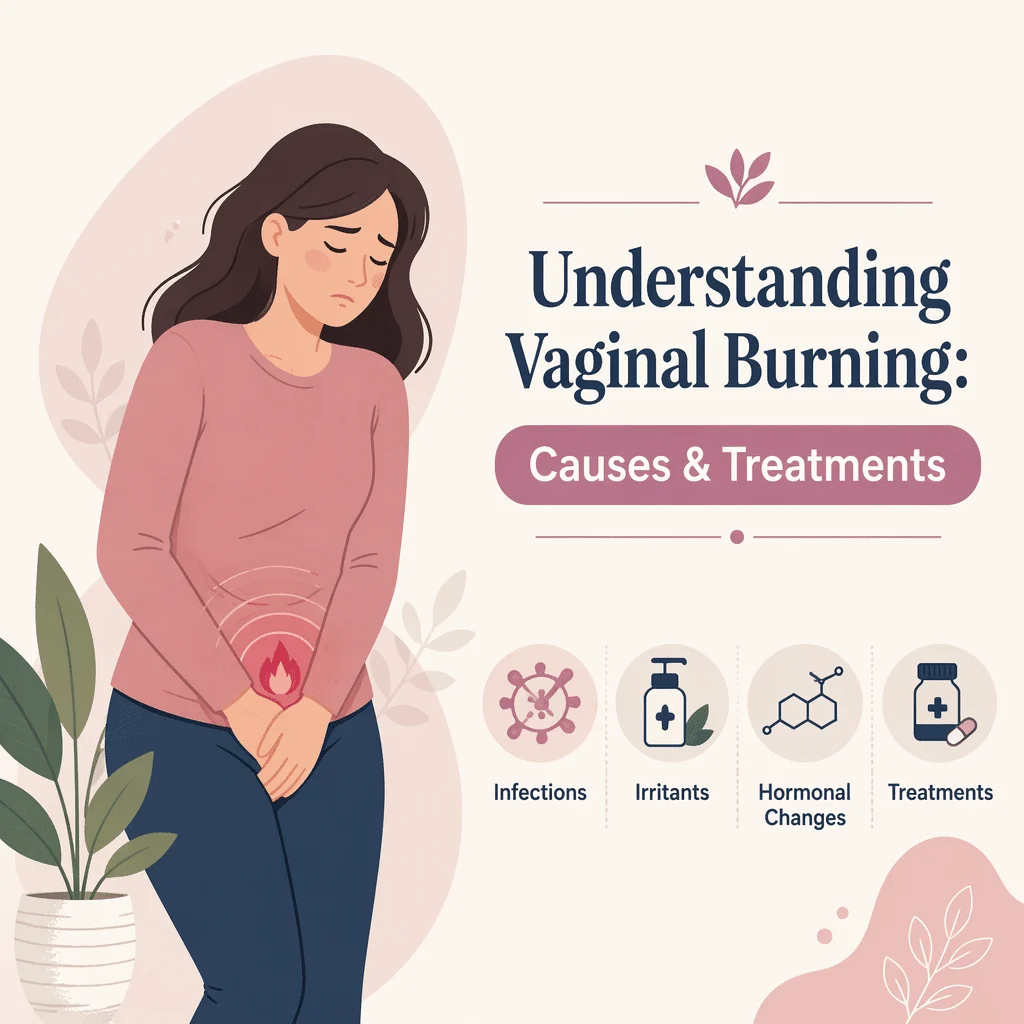
Senzația de arsură vaginală este unul dintre cele mai frecvente motive pentru care femeile caută răspunsuri despre sănătate și, totodată, unul dintre cele mai nespecifice simptome din ginecologie. Același sentiment de căldură, înțepătură sau iritație poate apărea din cauza unei infecții cu Candida, a vaginozei bacteriene, a unei infecții cu transmitere sexuală, a modificărilor tisulare din menopauză sau pur și simplu din cauza unui nou detergent de rufe. Deoarece senzația se suprapune în mare măsură între cauze, este ușor să greșești, iar tratarea unui lucru greșit prelungește problema. În acest articol vei afla cum se manifestă de obicei fiecare cauză frecventă, ce indicii le diferențiază cu adevărat, ce analize de laborator clarifică situația și ce semne de alarmă înseamnă că trebuie să mergi urgent la medic.
Un nume alarmant care circulă online nu descrie nicio afecțiune reală: vezi adevărul din spatele mitului „blue waffle".
Ce înseamnă de fapt arsura vaginală
Arsura descrie o senzație, nu un diagnostic. Vulva și intrarea vaginală sunt bogat inervate, iar țesuturile reacționează la inflamație, infecție, frecare, uscăciune și iritanți chimici cu același vocabular limitat: căldură, înțepătură, iritație. Senzația în sine rareori îți spune ce se întâmplă în profunzime.
Ceea ce oferă informații utile este imaginea de ansamblu: unde se simte senzația, ce alte simptome sunt prezente, ce o agravează și cum a început.
Arsura în țesut față de arsura la urinare
Această distincție are mai multă valoare diagnostică decât aproape orice altceva. Dacă țesuturile sunt fierbinți și dureroase toată ziua, indiferent dacă urinezi sau nu, problema se află de obicei la nivelul vulvei sau vaginului. Dacă disconfortul apare ca o înțepătură ascuțită în timpul urinării și dispare după aceea, tractul urinar este suspectul mai probabil.
O categorie intermediară îi derutează pe mulți. Când pielea vulvară este deja inflamată, urina care trece peste ea provoacă o senzație de înțepătură la contact, care pare arsură la urinare, dar este de fapt durere externă de contact. Arsura urinară internă se simte în profunzime și la sfârșitul jetului; durerea de contact se simte direct la suprafața pielii.
Ce îți spune secreția vaginală
Secreția normală este transparentă până la alb lăptos, variază pe parcursul ciclului și nu are miros sau are unul ușor muscat. Ceea ce contează este o schimbare față de propria ta linie de bază: o culoare nouă, un miros sau o textură diferită, ori o creștere bruscă a volumului însoțită de senzația de arsură.
Absența secreției este la fel de relevantă. Arsura fără nicio secreție îndepărtează suspiciunea de infecțiile clasice și orientează spre iritație, modificări hormonale ale țesutului, o cauză urinară sau o afecțiune a pielii vulvare.
Principalele cauze ale arsurilor vaginale comparate
Tabelul de mai jos prezintă tiparele pe care clinicienii le folosesc pentru a restrânge diagnosticul. Citește-l ca tendințe, nu ca o listă de verificare: cazurile reale se suprapun, iar două afecțiuni pot coexista. pH-ul vaginal este inclus deoarece o simplă bandă de testare poate diferenția rapid cele mai frecvente două infecții.
| Cauză posibilă | Secreție tipică | Semne care indică această cauză | pH vaginal | Ce confirmă de obicei diagnosticul |
|---|---|---|---|---|
| Infecție cu Candida (candidoză vulvovaginală) | Groasă, albă, brânzoasă, de obicei fără miros | Mâncărimea predomină față de arsură; vulva roșie și umflată; apare adesea după antibiotice | Normal, aproximativ 4,0–4,5 | Microscopie a unui eșantion vaginal sau un panel molecular |
| Vaginoza bacteriană | Subțire, cenușie sau alb-gălbuie, adesea mai abundentă | Miros de pește, mai pronunțat după contact sexual; mâncărime ușoară sau absentă | Crescut, peste 4,5 | Microscopie care evidențiază celule-cheie sau un panel molecular |
| Tricomoniază | Spumoasă, galben-verzuie, adesea abundentă | Durere și miros în același timp; transmisă sexual, deci partenerii trebuie tratați | Crescut, peste 4,5 | Test de amplificare a acizilor nucleici pe un tampon sau urină |
| Sindromul genito-urinar al menopauzei | Puțină sau deloc; în schimb, uscăciune | Țesut palid, subțire, fragil; arsura se agravează la contact sexual; urgență urinară; în jurul sau după menopauză | Adesea crescut, peste 5,0 | Examinare și anamneză; teste hormonale dacă situația nu este clară |
| Iritație de contact | Niciuna | A apărut după un nou săpun, șervețel umed, absorbant, detergent sau spermicid; pielea arată roșie | Normal | Ameliorare după îndepărtarea produsului |
| Infecție urinară | Niciuna | Usturime la urinare, urgență, frecvență crescută, urină tulbure, presiune în partea de jos a abdomenului | Nu este relevant | Sumar de urină, apoi urocultură când este necesar |
| Herpes genital | Niciuna | Vezicule dureroase sau ulcerații superficiale; un prim episod poate aduce febră și ganglioni sensibili | Nu este relevant | Un tampon de pe leziune testat prin metode moleculare |
| Lichen scleros | Niciuna | Mâncărime și arsură de lungă durată; piele albă, subțire, zbârcită | Nu este relevant | Examinarea pielii, uneori cu o biopsie mică |
De ce autodiagnosticul greșește atât de des
Rafturile farmaciilor pline cu creme antifungice sugerează în tăcere că majoritatea simptomelor vaginale sunt cauzate de ciuperci. Nu este așa. Studiile privind îngrijirea vaginitei raportează în mod constant că mâncărimea, arsura, durerea și secrețiile anormale se suprapun atât de mult între afecțiuni, încât autodiagnosticul este nesigur, iar o parte semnificativă dintre femeile care cumpără un antifungic se dovedesc a avea vaginoză bacteriană, tricomoniază, o reacție iritativă sau o afecțiune cutanată.
Costul unei ghiciri greșite nu este doar o săptămână pierdută. Crema antifungică aplicată pe o piele deja inflamată poate adăuga propria iritație, vaginoza bacteriană și tricomoniaza netratate au consecințe reale în sarcină și cresc vulnerabilitatea la alte infecții cu transmitere sexuală, iar tratamentul repetat de la sine încearcă să clarifice tabloul clinic până când un medic ajunge în cele din urmă să examineze.
Nimic din toate acestea nu înseamnă că tratamentul fără prescripție medicală este întotdeauna greșit. Funcționează cel mai bine atunci când cunoști tiparul dintr-un diagnostic anterior confirmat, simptomele se potrivesc exact cu acesta și nu există nimic nou în tabloul clinic.
O privire mai atentă asupra fiecărei cauze
Infecție cu Candida
Speciile de Candida trăiesc inofensiv în multe vagine și creează probleme doar atunci când se înmulțesc excesiv. Semnul caracteristic este mâncărimea care depășește arsura, o secreție albă groasă comparată adesea cu brânza de vaci și o vulvă roșie și umflată. Antibioticele, sarcina, glicemia prost controlată și contracepția hormonală cresc toate probabilitatea. Arsura este adesea externă, deoarece urina și frecarea ating pielea inflamată.
Vaginoza bacteriană
Aceasta nu este o infecție clasică, ci o modificare a comunității bacteriene vaginale, în care lactobacilii protectori cedează teren altor specii. Este cea mai frecventă cauză de secreție vaginală anormală la femeile de vârstă reproductivă. Semnul caracteristic este o secreție subțire, cenușie, cu miros de pește, cel mai pronunțat după contact sexual, când sperma crește pH-ul. Mâncărimea este adesea ușoară, motiv pentru care această afecțiune este atât de des confundată cu altceva.
Tricomoniază
Trichomoniaza este cauzată de un parazit unicelular și se transmite pe cale sexuală. Poate produce o secreție abundentă, spumoasă, galben-verzuie, însoțită de durere și miros neplăcut, dar foarte adesea nu prezintă niciun simptom, ceea ce explică modul în care se răspândește. Tratamentul trebuie să includă și partenerii actuali, altfel reinfecția apare rapid. Este singura cauză în care testarea schimbă nu doar tratamentul tău, ci și pe cel al altcuiva.
Sindromul genito-urinar al menopauzei
Pe măsură ce estrogenul scade în jurul menopauzei și după aceasta, țesuturile vulvare și vaginale devin mai subțiri, mai uscate și mai puțin elastice, iar pH-ul local crește. Rezultatul este o arsură persistentă mai degrabă decât o mâncărime episodică, adesea însoțită de durere în timpul actului sexual, sângerare ușoară după acesta și urgență urinară. Este o afecțiune progresivă, nu autolimitantă, spre deosebire de o infecție care dispare într-o săptămână. Ghidul nostru acoperă simptomele, etapele și tratamentul menopauzei.
Iritație de contact
Pielea vulvară este mai subțire și mai permeabilă decât pielea din alte zone ale corpului și reacționează la produse pe care restul corpului le tolerează. Săpunurile parfumate, spumele de baie, șervețelele umede, dușurile vaginale, absorbantele zilnice, reziduurile de detergent, balsanul de rufe, latexul, spermicidele și unele lubrifianți sunt cauze frecvente. Momentul apariției este indiciul esențial: senzație de arsură care debutează în câteva ore sau zile după utilizarea unui produs nou, cu roșeață, fără secreție și fără miros.
Infecție urinară
O infecție a vezicii urinare provoacă o senzație de arsură legată de urinare, însoțită de nevoia urgentă și frecventă de a urina și, uneori, de urină tulbure sau cu miros puternic, precum și de o durere surdă deasupra osului pubian. Țesutul vaginal în sine se simte normal între vizitele la baie. Un articol separat explică simptome și tratament pentru infecția urinară.
Cauze mai puțin frecvente, dar importante
Herpesul genital se anunță de obicei prin vezicule dureroase sau ulcerații superficiale, nu printr-o senzație difuză de arsură, iar un prim episod poate fi însoțit de febră și ganglioni inghinali măriți. Lichenul scleros provoacă mâncărime și arsură persistente, cu piele palidă, subțire și încrețită, și necesită tratament de specialitate. Vulvodinia este o durere vulvară persistentă care durează trei luni sau mai mult, fără nicio cauză infecțioasă identificabilă, și este adesea confundată cu vaginita recurentă ani la rând.
Testele care lămuresc situația
La cabinet
Un medic începe prin a examina. Distribuția roșeții, eventualele ulcerații sau fisuri, textura pielii și caracterul oricărei secreții restrâng posibilitățile înainte de a se solicita un test de laborator. O bandă de pH aplicată pe peretele vaginal durează câteva secunde și separă candidoza, care lasă pH-ul normal, de vaginoza bacteriană și tricomoniază, care îl cresc. Microscopia poate apoi evidenția forme de levuri, celule-cheie sau organismele mobile ale tricomoniazei.
La laborator
Testarea moleculară este acum standardul de referință pentru cauzele cu transmitere sexuală. Testele de amplificare a acizilor nucleici, care detectează materialul genetic al unui microorganism în loc să încerce să îl cultive, sunt mult mai sensibile decât microscopia pentru tricomonioză, chlamydia și gonoree, și se efectuează pe un tampon sau pe o probă de urină. Panelurile combinate pot depista candidoza, vaginoza bacteriană și tricomonioza dintr-un singur tampon.
Când simptomele indică tractul urinar, primul pas este o sumar de urină, urmat de o urocultură dacă simptomele revin sau dacă primul tratament nu a dat rezultate. Biblioteca noastră oferă un ghid pas cu pas interpretare a sumarului de urină. O pagină explică pe înțelesul tău leucocitele în urină și ce semnalează, alta explică nitrații în urină și legătura lor cu infecția bacteriană, și descriem, de asemenea, valorile normale ale pH-ului urinar și semnificația lor.
Analize de sânge care explică un tipar recurent
Un episod unic rareori necesită analize de sânge. Unul recurent uneori da, deoarece afecțiunile generale care stau la baza simptomelor vaginale repetate sunt de obicei silențioase prin ele însele.
Infecțiile vaginale cu Candida care revin de patru sau mai multe ori pe an reprezintă un motiv recunoscut pentru verificarea glicemiei, deoarece diabetul nediagnosticat sau slab controlat crește nivelul de glucoză din secrețiile vaginale și favorizează proliferarea Candida. Explicăm valorile glicemiei și ce le crește, iar biblioteca noastră acoperă tabelul de conversie HbA1c și glicemia medie, care reflectă aproximativ trei luni, nu doar o singură dimineață.
Când senzația de arsură și uscăciunea se instalează treptat în jurul vârstei de patruzeci sau cincizeci de ani, măsurarea hormonilor poate susține tabloul clinic, deși diagnosticul rămâne în mare parte clinic. O pagină dedicată explică markerii de estradiol în sânge, iar un alt articol explică pe înțelesul tău analize de sânge pentru FSH, ambele modificându-se în moduri caracteristice pe parcursul tranziției la menopauză.
Semne de alarmă care necesită atenție medicală urgentă
Arsura vaginală este, în cele mai multe cazuri, neplăcută, nu periculoasă. Situațiile de mai jos sunt excepții și fiecare merită o programare în aceeași săptămână sau chiar mai devreme:
- Febră, frisoane sau durere în abdomenul inferior ori în pelvis, care pot semnala răspândirea infecției dincolo de vagin
- Răni, vezicule sau ulcerații pe vulvă, indiferent dacă sunt dureroase sau nu
- Orice simptom vaginal nou apărut în timpul sarcinii, deoarece mai multe cauze pot afecta evoluția sarcinii, iar tratamentul diferă
- Posibila expunere la o infecție cu transmitere sexuală, inclusiv un partener care a fost diagnosticat sau tratat
- Arsura care persistă mai mult de o săptămână de tratament sau reapare imediat după oprirea acestuia
- Sângerare care nu este menstruația ta, în special după contact sexual sau după menopauză
- Dificultate la urinare sau durere în flanc însoțită de febră, ceea ce sugerează implicarea rinichilor
Cum se tratează de obicei fiecare cauză
Tratament orientat spre cauză
Infecțiile vaginale cu Candida răspund la tratamentul antifungic, aplicat local sub formă de cremă sau ovul sau administrat ca doză orală unică. Vaginoza bacteriană și trichomoniaza se tratează cu antibiotice specifice, iar trichomoniaza necesită și tratamentul partenerului. Infecțiile urinare necesită un tratament antibiotic de scurtă durată. Sindromul genitourinar al menopauzei este gestionat cu hidratante și lubrifianți vaginali și, acolo unde este cazul, cu estrogen vaginal în doze mici. Iritația de contact dispare odată ce factorul declanșator este eliminat, uneori cu un tratament scurt cu un corticosteroid topic ușor.
Măsuri de confort sigure în timp ce aștepți
Apa călduță simplă, fără săpun în interiorul vulvei, lenjerie din bumbac, haine largi și schimbarea rapidă a costumului de baie ud reduc iritația fără a masca simptomele. O compresă rece ajută la calmarea arsurilor acute, iar o cremă hidratantă fără parfum sau un lubrifiant neparfumat reduce frecarea. Niciunul dintre acestea nu tratează o infecție și nu înlocuiește o consultație atunci când simptomele sunt noi, severe sau persistente.
Obiceiuri care întrețin senzația de arsură
Dușurile vaginale interne sunt cel mai important obicei de renunțat: distrug flora bacteriană protectoare și cresc riscul de vaginoză bacteriană, în loc să îl reducă. Produsele parfumate comercializate pentru „prospețime feminină" provoacă adesea exact simptomele pe care promit să le rezolve. Pe aceeași listă se află și tratamentele antifungice repetate fără un diagnostic confirmat, precum și hainele strâmte și nerespirabile purtate toată ziua.
Cele mai recente progrese științifice
Cercetările din ultimii trei ani au clarificat mai multe aspecte ale acestei probleme — iată ce înseamnă asta pentru tine, pe înțelesul tuturor.
O analiză clinică din 2025 privind vaginita a reafirmat ceva practic: cele trei principale cauze infecțioase au fiecare o combinație caracteristică de secreție, miros și pH, iar interpretarea acestei combinații este mai eficientă decât reacția la un singur simptom. Ce înseamnă asta pentru tine: tiparul pe care îl descrii și banda de pH pe care o folosește medicul tău contează cu adevărat.
O analiză de ultimă oră din 2026 privind candidoza vulvovaginală a confirmat că recurența este frecventă, că speciile de levuri mai puțin sensibile la tratamentul standard devin tot mai comune și că diabetul, utilizarea antibioticelor, modificările hormonale și problemele imunitare favorizează episoadele repetate. O analiză microbiologică din 2025 a adăugat o distincție mult timp ignorată: unele cazuri etichetate drept infecție recurentă cu levuri reprezintă de fapt o formă cutanată a candidozei pe suprafața vulvară, care nu răspunde la tratamentele vaginale obișnuite. Ce înseamnă asta pentru tine: atunci când infecțiile cu levuri revin în mod repetat, întrebarea nu este ce cremă să încerci în continuare, ci ce anume alimentează acest tipar.
O meta-analiză de rețea din 2024 a combinat 42 de studii pe mai mult de 8.000 de femei cu vaginoză bacteriană și a constatat că antibioticele standard rămân cele mai eficiente în eliminarea acesteia. O meta-analiză de rețea compară tratamentele între ele chiar și atunci când nu au fost testate direct unele față de altele. O altă analiză din 2024, care a inclus 35 de studii randomizate, a arătat că adăugarea probioticelor a îmbunătățit ratele de vindecare atât pentru vaginoza bacteriană, cât și pentru infecțiile cu candida, deși tulpinile și dozele au variat suficient de mult încât rezultatul este încurajator, dar nu definitiv. Ce înseamnă asta pentru tine: tratamentul standard rămâne primul pas corect și merită urmat până la capăt.
O analiză sistematică din 2024, publicată într-o revistă de top de medicină internă, a examinat 46 de studii randomizate privind tratamentele pentru sindromul genitourinar al menopauzei: estrogenul vaginal, opțiunile hormonale non-estrogenice și hidratantele vaginale au ameliorat simptomele față de placebo, cu cele mai solide dovezi pentru estrogenul vaginal. Un ghid din 2025 elaborat de trei societăți americane de urologie și uroginecologie a subliniat că simptomele urinare ale acestui sindrom sunt adesea confundate cu alte afecțiuni ale vezicii urinare. Ce înseamnă asta pentru tine: senzația de arsură din menopauză poate fi tratată, nu trebuie pur și simplu suportată, iar dacă tratamentul pentru vezică hiperactivă nu a dat rezultate, merită să întrebi dacă cele două sunt legate.
O evaluare din 2025 a unui panel molecular vaginal realizat la locul consultației — un test care identifică candida, vaginoza bacteriană și trichomoniaza dintr-un singur tampon, chiar în timpul vizitei — a arătat că performanța sa a fost constantă indiferent de nivelul de pregătire al persoanei care îl efectua. Ce înseamnă asta pentru tine: răspunsurile în aceeași zi devin o realitate tot mai accesibilă în mai multe clinici.
În plus, o analiză din 2023 a raportat că vulvodinia — durerea vulvară persistentă fără o infecție care să o explice — afectează aproximativ una din paisprezece femei, este frecvent confundată cu vaginita și răspunde la tratamente care variază de la anestezice topice la kinetoterapie pentru planșeul pelvin. Ce înseamnă asta pentru tine: arsura fără o cauză infecțioasă este o afecțiune recunoscută, cu opțiuni reale de tratament.
Întrebări frecvente
Cum pot ameliora senzația de arsură vaginală acasă, în timp ce aștept o programare?
Concentrează-te pe eliminarea factorilor iritanți, nu pe adăugarea de tratamente. Spală vulva doar cu apă călduță simplă, evită săpunul, spuma de baie, șervețelele umede și orice produs parfumat, și treci la lenjerie din bumbac și haine mai largi. Schimbă-te imediat după înot sau sport. O compresă rece aplicată câteva minute calmează arsura acută, iar o cremă hidratantă simplă, fără parfum, poate proteja pielea iritată. Evită complet dușurile vaginale interne, deoarece perturbă bacteriile protectoare și agravează adesea situația. Aceste măsuri reduc disconfortul fără a ascunde semnele de care medicul are nevoie, ceea ce contează dacă urmează să fii consultată sau testată în zilele următoare.
Este normal să ai senzație de arsură vaginală fără nicio secreție?
Este un simptom frecvent și informativ. Senzația de arsură fără nicio modificare a secrețiilor îndepărtează suspiciunea de infecție cu Candida, vaginoză bacteriană sau tricomoniază, deoarece toate acestea alterează de obicei secrețiile într-un fel sau altul. Explicațiile mai probabile sunt iritația de contact cauzată de un produs, subțierea țesuturilor specifică sindromului genito-urinar al menopauzei, o infecție urinară, o afecțiune a pielii vulvare precum lichenul scleros sau vulvodinia. Deoarece aceste afecțiuni se tratează foarte diferit una față de cealaltă, arsura fără secreții este un motiv întemeiat pentru a consulta un medic, nu pentru a încerca un antifungic fără prescripție.
De ce apare senzația de arsură mai ales după ce urinezi?
Există două motive destul de diferite. Dacă senzația de arsură este resimțită adânc și spre sfârșitul jetului urinar, este probabil vorba de o infecție a vezicii urinare sau a uretrei, iar un test de urină poate confirma acest lucru. Dacă arsura apare chiar la suprafața pielii, pe măsură ce urina curge peste ea, înseamnă că țesutul vulvar este deja inflamat din altă cauză, iar urina îl irită pur și simplu la contact. Această distincție contează, deoarece primul caz necesită antibiotice țintite pe tractul urinar, iar al doilea necesită tratarea problemei de bază a pielii sau a vaginului.
Poate apărea senzația de arsură vaginală imediat după menstruație?
Da, și există mai multe explicații obișnuite. Sângele menstrual crește temporar pH-ul vaginal, ceea ce poate permite bacteriozei vaginale să se agraveze în zilele care urmează. Absorbantele și tampoanele, în special cele parfumate, provoacă frecare și iritație de contact. Nivelurile hormonale se modifică pe parcursul ciclului și schimbă umiditatea țesuturilor. Dacă arsura apare după fiecare menstruație și dispare de la sine, menționează această periodicitate medicului tău, deoarece tiparul în sine este un indiciu util și poate ghida ce analize merită făcute.
Cremele fără prescripție pentru arsura vaginală sunt sigure?
Cremele antifungice eliberate fără prescripție sunt în general sigure, dar siguranța nu este principala problemă. Problema este acuratețea: dacă nu Candida este cauza, crema nu va ajuta, iar aplicarea ei pe pielea inflamată poate agrava iritația și întârzia tratamentul corect. Cremele anestezice comercializate pentru mâncărime maschează simptomele fără a rezolva nimic. Folosirea unui antifungic este rezonabilă mai ales atunci când ai mai avut o infecție cu Candida confirmată și simptomele actuale seamănă exact cu aceea. Dacă nu se ameliorează în câteva zile sau dacă ceva din acest episod este nou, oprește tratamentul și consultă un medic.
Arsura vaginală înseamnă că am o infecție cu transmitere sexuală?
De obicei, nu. Cele mai frecvente două cauze — infecția cu candida și bacterioza vaginală — nu se transmit pe cale sexuală, iar iritația și modificările tisulare legate de menopauză explică multe dintre celelalte cazuri. Cu toate acestea, tricomoniaza, herpesul, chlamydia și gonoreea pot produce arsură sau iritație, iar unele nu provoacă niciun simptom pentru perioade lungi de timp. Dacă ai un partener nou, un partener cu simptome sau o expunere cunoscută, testarea merită făcută indiferent cât de ușoare par simptomele tale, deoarece mai multe dintre aceste infecții sunt ușor de tratat și nu este bine să fie lăsate netratate.
Glosar
| Termen | Definiție |
|---|---|
| Candidoza vulvovaginală | Denumirea medicală a infecției vaginale cu Candida, cauzată de proliferarea excesivă a unui fung care în mod normal trăiește inofensiv în organism. |
| Vaginoza bacteriană | O modificare a echilibrului bacterian vaginal în care lactobacilii protectori scad, iar alte specii se înmulțesc. Provoacă secreții subțiri și un miros de pește, mai degrabă decât mâncărime intensă. |
| Tricomoniază | O infecție cu transmitere sexuală cauzată de un parazit unicelular. Adesea nu provoacă simptome, motiv pentru care partenerii sunt tratați în același timp. |
| Sindromul genito-urinar al menopauzei | Ansamblul modificărilor vaginale, vulvare și urinare cauzate de scăderea estrogenului în jurul și după menopauză, inclusiv uscăciune, arsură și urgență urinară. |
| pH vaginal | O măsură a acidității vaginale, determinată cu o bandă de hârtie. Un vagin sănătos la femeile premenopauzale este acid, cu un pH de aproximativ 4,0–4,5. |
| Test de amplificare a acizilor nucleici (NAAT) | O metodă de laborator care detectează materialul genetic al unui microorganism. Identifică infecțiile mai sigur decât examinarea unui eșantion la microscop. |
| Celule-cheie (clue cells) | Celule vaginale acoperite cu bacterii, vizibile la microscop. Prezența lor susține diagnosticul de bacterioză vaginală. |
| Analiză de urină | Un test de urină de bază care combină o examinare vizuală, o bandeletă chimică și uneori un examen microscopic. Este primul pas obișnuit atunci când se suspectează o infecție urinară. |
| Vulvodinie | Durere sau arsură vulvară persistentă, care durează trei luni sau mai mult, fără nicio infecție sau boală de piele care să o explice. |
| Lichen scleros | O afecțiune inflamatorie cronică a pielii vulvare care provoacă mâncărime, arsură și piele palidă, subțire și fragilă. Necesită tratament medical și monitorizare. |
Surse
- MedlinePlus, Biblioteca Națională de Medicină — Vaginită. MedlinePlus
- Office on Women’s Health, U.S. Department of Health and Human Services — Infecții vaginale cu candida. womenshealth.gov
- Eunice Kennedy Shriver National Institute of Child Health and Human Development — Cum diagnostichează furnizorii de servicii medicale vaginita? NICHD
- Mayo Clinic — Vaginită: simptome și cauze. Mayo Clinic
- Geer K, Klega A — Vaginită: Diagnostic și tratament — American Family Physician, 2025. PubMed
- Rautemaa-Richardson R, Sobel JD, Stone N, et al. — Recenzie de specialitate: Managementul candidozei vulvovaginale — Clinical Infectious Diseases, 2026. PubMed
- Day T, Sobel JD — Candidoza cutanată genitală versus candidoza vulvovaginală cronică recurentă: boli distincte, populații diferite — Clinical Microbiology Reviews, 2025. PubMed
- Fan Y, Gu Y, Xian Y, et al. — Eficacitatea și siguranța diferitelor medicamente în tratamentul vaginozei bacteriene: o revizuire sistematică și meta-analiză în rețea — Frontiers in Cellular and Infection Microbiology, 2024. PubMed
- Abavisani M, Sahebi S, Dadgar F, et al. — Rolul probioticelor ca tratament adjuvant în prevenirea și gestionarea infecțiilor ginecologice: o meta-analiză actualizată a 35 de studii RCT — Taiwanese Journal of Obstetrics and Gynecology, 2024. PubMed
- Danan ER, Sowerby C, Ullman KE, et al. — Tratamente hormonale și hidratante vaginale pentru sindromul genitourinar al menopauzei: o revizuire sistematică — Annals of Internal Medicine, 2024. PubMed
- Kaufman MR, Ackerman AL, Amin KA, et al. — Ghidul AUA/SUFU/AUGS privind sindromul genitourinar al menopauzei — The Journal of Urology, 2025. PubMed
- Van Der Pol B, Lillis R, Nachamkin I, et al. — Evaluation of the user experience for a point of care molecular test for causes of vaginitis — BMC Infectious Diseases, 2025. PubMed
- Schlaeger JM, Glayzer JE, Villegas-Downs M, et al. — Evaluarea și tratamentul vulvodiniei: stadiul actual al cunoașterii — Journal of Midwifery and Women’s Health, 2023. PubMed
Lectură suplimentară
- Drojdie în urină: diagnostic, cauze și tratament
- Bacteriurie: simptome, cauze și tratament
- Glucozurie: cauze, simptome și tratamente
- Erupție cutanată cauzată de chlamydia: simptome, cauze și tratament
- CRP: ce este acest marker al inflamației
Înțelege-ți rezultatele analizelor cu AI DiagMe
Arsura vaginală este un simptom care devine clar abia atunci când știi ce o cauzează, iar răspunsul se găsește adesea într-un buletin de analize. AI DiagMe transformă acele buletine în limbaj simplu, indiferent dacă te uiți la o sumar de urină și o urocultură după o suspiciune de infecție urinară, la un rezultat al glicemiei sau al hemoglobinei glicate (HbA1c) solicitat deoarece infecțiile cu candida revin mereu, sau la nivelurile hormonale verificate în jurul menopauzei. Te ajută să înțelegi ce înseamnă fiecare valoare și ce întrebări să aduci la consultație. Nu îți pune un diagnostic și nu îl înlocuiește pe medicul tău.
Obține interpretarea rezultatelor în câteva minute