






























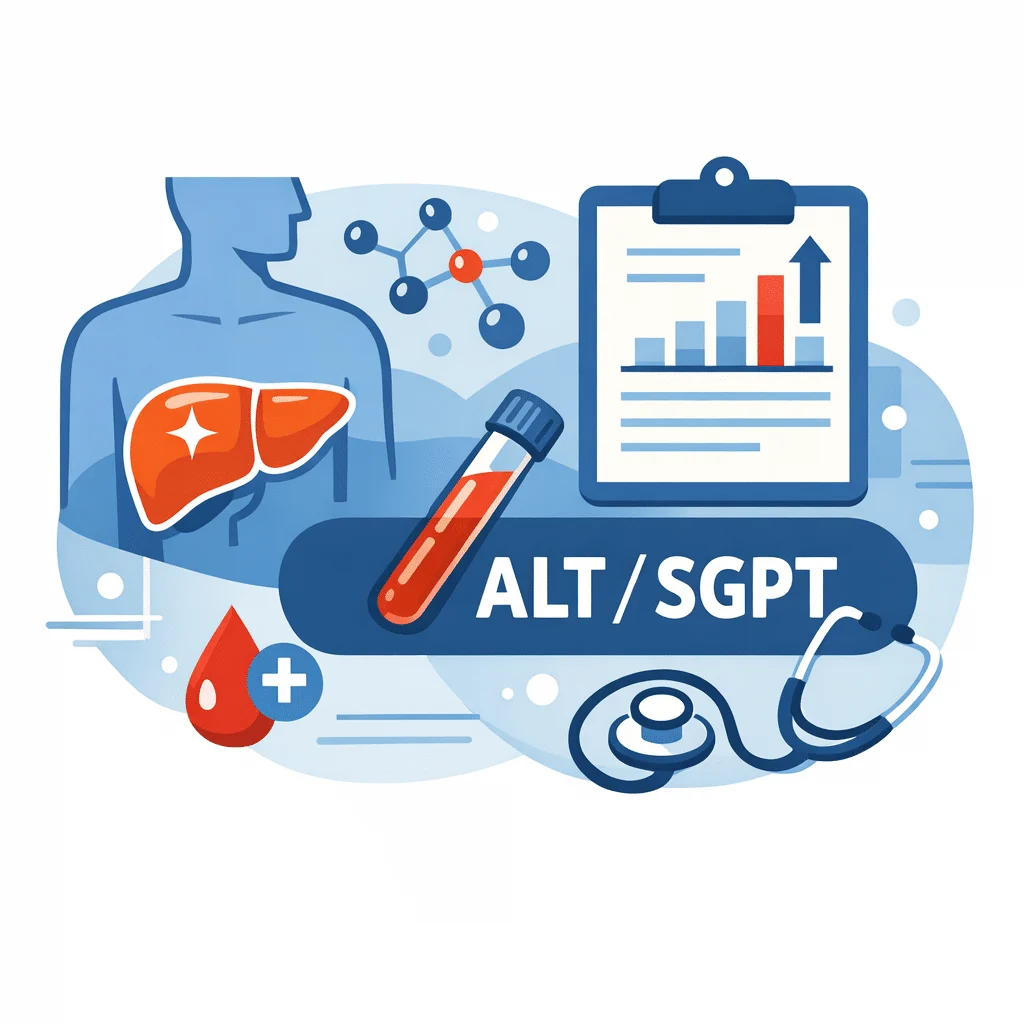
An ALT blood test measures alanine aminotransferase, an enzyme that lives mainly inside liver cells and spills into the bloodstream when those cells are stressed or damaged. Because of this, ALT (formerly called SGPT, for serum glutamic-pyruvic transaminase) is one of the most commonly ordered markers for spotting liver problems early, often before any symptoms appear. This guide explains what ALT does, how to read your number against current reference ranges, what raises or lowers it, and what recent research says about redefining what counts as a healthy level. It is written to help you make sense of a lab report, not to replace a conversation with your clinician.
What ALT is and why the liver releases it
ALT is an enzyme your liver cells use to help metabolize amino acids, the building blocks of protein, and to support energy production. In a healthy liver, ALT stays mostly inside the cells where it works. Small amounts also exist in the kidneys, heart, and muscles, though the liver holds the largest share by far.
肝細胞が炎症を起こしたり、感染したり、物理的なダメージを受けたりすると、細胞膜に隙間ができてALTが血液中に漏れ出します。血液検査ではこのALTを検出することができます。ALTの値が上昇している場合、一般的に肝細胞に何らかの負担がかかっているサインですが、それだけでは原因を特定することはできません。そのため、医師はALTの値を症状や病歴、その他の 肝機能検査の結果.
肝臓パネルの一部としてのALT血液検査
ALT単独で報告されることはほとんどありません。通常は「肝臓パネル」と呼ばれる一連の検査の中に含まれており、AST(アスパラギン酸アミノトランスフェラーゼ)、ALP(アルカリホスファターゼ)、GGT(γ-グルタミルトランスフェラーゼ)、ビリルビンとともに測定されます。各マーカーは肝臓の健康状態の異なる側面を反映しているため、これらを合わせて読み取ることで、単一の数値よりもはるかに全体像を把握することができます。
ALTはほぼ肝臓の組織にのみ集中して存在するため、肝臓に比較的特異的な酵素とされています。一方、ASTは心臓や骨格筋にも存在するため、ASTだけが上昇している場合は肝障害以外の原因を反映していることがあります。両者を比較すると、ALTとASTがともに上昇しているパターンは、胆管の問題よりも肝細胞の障害を示すことが多く、胆管の問題ではALPやGGTが上昇する傾向があります。
ALTの基準値とその変化
ALTの結果はU/L(ユニット/リットル)またはIU/L(国際単位/リットル)で報告されます。米国のほとんどの検査機関では、男性で7〜55 U/L、女性で7〜45 U/Lに近い基準範囲が印刷されていますが、正確な基準値は検査機関、使用機器、地域の集団によって異なります。
増えつつある研究によると、これまで長く使われてきた基準範囲は高すぎる可能性があると指摘されています。既知の肝疾患のない人を対象とした大規模な統合解析では、潜在的な代謝疾患を持つ人を除外した場合、より健康的な上限値として女性で29〜33 U/L、男性で33〜36 U/L程度が適切ではないかと示唆されています。従来の基準範囲は、振り返ってみると早期の無症状の脂肪肝を持つ人が含まれていた集団をもとに設定されており、それが「正常」とみなされる値を引き上げていた可能性があるという懸念があります。
だからといって、すべての検査機関が基準範囲を一夜にして変更するわけではありませんし、たとえば38 U/Lという結果が自動的に異常というわけでもありません。ただ、従来の正常範囲の上限付近にある値、特に繰り返し検査しても同様の結果が続く場合は、頭ごなしに問題なしと判断するのではなく、医師に相談する価値があるということです。
| ALTの結果 | 一般的に示す意味 |
|---|---|
| お使いの検査機関の基準範囲内 | Usually reassuring, though a value near the top of the range can still merit a repeat check if risk factors exist |
| Mild elevation (under about 2 times the upper limit) | Often temporary; common causes include fatty liver, recent alcohol, or a new medication |
| Moderate elevation (roughly 2 to 5 times the upper limit) | Warrants medical evaluation and often a repeat test within weeks |
| Marked elevation (more than 5 times the upper limit) | Suggests active liver injury and generally calls for prompt medical assessment |
| Below the normal range | Rarely significant on its own; occasionally linked to malnutrition, vitamin B6 deficiency, or advanced liver disease |
Common causes of a high ALT level
A raised ALT usually points to some form of liver cell stress, but the underlying reason varies widely in severity and urgency.
Fatty liver disease and metabolic risk
The leading cause of mildly to moderately elevated ALT in adults today is a condition now called metabolic dysfunction-associated steatotic liver disease, or MASLD. This is the same condition that was known for decades as nonalcoholic fatty liver disease, or NAFLD, before a coordinated renaming by major liver societies. MASLD develops when fat accumulates inside liver cells, often alongside excess weight, insulin resistance, high blood pressure, or abnormal triglyceride levels. It frequently causes no symptoms at all and is picked up only through a routine blood test.
ウイルス性肝炎
Hepatitis A, B, C, and E all directly infect liver cells, triggering inflammation and, in acute infection, a sharp ALT spike that can reach ten to fifty times the upper limit of normal. Chronic hepatitis B and C tend to produce milder, more persistent elevations. If your liver panel is abnormal and hepatitis is suspected, your doctor may check for prior or active infection by ordering a hepatitis B surface antigen test. A viral hepatitis workup can also include an anti-HCV antibody test.
Alcohol use
Regular or heavy alcohol intake injures liver cells directly. A useful clue here is the ratio between AST and ALT: in most causes of liver injury ALT tends to be higher than AST, but with alcohol-related liver damage AST is often clearly higher than ALT, sometimes at a ratio above 2. Comparing the two enzymes side by side gives your doctor a useful diagnostic hint, which is why your report is worth reviewing against the AST normal range.
薬やサプリメント
Because the liver processes most drugs, many medications can raise ALT, sometimes without any noticeable symptoms. Commonly implicated categories include certain antibiotics, statins, and over-the-counter pain relievers taken in high doses. Some herbal and bodybuilding supplements carry a similar risk. Always tell your clinician about every medication and supplement you take when discussing an abnormal result.
Other causes
Autoimmune conditions, in which the immune system mistakenly attacks liver cells, can also drive a marked ALT rise. Because muscle tissue contains a small amount of the enzyme, a significant muscle injury or very intense exercise shortly before testing can temporarily raise ALT as well, which is why doctors often ask about recent workouts when interpreting a borderline result.
What a low ALT level means
A below-range ALT result is uncommon and, on its own, rarely a medical concern. In specific contexts it has been linked to vitamin B6 deficiency, chronic kidney disease, or, in advanced and uncommon cases, severe liver failure where so few functioning liver cells remain that enzyme production itself declines. If you have a low ALT with no other abnormal findings and you feel well, this is usually not something that needs urgent follow-up, but your doctor can confirm that based on your full picture.
最新の科学的進歩
Liver enzyme research has moved quickly over the past three years, largely driven by the global rise in metabolic liver disease. Three developments are especially relevant to anyone reading an ALT result today.
First, the terminology itself changed. In 2023, a coalition of major liver associations, including the American Association for the Study of Liver Diseases, published a multi-society consensus statement retiring the term nonalcoholic fatty liver disease in favor of metabolic dysfunction-associated steatotic liver disease, or MASLD. The change reflects a shift toward defining the condition by what it is (linked to metabolic risk factors such as excess weight, high blood sugar, or high blood pressure) rather than by what it is not (unrelated to alcohol). What this means for you: if your doctor or a lab report mentions MASLD, it refers to the same fatty liver condition that was previously called NAFLD, and it is generally managed the same way, through weight, metabolic, and lifestyle care.
Second, researchers have been re-examining what ALT level should count as truly normal. A large pooled analysis combining data from hundreds of thousands of people found that when researchers excluded participants with silent metabolic disease, the healthy upper limit for ALT was closer to 29 to 36 U/L, meaningfully lower than the roughly 40 to 55 U/L many labs still print. What this means for you: a result that your lab flags as normal, but that sits near the top of its range, is not necessarily something to ignore, particularly if you also carry metabolic risk factors like excess weight or prediabetes. This is an evolving area of clinical debate rather than a settled new rule, so treat it as useful context rather than a diagnosis.
Third, evidence is accumulating that ALT is a useful early screening signal for MASLD in people who carry excess weight, including adolescents. A 2025 study of children and teenagers with obesity or overweight found that the more elevated ALT became, the more likely an ultrasound-based liver stiffness test was to detect meaningful scarring, even though ALT was not perfect and some people with significant liver changes still had normal-looking ALT. What this means for you: an elevated ALT in someone with excess weight or metabolic risk factors is a genuine reason to investigate further, but a normal ALT does not completely rule out early fatty liver disease, so doctors often weigh ALT alongside weight, blood sugar, and cholesterol findings rather than relying on it alone.
Together, these findings reinforce a consistent message: ALT is most useful when read in context, alongside your cardiometabolic risk factors, over time, and together with the rest of your liver panel, rather than as a single isolated number.
How to prepare for an ALT blood test
An ALT test requires a standard blood draw from a vein, usually in the arm, and takes only a few minutes. Fasting is generally not required specifically for ALT, since a recent meal does not meaningfully change the result. However, ALT is frequently ordered alongside other tests that do require several hours without food, including a fasting blood glucose test. Always follow the specific instructions given for your appointment.
A few practical points can help you get an accurate baseline. Avoid alcohol for at least 24 hours before the test, since even moderate drinking can temporarily raise ALT. Try to avoid unusually intense exercise the day before, since strenuous workouts can cause a small, transient bump. Bring a list of your current medications and supplements, since several common drugs can influence the result.
When to see a doctor about your ALT result
Most single, mildly elevated ALT results are not emergencies, and your clinician will guide the right next step based on your full picture. Still, certain situations deserve prompt attention.
Seek medical care without delay if an abnormal ALT is accompanied by yellowing of the skin or eyes, severe or persistent abdominal pain, confusion, easy bruising, or vomiting that looks like blood or coffee grounds. Book a routine appointment, even without dramatic symptoms, if your ALT remains elevated on a repeat test, if it climbs over successive tests, if other liver panel markers are also abnormal, or if you carry personal or family risk factors for liver disease such as diabetes, heavy alcohol use, or viral hepatitis exposure. A specialist referral to a hepatologist is common when ALT stays high for more than six months despite an initial workup.
Lifestyle steps that can help lower an elevated ALT
When lifestyle factors are driving a raised ALT, several evidence-based steps can help bring levels down over weeks to months. Reducing or eliminating alcohol intake removes one of the most direct sources of liver cell injury. Gradual, sustained weight loss, even a modest 5 to 10 percent of body weight, can meaningfully reduce liver fat and improve enzyme levels in people with MASLD. Regular moderate exercise, aiming for roughly 150 minutes a week, improves how the body handles blood sugar and insulin, both of which influence liver fat. Reviewing medications and supplements with your clinician can identify and remove avoidable contributors. Finally, managing related conditions supports overall liver health over the long term, particularly through sustained blood sugar control. You can find a more detailed breakdown of these steps in our guide on how to lower ALT levels.
用語集
| 用語 | 定義 |
|---|---|
| ALT (alanine aminotransferase) | A liver enzyme that leaks into the blood when liver cells are damaged; also called SGPT |
| AST (aspartate aminotransferase) | A related enzyme found in the liver and other tissues, including muscle and heart |
| Upper limit of normal (ULN) | The highest value a lab considers typical for a healthy person; used as a reference point when describing how many times above normal a result is |
| MASLD | Metabolic dysfunction-associated steatotic liver disease, the current name for the fatty liver condition previously called NAFLD |
| Liver panel | A group of blood tests, including ALT, AST, ALP, GGT, and bilirubin, that together assess liver health |
| Hepatocyte | The main type of liver cell, where most ALT is normally stored |
| Cardiometabolic risk factor | A condition such as excess weight, high blood sugar, high blood pressure, or abnormal cholesterol that raises the risk of both heart and liver disease |
| Hepatitis | Inflammation of the liver, which can result from viruses, alcohol, autoimmune disease, or other causes |
よくある質問
Is a slightly high ALT always a sign of liver disease?
No. A mildly elevated ALT can result from recent intense exercise, a fatty meal, a new medication, or normal day-to-day variation, and it often returns to baseline on a repeat test. Doctors typically confirm a mild abnormality with a second test before investigating further, especially when there are no accompanying symptoms or risk factors.
Can ALT be high even when the liver is seriously damaged?
Yes, somewhat counterintuitively. In advanced cirrhosis, so much liver tissue has been replaced by scar that fewer healthy cells remain to release the enzyme, so ALT can look only mildly elevated or even normal despite significant underlying damage. This is one reason doctors do not rely on ALT alone to rule out serious liver disease and also check markers like albumin, bilirubin, and clotting function.
Does what I eat or drink before the test affect my ALT result?
Fasting is not required specifically for ALT, since a typical meal does not significantly change the reading. Alcohol is the exception: even moderate drinking in the 24 to 48 hours before your blood draw can temporarily raise ALT, so it is best avoided before a liver panel.
How does ALT change during pregnancy?
ALT often stays within the normal range during pregnancy and can decrease slightly in the second and third trimesters. A significant rise in ALT during pregnancy is not a normal finding and should be evaluated promptly, since it can occasionally signal a pregnancy-related liver condition that needs monitoring.
What is the difference between ALT and AST?
Both are liver enzymes measured together on a liver panel, but ALT is concentrated almost entirely in the liver, making it a fairly specific marker of liver cell injury. AST is also present in the heart, muscles, and kidneys, so an isolated AST rise can sometimes reflect something other than liver problems, such as muscle strain.
Can lifestyle changes lower my ALT without medication?
Often, yes, particularly when fatty liver disease, alcohol, or excess weight is the underlying cause. Reducing alcohol, achieving gradual weight loss, exercising regularly, and adjusting diet can meaningfully lower ALT over a period of weeks to a few months. If ALT remains elevated despite these changes, your doctor will look for other contributing causes.
Understanding your ALT result is easier when you can see it alongside the rest of your liver panel and your broader metabolic health, since a single enzyme rarely tells the whole story on its own. AI DiagMe helps you make sense of lab reports that combine markers like ALT, AST, fasting glucose, and cholesterol, translating the numbers into plain language you can bring to your next appointment. It is built to help you understand your results and prepare better questions, not to diagnose you or replace your doctor’s guidance.
AI DiagMeで血液検査の結果をわかりやすく確認
参考文献
- ALT Blood Test — MedlinePlus (U.S. National Library of Medicine, NIH)
- Alanine aminotransferase (ALT) blood test — Mayo Clinic
- Elevated Liver Enzymes: Causes, Symptoms and Treatment — Cleveland Clinic
- Rinella ME, Lazarus JV, Ratziu V, et al. A multisociety Delphi consensus statement on new fatty liver disease nomenclature. Journal of Hepatology, 2023. DOI
- Tan E, et al. Upper limit of normal ALT levels in health and metabolic diseases: pooled analysis of 423,355 individuals with bootstrap modelling. Alimentary Pharmacology and Therapeutics, 2024. Consensus summary
- Stroes AS, et al. ALT is an effective screening tool for advanced MASLD in children with obesity and overweight. Clinical Gastroenterology and Hepatology, 2025. Consensus summary