






A painful skin rash is any patch of irritated, broken, or blistered skin that hurts, stings, or burns rather than simply itching. Because pain often signals an infection, nerve involvement, or a strong immune reaction, a sore rash usually deserves closer attention than a mildly itchy one. The possible triggers range from shingles and skin infections to allergic reactions and drug rashes, and the right response depends entirely on the cause. In this article you will learn what a painful skin rash looks and feels like, the most common reasons behind one, how doctors track down the trigger, which blood tests can help, and the warning signs that mean you should seek care quickly.
What a painful skin rash actually is
The skin is one of the body’s busiest sensory organs, so when something goes wrong it can announce itself with pain instead of, or alongside, itch. A painful skin rash may feel sore, raw, burning, throbbing, or tender to the lightest touch. The sensation itself is a clue: infections and nerve-related problems tend to hurt, while dry skin and many allergies tend to itch, although the two often overlap.
Pain versus itch, and why the difference matters
Itch and pain travel along different nerve pathways, and doctors use that difference as an early sorting tool. A rash that is mainly painful points more towards infection, a burn, or nerve irritation, whereas an itchy rash more often reflects an allergy or a long-term skin condition. Knowing which sensation dominates helps narrow the list of causes before any test is ordered.
When the skin hurts but you see no rash
Sometimes the skin feels painful or tender to the touch before any marks appear, or with no visible rash at all. This can happen in the early phase of shingles, after sunburn, with certain nerve conditions, or with a heightened pain response called allodynia, in which something harmless such as clothing brushing the skin feels painful. If tender skin is spreading, comes with fever, or settles in a band on one side of the body, it is worth watching closely, because a rash may follow within a day or two.
Common causes of a painful skin rash
Most painful rashes come from a short list of causes. They differ in how they look, how they feel, and how quickly they need treatment, so telling them apart is the first practical step. Long-term skin conditions can also turn sore when the skin cracks or becomes infected, which is why a sudden change in an old rash is worth noting. For background, readers can consult our in-depth eczema and atopic dermatitis explainer and our full psoriasis types and triggers guide.
Shingles (herpes zoster)
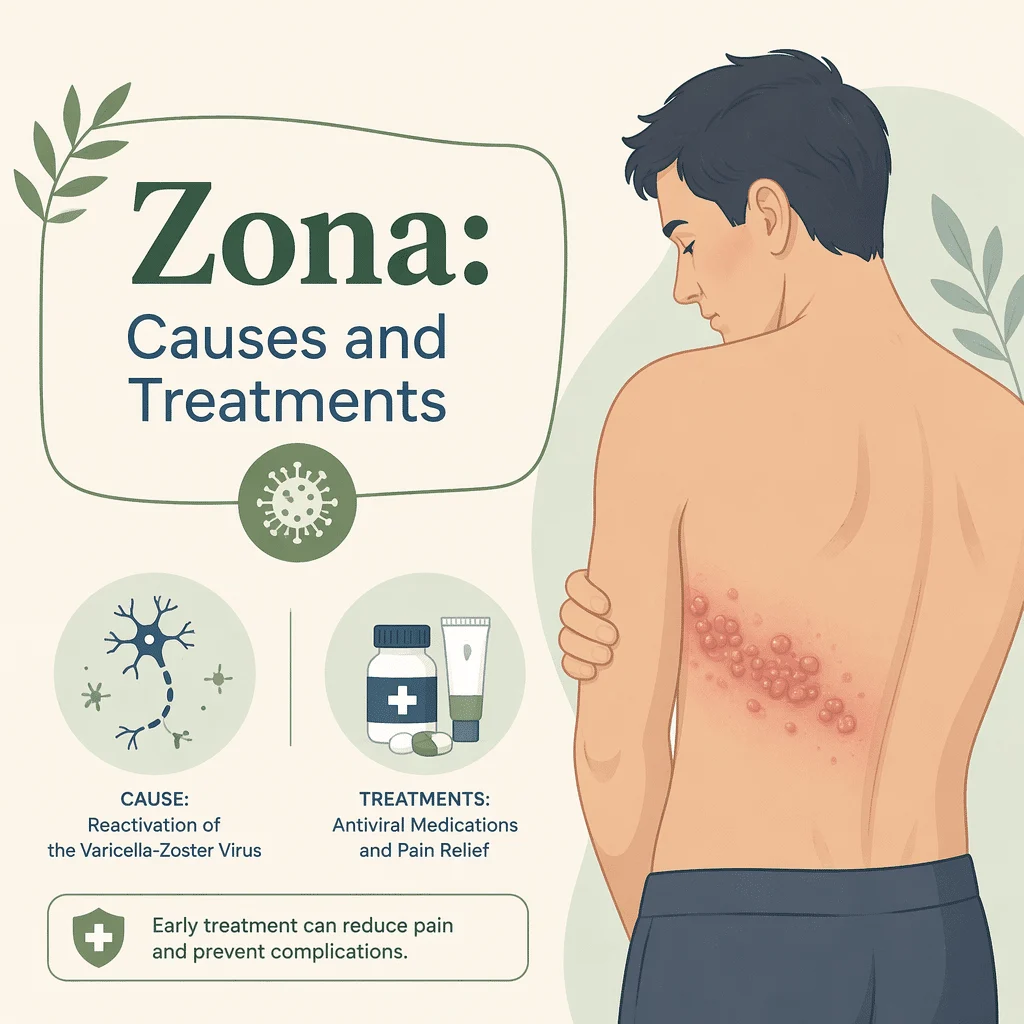
Shingles is caused by the reactivation of the chickenpox virus, which lies dormant in nerves for years. It typically begins with burning, tingling, or stabbing pain, followed a few days later by a band of red spots and fluid-filled blisters on one side of the body or face. The pain can be intense and sometimes lingers for months as postherpetic neuralgia. For a fuller explanation, our team has written a dedicated shingles symptoms and testing guide.
Cellulitis and other skin infections
Cellulitis is a bacterial infection of the deeper skin layers. It shows up as warm, tender, spreading redness, often on a lower leg, and may come with swelling and fever. Cellulitis can worsen quickly, so it usually needs prompt antibiotics. It is more likely when the skin barrier is already broken, for example by a cut, an insect bite, athlete’s foot between the toes, or long-standing leg swelling. Signs that it is advancing include redness that creeps outward hour by hour, increasing pain, and a fever. Other infections, including infected wounds and some fungal or viral rashes, can also become painful.
Contact dermatitis and irritant burns
Contact dermatitis appears where the skin met an irritant or allergen, such as a harsh cleaning product, a plant, a metal, or a cosmetic. It can sting and burn, turn red, and sometimes blister. Chemical and heat burns produce a similar sore, reddened, and blistered surface. Common triggers include nickel in jewellery, fragrances, hair dye, poison ivy and other plants, and strong soaps or solvents. The reaction may appear within minutes of contact or be delayed by a day or two, which can make the culprit hard to identify. Removing the trigger and protecting the skin are the priorities.
Hives (urticaria)
Hives are raised welts that can sting or burn as much as they itch. Individual welts usually fade within a day, though new ones may keep appearing. Hives often follow an allergic trigger, an infection, or a medicine, and most cases settle with antihistamines once the cause is removed.
Drug reactions
Some medicines cause a rash days to weeks after they are started. Most drug rashes are mild, but a small number are serious and spread fast, blister, or come with fever and facial swelling. Antibiotics are among the more common culprits, and our health library covers the specific penicillin allergy symptoms and treatments. Any painful, rapidly worsening rash after a new medicine deserves urgent medical advice.
Stasis dermatitis and painful legs
Stasis dermatitis is an aching, red, scaly change on both lower legs caused by sluggish blood flow in the leg veins rather than by infection. Because it looks like cellulitis, it is often mistaken for it, yet it does not improve with antibiotics. It responds instead to compression and to treating the underlying vein problem.
| Possible cause | How it looks and feels | Typical first step |
|---|---|---|
| Shingles (herpes zoster) | Burning or stabbing pain, then a band of red spots and blisters on one side of the body | Antiviral medicine, ideally within three days, plus pain relief |
| Cellulitis | Warm, tender, spreading redness, sometimes with swelling and fever | Prompt antibiotics; mark the edge and watch for spread |
| Contact dermatitis or burn | Stinging, red, sometimes blistered skin where an irritant or allergen touched it | Remove the trigger, then soothe and protect the skin |
| Hives (urticaria) | Raised welts that sting or burn and come and go within hours | Antihistamines; identify and avoid the trigger |
| Drug reaction | Widespread rash days to weeks after a new medicine, sometimes with blisters or fever | Contact a doctor; severe signs need urgent care |
| Stasis dermatitis | Aching, red, scaly skin on both lower legs, with swelling | Compression and vein care, not antibiotics |
How doctors find the cause of a painful rash
Because so many conditions can produce a sore rash, doctors work through the possibilities in a logical order, starting with what they can see and feel.
Examination and your history
A clinician looks at where the rash sits, its pattern and colour, whether it blisters, and how it changed over time. They also ask about recent medicines, new products, insect bites, travel, and fever. This history often narrows the cause dramatically before any laboratory test is needed.
When laboratory tests help
Tests are used to confirm a suspicion or to judge how the body is responding, not to replace the examination. When an infection is suspected, doctors may check for inflammation with a C-reactive protein (CRP) test. This blood marker rises when the body is fighting an infection or an injury. They may also look at whether one infection-fighting white cell type is raised, which we cover in a focused high neutrophils explainer. A swab of a blister, an allergy work-up, or occasionally a small skin biopsy can pin down a specific cause when the picture is unclear. When an allergic cause is suspected, blood tests that measure IgE antibodies can support the search for a trigger, and any result is read alongside your history and examination rather than on its own.
When to see a doctor about a painful rash
Most painful rashes can be assessed by a GP, but certain features point to a condition that needs same-day or emergency care. Dermatology guidance highlights the following warning signs.
- A rash that spreads rapidly or covers much of the body
- Blistering, peeling, or raw open skin
- Fever, feeling generally unwell, or a fast heartbeat alongside the rash
- A rash near the eyes, lips, mouth, or genitals
- Warm, spreading redness with swelling, which can signal a deep infection
- Facial swelling or any difficulty breathing, which is an emergency
When any of these appear, it is safer to be assessed quickly than to wait and see. A rash on one side of the face, especially near an eye, should always be checked promptly because of the risk to sight.
Treating a painful rash at home and with a doctor
Comfort measures can ease the soreness whilst the underlying cause is treated, but they do not replace the specific treatment each condition needs.
General comfort measures
Cool compresses, loose cotton clothing, gentle fragrance-free moisturisers, and simple pain relievers such as paracetamol can reduce discomfort for many rashes. Keeping blisters clean and covered lowers the risk of a secondary infection. Avoid scratching, which can break the skin and let bacteria in.
Treatment aimed at the cause
The definitive treatment depends on the trigger. Shingles calls for antiviral medicine, ideally started within three days of the rash appearing. Cellulitis needs antibiotics. Contact dermatitis improves once the irritant is removed and the skin is soothed, sometimes with a topical steroid. Hives usually respond to antihistamines. A rash from a medicine may require stopping the drug under medical guidance. Matching the treatment to the cause is exactly why an accurate diagnosis matters.
Latest scientific advances
Research from the last three years has sharpened how doctors prevent and recognise some of the most painful skin rashes. The findings below are summarised in plain terms for a general reader.
Real-world proof that the shingles vaccine works
A large real-world study that followed nearly two million older adults found that two doses of the recombinant shingles vaccine cut the chance of developing shingles by roughly three-quarters, and that this protection barely faded across four years, whilst a single dose wore off much faster. A separate pooled analysis of trials in people with weakened immune systems, for example after a transplant or during cancer treatment, found the two-dose vaccine lowered shingles cases substantially in that group too. What this means for you: if you are 50 or older, or have a condition that weakens immunity, completing both vaccine doses is one of the most effective ways to avoid a painful skin rash caused by shingles. It is worth asking your doctor whether you are eligible.
A painful red leg is not always an infection
Dermatology reviews have stressed that stasis dermatitis, a red and aching change on both lower legs driven by poor vein circulation rather than bacteria, is frequently mistaken for cellulitis. Because the two look alike but need very different treatment, antibiotics do not help stasis dermatitis. What this means for you: if a red, sore rash affects both legs at once and you otherwise feel well, it is reasonable to ask whether sluggish circulation, rather than infection, could be the reason, since compression and vein care are the real fix.
Spotting dangerous drug reactions earlier
Specialists have also clarified how to recognise rare but serious drug reactions, grouped under the term severe cutaneous adverse reactions, meaning severe skin reactions set off by a medicine. The warning features include a rash that spreads fast, blisters or peeling skin, sores in the mouth or eyes, facial swelling, and fever, usually days to weeks after a new drug is started. What this means for you: a painful, rapidly worsening rash after starting a medication is a reason to seek urgent care rather than wait, because recognising it early and stopping the drug can be life-saving.
Preventing painful skin rashes
Not every rash can be avoided, but several steps lower the odds. Vaccination against shingles is the clearest example for older adults. Good skin care, prompt cleaning of cuts and scrapes, and treating athlete’s foot or leg swelling early reduce the chance of cellulitis. Keeping a note of any medicine or product that once caused a reaction helps you and your pharmacist steer clear of a repeat. When a chronic skin condition flares, treating it early keeps the skin barrier intact and less prone to painful cracking or infection.
Glossary
| Term | Definition |
|---|---|
| Allodynia | Pain felt from something that should not hurt, such as light touch or clothing on the skin. |
| Cellulitis | A bacterial infection of the deeper skin layers that causes warm, tender, spreading redness. |
| C-reactive protein (CRP) | A blood marker made by the liver that rises during infection or inflammation. |
| Contact dermatitis | Skin inflammation caused by direct contact with an irritant or an allergen. |
| Dermatome | The strip of skin served by a single nerve, the pattern shingles tends to follow. |
| Erythema | Redness of the skin caused by increased blood flow, common in inflammation and infection. |
| Postherpetic neuralgia | Nerve pain that can persist for months after a shingles rash has healed. |
| Stasis dermatitis | A red, scaly, aching rash on the lower legs caused by poor vein circulation. |
| Urticaria (hives) | Raised, short-lived welts that can itch, sting, or burn, often from an allergic trigger. |
| Vesicle | A small, fluid-filled blister, seen in shingles and some forms of dermatitis. |
Frequently asked questions
What causes a painful skin rash?
The most common reasons are shingles, skin infections such as cellulitis, contact dermatitis and burns, hives, and reactions to medicines. Pain tends to signal infection, nerve involvement, or a strong immune reaction, so a sore rash is generally worth having checked, especially if it spreads, blisters, or comes with fever.
What does a painful skin rash with blisters mean?
Blisters on a painful rash suggest that fluid is collecting under the top layer of skin. Shingles is a classic cause when the blisters form a band on one side of the body. Burns, severe contact dermatitis, and certain drug reactions can also blister. Widespread blistering, or blisters near the eyes or mouth, should be assessed urgently.
Why is my skin painful to touch but there is no rash?
Tender skin without a visible rash can appear in the early phase of shingles, after sunburn, or with nerve-sensitivity conditions that heighten the pain response. If the tenderness settles in a band on one side of the body, or is joined by fever or spreading redness, see a doctor, as a rash or infection may be developing.
What could a painful rash on my legs or back mean?
On the back or the trunk, a painful, blistering band on one side often points to shingles. On both lower legs, a red and aching rash is more likely to be stasis dermatitis from vein problems, which is sometimes confused with cellulitis. Because the treatments differ, an accurate diagnosis matters.
When is a painful rash an emergency?
Seek urgent care if the rash spreads rapidly, covers much of the body, blisters or peels, involves the eyes, lips, or genitals, or comes with fever, facial swelling, or difficulty breathing. These features can indicate a serious infection or a severe reaction that needs immediate treatment.
Can blood tests explain a painful rash?
Blood tests do not name a rash on their own, but they help. Markers of inflammation and white blood cell counts can show whether an infection is likely and how the body is responding, whilst allergy blood tests can support the search for a trigger. Doctors read these results alongside the examination to reach a diagnosis.
Sources
- MedlinePlus, National Library of Medicine — Rashes — https://medlineplus.gov/rashes.html
- American Academy of Dermatology — Rash 101 in adults: when to seek medical treatment — https://www.aad.org/public/everyday-care/itchy-skin/rash/rash-101
- Mayo Clinic — Cellulitis: symptoms and causes — https://www.mayoclinic.org/diseases-conditions/cellulitis/symptoms-causes/syc-20370762
- Zerbo O, Bartlett J, Fireman B, et al. — Effectiveness of Recombinant Zoster Vaccine Against Herpes Zoster in a Real-World Setting — Annals of Internal Medicine, 2024 — https://doi.org/10.7326/M23-2023
- Marra F, Yip M, Cragg JJ, Vadlamudi NK — Systematic review and meta-analysis of recombinant herpes zoster vaccine in immunocompromised populations — PLoS One, 2024 — https://doi.org/10.1371/journal.pone.0313889
- Yosipovitch G, Nedorost ST, Silverberg JI, et al. — Stasis Dermatitis: An Overview of Its Clinical Presentation, Pathogenesis, and Management — American Journal of Clinical Dermatology, 2023 — https://doi.org/10.1007/s40257-022-00753-5
- Wilkerson RG — Drug Hypersensitivity Reactions — Immunology and Allergy Clinics of North America, 2023 — https://doi.org/10.1016/j.iac.2022.10.005
Further reading
- Skin rash: causes, symptoms, and treatments
- Allergy blood testing: IgE and allergy panels explained
- Full blood count (FBC): how to read your results
- High CRP levels: causes, symptoms, and treatments
- Erythrocyte sedimentation rate (ESR): understanding this marker
Understand your lab results with AI DiagMe
When a painful skin rash may be infected or part of a wider condition, simple blood tests can add useful context. Markers such as C-reactive protein and the white blood cell count on a full blood count help show whether inflammation or infection is likely, and allergy panels can support the search for a trigger. AI DiagMe helps you understand what these results mean in plain language, so you arrive better informed. It does not diagnose your rash and does not replace your doctor, who remains the right person to examine your skin and decide on treatment.
Get your results interpreted in minutes