


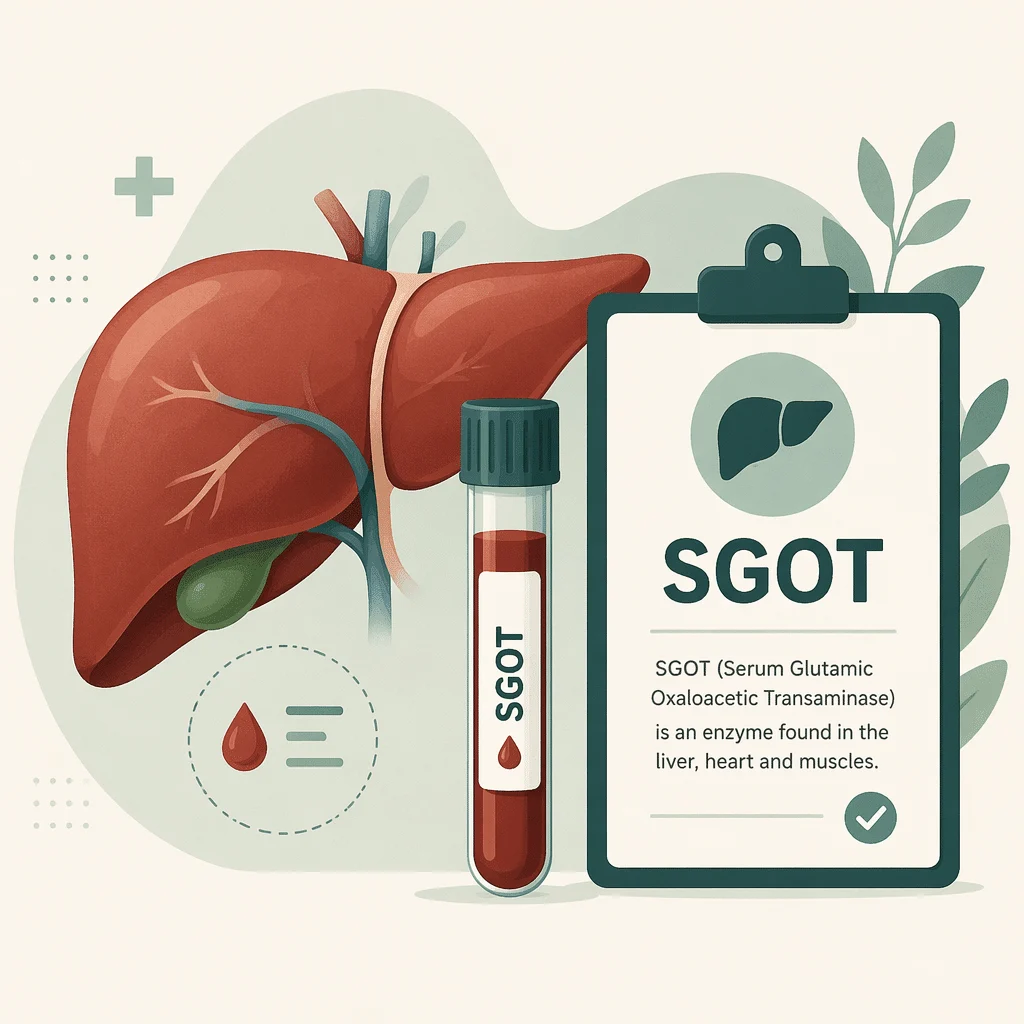
يقيس فحص AST في الدم إنزيم أسبارتات أمينوترانسفيراز، وهو إنزيم يتواجد أساساً في الكبد، وكذلك في أنسجة العضلات والقلب، ويُعدّ من أكثر الطرق شيوعاً التي يستخدمها الأطباء للكشف عن تضرر خلايا الكبد. يشرح هذا الدليل ما يقيسه الفحص، وما يُعدّ ضمن النطاق الطبيعي، والعوامل التي ترفع مستوى AST أو تخفضه، وكيف يندرج ضمن تحليل وظائف الكبد الشامل، ومتى تستدعي النتيجة مزيداً من الفحص. سواء أشارت نتيجتك إلى AST أو استخدمت الاسم القديم SGOT، فالإنزيم واحد ومبادئ تفسير النتيجة هي ذاتها.
ما الذي يقيسه فحص AST في الدم فعلاً
أسبارتات أمينوترانسفيراز، ويُختصر بـ AST، إنزيم يساعد خلايا الكبد على معالجة الأحماض الأمينية في إطار عملية الأيض الطبيعية. توجد كميات صغيرة منه أيضاً داخل عضلة القلب والعضلات الهيكلية والكليتين وخلايا الدم الحمراء. في الأحوال الطبيعية، يبقى AST داخل هذه الخلايا ولا يصل إلى الدم إلا بكميات ضئيلة. غير أنه حين تتعرض الخلايا للتلف أو الضغط، سواء بسبب التهاب أو سموم أو إصابة، تُطلق كميات إضافية من AST في مجرى الدم، وهو بالضبط ما يهدف فحص AST إلى اكتشافه.
الاسم القديم لهذا الإنزيم هو SGOT، اختصاراً لـ serum glutamic-oxaloacetic transaminase. لا تزال بعض المختبرات تطبع “SGOT” على نماذج التقارير القديمة، في حين تستخدم معظم المختبرات الحديثة “AST.” كلا المصطلحين يصفان القياس ذاته تماماً، لذا فإن ظهور أحدهما على تقريرك لا يغيّر شيئاً في طريقة قراءة الرقم.
نادراً ما يطلب الأطباء فحص AST في الدم بمفرده. فهو يُطلب عادةً مع إنزيم مرافق يُسمى ألانين أمينوترانسفيراز، وكلاهما يُدرجان في الغالب ضمن تحليل وظائف الكبد الشامل. يساعد طلبهما معاً الطبيب على تحديد ما إذا كانت النتيجة المرتفعة تشير تحديداً إلى الكبد أم إلى نسيج آخر كالعضلات.
القيم الطبيعية لفحص AST في الدم وما تعنيه
تتفاوت النطاقات المرجعية قليلاً من مختبر إلى آخر، غير أن النطاق الشائع المستخدم للبالغين في تحليل AST في الدم يتراوح بين 8 و48 وحدة/لتر للرجال، وبين 8 و43 وحدة/لتر للنساء، وقد تكون القيم لدى الأطفال أعلى قليلاً نظراً لتجدد الأنسجة الطبيعي المرتبط بالنمو. الرقم الأهم هو الذي يظهر بجانب نتيجتك الخاصة، إذ تختلف الحدود الدقيقة من مختبر إلى آخر تبعاً للأجهزة المستخدمة وبيانات السكان المحليين.
النتيجة التي تقع خارج النطاق المطبوع بفارق بسيط لا تُعدّ مثيرة للقلق بالضرورة. فإحصائياً، يقع نحو واحد من كل عشرين شخصاً سليماً خارج النطاق "الطبيعي" المحدد بالصدفة المحضة، لأن هذه النطاقات مبنية على تغطية 95% من الوسط الصحي للسكان. كما أن العمر والجنس وتركيبة الجسم والتمرين الرياضي الأخير، بل وطريقة الفحص المستخدمة في المختبر، قد تؤثر في الرقم بشكل طفيف.
نادراً ما تثير النتائج المنخفضة جداً في تحليل AST في الدم أي قلق بحد ذاتها. يولي الأطباء اهتماماً أكبر بكثير للنتائج المرتفعة، إذ يعكس الارتفاع حدوث شيء ما على المستوى الخلوي يستحق الفهم في الغالب، حتى لو تبيّن أن السبب الكامن بسيط وعابر.
كيف يقيّم الأطباء درجة الارتفاع
تحمل درجة الارتفاع في تحليل AST في الدم أهمية تشخيصية لا تقل عن أهمية الارتفاع نفسه. يُصنّف الأطباء النتائج عادةً في مستويات تقريبية لتحديد مدى الاستعجال في التصرف.
| درجة الارتفاع | تقريبًا كم يبلغ ارتفاعه | ما يوحي به غالباً | الخطوة التالية النموذجية |
|---|---|---|---|
| خفيف | أقل من 3 أضعاف الحد الأعلى | الكبد الدهني، أو تناول الكحول مؤخراً، أو دواء جديد، أو تمرين مكثف حديث | في الغالب إعادة التحليل بعد عدة أسابيع |
| معتدل | من 3 إلى 10 أضعاف الحد الأعلى | التهاب الكبد النشط، أو تفاعل دوائي، أو حالة كبدية أكثر ثباتاً | فحوصات دم إضافية، وأحياناً تصوير طبي |
| ملحوظ | أكثر من 10 أضعاف الحد الأعلى | إصابة حادة في الكبد، كجرعة زائدة من دواء أو التهاب كبد حاد شديد | تقييم طبي عاجل |
هذه المستويات أنماط عامة وليست قواعد ثابتة، وسيوازن طبيبك بين الرقم الدقيق وأعراضك وتاريخك الصحي ونتائج الفحوصات الأخرى قبل أن يحدد ما تعنيه بالنسبة لك.
الأسباب الشائعة لارتفاع نتيجة تحليل AST في الدم
لارتفاع نتيجة تحليل AST في الدم أسباب محتملة كثيرة، معظمها شائع ومفهوم جيداً وقابل للعلاج في أغلب الأحيان. مراجعة الفئات المعتادة تساعدك على إجراء حوار مثمر مع طبيبك بدلاً من القفز إلى أسوأ الاحتمالات.
الأسباب المتعلقة بالكبد
السبب الأكثر شيوعاً على مستوى العالم لارتفاع طفيف في تحليل AST في الدم هو مرض الكبد الدهني المرتبط بالخلل الأيضي، الذي كان يُعرف سابقاً بمرض الكبد الدهني غير الكحولي، وهو مرتبط ارتباطاً وثيقاً بزيادة الوزن ومقاومة الأنسولين وارتفاع دهون الدم. كما يمكن لالتهاب الكبد الفيروسي، سواء من النوع A أو B أو C، أن يُلهب خلايا الكبد ويرفع المستويات، وأحياناً بشكل ملحوظ خلال العدوى الحادة. يُعدّ الاستخدام المنتظم أو المفرط للكحول سبباً راسخاً آخر، كما أن تليف الكبد المزمن قد يُنتج نتائج غير طبيعية مستمرة حتى حين يبدو الارتفاع متواضعاً.
أسباب لا تتعلق بالكبد
بما أن AST يوجد أيضاً داخل أنسجة العضلات والقلب، فإن التمرين الشاق أو إصابة عضلية أو حدث قلبي قد يرفع نتيجة تحليل AST في الدم دون أي مشكلة في الكبد على الإطلاق. هذا أحد الأسباب التي تجعل AST أقل خصوصية للكبد مقارنةً بـ ALT، الذي يتركز بشكل أكبر داخل خلايا الكبد. كذلك يمكن لبعض الأدوية والمكملات الغذائية، بما فيها مسكنات الألم الشائعة وأدوية خفض الكوليسترول والمنتجات العشبية بجرعات عالية، أن ترفع النتيجة كأثر جانبي لا كعلامة على مرض كامن.
AST مقابل ALT: قراءة القيمتين معاً
تُتيح مقارنة AST وALT جنباً إلى جنب للطبيب فهماً أعمق مما توفره كل قيمة منفردة، إذ كثيراً ما يُضيّق النمط بينهما نطاق الأسباب المحتملة. يوضح الجدول أدناه الفوارق الرئيسية في ما يميل كل إنزيم إلى الإشارة إليه.
| ميزة | AST | ALT |
|---|---|---|
| المصدر النسيجي الرئيسي | الكبد، القلب، العضلات، الكلى | معظمها من الكبد |
| خصوصية الكبد | أقل تخصصاً، نظراً لمساهمة أنسجة أخرى | أعلى تخصصاً، إشارة أكثر مباشرة للكبد |
| النمط المعتاد في الكبد الدهني | غالباً مرتفع ارتفاعاً طفيفاً | عادةً مرتفع أكثر من AST |
| النمط المعتاد عند الاستخدام المفرط للكحول | غالباً مرتفع أكثر من ALT | مرتفع، لكن عادةً أقل من AST |
نسبة AST/ALT
قسمة AST على ALT تُعطي نسبة بسيطة توفر دلالة إضافية، وإن كانت مجرد مؤشر لا تشخيصاً قائماً بذاته. في معظم الأسباب الشائعة لضغط الكبد، بما فيها الكبد الدهني، يميل ALT إلى أن يكون أعلى من AST، فتكون النسبة أقل من 1. أما حين يكون AST أعلى بوضوح من ALT بنسبة تتجاوز 2 تقريباً، فإن مرض الكبد المرتبط بالكحول يصبح أكثر احتمالاً، إذ يؤثر التعرض المزمن للكحول على الأنسجة المنتجة لـ AST أكثر من تلك المنتجة لـ ALT. يفسر طبيبك هذه النسبة دائماً في ضوء تاريخك الصحي وقائمة أدويتك ونتائج باقي فحوصات الكبد، لا بمعزل عنها.
موضع تحليل AST في الدم ضمن لوحة فحوصات الكبد الكاملة
نادراً ما يُجرى تحليل AST في الدم منفرداً في الممارسة الطبية، إذ يُدرج عادةً ضمن مجموعة أوسع فحص وظائف الكبد إلى جانب ALT، الفوسفاتاز القلوي, غاما غلوتاميل ترانسفيراز, ، و البيليروبين الكلي. يتيح هذا التجميع للطبيب تصنيف النتيجة ضمن نمط واضح، بدلاً من التعامل مع رقم منفرد ومعزول.
بشكل عام، حين يرتفع AST وALT معاً أكثر من المؤشرات الأخرى، يُسمي الأطباء هذا النمط الكبدي الخلوي، وهو يشير في الغالب إلى تلف في خلايا الكبد من أسباب كالكبد الدهني أو التهاب الكبد الفيروسي أو الكحول. أما حين يرتفع الفوسفاتاز القلوي وGGT بصورة أكبر، غالباً مع ارتفاع البيليروبين، فهذا يوحي بنمط ركودي صفراوي، أي مشكلة في تدفق الصفراء لا في خلايا الكبد ذاتها. وكثير من النتائج تُظهر مزيجاً من النمطين، مما يوجّه الفحوصات نحو اتجاه أوسع.
المؤشرات التي تقيس الوظيفة الفعلية للكبد، لا تلف الخلايا، تشمل الألبومين و البروتين الكلي، إذ يقوم الكبد بتصنيع كليهما. قد يحمل انخفاض الألبومين أو ارتفاع البيليروبين أهمية أكبر من ارتفاع طفيف في AST، لا سيما في أمراض الكبد المزمنة حيث قد يستقر تسرب الإنزيمات حتى مع استمرار الضرر الكامن.
عوامل نمط الحياة التي تؤثر على نتيجة تحليل AST في الدم
ثمة عوامل يومية عدة قد تُغيّر نتيجة تحليل AST دون أن تعكس بالضرورة مرضاً كبدياً قائماً، والتعرف عليها يساعد على وضع الرقم غير المتوقع في سياقه الصحيح.
- ممارسة تمارين مكثفة أو غير معتادة مؤخراً، إذ يصدر AST أيضاً من أنسجة العضلات المجهدة أو المتضررة.
- تناول الكحول قبل يوم أو يومين من سحب الدم، مما قد يرفع عدة إنزيمات كبدية بصورة مؤقتة.
- اتباع نظام غذائي غني بالأطعمة المصنّعة أو السكر المضاف أو الدهون المشبعة، مما يُسهم بمرور الوقت في تغيرات الكبد الدهني.
- وزن الجسم والصحة الأيضية، إذ يرتبط الوزن الزائد ومقاومة الأنسولين ارتباطاً وثيقاً بمرض الكبد الدهني.
- الأدوية أو المكملات الغذائية الجديدة، بما فيها بعض مسكنات الألم الشائعة المتاحة دون وصفة طبية والمنتجات العشبية.
- النوم الكافي وإدارة التوتر، مما يدعم الصحة الأيضية والكبدية العامة على المدى البعيد.
إن معالجة هذه العوامل اليومية، ولا سيما تقليل تناول الكحول والسعي نحو وزن صحي من خلال التغذية المتوازنة والحركة المنتظمة، كثيراً ما تُحسّن ارتفاع AST الطفيف في غضون أسابيع إلى أشهر، وهذا أحد أسباب اقتراح الأطباء في الغالب إعادة التحليل قبل الشروع في فحوصات أكثر تفصيلاً.
متى تراجع الطبيب بشأن نتائج تحليل AST في الدم
معظم نتائج تحليل AST غير الطبيعية ليست حالات طارئة، وسيرشدك طبيبك إلى الوتيرة المناسبة للمتابعة. غير أن بعض الحالات تستدعي الاهتمام السريع دون انتظار موعد روتيني.
- اصفرار الجلد أو بياض العينين، وهو ما يُعرف بالـيرقان.
- بول داكن اللون مصحوب ببراز شاحب أو بلون الطين.
- ألم شديد أو مستمر في الجانب الأيمن العلوي من البطن.
- كدمات أو نزيف غير مبرر، أو قيء يشبه الدم أو تفل القهوة.
- تشوش ذهني، أو نعاس غير معتاد، أو صعوبة في البقاء يقظاً.
- تورم ملحوظ في البطن أو الساقين يظهر دون سبب واضح.
من المنطقي أيضاً تحديد موعد غير عاجل لمراجعة طبيبك إذا استمر ارتفاع نتيجة تحليل AST في الدم عند إعادة الفحص، أو إذا تصاعدت القراءات تدريجياً، أو ظهرت إلى جانب مؤشرات غير طبيعية أخرى في تحاليل وظائف الكبد. إحضار قائمة كاملة بالأدوية والمكملات الغذائية وكميات الكحول التي تناولتها مؤخراً سيساعد طبيبك على تفسير النتائج بدقة.
أحدث التطورات العلمية
تناولت دراسة واسعة نُشرت عام 2025 في مجلة Liver International مسألة ما إذا كانت حدود “الطبيعي” التي تعتمدها المختبرات لتحاليل وظائف الكبد — بما فيها تحليل AST في الدم، وALT، وGGT، والفوسفاتاز القلوي، والبيليروبين — تتنبأ فعلاً بمشكلات الكبد على المدى البعيد. درس الباحثون آلاف البالغين في منتصف العمر الأصحاء، ثم تابعوا بعد سنوات من منهم طوّر مضاعفات صحية خطيرة مرتبطة بالكبد.
ما يعنيه هذا بالنسبة لك: وجدت الدراسة أن تحليل AST في الدم، إلى جانب GGT، كان مؤشر إنذار مبكر أفضل لمشكلات الكبد المستقبلية مقارنةً بـALT الذي كثيراً ما يُعدّ المؤشر “الرئيسي” للكبد. الأشخاص الذين كانت قراءة AST لديهم تتجاوز ضعف الحد الأعلى المعتاد تقريباً حملوا خطراً أعلى بشكل ملموس على المدى البعيد لنتائج كبدية خطيرة، حتى وإن كانوا يشعرون بصحة تامة وقت الفحص. يشير هذا إلى أن تحليل AST في الدم يستحق الاهتمام ذاته الذي يُولى لـALT حين تصلك نتائجك، بدلاً من التعامل معه باعتباره الأقل أهمية من الاثنين.
للتوضيح فيما يخص بعض المصطلحات الواردة: المجموعة البحثية (cohort) هي ببساطة مجموعة من الأشخاص يُتابَعون على مدار الزمن لرصد ما يطرأ على صحتهم لاحقاً، أما حد المرجع (reference limit) فهو الرقم الفاصل الذي يعتمده المختبر للتمييز بين النتيجة “الطبيعية” والنتيجة “غير الطبيعية”.
لا تزال هذه النتائج حديثة نسبياً، وقد استُقيت من مجموعة سكانية محددة، لذا فإن التحقق منها على مجموعات أخرى أوسع خطوة منطقية قبل تغيير نطاقات المرجع في كل مكان. في غضون ذلك، الخلاصة مطمئنة لا مقلقة: فهي تؤكد أن إعادة الفحص والانتباه إلى ارتفاع AST المستمر، حتى لو كان طفيفاً، استجابة حكيمة ومتناسبة مع الوضع، وليست مبالغةً في رد الفعل.
مسرد المصطلحات
| شرط | تعريف |
|---|---|
| AST (ناقلة أمين الأسبارتات) | إنزيم يوجد أساساً في الكبد وأيضاً في أنسجة العضلات والقلب والكلى، يُقاس للمساعدة في تقييم تلف خلايا الكبد. |
| SGOT | اسم قديم لإنزيم AST، اختصار لـ serum glutamic-oxaloacetic transaminase؛ وهو يشير إلى نفس الإنزيم تماماً. |
| ALT (ألانين أمينوترانسفيراز) | إنزيم كبدي مرافق يتركز في خلايا الكبد أكثر من إنزيم AST، مما يجعله مؤشراً أكثر تخصصاً للكبد. |
| نسبة AST/ALT | ناتج قسمة AST على ALT؛ فإذا تجاوزت النسبة 2 تقريباً، فهذا يثير الشك في وجود مرض كبدي مرتبط بالكحول. |
| النمط الخلوي الكبدي | نمط في فحوصات الكبد تكون فيه قيم AST وALT هي الأعلى ارتفاعاً، مما يشير إلى تلف في خلايا الكبد ذاتها. |
| النمط الركودي الصفراوي | نمط في فحوصات الكبد تكون فيه قيم الفوسفاتاز القلوي وGGT هي الأعلى ارتفاعاً، مما يشير إلى مشكلة في تدفق الصفراء. |
| النطاق المرجعي | مجموعة القيم التي يعتبرها المختبر طبيعية لدى الأشخاص الأصحاء، وقد تتفاوت من مختبر لآخر ومن حيث العمر والجنس. |
| MASLD | مرض الكبد الدهني المرتبط بخلل التمثيل الغذائي، وهو الاسم الحالي لما كان يُعرف سابقاً بمرض الكبد الدهني غير الكحولي. |
الأسئلة الشائعة
هل يعني AST الطبيعي أنه لا توجد أي مشكلة في الكبد؟
ليس بالضرورة. يتمتع الكبد باحتياطي وظيفي كبير، لذا قد تبدو مستويات الإنزيمات طبيعية حتى في حالات التليف أو تراكم الدهون، خاصةً في المراحل المبكرة أو الحالات بطيئة التطور. نتيجة AST الطبيعية في فحص الدم تُعدّ مؤشراً مطمئناً في لحظة معينة، لكنها ليست ضماناً مدى الحياة؛ ولهذا يجمع الأطباء بينها وبين الأعراض والتاريخ المرضي وأحياناً الفحوصات التصويرية عند وجود شك محدد.
هل يؤثر الصيام على نتيجة فحص AST في الدم؟
لا يُشترط الصيام عادةً لفحص AST تحديداً، إذ لا يتأثر هذا الإنزيم بشكل ملحوظ بتناول الطعام مؤخراً. غير أن فحص AST كثيراً ما يُطلب جنباً إلى جنب مع فحوصات السكر أو الكوليسترول التي تستلزم الصيام، لذا من الأفضل اتباع التعليمات المرفقة بطلب الفحص الخاص بك.
كم يستغرق انخفاض مستوى AST المرتفع؟
يعتمد ذلك بشكل كبير على السبب. فالارتفاع الطفيف المرتبط بتناول الكحول مؤخراً أو ممارسة تمارين مكثفة قد يعود إلى طبيعته خلال أسبوع إلى أسبوعين. أما الارتفاع المرتبط بمرض الكبد الدهني فقد يستغرق عدة أشهر من تغييرات نمط الحياة المستمرة حتى يتحسن بشكل ملموس، في حين يسير الارتفاع الناجم عن عدوى حادة عادةً وفق مسار المرض نفسه لا وفق جدول زمني ثابت.
هل يُشكّل انخفاض مستوى AST قليلاً مصدر قلق؟
انخفاض قيمة AST نادرًا ما يكون مدعاةً للقلق في حد ذاته، وعادةً لا يُجرى تحقيق إضافي بشأنه، إذ يُركّز الأطباء اهتمامهم على النتائج المرتفعة. وفي حالات نادرة، ارتبطت القيمة المنخفضة بحالات كسوء التغذية المتقدم أو نقص فيتامين B6، غير أن هذا ليس نتيجةً شائعة لدى الشخص السليم في الأحوال الطبيعية.
هل يمكن أن يكون النطاق الطبيعي لـ AST عند الأطفال مختلفًا عنه عند البالغين؟
نعم. كثيرًا ما تُظهر قيم AST لدى الأطفال والمراهقين ارتفاعًا نسبيًا مقارنةً بالبالغين، وذلك بسبب النمو الطبيعي للأنسجة وتجددها. تأخذ النطاقات المرجعية الخاصة بالأطفال هذا الأمر بعين الاعتبار، لذا يقارن طبيب الأطفال نتيجة الطفل بالنطاق المناسب لعمره وليس بنطاق البالغين.
هل يؤثر الحمل على مستويات AST؟
تبقى قيمة AST عادةً ضمن النطاقات الطبيعية للبالغين طوال معظم فترة الحمل. غير أن بعض مضاعفات الحمل، كتسمم الحمل (الإيكلامبسيا المسبقة) وحالات الكبد النادرة المرتبطة بالحمل، قد ترفع مستوى AST، وهذا هو السبب في أن فرق التوليد تراقب أحيانًا اختبارات وظائف الكبد عن كثب في المراحل المتأخرة من الحمل.
مصادر
- MedlinePlus (المكتبة الوطنية للطب، المعاهد الوطنية للصحة NIH) — اختبار AST — MedlinePlus، 2024 اختبار AST
- Mayo Clinic — فحص الدم لإنزيم ناقل أمين الأسبارتات (AST) — Mayo Clinic، 2025 فحص الدم لإنزيم ناقل أمين الأسبارتات (AST)
- Cleveland Clinic — ناقل أمين الأسبارتات (AST) — مكتبة Cleveland Clinic الصحية، 2021 ناقل أمين الأسبارتات (AST)
- Åberg F, Männistö V, وآخرون — تحديث الحدود المرجعية لاختبارات الدم الخاصة بالكبد مع التحقق من صحتها في مقابل النتائج طويلة الأمد المرتبطة بالكبد — Liver International، 2025 تحديث الحدود المرجعية لاختبارات الدم الخاصة بالكبد مع التحقق من صحتها في مقابل النتائج طويلة الأمد المرتبطة بالكبد
للمزيد من القراءة
- شرح مستويات إنزيم ناقلة أمين الألانين (ALT)
- اختبارات وظائف الكبد (LFTs): كيفية قراءة نتائج اختبارات وظائف الكبد
- إنزيم غاما غلوتاميل ترانسفيراز (GGT): دليل شامل لهذا الإنزيم الكبدي
- اختبار الفوسفاتاز القلوي (ALP): فهم نتائجك
- مستويات البيليروبين الكلي: دليلك الكامل لهذا المؤشر الأساسي
فهم نتيجة فحص AST يصبح أوضح حين تراها جنبًا إلى جنب مع المؤشرات ذات الصلة، كـ ALT وGGT والفوسفاتاز القلوي والبيليروبين، إذ إن صحة الكبد تُقرأ بشكل أفضل كنمط متكامل لا كرقم منفرد. يساعدك AI DiagMe على فهم نتائج لوحة الكبد الكاملة وسائر نتائج التحاليل بلغة بسيطة وواضحة، حتى تتمكن من تحضير أسئلة أفضل لموعدك مع الطبيب. صُمِّم هذا التطبيق لمساعدتك على فهم أرقامك، لا لتشخيص حالة ما أو الإحلال محل رأي طبيبك.
افهم نتائج مختبرك باستخدام AI DiagMe
احصل على تفسير نتائجك في دقائق