


تكشف مستويات البيليروبين الكلي مدى كفاءة جسمك في التخلص من مادة نفايات طبيعية تنتج عن تكسّر خلايا الدم الحمراء القديمة. حين تخرج هذه القيمة عن النطاق المرجعي في تقرير التحليل، فإنها كثيرًا ما تثير تساؤلات أكثر مما تجيب، لا سيما وسط المصطلحات الطبية غير المألوفة والأرقام المرجعية. يشرح هذا الدليل ما هو البيليروبين الكلي، ولماذا يطلب الأطباء هذا الفحص، وما الذي قد تعنيه النتيجة المرتفعة أو المنخفضة، ومتى تستحق النتيجة مزيدًا من الاهتمام. كُتب هذا الدليل لمساعدتك على متابعة الحوار مع طبيبك، لا ليحلّ محله.
ما هو البيليروبين الكلي وكيف يصنعه الجسم
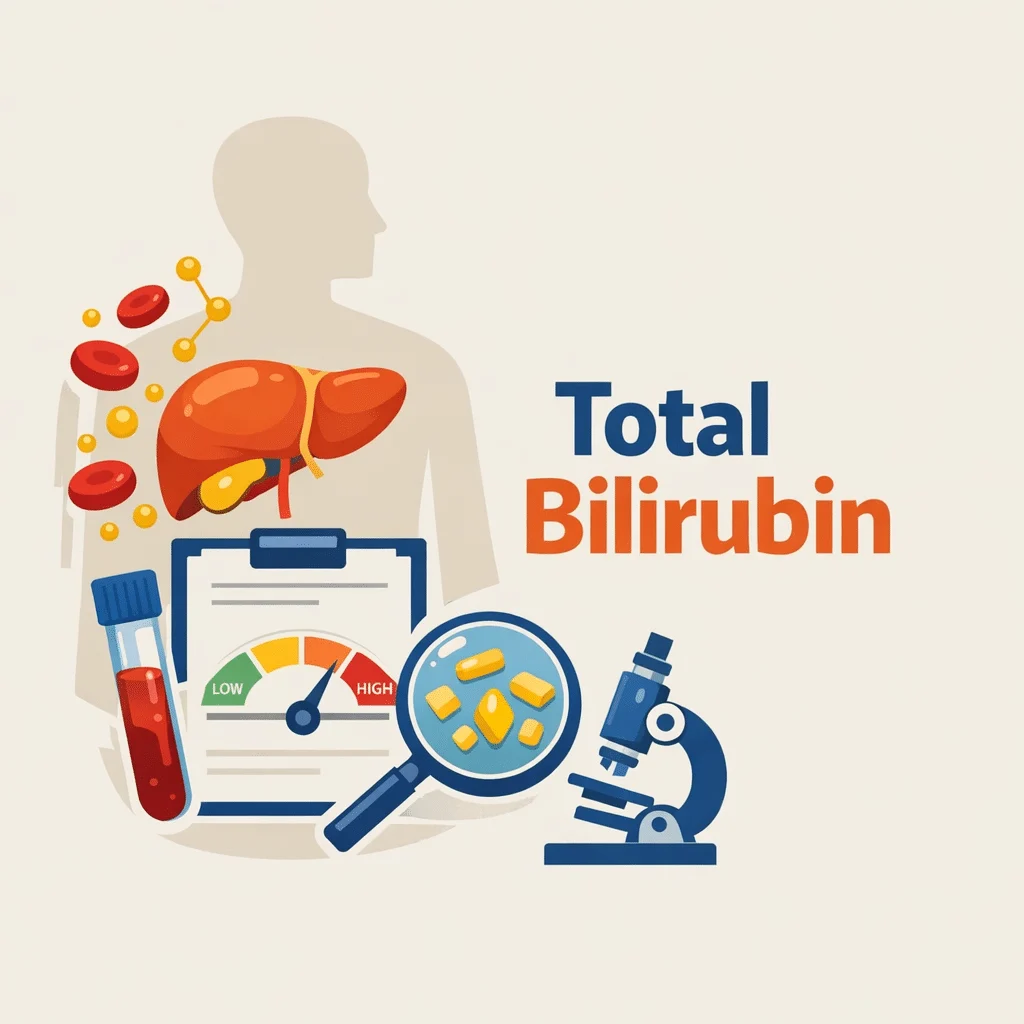
البيليروبين صبغة صفراء برتقالية تتكوّن عندما يُفكّك الجسم خلايا الدم الحمراء المتقادمة. يجمع البيليروبين الكلي بين البيليروبين غير المباشر (غير المترافق) والبيليروبين المباشر (المترافق)، ليصف الرحلة الكاملة لهذه الصبغة من مرحلة الإنتاج حتى الإخراج. وغالبًا ما تُوضّح المقارنة بين الجزأين جنبًا إلى جنب، كما هو مشروح في دليل فحص البيليروبين المباشر، أيّ مرحلة من هذه العملية تحتاج إلى اهتمام.
من تكسّر خلايا الدم الحمراء إلى العصارة الصفراوية
تعيش خلايا الدم الحمراء نحو 120 يومًا. حين تُزيلها الطحال من الدورة الدموية، يتفكّك الهيموغلوبين الذي تحمله إلى عدة مواد ثانوية، تتحوّل إحداها إلى البيليروبين غير المباشر. لا يذوب هذا الشكل في الماء، لذا ينتقل عبر مجرى الدم مرتبطًا ببروتين ناقل يُسمى الألبومين حتى يصل إلى الكبد.
داخل الكبد، يُرفق إنزيم يُسمى UGT1A1 جزيءَ سكر بالبيليروبين غير المباشر عبر عملية تُعرف بالاقتران. تحوّله هذه الخطوة إلى بيليروبين مباشر قابل للذوبان في الماء، يستطيع الكبد إفرازه في العصارة الصفراوية. تنتقل العصارة الصفراوية بعد ذلك إلى الأمعاء، حيث يمنح البيليروبين البراز لونه البني المعتاد، فيما يتحوّل جزء صغير منه إلى يوروبيلينوجين تُصفّيه الكلى لاحقًا ويمنح البول لونه الأصفر.
لماذا تهمّ هذه المسار في تفسير النتائج
نظرًا لأن البيليروبين الكلي يعكس ثلاثة أنظمة مترابطة — دوران خلايا الدم الحمراء، ومعالجة الكبد، وتصريف القنوات الصفراوية — فإن النتيجة غير الطبيعية قد تشير إلى اتجاهات مختلفة. الارتفاع الناجم أساسًا عن البيليروبين غير المباشر يشير في الغالب إلى تكسّر خلايا الدم الحمراء أو خلل في عملية الاقتران، في حين أن الارتفاع الناجم أساسًا عن البيليروبين المباشر يشير في أغلب الأحيان إلى الكبد أو القنوات الصفراوية.
لماذا يطلب الأطباء تحليل البيليروبين الكلي
يطلب الأطباء عادةً تحليل البيليروبين الكلي ضمن لوحة وظائف الكبد، وهي مجموعة من الفحوصات تشمل أيضًا AST وALT والفوسفاتاز القلوي وGGT. مراجعة هذه المؤشرات معًا تساعد على التمييز بين مشكلة في الكبد وأسباب أخرى، إذ لا يستطيع البيليروبين وحده تحديد مصدر الخلل في جميع الحالات.
تشمل الأسباب الشائعة لطلب هذا التحليل: التحقيق في اليرقان، وتقييم التعب غير المبرر أو ألم البطن، ومتابعة أمراض الكبد المعروفة، والكشف عن فقر الدم الانحلالي، ومتابعة نتيجة غير طبيعية اكتُشفت بالصدفة. كما يُجرى هذا الفحص بشكل روتيني لحديثي الولادة، إذ لا تزال أكبادهم في طور النضج ولا تستطيع معالجة البيليروبين بكفاءة كبد البالغ.
القيم الطبيعية للبيليروبين الكلي
تعتبر معظم المختبرات أن مستوى البيليروبين الكلي بين 0.2 و1.2 ملغ/ديسيلتر (ما يعادل تقريبًا 3 إلى 20 ميكرومول/لتر) ضمن النطاق الطبيعي للبالغين. يحدد كل مختبر نطاق مرجعيًا خاصًا به بناءً على الفئة السكانية التي يفحصها والطريقة التي يستخدمها، لذا فإن التفاوت الطفيف بين التقارير أمر متوقع وليس له دلالة في حد ذاته في الغالب.
يلخّص الجدول أدناه النطاقات المرجعية النموذجية للبالغين وما تعنيه بشكل عام، غير أن النطاق المطبوع في تقرير مختبرك يجب أن يكون دائمًا هو المرجع الأساسي.
| كسر البيليروبين | النطاق النموذجي للبالغين | ما يعكسه بشكل رئيسي |
|---|---|---|
| إجمالي البيليروبين | 0.2–1.2 ملغ/ديسيلتر (3–20 µmol/L) | مجموع البيليروبين المباشر وغير المباشر |
| المباشر (المقترن) | 0–0.3 ملغ/ديسيلتر (0–5 µmol/L) | معالجة الكبد وتصريف الصفراء |
| غير المباشر (غير المقترن) | 0.2–0.9 ملغ/ديسيلتر (3–17 µmol/L) | تكسّر خلايا الدم الحمراء وقدرة الاقتران |
قد يؤثر الجنس والعمر تأثيرًا طفيفًا على هذه الأرقام، إذ تكون القيم لدى الرجال البالغين أعلى قليلًا في الغالب مقارنةً بالنساء. كما تتغير القيم مؤقتًا عند الصيام أو الجفاف أو ممارسة التمارين الشاقة، وهو أمر يستحق الإشارة إليه لطبيبك إذا بدت نتيجة واحدة غير طبيعية.
أسباب ارتفاع البيليروبين الكلي
قد يرتفع البيليروبين الكلي نتيجة مشكلات في أي مرحلة من مراحل رحلته: الإنتاج الزائد من تكسّر خلايا الدم الحمراء، أو ضعف اقتران الكبد، أو ضعف إفرازه في الصفراء. تحديد أي الكسرين مرتفع يُضيّق قائمة الأسباب المحتملة بشكل ملحوظ.
الأسباب المرتبطة بالبيليروبين غير المباشر
يعكس الارتفاع الغالب في البيليروبين غير المباشر عادةً إما تسارعاً في تكسّر كريات الدم الحمراء يفوق قدرة الكبد على معالجتها، أو ضعفاً في قدرته على ارتباط البيليروبين. ومتلازمة جيلبرت هي المثال الأكثر شيوعاً: وهي طفرة جينية في إنزيم UGT1A1 تُبطئ عملية الارتباط بشكل طفيف. تُصيب هذه المتلازمة نسبة لا يُستهان بها من السكان، ولا تُسبب أي تلف للكبد، وعادةً ما تُفضي إلى ارتفاعات خفيفة ومتقطعة في أوقات التوتر أو المرض أو الصيام.
تُطلق فقر الدم الانحلالي، الذي تتكسّر فيه كريات الدم الحمراء قبل أوانها، كميات من الهيموغلوبين تفوق المعتاد، مما يُثقل طاقة الكبد على المعالجة ويُسبب التعب وشحوب الجلد أو ضيق التنفس إلى جانب ارتفاع البيليروبين. كما يمكن لنقص الإنزيمات الوراثي النادر، كمتلازمة كريغلر-نجار، أن يرفع البيليروبين غير المباشر، غير أنه يُكتشف عادةً في مرحلة الرضاعة.
الأسباب المرتبطة بالبيليروبين المباشر
حين يكون البيليروبين المباشر هو المحرّك للارتفاع، فإن الكبد يقوم عادةً بعملية الارتباط بصورة طبيعية، لكنه يعجز عن إفراز البيليروبين في العصارة الصفراوية. وتُعدّ حصوات المرارة أو الأورام التي تسدّ القنوات الصفراوية من الأسباب الكلاسيكية، وغالباً ما تصحبها آلام في البطن وبراز شاحب وبول داكن. كما يمكن للتهاب الكبد، سواء أكان فيروسياً أم مرتبطاً بالكحول أم ناجماً عن الأدوية أم مناعياً ذاتياً، أن يُضعف الإفراز بسبب التهاب أنسجة الكبد.
يميل التليّف الكبدي المزمن، المعروف بتشمّع الكبد، إلى رفع كلٍّ من البيليروبين المباشر وغير المباشر حين تتراجع وظائف الكبد بشكل ملحوظ. أما الحالات الوراثية النادرة كمتلازمة دوبين-جونسون ومتلازمة روتور، فتؤثر في نقل البيليروبين، لكنها في الغالب حميدة ولا تتطور إلى مرض كبدي خطير.
التمييز بين مشكلة كبدية ومشكلة في الدم
نظراً لأن الرقم الإجمالي للبيليروبين قد ينجم عن آليات مختلفة تماماً، يعتمد الأطباء على إطار قرار بسيط لتضييق نطاق السبب قبل طلب مزيد من الفحوصات.
| النمط الملاحَظ | الاتجاه المحتمل | الخطوات التالية الشائعة |
|---|---|---|
| البيليروبين غير المباشر مرتفع، AST/ALT طبيعي | تكسّر كريات الدم الحمراء أو متلازمة جيلبرت | LDH والهابتوغلوبين وعدد الخلايا الشبكية |
| البيليروبين المباشر مرتفع، ALP/GGT مرتفع | انسداد القنوات الصفراوية أو الركود الصفراوي | الموجات فوق الصوتية للبطن |
| كلا الكسرين مرتفعان، AST/ALT مرتفع | التهاب الكبد أو تلف خلايا الكبد | لوحة التهاب الكبد الفيروسي وفحوصات الكبد الإضافية |
| ارتفاع طفيف، لا أعراض، نتيجة معزولة | غالباً حميد (متلازمة جيلبرت، الصيام) | إعادة الفحص بعد بضعة أشهر |
مراجعة البيليروبين جنباً إلى جنب مع AST, ALT, الفوسفاتاز القلوي, ، و جي جي تي ضمن لوحة وظائف الكبد يمنح الأطباء صورة أوضح بكثير من أي قيمة منفردة. وحين يكون البيليروبين غير المباشر هو المصدر الرئيسي للقلق، فإن مؤشرات مثل LDH و هابتوغلوبين للمساعدة في تأكيد أو استبعاد تكسّر كريات الدم الحمراء النشط.
متلازمة غيلبرت: تشخيص شائع ومطمئن
تستحق متلازمة غيلبرت اهتمامًا خاصًا، إذ تفسّر نسبة كبيرة من الارتفاعات الطفيفة في البيليروبين التي لا يُعثر لها على سبب واضح. وتنجم عن تغيّر جيني شائع يُقلّل قليلًا من نشاط إنزيم UGT1A1، مما يجعل الكبد يُحوّل البيليروبين إلى صورته المرتبطة بوتيرة أبطأ من المعتاد. وعادةً لا ترتفع المستويات إلا في أوقات الضغط الفسيولوجي، كالصيام أو الجفاف أو المرض أو التمرين الشديد، ثم تعود إلى طبيعتها بعد ذلك.
والأهم من ذلك أن متلازمة غيلبرت لا تُلحق أي ضرر بالكبد، ولا تتطور إلى مرض كبدي، ولا تستلزم أي علاج. فمتى أكّد الطبيب أن هذه المتلازمة هي سبب ارتفاع البيليروبين الكلي — وذلك عادةً باستبعاد أي اضطرابات أخرى في وظائف الكبد والتحقق من نمط الارتفاع الطفيف المعزول المتكرر — فلا يكون ثمة حاجة في الغالب لمتابعة إضافية سوى الرعاية الروتينية المعتادة.
البيليروبين عند حديثي الولادة مقارنةً بالبالغين
يتصرف البيليروبين بشكل مختلف في الأيام الأولى من الحياة؛ إذ ينتجه حديثو الولادة بمعدل أسرع من البالغين نسبةً إلى حجمهم، كما أن كبدهم لا يستطيع بعد تحويله بالكامل إلى صورته المرتبطة، وهذا ما يفسّر إصابة كثير من الأطفال الأصحاء — سواء المكتملو النمو أو الخُدَّج — باليرقان الخفيف في الأسبوع الأول من العمر. تُراقب الفرق الطبية المتخصصة في طب الأطفال هذه الحالة عن كثب، لأن ارتفاع البيليروبين غير المرتبط بشكل حاد قد يؤثر أحيانًا على دماغ المولود النامي إذا لم يُعالَج — وهو ما يختلف عن الوضع لدى البالغين. وتزول معظم حالات يرقان حديثي الولادة من تلقاء نفسها أو بعد جلسات قصيرة من العلاج بالضوء. أما عند البالغين، فالبيليروبين نفسه نادرًا ما يكون خطيرًا؛ والأهم هو معرفة السبب الكامن وراء ارتفاعه.
هناك نتائج أخرى غير ضارة عند حديثي الولادة تُقلق الآباء بنفس القدر: اطّلع على ما هي لؤلؤات إبشتاين ومتى تختفي.
متى يكون انخفاض البيليروبين الكلي ذا أهمية؟
نادرًا ما يُشكّل انخفاض البيليروبين الكلي عن النطاق المرجعي مصدر قلق سريري، ولا يستدعي في الغالب إجراء فحوصات إضافية. وقد يحدث ذلك مع بعض الأدوية، بما فيها بعض المضادات الحيوية ومضادات الاختلاج، أو عند تناول جرعات عالية من فيتامين C الذي قد يُخفّض النتائج المقاسة بصورة اصطناعية. وقد أثارت الأبحاث الجارية حول خصائص البيليروبين المضادة للأكسدة اهتمامًا بمسألة ما إذا كانت المستويات المنخفضة بشكل غير معتاد ترتبط بخطر الإصابة بأمراض القلب والأوعية الدموية، غير أن هذا لا يزال مجال دراسة نشطة ولم يُثبَت بعد كمصدر قلق راسخ لدى معظم الناس.
متى تراجع الطبيب بشأن نتيجة البيليروبين؟
لا تمثّل معظم نتائج البيليروبين الكلي المرتفعة ارتفاعًا طفيفًا حالةً طارئة، غير أن الوتيرة المناسبة للمتابعة تعتمد على مدى ابتعاد القيمة عن النطاق المرجعي وما إذا كانت ثمة أعراض مصاحبة.
- نتيجة تصل إلى ضعف الحد الأعلى تقريبًا، دون أعراض ومع قيم طبيعية لـ AST/ALT، يُنصح في الغالب بإعادة الفحص بعد ثلاثة إلى ستة أشهر.
- نتيجة تتراوح بين ضعفين وخمسة أضعاف الحد الأعلى تستدعي عمومًا إعادة الفحص خلال أسبوعين إلى أربعة أسابيع، وأسرع من ذلك إذا ظهرت أعراض.
- نتيجة تتجاوز خمسة أضعاف الحد الأعلى، أو مصحوبة باصفرار واضح في الجلد أو ألم في البطن أو شحوب البراز أو اداكن البول، تستوجب تقييمًا طبيًا عاجلًا، ويُفضَّل خلال يوم أو يومين.
- أي ارتفاع في البيليروبين مصحوب بحمى أو تشوش ذهني أو ألم شديد في البطن يستدعي مراجعة الطبيب في نفس اليوم.
هذه إرشادات عامة تساعدك على تقدير درجة الاستعجال، ولا تُغني عن تقييم طبيبك لصورتك السريرية الكاملة.
أحدث التطورات العلمية
تجاوز البحث العلمي في مجال البيليروبين النظرة القديمة التي تعدّه مجرد نفاية أيضية، وتُسلّط دراستان حديثتان الضوء على كيفية فهم النتائج اليومية في سياقها الصحيح.
تناولت دراسة واسعة نُشرت عام 2023 وشملت أكثر من 138,000 بالغ ضمن قاعدة بيانات UK Biobank كيفية تفسير مستويات البيليروبين الكلي بصورة مختلفة بين الرجال والنساء. وخلصت إلى أن الاعتماد على حد فاصل موحد لتشخيص متلازمة جيلبرت قد يُفوّت كثيرًا من الحالات لدى النساء، إذ تكون مستويات البيليروبين لديهن أدنى طبيعيًا مقارنةً بالرجال. ما يعنيه ذلك بالنسبة لكِ: إذا كنتِ امرأة وأشار طبيبك إلى ارتفاع طفيف في البيليروبين وعزاه إلى متلازمة جيلبرت، فقد يستند هذا التقييم إلى نطاقات مرجعية أكثر دقة تراعي الفوارق بين الجنسين مقارنةً بالإرشادات القديمة، وتبقى الحالة حميدة في كلتا الحالتين. كما لم تجد الدراسة فارقًا ذا دلالة في معدلات البقاء على المدى البعيد بين المصابين بمتلازمة جيلبرت وغيرهم، مما يؤكد أنها مسألة تصنيف تشخيصي لا خطر صحي حقيقي.
كشف تحليل منفصل نُشر عام 2022 جمع بيانات من 12 دراسة وأكثر من 368,000 مشارك عن العلاقة بين مستويات البيليروبين وخطر الإصابة بأمراض القلب والأوعية الدموية على مدار الزمن. ووجد الباحثون نمطًا على شكل حرف U: كان الخطر في أدنى مستوياته لدى الأشخاص الذين تقع مستويات البيليروبين لديهم في النطاق الأعلى من الحدود الطبيعية، وارتفع قليلًا عند الطرفين الأدنى والأعلى جدًا. ما يعنيه ذلك بالنسبة لك: نتيجة البيليروبين التي تقع بوضوح ضمن النطاق الطبيعي، حتى في حدوده العليا، ليست مدعاة للقلق، وقد تعكس النشاط المضاد للأكسدة الطبيعي للبيليروبين. هذه علاقة رصدت في بيانات السكان، وليست دليلًا على أن رفع مستوى البيليروبين عمدًا سيُغيّر الخطر الفردي، لذا لا ينبغي أن تؤثر على طريقة تفسيرك لنتيجة فحص واحدة.
مسرد المصطلحات
| شرط | معنى |
|---|---|
| البيليروبين (Bilirubin) | صبغة صفراء برتقالية اللون يُنتجها الجسم عند تكسير خلايا الدم الحمراء القديمة. |
| البيليروبين المباشر (المقترن) | الشكل القابل للذوبان في الماء من البيليروبين الذي تعالجه الكبد وهو جاهز للإفراز في العصارة الصفراوية. |
| البيليروبين غير المباشر (غير المقترن) | الشكل الأولي غير القابل للذوبان في الماء من البيليروبين، الذي ينتقل إلى الكبد مرتبطاً بالألبومين. |
| فرط بيليروبين الدم | المصطلح الطبي للدلالة على ارتفاع مستوى البيليروبين الكلي عن الحد الطبيعي. |
| اليرقان | اصفرار الجلد والعينين الذي يحدث عند تراكم البيليروبين في الجسم. |
| متلازمة غيلبرت | حالة وراثية شائعة وحميدة تُبطئ قليلاً عملية اقتران البيليروبين في الكبد. |
| فقر الدم الانحلالي | حالة يتم فيها تدمير كريات الدم الحمراء بسرعة أكبر مما يستطيع الجسم تعويضه. |
| الركود الصفراوي | انخفاض تدفق العصارة الصفراوية من الكبد أو انسداده، مما يؤدي في الغالب إلى ارتفاع البيليروبين المباشر. |
| UGT1A1 | الإنزيم الكبدي المسؤول عن اقتران البيليروبين حتى يمكن إفرازه. |
الأسئلة الشائعة
هل يمكن للتوتر أو الصيام أن يؤثرا فعلاً على مستوى البيليروبين الكلي؟
نعم، لا سيما إذا كنت مصاباً بمتلازمة غيلبرت. فالصيام والجفاف والمجهود البدني الشديد والأمراض الحادة قد تتسبب جميعها في ارتفاع مؤقت في البيليروبين غير المباشر لدى الأشخاص الذين تكون قدرتهم على الاقتران منخفضة أصلاً بشكل طفيف. وعادةً ما يعود المستوى إلى نطاقه الطبيعي بمجرد زوال السبب، وهذا أحد الأسباب التي تجعل الأطباء يوصون في الغالب بإعادة الفحص بدلاً من التسرع في الحكم على قراءة واحدة.
هل يعني ارتفاع البيليروبين الكلي دائماً وجود مرض في الكبد؟
لا. قد يكون الارتفاع ناجماً عن الكبد، لكنه قد يعكس أيضاً تسارعاً في دوران كريات الدم الحمراء، أو تغيراً حميداً في إنزيم كمتلازمة غيلبرت، أو ضغطاً فسيولوجياً مؤقتاً. إن النظر في أي الجزأين (المباشر أم غير المباشر) هو المرتفع، إلى جانب نتائج باقي فحوصات الكبد، يعطي إجابة أوضح بكثير من الاعتماد على رقم البيليروبين الكلي وحده.
ما الفرق بين البيليروبين الكلي والمباشر وغير المباشر في تقريري؟
البيليروبين الكلي هو ببساطة مجموع البيليروبين المباشر وغير المباشر. يُقاس البيليروبين المباشر مباشرةً في المختبر، بينما يُحسب البيليروبين غير المباشر بطرح البيليروبين المباشر من الكلي. ومراجعة الأرقام الثلاثة معاً، بدلاً من الاكتفاء بالبيليروبين الكلي، هي ما يتيح تفسيراً أدق للنتيجة.
هل يمكن للأدوية أن تؤثر على نتيجة فحص البيليروبين الكلي؟
نعم. بعض الأدوية كالريفامبيسين قد ترفع البيليروبين، بينما قد تخفضه أدوية أخرى كبعض مضادات الاختلاج. كما أن جرعات عالية من مكملات فيتامين C قد تُخفّض النتيجة المقاسة بشكل مصطنع. لذا، يُنصح بإبلاغ طبيبك بقائمة كاملة بالأدوية والمكملات التي تتناولها حتى يتمكن من تفسير مستوى البيليروبين لديك بدقة.
هل يُجرى فحص البيليروبين عند حديثي الولادة بالطريقة ذاتها المتبعة مع البالغين؟
فحص الدم نفسه متشابه، غير أن الأطفال حديثي الولادة كثيرًا ما يُفحصون أولًا بجهاز استشعار جلدي غير جراحي قبل اللجوء إلى سحب الدم. تختلف القيم المرجعية اختلافًا كبيرًا بين حديثي الولادة والبالغين، إذ يُعالج كبد المولود البيليروبين ببطء أشد، فالمستوى الذي يُعدّ طبيعيًا في الأيام الأولى من الحياة قد يكون ذا دلالة عند البالغ.
هل يجب أن أقلق إذا كان إجمالي البيليروبين لديّ أعلى من المعدل الطبيعي بقدر بسيط فحسب؟
ارتفاع طفيف في مستوى البيليروبين الكلي، لا سيما في غياب الأعراض مع قيم طبيعية لـ AST وALT، أمرٌ شائع وغالبًا ما يكون حميدًا، ويُعزى في أغلب الأحيان إلى متلازمة جيلبرت أو سببٍ فسيولوجي مؤقت. قد يكتفي طبيبك بإعادة الفحص بعد بضعة أشهر. أما إذا استمر الارتفاع أو تصاعد تدريجيًا، أو اقترن بأعراض، فإن ذلك يستدعي إجراء مزيد من الفحوصات.
مصادر
- MedlinePlus (المكتبة الوطنية للطب) — فحص البيليروبين في الدم، 2026 — link
- Mayo Clinic — فحص البيليروبين في الدم، 2026 — link
- Cleveland Clinic — فحص البيليروبين: فهم المستويات المرتفعة والمنخفضة وأسبابها، 2023 — link
- Poynard T, Deckmyn O, Peta V, وآخرون — التعريف السريري والجيني لمستويات البيليروبين في المصل لتشخيص متلازمة جيلبرت ونقص البيليروبين — Hepatology Communications، 2023 — link
- Zuo L, Huang J, Zhang H, وآخرون — العلاقة بين الجرعة والاستجابة بين البيليروبين وأمراض القلب والأوعية الدموية: مراجعة منهجية وتحليل شامل — Angiology، 2022 — link
للمزيد من القراءة
- اختبار البيليروبين المباشر: فهم النتائج
- فحوصات وظائف الكبد: دليل شامل
- صورة الدم الكاملة: ما الذي تقيسه؟
- الهيموغلوبين: فهم هذا المؤشر الدموي الأساسي
- فقر الدم: الأعراض والأسباب والفحوصات
افهم نتائج مختبرك باستخدام AI DiagMe
البيليروبين الكلي ليس سوى جزء من صورة أشمل تضمّ AST وALT وGGT وصورة الدم الكاملة. إن متابعة تغيّر هذه المؤشرات معًا كثيرًا ما تكشف أكثر مما يكشفه أي رقم منفرد. يساعدك AI DiagMe على فهم هذه الروابط بلغة واضحة وبسيطة، حتى تصل إلى موعدك القادم بأسئلة أكثر وضوحًا — مع الإشارة إلى أنه مصمَّم لدعم الفهم، لا للتشخيص أو الإحلال محل نصيحة طبيبك.
احصل على تفسير نتائجك في دقائق