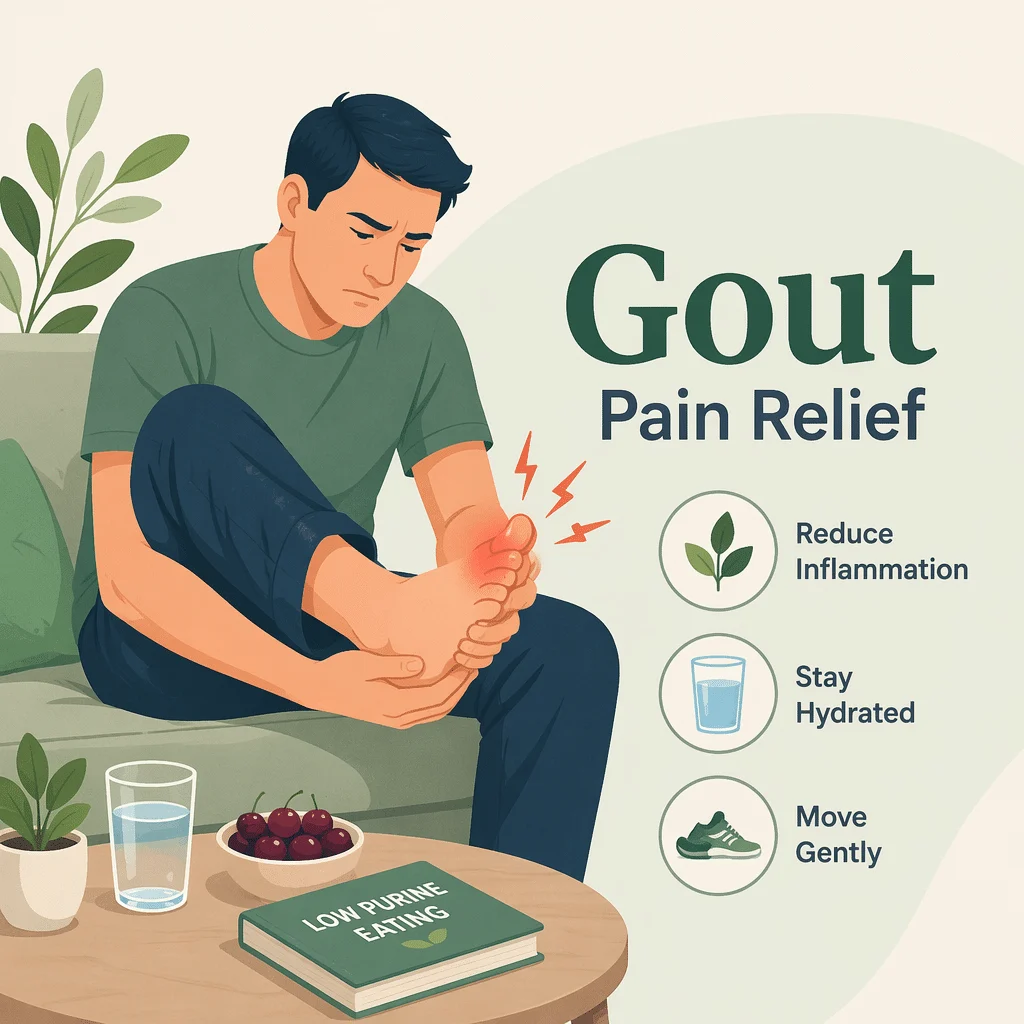
Ameliorarea durerii din gută este ceea ce aproape toată lumea caută la trei dimineața, când o articulație a devenit atât de sensibilă încât greutatea cearșafului este de nesuportat. Această durere este reală și merită un răspuns pe măsură. Dar este doar jumătate din răspuns: puseu în față trebuie calmat, iar cauza care l-a declanșat trebuie tratată. Sunt două lucruri diferite.
În acest articol vei afla ce este de fapt un puseu de gută, ce măsuri fără medicamente poți începe imediat, cum aleg medicii între cele trei grupe de antiinflamatoare, de ce un rezultat normal al acidului uric nu exclude guta și de ce scăderea uratului la o valoare-țintă este ceea ce oprește cu adevărat revenirea puseelor.
Înainte de orice altceva, citește caseta de urgență de mai jos. O articulație fierbinte și umflată însoțită de febră sau de o stare generală alterată necesită evaluare în aceeași zi, deoarece o infecție articulară poate arăta exact ca guta.
Ce este un puseu de gută și de ce doare atât de mult
Guta este cauzată de cristalele de urat monosodic. Când uratul din sânge rămâne ridicat suficient de mult timp, uratul iese din soluție și formează cristale microscopice în formă de ac în articulații și în jurul lor, unde pot sta liniștite ani de zile. Un puseu apare atunci când sistemul imunitar reacționează brusc la acestea, rapid și disproporționat față de dimensiunea articulației.
Locul clasic este articulația de la baza degetului mare de la picior, prima articulație metatarsofalangiană. Guta la acest nivel are un nume propriu: podagră. Dar puseele pot afecta și mijlocul piciorului, glezna, genunchiul, încheietura mâinii și degetele, iar un prim atac în afara degetului mare este adesea nerecunoscut ca gută.
Evoluția în timp este caracteristică. Majoritatea puseelor încep noaptea, se intensifică rapid și ating apogeul în aproximativ douăsprezece până la douăzeci și patru de ore. Articulația devine extrem de sensibilă, nu doar dureroasă: oamenii descriu că nu pot suporta atingerea unui șoset sau a lenjeriei de pat pe piele.
Lăsat de la sine, un puseu se ameliorează de obicei în una până la două săptămâni. Aceasta creează o capcană: dispariția durerii nu înseamnă că și cristalele au dispărut. Ele sunt în continuare acolo, la fel și cauza care le-a produs.
Artrita septică: mimicul pe care nu îl poți ignora
O infecție articulară, artrita septică, produce o articulație fierbinte, roșie, umflată și extrem de dureroasă. La fel și guta, iar diferența nu se poate face doar prin inspecție vizuală. Markerii inflamatori precum proteina C reactivătău, viteza de sedimentare a hematiilor (VSH) și numărul de globule albe din hemoleucogramă completă cresc în ambele cazuri, deci nici ele nu tranșează diagnosticul.
Diferența contează enorm. Artrita septică netratată poate distruge o articulație în câteva zile și poate fi fatală. Se diagnostichează prin extragerea lichidului din articulație și cultivarea lui, iar acest lucru trebuie să se întâmple rapid.
Mergi de urgență la evaluare în aceeași zi dacă ai:
- O articulație fierbinte, umflată și foarte dureroasă însoțită de febră, frisoane, transpirații sau stare generală alterată.
- Roșeață care se extinde de la articulație spre pielea din jur.
- Un prim atac de acest fel, o proteză articulară sau un sistem imunitar slăbit.
- Durere în piept, dificultăți de respirație, bătăi neregulate ale inimii sau slăbiciune pe o parte a corpului în timp ce iei un medicament de reducere a uratului.
- Erupție cutanată, afte bucale sau febră în primele săptămâni după începerea allopurinolului. Aceasta poate fi o reacție de hipersensibilitate rară, dar gravă: oprește medicamentul și solicită îngrijire de urgență.
O infecție articulară nu poate fi diferențiată de un puseu de gută după aspect. Dacă există vreo îndoială, aceasta trebuie exclusă mai întâi.
Cum treci peste un puseu
Ce poți face singur în siguranță
Niciunul dintre acestea nu va pune capăt singur unui puseu, dar toate sunt sigure și toate ajută.
- Odihnește articulația, evită să calci pe ea și ține membrul ridicat.
- Aplică ceva rece, învelit într-o cârpă, nu direct pe piele, pentru perioade scurte.
- Ferește articulația de lenjeria de pat. O pernă de fiecare parte sau o cutie care să țină plapuma ridicată face noaptea suportabilă.
- Poartă încălțămintea cea mai largă pe care o ai sau mergi desculț și continuă să bei lichide, dacă nu ți s-a spus altfel.
Contactează medicul tău devreme, fără să aștepți să vezi dacă trece de la sine. Tratamentul funcționează mai bine dacă este început mai repede, iar un apel timpuriu clarifică și problema infecției.
Medicamentele pe care le poate folosi un medic
Trei grupe de medicamente antiinflamatoare sunt utilizate pentru puseele de gută: antiinflamatoarele nesteroidiene, colchicina și corticosteroizii administrați oral, prin injecție intramusculară sau direct în articulația afectată. O recenzie din 2025 privind tratamentul gutei acute, semnată de Abhishek și Cipolletta în Medicină clinică (DOI) notează că au o eficacitate în general similară, diferind în principal prin efectele secundare. Ceea ce diferă este cine le poate lua în siguranță.
De aceea, alegerea aparține unui medic prescriptor, nu unui raft de farmacie. Antiinflamatoarele nesteroidiene sunt cel mai clar exemplu: sunt periculoase sau complet contraindicate în boala cronică de rinichi, care este frecventă în gută, în insuficiența cardiacă, la persoanele care iau anticoagulante și la cele cu antecedente de ulcer gastric sau sângerări. A le recomanda generic cuiva cu gută nu este sigur. Dacă ți s-a spus vreodată că analizele de sânge pentru rinichi au fost anormale, acest lucru ți se aplică și ție.
Corticosteroizii cresc glicemia, ceea ce contează dacă ai diabet. Colchicina trebuie ajustată sau evitată în caz de afectare renală sau hepatică și în combinație cu mai multe medicamente comune. Alegerea corectă și doza potrivită depind de funcția renală, istoricul cardiac, istoricul gastric și lista completă de medicamente. Aceasta este o discuție cu medicul, nu o ghicire.
Colchicina merită o avertizare separată
Colchicina este eficientă, dar este și unul dintre medicamentele mai periculoase în utilizarea obișnuită în ambulatoriu. Diferența dintre o doză terapeutică și una toxică este mică, supradozajul este frecvent fatal și nu există antidot. De asemenea, interacționează serios cu mai multe medicamente prescrise frecvent, inclusiv antibioticul claritromicină, anumite statine și ciclosporină, toate putând crește nivelul colchicinei în organism.
Regulile sunt simple și nu există excepții. Ia colchicina exact așa cum ți-a fost prescrisă. Nu lua doze suplimentare pentru că durerea nu a trecut încă, nu suplimenta doza, nu folosi un blister rămas de la un episod anterior fără să întrebi medicul și nu lua medicamente prescrise altcuiva.
De ce un rezultat normal al acidului uric nu exclude guta
Nivelul de urat scade adesea în timpul unui episod acut. O probă de sânge recoltată în momentul în care articulația este la cel mai rău poate reveni în intervalul normal la cineva care are cu adevărat gută. Oamenilor li se spune, pe baza acelui singur rezultat, că nu pot avea gută, și trec ani fără tratamentul care ar fi putut opri boala.
Eroarea inversă este la fel de frecventă: mulți oameni au un nivel ridicat de urat și nu dezvoltă niciodată gută. Cifra este o piesă din tabloul de ansamblu, nu verdictul final. Testul definitiv constă în identificarea cristalelor de urat în lichidul extras din articulație și examinat la microscopul cu lumină polarizată. Acolo unde acest lucru nu este posibil, ecografia și CT cu energie duală sunt din ce în ce mai utilizate, deoarece ambele evidențiază direct depozitele de urat.
O măsurare a uratului rămâne valoroasă, dar rolul său este diferit: este cel mai informativă odată ce puseul s-a calmat și ulterior pentru a verifica dacă tratamentul funcționează. Ghidul nostru despre test de acid uric din sânge explică ce măsoară și cum se interpretează.
Ce funcționează cu adevărat: scăderea uratului până la o valoare-țintă
Iată partea încurajatoare și cel mai important pasaj de pe această pagină. Guta este una dintre puținele forme de artrită care poate fi adusă la un punct de oprire complet. Cristalele nu sunt permanente: scade uratul din sânge sub nivelul la care uratul rămâne dizolvat, menține-l acolo suficient de mult timp și depozitele se dizolvă treptat. Institutul Național American pentru Artrită și Boli Musculo-Scheletice și ale Pielii descrie guta ca una dintre cele mai controlabile forme de artrită și notează că mulți oameni pot deveni liberi de gută.
Asta face terapia de scădere a uratului. Alopurinolul și febuxostatul reduc cantitatea de urat produsă de organism; alți agenți ajută rinichii să elimine mai mult. Aceasta nu este ameliorarea durerii: înlătură cauza.
Majoritatea persoanelor cu gută sunt subtratate: primesc ceva pentru episodul acut și nimic pentru cauză, sunt pornite pe o doză mică care nu este niciodată crescută sau renunță la tratament. Două capcane explică majoritatea abandonurilor. Prima este că începerea unui medicament de scădere a uratului poate provoca el însuși episoade în primele luni, pe măsură ce vechile depozite de cristale se deplasează. Acest lucru este de așteptat și de aceea un antiinflamator preventiv este de obicei co-prescris pentru o perioadă la început. Nu înseamnă că medicamentul nu funcționează și nu este un motiv pentru a-l abandona.
Al doilea este oprirea tratamentului de reducere a uratului în timpul unui puseu. Nu face asta. Oprirea provoacă o revenire a uratului și tinde să prelungească episodul, iar începerea sau oprirea acestor medicamente în mijlocul unui puseu este o decizie pentru medic, nu pentru pacientul de la ora 3 dimineața. Administrația pentru Alimente și Medicamente din SUA (FDA) subliniază același lucru în comunicarea sa de siguranță privind febuxostatul: nu opri tratamentul fără să vorbești cu medicul tău, deoarece acest lucru poate agrava guta.
Tratamentul cu țintă precisă înseamnă în practică un obiectiv al uratului stabilit împreună cu medicul tău, analize de sânge repetate și ajustarea dozei până la atingerea obiectivului, menținând-o apoi ani de zile, cu funcția renală monitorizate în paralel. Dacă ești pe aceeași doză de ani de zile și tot ai pusee, nivelul probabil nu a fost niciodată verificat față de o țintă.
| Situația ta | Ce înseamnă de obicei | Ce să faci |
|---|---|---|
| Prima apariție a unei articulații fierbinți și dureroase | Ar putea fi gută, dar ar putea fi la fel de bine o infecție, un alt tip de cristal sau o leziune. Nimic nu a fost confirmat încă | Evaluare medicală în aceeași zi. Un prim episod trebuie diagnosticat, nu tratat de unul singur |
| Gută cunoscută, articulație familiară, puseu tipic, fără febră | Cel mai probabil un puseu de gută care urmează tiparul său obișnuit | Contactează medicul tău prompt și urmează planul de tratament al puseului pe care l-ați stabilit împreună. Odihnește-te, ridică articulația, răcește-o și ferește-o de lenjerie |
| Articulație fierbinte și umflată cu febră, frisoane sau stare generală alterată | Nu poate fi diferențiată de gută după aspect. O infecție articulară trebuie exclusă | Evaluare de urgență în aceeași zi. Nu aștepta să vezi dacă trece peste noapte |
| O criză apărută la scurt timp după începerea tratamentului cu alopurinol sau febuxostat | Un efect așteptat la începutul tratamentului, pe măsură ce nivelul de urat scade și cristalele vechi se mobilizează. Nu înseamnă că medicamentul nu funcționează | Continuă să iei medicamentul de reducere a uratului și spune-i medicului tău. Nu îl opri niciodată pe cont propriu |
| Crize care continuă să apară după luni sau ani de tratament | Uratul probabil nu a atins ținta sau doza nu a fost niciodată crescută pentru a o atinge | Cere un test al nivelului de urat și o țintă terapeutică scrisă. Tratamentul insuficient este explicația obișnuită, nu ghinionul |
| Erupție cutanată, ulcere bucale sau febră în primele săptămâni de allopurinol | Posibilă reacție de hipersensibilitate. Rară, dar potențial gravă | Oprește medicamentul și solicită îngrijire medicală urgentă în aceeași zi |
Alimentația, genetica și stigmatul asociat gutei
Guta a fost numită boala oamenilor bogați timp de trei sute de ani. Această etichetă este inexactă, nedreaptă și îi împiedică pe oameni să ceară ajutor.
Guta are o componentă genetică importantă. Cea mai mare parte a nivelului tău de urat este determinată de eficiența cu care rinichii și intestinul tău procesează uratul — iar aceasta se moștenește. Cele mai puternice semnale genetice identificate în studiile populaționale mari se află în genele care codifică transportorii de urat, proteinele care decid cât urat reții în organism. Două persoane pot mânca identic, iar doar una va dezvolta gută.
Alimentația contează, dar modest, și mult mai puțin decât tratamentul de scădere a uratului. Dovezile susțin reducerea consumului de bere și băuturi spirtoase, a băuturilor îndulcite cu zahăr și a siropului de porumb bogat în fructoză, precum și a alimentelor cu conținut foarte ridicat de purine, cum ar fi organele și unele fructe de mare. Mai mulți „vinovați" clasici au fost reabilitați: legumele bogate în purine nu reprezintă problema care se credea cândva, iar lactatele cu conținut scăzut de grăsimi par chiar ușor protectoare.
Și ceea ce de obicei nu se spune: dieta singură rareori ține sub control guta deja instalată. Dacă ai renunțat deja la bere și la băuturile carbogazoase îndulcite și tot mai ai crize, nu este un eșec al voinței tale și nu este vina ta. Acesta este momentul în care este necesar tratamentul de scădere a uratului.
Guta apare adesea împreună cu hipertensiunea arterială, rezistența la insulină și dislipidemia, așa că merită să le ai glicemia și trigliceridele verificate și pe acestea.
Suc de cireșe, oțet de mere și semințe de țelină: ce arată dovezile
Cireșele acre au cele mai solide dovezi dintre cele trei, ceea ce nu înseamnă prea mult. Câteva studii mici și date observaționale sugerează mai puține pusee la persoanele care consumă cireșe, dar studiile sunt mici, de scurtă durată și concepute inconsecvent, iar nicio recomandare medicală majoră nu indică cireșele ca tratament. Este un aliment rezonabil, nu un substitut pentru tratament.
Oțetul de mere nu are dovezi credibile în favoarea sa pentru gută, iar băuturile acide consumate regulat erodează smalțul dentar și irită stomacul — o combinație nefericită cu medicamentele antiinflamatoare. Extractul de semințe de țelină nu are practic nicio dovadă din studii clinice fiabile la oameni în gută, iar vitamina C, deși scade ușor uratul în populația generală, nu a produs reduceri semnificative la persoanele care au deja gută. Suplimentele nu sunt standardizate și unele pot interacționa cu medicamentele prescrise, așa că spune-i medicului tău tot ce iei.
Ce face guta netratată pe termen lung
Puseele repetate nu sunt cel mai rău lucru. De-a lungul anilor, depozitele netratate se transformă în tofi: noduli duri, cretacei sub piele, în jurul articulațiilor, degetelor, coatelor și urechilor. Încep fără durere și ajung să deterioreze oasele și țesuturile moi, deformând articulațiile definitiv.
Acid uric calculilor renali se formează mai ușor și atunci când urina rămâne persistent acidă, de aceea pH-ul urinei este uneori măsurat la persoanele care fac pietre în mod repetat.
Guta apare adesea împreună cu boala cronică de rinichi, hipertensiunea arterială și bolile cardiovasculare. Asocierea nu înseamnă cauzalitate, iar o mare parte din suprapunere reflectă factori de risc comuni, dar este un motiv bun să tratezi guta ca pe un semnal al întregului organism și să urmărești markeri precum Colesterol LDL și markeri renali în urină.
Cele mai recente progrese științifice în tratamentul gutei
Cercetările din ultimii trei ani au mutat accentul de la gestionarea puseelor spre reducerea uratului și menținerea lui la un nivel scăzut. Cinci publicații recente, extrase din PubMed, arată unde se află domeniul în prezent.
Atingerea țintei de urat este asociată cu rezultate cardiace mai bune
Ce s-a descoperit: într-o cohortă foarte mare de pacienți din medicina primară care au început recent un tratament de scădere a uratului, cei care au atins ținta de urat în primul an au avut mai puține evenimente cardiovasculare majore pe parcursul a cinci ani și mai puține pusee decât cei care nu au atins-o. Cipolletta și colegii, JAMA Internal Medicine, 2026 (DOI).
Ce înseamnă asta pentru tine: ținta nu este un obiectiv de laborator abstract. Întreabă care este a ta și dacă ai atins-o.
Uratul normal în timpul unui puseu nu exclude guta
Ce s-a descoperit: o analiză a ceea ce autorii numesc gută cu acid uric seric normal a confirmat că uratul poate fi în intervalul normal în timpul unui puseu, că diagnosticul bazat pe acel singur rezultat nu este fiabil și că investigații imagistice precum ecografia sau CT cu sursă dublă sunt necesare pentru a detecta depozitele de cristale. Yang și colegii, Frontiers in Endocrinology, 2026 (DOI).
Ce înseamnă asta pentru tine: dacă ți s-a spus că nu poți avea gută deoarece acidul tău uric era normal în timpul unui atac, acel raționament nu este corect.
Genetica gutei se află în transportorii de urat
Ce s-a descoperit: o sinteză a cercetărilor genetice, epigenomice și transcriptomice a raportat că cele mai puternice semnale genetice pentru uratul seric sunt localizate în principal în genele care codifică transportorii de urat din rinichi și intestin, cu semnale suplimentare în căile care reglează inflamația. Leask și colegii, Nature Reviews Rheumatology, 2024 (DOI).
Ce înseamnă asta pentru tine: nivelul tău de urat este determinat în mare parte de mecanisme moștenite. Guta nu este un verdict asupra caracterului tău.
Crizele timpurii fac parte din începerea tratamentului, nu sunt un semn că medicamentul este greșit
Ce s-a descoperit: o analiză post-hoc a unui studiu randomizat multicentric a comparat riscul de pusee în timp ce alopurinolul și febuxostatul erau inițiate și titrate conform strategiei treat-to-target cu profilaxie antiinflamatoare. Riscul de pusee în acea fază a fost similar pentru ambele. Barry și colegii, Arthritis & Rheumatology, 2024 (DOI).
Ce înseamnă asta pentru tine: puseele din primele luni de tratament de scădere a uratului sunt o caracteristică a procesului, nu o dovadă că medicamentul tău este greșit.
Subtratamentul, nu eșecul tratamentului, este problema obișnuită
Ce s-a descoperit: o analiză a terapiei actuale pentru gută a raportat că doar o minoritate până la aproximativ jumătate dintre pacienți primesc tratament definitiv, iar mai puțin de jumătate rămân aderenți. Autorii recomandă strategia treat-to-target cu câteva luni de profilaxie a puseelor la început și trec în revistă agenții mai noi aflați în curs de dezvoltare. McCarty, Gaffo și Diaz-Torne, Therapeutic Advances in Musculoskeletal Disease, 2025 (DOI).
Ce înseamnă asta pentru tine: dacă guta ta nu este controlată, cel mai probabil motiv este că tratamentul nu a fost niciodată dus până la țintă sau a fost oprit.
Întrebări frecvente
Cum pot opri rapid durerea din gută?
Sincer: mai repede decât dacă nu faci nimic, dar nu instantaneu, și nimeni nu ar trebui să-ți promită altceva. Cea mai rapidă cale sigură este să contactezi un medic în aceeași zi, deoarece tratamentul crizei funcționează mai bine cu cât este început mai devreme și pentru că trebuie exclusă o eventuală infecție. Până atunci, odihnește și ridică articulația afectată, aplică ceva rece învelit într-o cârpă, ferește-o de lenjerie și încălțăminte și continuă să bei lichide, dacă nu ți s-a spus să le limitezi. Nu te apuca să cauți medicamente prin casă. Antiinflamatoarele sunt nesigure pentru o mare parte dintre persoanele cu gută, iar automedicația este sursa principală de complicații.
Ar trebui să opresc alopurinolul în timpul unui puseu?
Nu. Oprirea tratamentului de reducere a uratului în mijlocul unui puseu înrăutățește lucrurile, nu le îmbunătățește. Uratul revine brusc, cristalele continuă să se deplaseze, iar puseul tinde să dureze mai mult. Dacă urmezi deja tratament cu alopurinol sau febuxostat, continuă să îl iei și spune-i medicului tău că ai un puseu. Începerea sau oprirea terapiei de reducere a uratului în timpul unui puseu este o decizie care îi aparține medicului care ți-a prescris tratamentul. Singura excepție este apariția unei erupții cutanate, a febrei sau a ulcerațiilor bucale în primele săptămâni de tratament cu alopurinol, situație care necesită consultarea urgentă a unui medic în aceeași zi.
Este guta vina mea?
Nu. Guta este în mare măsură ereditară. Principalul factor care determină nivelul de urat din sângele tău este modul în care rinichii și intestinul tău procesează uratul, iar acest lucru este înscris în genele tale, nu în jurnalul tău alimentar. Dieta are un efect real, dar modest, mult mai mic decât medicamentele de reducere a uratului. Mulți oameni care mănâncă sănătos fac totuși gută, iar mulți oameni care mănâncă prost nu o fac niciodată. Imaginea veche de secole a gutei ca boală autoprovocată prin exces este greșită și a făcut un rău real, făcând oamenii să se rușineze de o afecțiune care poate fi tratată.
Cât durează de obicei o criză de gută?
Majoritatea puseelor se agravează în prima zi, ating un platou, apoi se ameliorează în aproximativ una până la două săptămâni fără tratament. Un tratament adecvat început devreme scurtează în general considerabil această perioadă. Ceea ce nu îți spune evoluția în timp este nimic despre boala de fond. Dispariția durerii înseamnă pur și simplu că reacția imunitară s-a epuizat; depozitele de cristale care au declanșat-o sunt încă în articulație, așteptând. Puseele care apar mai des, durează mai mult sau implică mai multe articulații în timp indică de obicei că nivelul de urat nu a fost niciodată redus până la țintă.
Pot folosi medicamentele rămase de la ultima criză?
Nu, și acest lucru contează mai mult în cazul gutei decât în cazul majorității afecțiunilor. Cutiile rămase sunt adesea incomplete, expirate sau prescrise când funcția rinichilor tăi, afecțiunea cardiacă sau alte medicamente pe care le luai erau diferite față de astăzi. Colchicina în special are o marjă îngustă între o doză benefică și una toxică, iar luarea unei doze suplimentare sau repetarea unui tratament vechi fără sfat medical poate fi fatală. Nu lua niciodată nici medicamentele pentru gută ale unui prieten sau ale unei rude, oricât de asemănătoare ar părea simptomele lor. Întreabă întotdeauna medicul sau farmacistul tău, de fiecare dată.
Pot consuma alcool dacă am gută?
Nu este totul sau nimic. Berea și băuturile spirtoase au cea mai clară legătură cu crizele, berea în special, parțial din cauza conținutului de purine și parțial prin efectul alcoolului asupra eliminării uratului. Vinul pare mai puțin asociat, deși consumul mare din orice este dăunător. Consumul excesiv de alcool dintr-o dată este un declanșator clasic al crizelor. Reducerea consumului ajută cu adevărat, dar nu va ține sub control guta instalată de unul singur și nu ar trebui să ți se ofere ca alternativă la tratamentul de scădere a uratului.
Glosar de termeni cheie
| Termen | Definiție |
|---|---|
| Uratul (acidul uric) | Un produs de degradare normal, format când organismul descompune purinele. Este transportat prin sânge și eliminat în mare parte de rinichi. |
| Cristale de urat monosodic | Cristale în formă de ac care se formează atunci când uratul iese din soluție și se depun în și în jurul articulațiilor. Acestea sunt cele la care reacționează sistemul imunitar în timpul unui puseu. |
| Puseu | Un episod brusc de inflamație articulară intensă, declanșat de cristalele de urat, care apare de obicei noaptea și atinge intensitatea maximă în decurs de o zi. |
| Podagra | Guta care afectează articulația de la baza degetului mare de la picior, prima articulație metatarsofalangiană. Localizarea clasică și cea mai frecventă. |
| Tofus (plural: tofi) | O umflătură fermă formată din acumularea de cristale de urat sub piele, întâlnită în guta netratată de lungă durată. Poate deteriora oasele și articulațiile. |
| Hiperuricemie | Un nivel de urat în sânge peste valorile normale. Frecvent, și prin el însuși nu este același lucru cu a avea gută. |
| Terapia de reducere a uratului | Medicație pe termen lung, cum ar fi alopurinolul sau febuxostatul, care reduce cantitatea de urat din sânge, astfel încât cristalele existente se dizolvă. |
| Treat-to-target | O strategie prin care doza de tratament de scădere a uratului este crescută și monitorizată până când se atinge și se menține un nivel convenit al uratului. |
| Puncția articulară | Extragerea lichidului dintr-o articulație cu un ac, pentru a fi examinat la microscop în căutarea cristalelor și cultivat pentru depistarea infecțiilor. Este testul definitiv. |
| Artrită septică | Infecție în interiorul unei articulații. Seamănă cu guta, necesită tratament de urgență și poate distruge articulația în câteva zile. |
Surse
- National Institute of Arthritis and Musculoskeletal and Skin Diseases (NIAMS). Gout. niams.nih.gov
- Centers for Disease Control and Prevention (CDC). Gout. cdc.gov
- MedlinePlus, US National Library of Medicine. Gout. medlineplus.gov
- US Food and Drug Administration. FDA adds Boxed Warning for increased risk of death with gout medicine Uloric (febuxostat), 2019. fda.gov
- Cipolletta E, Zverkova Sandstrom T, Rozza D, et al. Treat-to-Target Urate-Lowering Treatment and Cardiovascular Outcomes in Patients With Gout. JAMA Intern Med. 2026;186(3):332-342. https://doi.org/10.1001/jamainternmed.2025.7453
- Yang XH, Zhan XL, Xuan QX, Jin HM, Ye ZB. Normal serum uric acid gout: a neglected and challenging condition. Front Endocrinol (Lausanne). 2026;17:1873856. https://doi.org/10.3389/fendo.2026.1873856
- Leask MP, Crisan TO, Ji A, Matsuo H, Kottgen A, Merriman TR. The pathogenesis of gout: molecular insights from genetic, epigenomic and transcriptomic studies. Nat Rev Rheumatol. 2024;20(8):510-523. https://doi.org/10.1038/s41584-024-01137-1
- Barry A, Helget LN, Androsenko M, et al. Comparison of Gout Flares With the Initiation of Treat-to-Target Allopurinol and Febuxostat: A Post-Hoc Analysis of a Randomized Multicenter Trial. Arthritis Rheumatol. 2024;76(10):1552-1559. https://doi.org/10.1002/art.42927
- McCarty KL, Gaffo AL, Diaz-Torne C. Gout therapy updated. Ther Adv Musculoskelet Dis. 2025;17:1759720X251384584. https://doi.org/10.1177/1759720X251384584
- Abhishek A, Cipolletta E. Gout on the acute medical take. Clin Med (Lond). 2025;25(4):100331. https://doi.org/10.1016/j.clinme.2025.100331
Lectură suplimentară
- Analiză de sânge acid uric: interpretarea rezultatelor
- Calculii renali: cauze, simptome și tratamente
- Niveluri crescute de uree și creatinină explicate
- Valori crescute ale CRP: cauze, simptome, tratamente
- Valorile normale ale pH-ului urinar: cauze și semnificație
Dacă ai gută, vei ajunge să urmărești o mulțime de valori: acid uric, funcția renală, markeri inflamatori precum CRP și rezultatele metabolice care apar adesea alături. AI DiagMe transformă aceste rapoarte în limbaj simplu, ca să poți vedea ce s-a schimbat și ce întrebări să pui medicului. Un lucru important de precizat: o valoare izolată a acidului uric nu poate nici confirma, nici exclude guta, iar niciun instrument nu poate pune acest diagnostic în locul tău. AI DiagMe te ajută să înțelegi rezultatele; nu diagnostichează, nu înlocuiește medicul tău și nu este destinat situațiilor de urgență.
Înțelege-ți rezultatele analizelor cu AI DiagMe
Obține interpretarea rezultatelor în câteva minute