






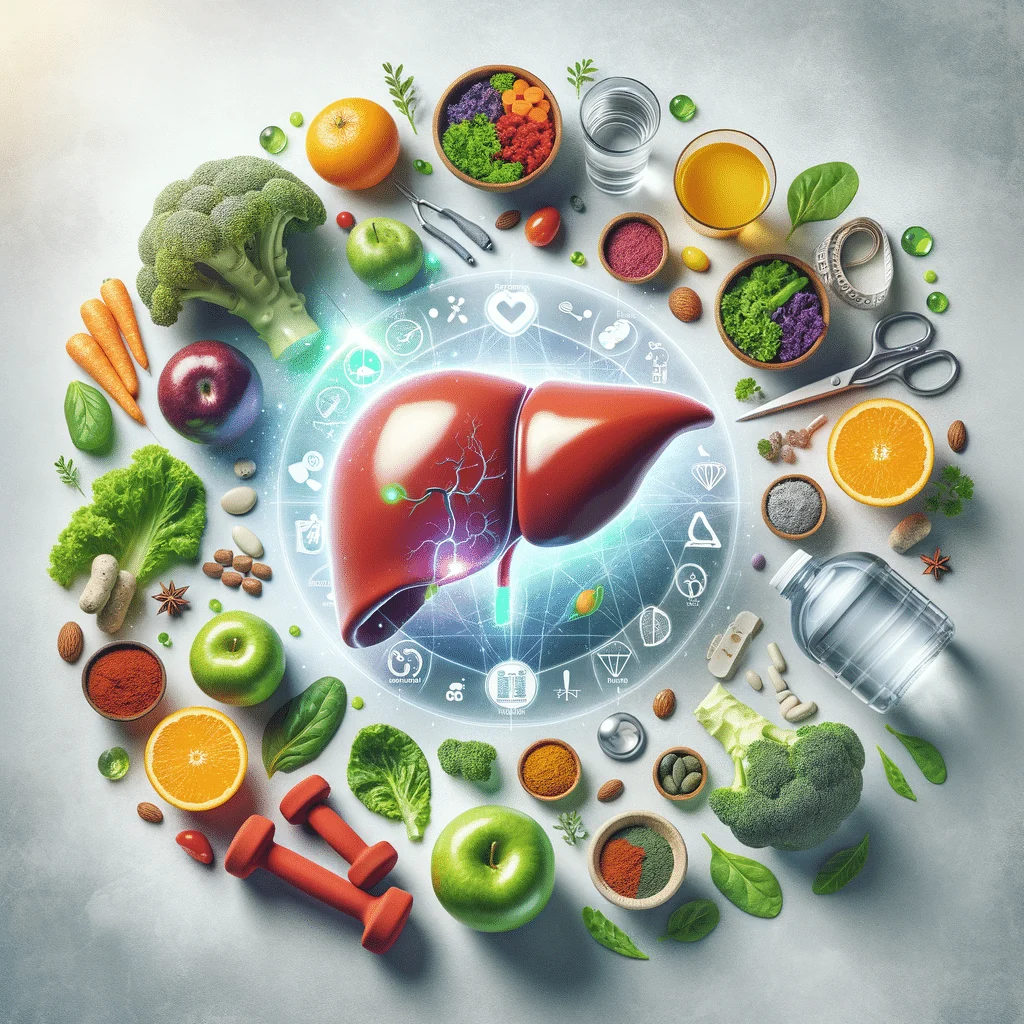
Als uw bloedonderzoek een verhoogd leverenzym heeft aangetoond, is leren hoe u uw ALT-waarden kunt verlagen een van de nuttigste dingen die u voor uw gezondheid kunt doen. ALT (alanineaminotransferase) is een enzym dat in uw bloed terechtkomt wanneer levercellen onder stress staan of beschadigd zijn, dus een hoog resultaat is een signaal, geen diagnose. Het geruststellende is dat de oorzaak bij de meeste mensen iets is wat u zelf kunt beïnvloeden, meestal vetophoping in de lever die samenhangt met de stofwisseling. Dit artikel leidt u door praktische, op bewijs gebaseerde stappen om ALT te verlagen: zoek de oorzaak, val een beetje af, pas uw eet- en beweeggewoonten aan, heroverweeg alcohol en bepaalde medicijnen, en laat uw waarden op het juiste moment opnieuw controleren. Werk gedurende het hele proces samen met uw arts, en voor achtergrondinformatie over wat de test meet, verwijzen we u naar een uitgebreide uitleg.
Begin met uitzoeken waarom uw ALT hoog is
Je kunt verhoogde ALT-waarden niet betrouwbaar verlagen totdat je weet waarom ze verhoogd zijn, dus de eerste stap is het achterhalen van de oorzaak samen met je arts. ALT bevindt zich in levercellen; wanneer die cellen ontstoken of beschadigd zijn, lekt het enzym in de bloedbaan. Een enkele licht verhoogde waarde is gebruikelijk en vaak onschuldig, maar een aanhoudende verhoging verdient een duidelijke verklaring. Ongeveer één op de zeven volwassenen heeft op enig moment licht verhoogde leverenzymen, en de meest voorkomende oorzaken zijn veruit leververvetting en alcohol. Voor een begrijpelijke uitleg over de test zelf, lees onze volledige toelichting over ALT-waarden en de normale referentiewaarden.
De meest voorkomende oorzaak: leververvetting (MASLD)
De belangrijkste reden voor een hoge ALT-waarde tegenwoordig is MASLD, wat staat voor metabolic dysfunction-associated steatotic liver disease — de huidige naam voor leververvetting die samenhangt met de metabole gezondheid (vroeger bekend als NAFLD). Extra vet dat in levercellen wordt opgeslagen, veroorzaakt een lichte ontsteking die de ALT-waarde omhoogdrijft. MASLD gaat vaak gepaard met overgewicht rond de buik, insulineresistentie, diabetes type 2 en hoge triglyceriden. Het goede nieuws is dat leververvetting vaak verbetert met dezelfde dagelijkse aanpassingen die hieronder worden beschreven, en dat de ALT-waarde doorgaans daalt naarmate het levervet afneemt.
Alcohol, medicijnen en andere oorzaken
Alcohol is een directe belasting voor de lever en een veelvoorkomende oorzaak van verhoogde enzymwaarden. Ook sommige voorgeschreven en vrij verkrijgbare medicijnen kunnen de ALT verhogen, waaronder bepaalde statines, sommige antibiotica en, in hoge doses, paracetamol (acetaminophen). Virale hepatitis B of C, schildklierproblemen, coeliakie en zelfs een zware training de dag voor uw test kunnen de waarde eveneens verhogen. Omdat de juiste aanpak volledig afhangt van de oorzaak, is deze diagnostische stap belangrijker dan welke voedingsaanpassing dan ook. Eén regel geldt altijd: stop nooit op eigen initiatief met een voorgeschreven medicijn, maar vraag uw voorschrijver om dit samen te beoordelen.
Val geleidelijk af als je overgewicht hebt
Wanneer leververvetting de oorzaak is, is geleidelijk afvallen de meest effectieve manier om de ALT-waarden te verlagen. Al een gewichtsverlies van ongeveer 3% tot 5% van je lichaamsgewicht vermindert het levervet, en een verlies van ongeveer 7% tot 10% kan de ontsteking en vroege littekenvorming die de ALT verhogen, verminderen. De Amerikaanse National Institute of Diabetes and Digestive and Kidney Diseases beschrijft gewichtsverlies als de hoeksteen van de behandeling van een vette lever, bereikt door betere voedingskeuzes, kleinere porties en regelmatige lichaamsbeweging. Grote medische overzichtsstudies zijn het erover eens dat deze gedragsmatige aanpak — en niet een pil — voor de meeste mensen de eerstelijnsbehandeling is.
Waarom rustig en gestaag de beste aanpak is
Streef naar een geleidelijk tempo van ongeveer 0,5 tot 1 kilogram per week in plaats van een crashdieet. Zeer snel gewichtsverlies en extreem vasten kunnen de leverontsteking paradoxaal genoeg tijdelijk verergeren. Denk in maanden, niet in dagen: een realistisch doel is een vermindering van 5% tot 10% over drie tot zes maanden, volgehouden met gewoonten die je ook echt kunt bijhouden. Voor de meeste mensen bewegen het getal op de weegschaal en de ALT in het bloedonderzoek na verloop van tijd in dezelfde richting.
Eet mediterraan en beperk toegevoegde suikers
Wat je eet heeft een directe invloed op levervet, en een mediterraan voedingspatroon is het eetpatroon waarvoor de meeste wetenschappelijke onderbouwing bestaat als het gaat om het verlagen van ALT-waarden. Het is gebaseerd op groenten, fruit, volkoren granen, peulvruchten, vis, noten en olijfolie, met minder rood en bewerkt vlees. Gecombineerde klinische onderzoeken laten zien dat deze manier van eten de ALT bescheiden kan verlagen en tegelijkertijd het gewicht en het cholesterol verbetert. Je hebt geen strikt maaltijdplan nodig om er baat bij te hebben; je hebt een vaste koers nodig die je de meeste dagen aanhoudt.
Beperk toegevoegde suikers en geraffineerde koolhydraten
Suikerhoudende dranken, vruchtensap, snoep, witbrood en andere geraffineerde koolhydraten worden bijzonder efficiënt omgezet in levervet, dus ze verminderen is een van de meest effectieve veranderingen die je kunt maken. Ruil frisdrank in voor water of ongezoete dranken, kies volkoren granen in plaats van witte bloem, en beschouw desserts als iets voor af en toe in plaats van dagelijks. Verzadigde vetten en transvetten vervangen door olijfolie en andere gezonde vetten ondersteunt hetzelfde doel: een rustiger, minder vette lever die minder ALT in je bloed lekt.
Wat is het effect van koffie?
Koffie is een echte lichtpunt in het onderzoek. Advies van De Mayo Clinic over leververvetting merkt op dat sommige studies regelmatig koffiedrinken koppelen aan een lager risico op leverziekte en littekenvorming, al is dat op zichzelf geen goede reden om koffie te gaan drinken puur ter bescherming van je lever. Als je er al van geniet, is ongezoete zwarte koffie een redelijke gewoonte; sla de siropen en suiker over, want die werken juist tegen je. Om te zien hoe voeding en vetten in het grotere geheel passen, lees dan onze uitleg over het lipidenpanel en cholesterol.
Beweeg de meeste dagen: aerobe en krachttraining
Lichaamsbeweging helpt ALT-waarden te verlagen, zelfs als de weegschaal nauwelijks beweegt, omdat sporten levervet verbrandt en de insulineresistentie verbetert die ten grondslag ligt aan MASLD. Een praktisch doel is minimaal 150 minuten per week matige aerobe activiteit, zoals stevig wandelen, fietsen of zwemmen, verspreid over de meeste dagen. Het toevoegen van twee of drie sessies krachttraining, zoals oefeningen met eigen lichaamsgewicht of gewichten, geeft een extra voordeel voor levervet en bloedsuiker. De combinatie werkt doorgaans beter dan elk type beweging afzonderlijk.
Begin waar je nu staat
Als je momenteel weinig beweegt, begin dan met korte wandelingen en bouw dit geleidelijk op, want regelmaat is veel belangrijker dan intensiteit. Zelfs bewegen zonder veel gewichtsverlies helpt de lever al, dus je hoeft niet te wachten tot je je fit genoeg voelt. Beweging combineren met de bovenstaande voedingsveranderingen verlaagt ALT doorgaans sneller dan elk van beide aanpakken afzonderlijk. Als je hartproblemen of andere aandoeningen hebt, vraag dan aan je arts welke activiteiten veilig voor je zijn voordat je het tempo opvoert.
Heroverweeg alcohol, medicijnen en supplementen
Beperk alcoholgebruik
Alcohol verminderen, of het een tijdje volledig pauzeren, neemt een directe bron van leverstress weg en verlaagt ALT vaak al binnen enkele weken. Als alcohol de belangrijkste oorzaak is, kan je arts onthouding aanbevelen. Als leververvetting de oorzaak is, helpt het beperken van alcohol toch, omdat de twee problemen elkaar versterken en samen de ALT verhogen.
Bespreek je medicijnen met een professional
Sommige medicijnen en kruidenproducten kunnen het ALT verhogen, maar stop nooit op eigen initiatief met een voorgeschreven medicijn — dat kan veel gevaarlijker zijn dan een licht verhoogd enzym. Breng in plaats daarvan een volledige lijst van uw voorgeschreven medicijnen, vrij verkrijgbare middelen en supplementen mee naar uw arts of apotheker en vraag of een van deze betrokken kan zijn. Zij kunnen de dosering aanpassen of uw enzymen veilig in de gaten houden terwijl u de andere veranderingen uit deze gids doorvoert.
Sla leverdetoxproducten over
Dit is het duidelijkste wat je niet moet doen: er bestaat geen supplement dat de lever veilig 'doorspoelt' of ontgift, en verschillende producten die worden aangeprezen voor levergezondheidheid hebben zelfs leverschade veroorzaakt. Gooi je geld er niet aan en vermijd crashkuren, detoxtheeën en kruidenmengsels met megadoses. Populaire middelen zoals mariadistel hebben op zijn best zwak bewijs. De stappen die de ALT-waarden echt verlagen zijn allesbehalve glamoureus: voeding, beweging, gewicht, alcohol en de behandeling van de onderliggende aandoening.
Houd diabetes, cholesterol en triglyceriden onder controle
Omdat een hoge ALT zo vaak deel uitmaakt van een breder metabool beeld, helpt het beheersen van de bijbehorende aandoeningen je lever te herstellen. Het normaliseren van de bloedsuiker verlicht de vet-en-ontstekingscyclus in de lever, dus als je diabetes hebt, ondersteunt een stabielere instelling doorgaans een lagere ALT. Lees ons overzicht van diabetes type 2 en de behandeling ervan, en volg je bloedsuiker op lange termijn met onze HbA1c-naar-gemiddelde-glucosetabel.
Hoge triglyceriden en een ongezond cholesterol gaan vaak samen met leververvetting, en dezelfde stappen op het gebied van voeding en beweging verbeteren alle drie tegelijk. Als je lipidenwaarden verhoogd zijn, lees dan meer in onze gids over hoge triglyceridenwaarden, en bevestig het volledige metabole beeld met onze gids voor het uitgebreide metabole panel. Het behandelen van deze gerelateerde waarden is onderdeel van de behandeling van je ALT, niet een apart project om uit te stellen.
Uw stap-voor-stapplan en een realistisch tijdschema
Het verlagen van het ALT is een proces dat weken tot maanden duurt, geen uren. Enzymen beginnen vaak al na één tot drie maanden van consequente aanpassingen te verbeteren, en veel mensen zien een duidelijke daling rond de zes maanden, zeker naarmate het gewicht afneemt. Vraag uw arts wanneer u opnieuw moet laten testen — doorgaans na ongeveer drie maanden — zodat u kunt beoordelen of uw aanpak werkt en deze zo nodig kunt bijstellen. De tabel hieronder zet het bovenstaande advies om in een overzichtelijk actieplan dat u deze week al kunt starten.
| Stap | Waarom het helpt | Praktische tip |
|---|---|---|
| Zoek de oorzaak | De ALT daalt pas als de werkelijke oorzaak wordt behandeld | Vraag naar leververvetting, hepatitis en een medicatiebeoordeling |
| Verlies 7% tot 10% van uw lichaamsgewicht | Vermindert levervet en ontsteking | Streef naar 0,5 tot 1 kilogram per week, geen crashdieet |
| Eet mediterraan | Verlaagt het ALT matig en verbetert de bloedvetten | Vul de helft van je bord met groenten en gebruik olijfolie |
| Beperk toegevoegde suikers en geraffineerde koolhydraten | Er wordt minder suiker omgezet in levervet | Vervang frisdrank en sap door water |
| Beweeg 150 minuten per week en doe ook aan krachttraining | Verbrandt levervet en vermindert insulineresistentie | Stevig wandelen plus twee korte krachttrainingen |
| Beperk alcohol | Neemt een directe belasting voor de lever weg | Plan alcoholvrije dagen in of stop een tijdje volledig |
| Beheer diabetes en bloedvetten | Kalmeert de onderliggende metabole cyclus | Houd bloedsuiker en triglyceriden binnen de normale waarden |
| Controleer uw ALT opnieuw | Bevestigt of het plan werkt | Laat na ongeveer drie maanden opnieuw testen en stel het plan bij samen met uw arts |
Consistentie is hier belangrijker dan perfectie. Je hoeft niet alle acht stappen tegelijk te zetten; één gewoonte tegelijk opbouwen en vasthouden is wat de waarde echt doet dalen. Vergelijk je enzymen over meerdere tests in plaats van je te fixeren op één uitslag, en onthoud dat een ALT die weer normaal is, doorgaans wijst op een rustiger en gezonder lever van binnenuit.
Wanneer moet je een arts raadplegen?
De meeste verhoogde ALT-waarden zijn geen noodgevallen, maar in sommige situaties is het verstandig snel medische hulp te zoeken. Neem snel contact op met een arts als een hoog ALT gepaard gaat met een van de volgende waarschuwingssignalen:
- Geelverkleuring van de huid of het wit van de ogen (geelzucht)
- Ernstige of aanhoudende pijn in het rechterbovengedeelte van de buik
- Donkere urine of bleke, kleiachtige ontlasting
- Ongewone blauwe plekken of bloedingen
- Aanhoudende misselijkheid en braken, of bloed braken
- Opgezette buik of benen, of plotselinge verwardheid en slaperigheid
Maak ook een afspraak als uw ALT bij herhaalde tests verhoogd blijft, sterk stijgt of veel hoger is dan de normale waarde — dat kan wijzen op een oorzaak die specifieke behandeling vereist. Bekijk onze gids over het volledige leverfunctiepanel en onze uitleg over AST en de normaalwaarden.
Recente wetenschappelijke ontwikkelingen
Onderzoek van de afgelopen jaren wijst steeds weer op dezelfde alledaagse stappen, met nuttige nuances over hoeveel elk ervan werkelijk bijdraagt. Dit is wat recente, hoogwaardige studies laten zien, vertaald naar begrijpelijke taal.
Voeding en beweging blijven de basis
Een review uit 2025 die 37 gerandomiseerde onderzoeken samenbundelde — studies waarbij mensen willekeurig worden ingedeeld in een groep met een verandering of een vergelijkingsgroep — stelde vast dat een mediterraan voedingspatroon en regelmatige beweging, zowel aerobe als krachttraining, de ALT bescheiden verlaagden en tegelijkertijd hielpen bij gewichtsverlies en het verminderen van levervet. Wat dit voor jou betekent: de alledaagse basisadviezen in deze gids zijn precies wat het sterkste bewijs ondersteunt, en voeding combineren met beweging werkt beter dan elk afzonderlijk.
Vitamine E kan helpen, maar het is geen doe-het-zelf-oplossing
Een Cochrane-review uit 2024, bekend om zijn zorgvuldige en onafhankelijke analyses, stelde vast dat vitamine E de ALT waarschijnlijk licht verlaagt bij mensen met een vette lever. Het voorbehoud is dat nog onduidelijk is of die kleine enzymverandering op de lange termijn leidt tot een betere levergezondheid. Wat dit voor jou betekent: vitamine E wordt soms voorgeschreven bij bevestigde leververvetting, maar de dosering en veiligheidsvragen moeten worden besproken met een arts — niet op eigen initiatief gestart vanuit het supplementenrek.
Ook het tijdstip waarop u eet kan een rol spelen
Een analyse uit 2023 van studies naar intermitterend vasten stelde vast dat eten binnen een beperkt tijdvenster mensen met een vette lever hielp afvallen en zowel ALT als AST verlaagde. Het voordeel kwam echter vooral doordat mensen over het geheel minder aten, niet door enige magie van het klokschema, en de onderzoeken waren kortlopend. Wat dit voor jou betekent: als een eenvoudig eetvenster je helpt minder calorieën te eten zonder je tekortgedaan te voelen, is het een zinvol hulpmiddel — maar beschouw het als een manier om minder te eten, niet als een omweg langs de basisadviezen.
Glossarium
| Termijn | Definitie |
|---|---|
| ALT (alanine aminotransferase) | Een leverenzym dat in het bloed stijgt wanneer levercellen onder stress staan of beschadigd zijn. |
| MASLD | Metabolic dysfunction-associated steatotic liver disease, de huidige naam voor leververvetting gekoppeld aan metabole gezondheid (voorheen NAFLD). |
| Vette lever | Een ophoping van vet in de levercellen die ontsteking kan veroorzaken en leverenzymen kan verhogen. |
| Insulineresistentie | Een toestand waarbij het lichaam slecht reageert op insuline, wat leidt tot een hogere bloedsuiker en meer levervet. |
| Triglyceriden | Een type vet dat in het bloed circuleert; hoge waarden gaan vaak gepaard met een vette lever. |
| Fibrose | Littekenvorming in de lever die kan ontstaan wanneer ontsteking langdurig aanhoudt. |
| Hepatotoxisch | Beschrijft een geneesmiddel, supplement of stof die schadelijk kan zijn voor de lever. |
| Aerobe beweging | Aanhoudende activiteit zoals stevig wandelen of fietsen waarbij je hartslag omhooggaat. |
Veelgestelde vragen
Hoe lang duurt het om de ALT-waarden te verlagen?
Het duurt doorgaans weken tot maanden, niet slechts een paar dagen. Als je de oorzaak consequent aanpakt, begint de ALT vaak binnen één tot drie maanden te verbeteren, en veel mensen zien een duidelijkere daling rond de zes maanden naarmate het gewicht en het levervet afnemen. De exacte tijdlijn hangt af van de oorzaak en hoe consequent je de veranderingen volhoudt, dus vraag je arts wanneer je een controle moet inplannen.
Kan ik mijn ALT-waarden in één dag of heel snel verlagen?
Nee, en je moet voorzichtig zijn met alles wat dat belooft. Er is geen veilige manier om de ALT in één dag omlaag te forceren, en crashdiëten of detoxproducten kunnen de lever juist irriteren. Omdat de ALT de toestand van je levercellen weerspiegelt, daalt hij pas als de onderliggende oorzaak is aangepakt — en dat kost tijd. Stabiele, duurzame gewoonten zijn wat de ALT-waarden blijvend verlaagt.
Wanneer moet ik me zorgen maken over een hoge ALT-waarde?
Een licht verhoogd ALT is veelvoorkomend en vaak niet urgent, maar u moet medische hulp zoeken als het bij herhaalde tests verhoogd blijft, sterk stijgt of vele malen boven het normale bereik uitkomt. Waarschuwingssignalen zoals geelzucht, hevige buikpijn, donkere urine of verwardheid vereisen onmiddellijke medische aandacht. Uw arts beoordeelt het ALT samen met andere uitslagen om te bepalen hoe ernstig de situatie is.
Welke voeding helpt de ALT het meest te verlagen?
Geen enkel voedingsmiddel is een wondermiddel, maar een algemeen mediterraan voedingspatroon heeft de beste wetenschappelijke onderbouwing: veel groenten, fruit, volkoren granen, peulvruchten, vis, noten en olijfolie. Minstens zo belangrijk is het beperken van voeding die levervet verhoogt, met name suikerhoudende dranken, vruchtensap, snoep en geraffineerde witte koolhydraten. Ongezoete koffie is een redelijke aanvulling als je die al drinkt.
Verlagen supplementen of lever-detoxproducten het ALT?
Voor de meeste mensen niet. Detoxtheeën en -kuren zijn niet bewezen effectief voor het verlagen van ALT en kunnen de lever soms zelfs schaden. Vitamine E kan het ALT bij bewezen leververvetting licht verlagen, maar mag alleen onder medisch toezicht worden gebruikt vanwege vragen over dosering en veiligheid. Een gezondere leefstijl is veel betrouwbaarder dan welk supplement dan ook.
Leidt afvallen altijd tot een lager ALT?
Als leververvetting de oorzaak is, is geleidelijk gewichtsverlies de meest effectieve stap, en zelfs een vermindering van 5% kan al helpen. Als de oorzaak iets anders is, zoals een medicijn, virale hepatitis of een schildklierprobleem, is gewichtsverlies alleen mogelijk niet voldoende — daarom is het identificeren van de oorzaak de eerste stap. Te snel afvallen kan ook averechts werken, dus streef naar een geleidelijk tempo.
Bronnen
- National Institute of Diabetes and Digestive and Kidney Diseases (NIDDK) — Treatment for NAFLD & NASH, 2021 — niddk.nih.gov
- Mayo Clinic — Nonalcoholic fatty liver disease (MASLD): Diagnosis and treatment, 2024 — mayoclinic.org
- American Liver Foundation — Nonalcoholic Fatty Liver Disease (NAFLD), 2024 — liverfoundation.org
- Tilg H, Petta S, Stefan N, Targher G — Metabolic Dysfunction-Associated Steatotic Liver Disease in Adults: A Review — JAMA, 2026 — doi.org/10.1001/jama.2025.19615
- Langan RC, Hines-Smith KA — Mildly Elevated Liver Transaminase Levels: Causes and Evaluation — American Family Physician, 2024 — pubmed.ncbi.nlm.nih.gov/39700361
- Arita VA, Castro Cabezas M, Beigrezaei S, et al. — Effects of Mediterranean diet, exercise, and their combination on body composition and liver outcomes in MASLD: a systematic review and meta-analysis of randomized controlled trials — BMC Medicine, 2025 — doi.org/10.1186/s12916-025-04320-7
- Wen H, Deng H, Yang L, et al. — Vitamine E voor mensen met niet-alcoholische leververvetting — Cochrane Database of Systematic Reviews, 2024 — doi.org/10.1002/14651858.CD015033.pub2
- Lange M, Nadkarni D, Martin L, et al. — Intermittent fasting improves hepatic end points in nonalcoholic fatty liver disease: A systematic review and meta-analysis — Hepatology Communications, 2023 — doi.org/10.1097/HC9.0000000000000212
Verder lezen
- ALT-waarden: betekenis, oorzaken en normaalwaarden
- Leverfunctietests en hoe je je leverpanel leest
- De AST/ALT-verhouding en wat die betekent
- Het uitgebreide metabole panel uitgelegd
- Glucosewaarden en bloedsuikerregulatie
Begrijp uw laboratoriumresultaten met AI DiagMe.
Je ALT verlagen is makkelijker als je het hele plaatje van je lever- en metabole gezondheid in de loop van de tijd kunt zien. AI DiagMe helpt je waarden zoals ALT, AST, GGT, triglyceriden en HbA1c in begrijpelijke taal te begrijpen, zodat je je voortgang tussen doktersbezoeken kunt bijhouden en betere vragen kunt voorbereiden. Het is bedoeld om je te helpen je uitslag te begrijpen, niet om een diagnose te stellen of je arts te vervangen, die de aangewezen persoon blijft voor alle behandelbeslissingen.
Ontvang binnen enkele minuten een interpretatie van uw resultaten.