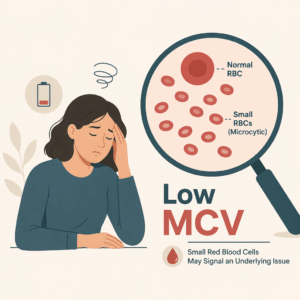
Lab test abbreviations are the short codes labs print in place of long test names, and learning them turns a confusing report into something you can actually follow. This guide explains what the most common abbreviations mean, groups them by the panel they belong to, and shows you how to read a result line from start to finish. You will learn what abnormal values often point to, which codes people search for most, how to spot a result your lab has flagged as urgent, and when to call your clinician. The aim is simple: fewer question marks when you open your results, and better questions when you talk to your doctor.
What lab test abbreviations are, and why reports use them
A laboratory shortens test names to save space, speed up reporting, and keep results consistent across systems. CBC, for example, stands for complete blood count, and BMP stands for basic metabolic panel. A single report can list dozens of measurements, so codes keep the page readable for the lab and the clinician.
The trade-off is that those same codes can leave patients guessing. A line that reads “ALT 58 H” carries a lot of meaning once you know that ALT is a liver enzyme and that “H” simply means the value sits above the reference range. Until then, it looks like a riddle.
There is also reassuring news in how these codes work. An abbreviation tells you what was measured, not how worried you should be. Many results land slightly outside the range for ordinary reasons such as hydration, recent exercise, or the time of day, and a single flagged value is rarely the whole story.
How to read a line on your lab report
Every result line follows the same pattern, whether it comes from a hospital or a walk-in lab. Once you can break a line into its parts, the abbreviations stop being intimidating.
A typical line has five pieces, in this order:
- The test name or abbreviation, such as Hgb or creatinine.
- Your result, the actual number measured in your sample.
- The units, for example g/dL or mmol/L, which set the scale for the number.
- The reference range, the interval considered typical for a healthy population.
- A flag, often “H” for high, “L” for low, or an asterisk that points to a comment.
Read the number against the range beside it, then check the units, because the same value can be normal in one unit and abnormal in another. If a result falls outside the range, think about everyday factors before assuming the worst, since hydration and a recent meal can both shift values. For a deeper walkthrough, our guide on how to read your blood test results covers each step, and the normal blood test ranges reference chart shows typical intervals by panel.
Lab test abbreviations by panel: a quick reference
The table below is a fast lookup for the codes you are most likely to see. It lists the abbreviation, what it stands for, and what the test measures in plain terms. Use it to decode a single line at a glance, then read the panel notes underneath for context.
| Abbreviation | Stands for | What it measures |
|---|---|---|
| CBC | Complete blood count | Counts of red cells, white cells, and platelets |
| WBC | White blood cell count | Cells that fight infection and inflammation |
| RBC | Red blood cell count | Number of oxygen-carrying red cells |
| Hgb (Hb) | Hemoglobin | Oxygen-carrying protein inside red cells |
| Hct | Hematocrit | Share of blood made up of red cells |
| MCV / MCH / MCHC | Red cell indices | Size and hemoglobin content of red cells |
| RDW | Red cell distribution width | Variation in red-cell size |
| PLT | Platelet count | Cells that help blood clot |
| BMP | Basic metabolic panel | Group of eight chemistry tests |
| CMP | Comprehensive metabolic panel | BMP plus liver and protein tests |
| Na | Sodium | Main electrolyte controlling body fluid |
| K | Potassium | Electrolyte vital to heart and muscle |
| Cl | Chloride | Electrolyte that helps balance fluids |
| CO2 (HCO3) | Carbon dioxide / bicarbonate | Acid-base balance |
| BUN | Blood urea nitrogen | Waste product filtered by the kidneys |
| Cr (creat) | Creatinine | Waste product used to gauge kidney function |
| eGFR | Estimated glomerular filtration rate | Calculated kidney filtering speed |
| Glu | Glucose | Blood sugar |
| HbA1c (A1c) | Hemoglobin A1c | Average blood sugar over about three months |
| Ca | Calcium | Mineral for nerves, muscles, and bone |
| Mg | Magnesium | Mineral for muscle, nerve, and heart function |
| AST | Aspartate aminotransferase | Enzyme from liver and muscle |
| ALT | Alanine aminotransferase | Liver enzyme that rises with liver-cell injury |
| ALP | Alkaline phosphatase | Enzyme tied to bile ducts and bone |
| GGT | Gamma-glutamyl transferase | Liver and bile-duct enzyme |
| ALB | Albumin | Main protein made by the liver |
| TP | Total protein | Albumin plus globulins |
| TC (chol) | Total cholesterol | All cholesterol in the blood |
| LDL | Low-density lipoprotein | The “bad” cholesterol |
| HDL | High-density lipoprotein | The “good” cholesterol |
| TG | Triglycerides | A blood fat tied to metabolic health |
| BNP / NT-proBNP | Natriuretic peptide | Marker of heart strain |
| PT | Prothrombin time | One blood-clotting pathway |
| INR | International normalized ratio | Standardized clotting time for blood thinners |
| aPTT (PTT) | Activated partial thromboplastin time | Another clotting pathway |
| CRP | C-reactive protein | Marker of inflammation |
| ESR | Erythrocyte sedimentation rate | Another inflammation marker |
| TSH | Thyroid-stimulating hormone | Pituitary signal that screens thyroid function |
| Free T4 / Free T3 | Free thyroxine / triiodothyronine | Active thyroid hormones |
| Fe | Iron (serum iron) | Iron circulating in the blood |
| Hcy | Homocysteine | Amino acid linked to heart and vessel health |
| Vit D (25-OH) | 25-hydroxyvitamin D | Vitamin D status |
| PSA | Prostate-specific antigen | Prostate screening marker |
| UA | Urinalysis | Screen of urine for cells, protein, sugar, infection |
Blood count abbreviations
The complete blood count is the most common panel and the densest cluster of codes. WBC tracks infection-fighting cells, RBC and Hgb relate to oxygen delivery, and PLT covers clotting cells. The indices MCV, MCH, and MCHC describe the size and content of red cells, which helps separate one type of anemia from another. If your report centers on these values, the dedicated complete blood count guide explains each line.
Metabolic and chemistry abbreviations
The basic and comprehensive metabolic panels check electrolytes, kidney markers, and blood sugar, and the comprehensive version adds liver and protein tests. Sodium, potassium, and chloride manage fluid and nerve signaling, while BUN and creatinine, together with eGFR, reflect kidney filtration. To see how the two panels differ, compare CBC vs CMP, or read the full comprehensive metabolic panel breakdown. Kidney-specific codes are covered in the kidney function panel guide.
Liver abbreviations
AST, ALT, ALP, and GGT are enzymes that rise when liver cells or bile ducts are stressed, while albumin and total protein reflect how well the liver builds proteins. Patterns matter more than any single enzyme: ALT and AST together suggest liver-cell injury, whereas ALP and GGT together point toward the bile ducts. The liver function tests guide explains how clinicians read these enzymes as a group.
Lipid and cardiac abbreviations
A lipid panel reports total cholesterol (TC), LDL, HDL, and triglycerides (TG) to estimate cardiovascular risk. LDL is the cholesterol that tends to build up in arteries, HDL is protective, and triglycerides reflect metabolic health. Our lipid panel guide explains what each number adds. Cardiac markers such as BNP or NT-proBNP rise when the heart is under strain and are read alongside symptoms.
Coagulation and inflammation abbreviations
PT, INR, and aPTT measure how your blood clots, and INR is the value used to monitor blood thinners such as warfarin. D-dimer rises when clots break down but needs clinical context to interpret. For these together, see the coagulation panel guide. On the inflammation side, CRP and ESR both rise with inflammation, though they respond on different timescales.
Endocrine, diabetes, and urine abbreviations
TSH screens thyroid function, with Free T4 and Free T3 refining the picture; the TSH guide explains why one value can prompt further testing. For blood sugar, HbA1c estimates your average over roughly three months, unlike a single fasting glucose. On the urine side, UA stands for urinalysis, and the urinalysis results guide decodes the dipstick markers such as protein, glucose, nitrite, and leukocyte esterase.
The specific abbreviations people search for most
A few codes generate far more questions than the rest, often because the “abbreviation” is not what people expect.
- Cortisol. There is usually no short code for cortisol; labs simply print “cortisol,” sometimes with a time stamp such as AM or PM because levels swing through the day. Timing is part of the result, which is why our cortisol blood test guide explains morning versus evening draws.
- Iron. On many reports iron appears as Fe or “serum iron,” which measures iron moving through the blood right now. That is different from ferritin, which reflects stored iron, and from total iron-binding capacity. The serum iron guide explains how the three fit together.
- Testosterone. There is no universal abbreviation; reports list “testosterone,” sometimes split into total and free, occasionally shortened to T or Free T. See the testosterone guide for what each form means.
- Cholesterol. You may see TC or “chol” for total cholesterol, then LDL and HDL for the two main carriers.
- Magnesium. Often written Mg, this mineral supports muscle, nerve, and heart function; the magnesium guide covers low and high readings.
- Homocysteine. Sometimes shortened to Hcy, it is an amino acid linked to heart and vessel health, explained in the homocysteine guide.
Decoding flags and symbols on your report
Beyond the test codes, labs use a small set of marks to draw attention to a value. “H” means the result is above the reference range and “L” means below it. An asterisk or a footnote letter usually points to a lab comment, such as a note about sample quality or a repeat test. Some reports add “A” for abnormal or a separate column for critical results.
A flag is a signal to look closer, not a diagnosis. A value can be flagged “H” and still be harmless for you, especially if it is only slightly outside the range and you have no symptoms. What matters is the size of the change, the trend over time, and your overall clinical picture.
Critical values: when a flagged result needs urgent attention
Laboratories set “critical” or “panic” thresholds far outside the normal range. When a result crosses one, the lab contacts the ordering clinician directly because the value may need rapid action. The table below shows the kinds of results commonly treated as critical. These are illustrative alert levels, not personal targets, and exact cutoffs vary by lab.
| Marker | Why it can be urgent |
|---|---|
| Potassium (K), very high or very low | Can disturb heart rhythm |
| Sodium (Na), severe shifts | Can affect the brain and nerves |
| Glucose, very low or very high | Risk of collapse or diabetic emergency |
| Hemoglobin (Hgb), very low | Severe anemia limiting oxygen delivery |
| Platelets (PLT), very low | Higher bleeding risk |
| Calcium (Ca), extreme values | Affects nerves, muscle, and heart |
| INR, very high | Increased bleeding risk on blood thinners |
If you can see results in a patient portal before your clinician calls, do not panic over a single flagged number. Contact your clinician promptly for markedly abnormal values, and seek urgent care if you also feel unwell, for example shortness of breath, chest pain, fainting, confusion, or unexpected bleeding. For mild or isolated abnormalities without symptoms, a routine follow-up is usually enough.
How to prepare so your results are accurate
Preparation shapes accuracy as much as the lab equipment does. Follow any fasting instructions, because food can move glucose and triglycerides in particular; our guide on fasting before a blood test explains how long to fast and whether water is allowed. List your medicines and supplements and tell the lab, since many can shift chemistry, clotting, and hormone results. Stay hydrated unless told otherwise, and ask whether timing matters, which it often does for cortisol and glucose.
Tips to avoid misreading abbreviations
A few habits make reports far easier to handle. Ask the lab or your portal for an expanded report that spells out full test names alongside the codes. Compare results from the same lab when you can, because methods and calibrations differ between labs and same-lab trends are the most reliable. Write down your questions before a visit, and for complex results, ask your clinician for a short written explanation you can keep.
Glossary of key terms
| Term | Meaning |
|---|---|
| Reference range | The interval of values typical for a healthy population, printed beside each result. |
| Units | The scale used to report a value, such as mg/dL or mmol/L; changing units changes interpretation. |
| Critical value | A result so far outside normal that the lab alerts the clinician right away. |
| Flag (H / L) | A mark showing a result is above (H) or below (L) the reference range. |
| Differential | The breakdown of white blood cells into their separate types within a CBC. |
| Electrolyte | A mineral such as sodium or potassium that carries an electrical charge and balances fluids. |
| Lipoprotein | A particle that carries cholesterol in the blood, reported as LDL or HDL. |
| Fasting | Going without food, and usually drinks other than water, for a set time before a test. |
| Serum | The clear fluid left after blood clots, used for many chemistry tests. |
Frequently asked questions
What is the abbreviation for cortisol on a blood test?
Cortisol usually has no abbreviation. Labs print the word “cortisol,” often with a time note such as AM or PM, because levels are highest in the morning and fall through the day. The timing is part of the result, so a value should be read against the range for that time of day. If your report lists a cortisol result, your clinician will weigh it alongside symptoms and the draw time rather than a single cutoff.
What does “Fe” mean on a lab report?
Fe is the chemical symbol for iron, so “Fe” or “serum iron” measures the iron circulating in your blood at that moment. It is not the same as ferritin, which reflects stored iron, or total iron-binding capacity, which measures the blood’s capacity to carry iron. Clinicians usually read these iron tests together, because one value alone can be misleading.
Is there an abbreviation for testosterone?
There is no single standard code. Reports typically print “testosterone,” sometimes divided into total testosterone and free testosterone, and occasionally shortened to T or Free T. The distinction matters, because total and free testosterone can tell different stories, and ranges differ by sex and age.
Why do reference ranges differ between labs?
Labs use different equipment, calibrations, and population samples, so the printed range can shift slightly from one lab to another. That is why a result is best read against the range on the same report, and why comparing values from the same lab over time is more reliable than mixing labs.
Can I interpret my lab abbreviations myself?
You can absolutely learn what the codes mean, and doing so makes your results far less intimidating. Interpretation is a further step, because a number only makes sense alongside your symptoms, history, and other tests. Use the codes to understand what was measured, then rely on your clinician for what it means for you.
Does a high or low flag always mean something is wrong?
No. Temporary factors such as dehydration, a recent meal, intense exercise, or a short illness can push a value outside the range without signaling disease. Clinicians look at how far the value is off, whether it is changing over time, and whether you have symptoms before drawing any conclusion.
Sources
- How to Understand Your Lab Results — MedlinePlus (NIH)
- Blood Tests: Types, Results & How They Work — Cleveland Clinic
- Complete Blood Count (CBC) — Mayo Clinic
Further reading
- How to read your blood test results
- Normal blood test ranges: a reference chart
- CBC vs CMP: understanding the tests
- Urinalysis results: interpretation guide
- Fasting before a blood test: rules and timing
Understand your lab results with AI DiagMe
Now that the codes on your report make sense, the next step is understanding what your numbers mean together. AI DiagMe reads your lab results, including panels such as the complete blood count (CBC), the comprehensive metabolic panel (CMP), liver tests, and thyroid markers (TSH), and turns them into clear, plain-language explanations. It is built to help you understand your results and prepare better questions, not to diagnose, and it never replaces your doctor.
➡️ Get your results interpreted in minutes