





















Understanding your blood analyses through quality publications
Welcome to our resource centre, your comprehensive portal for health information and medical analyses. Specifically, this section is designed to offer you easy access to reliable and educational publications. In turn, these resources will help you better understand your analysis results and deepen your medical knowledge.
Categories
Most popular

TORCH Test and Autism: What a Study of 3.7 Million Births Found
A TORCH test is a group of blood tests that looks for infections a pregnant…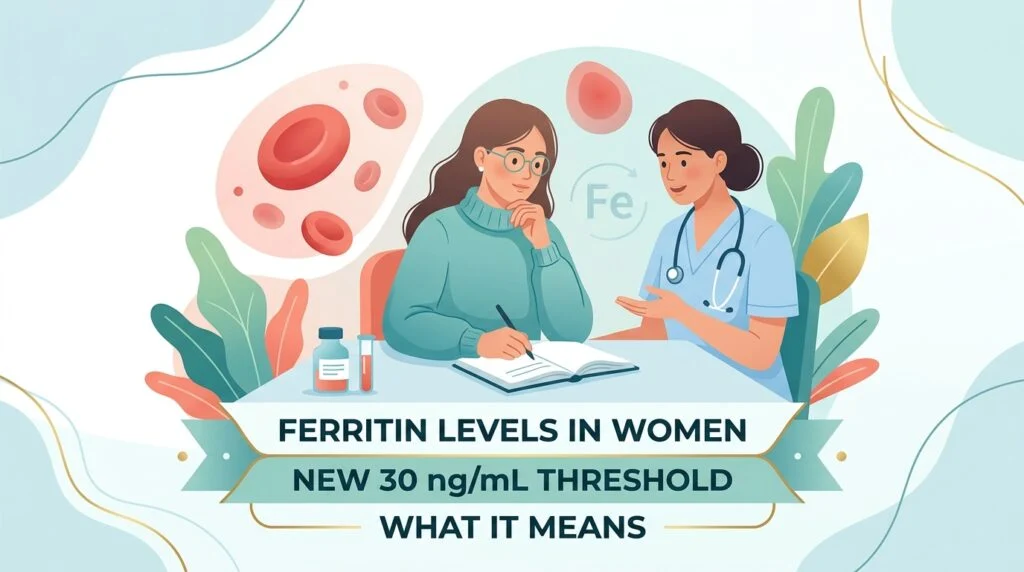
Ferritin Levels in Women: What the New 30 ng/mL Threshold Means
Ferritin levels in women have just been redefined. On September 16, 2026, the American Society…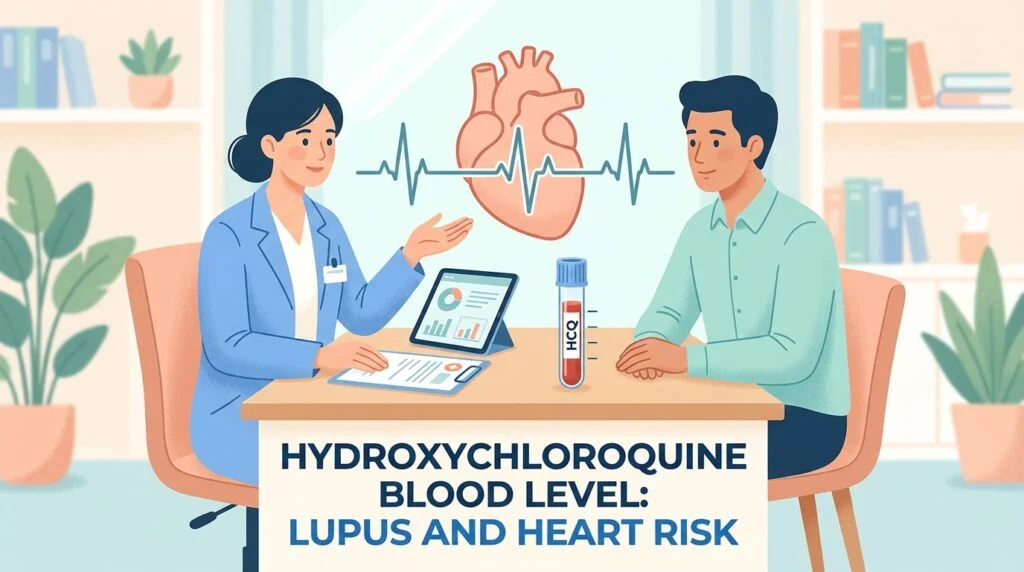
Hydroxychloroquine Blood Level: Lupus and Heart Risk
A Yale-led study covered on 21 September 2026 found that the amount of hydroxychloroquine actually…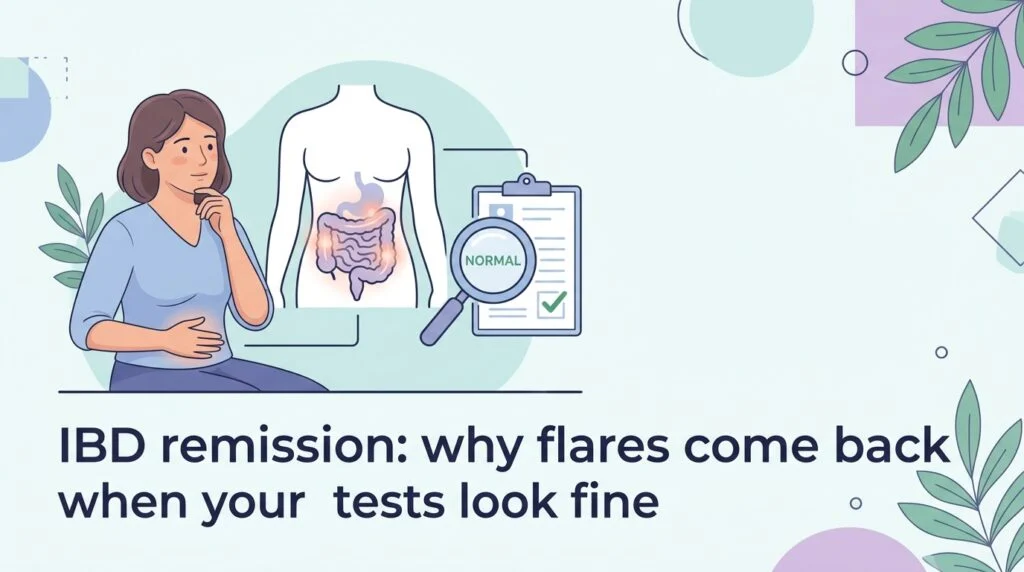
IBD remission: why flares come back when your tests look fine
Being in remission from inflammatory bowel disease usually means the symptoms have gone quiet and…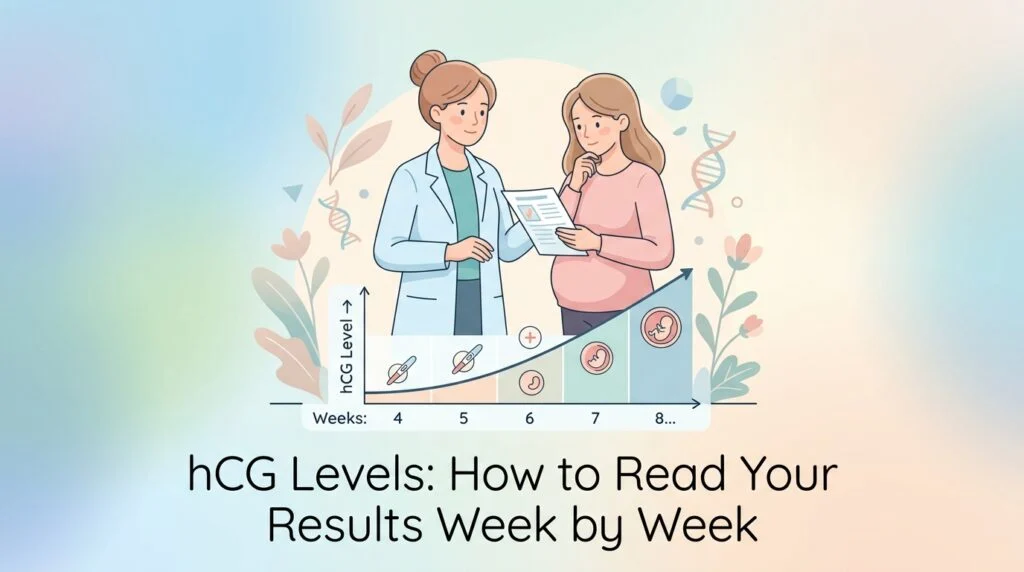
hCG Levels: How to Read Your Results Week by Week
hCG reference ranges by week are so wide that a single value rarely settles anything.…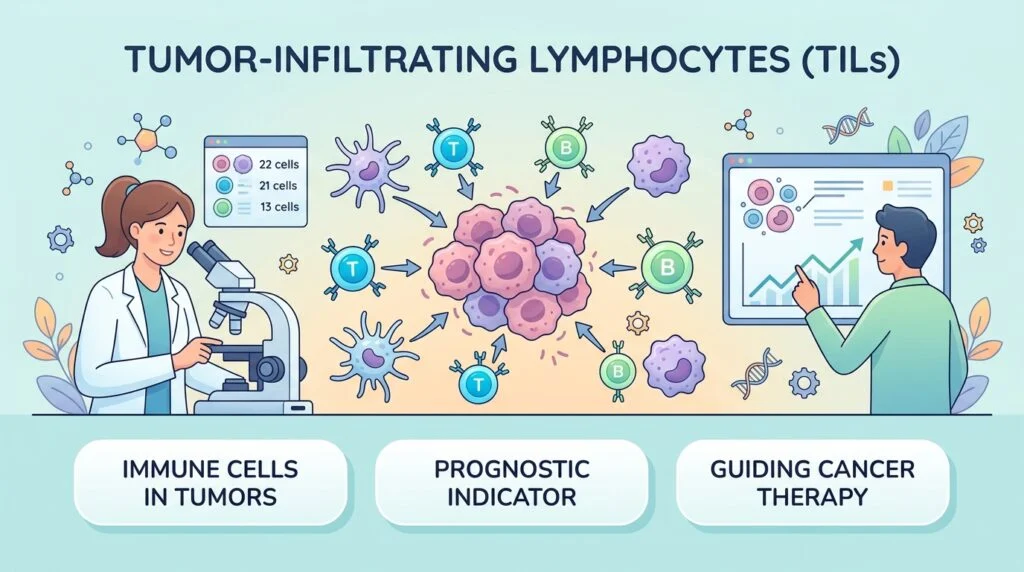
Tumour-Infiltrating Lymphocytes (TILs): What They Mean in Cancer
Tumour-infiltrating lymphocytes are immune cells found inside tumour tissue. This guide explains what brisk, non-brisk…
Galleri Test FDA Approval: What the September 23 Panel Will Decide
A US Food and Drug Administration advisory panel meets on 23 September 2026 to vote…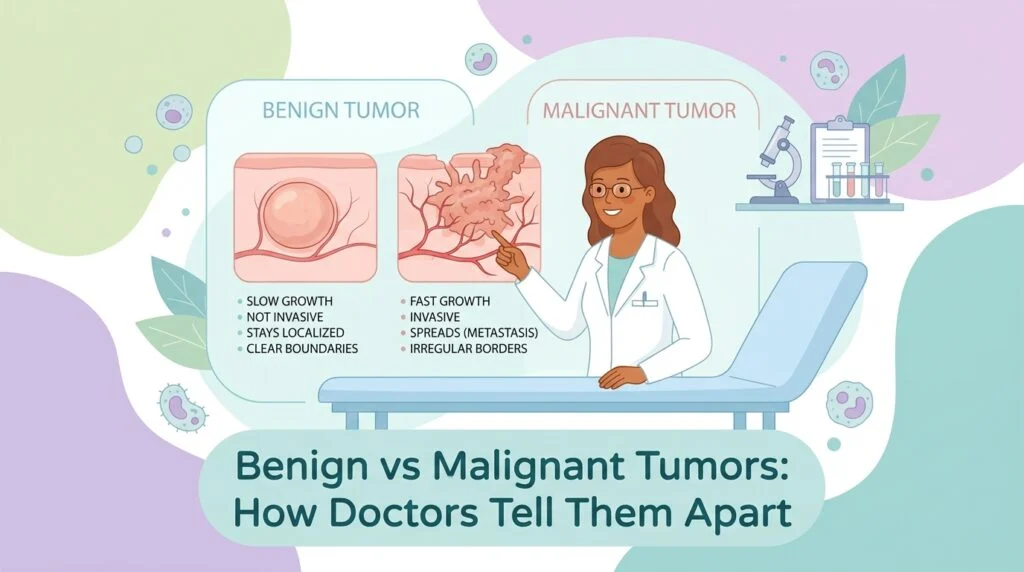
Benign vs Malignant Tumours: How Doctors Tell Them Apart
What really separates benign from malignant tumours, why imaging and blood markers cannot settle the…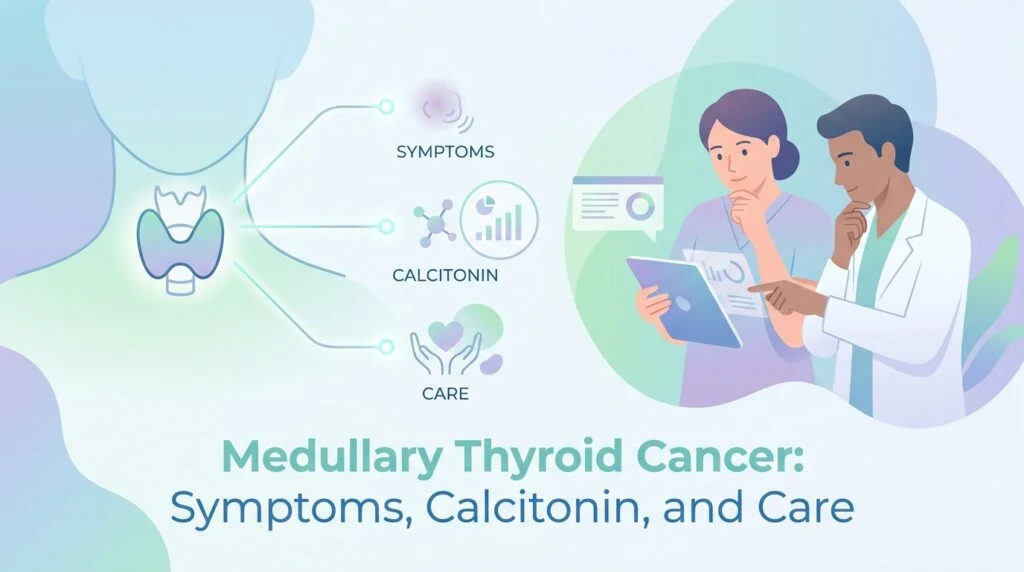
Medullary Thyroid Cancer: Symptoms, Calcitonin, and Care
A plain-language guide to medullary thyroid cancer: how it differs from papillary and follicular disease,…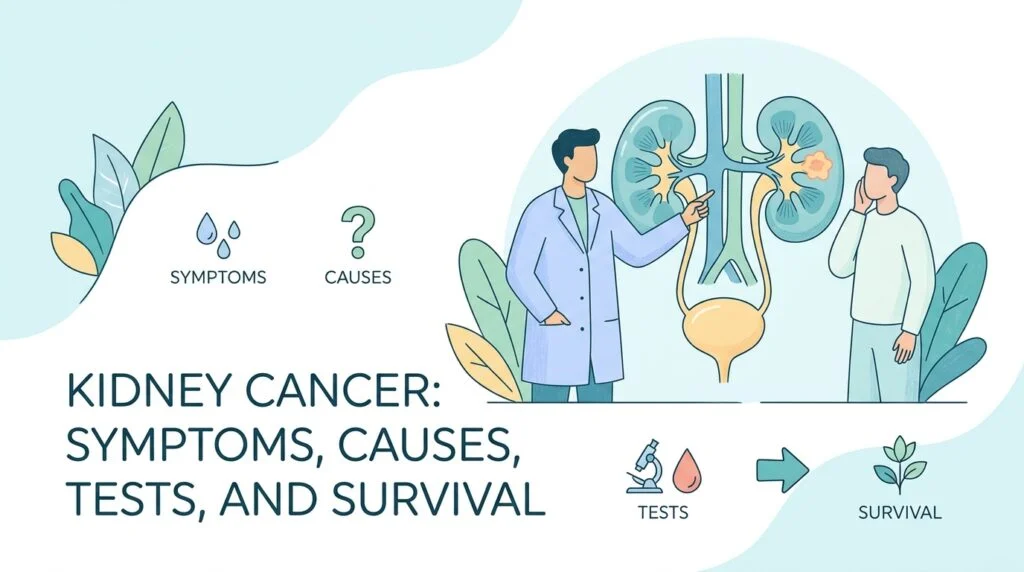
Kidney Cancer: Symptoms, Causes, Tests, and Survival
A plain-language guide to kidney cancer: the types, why two thirds of cases are now…
How Much Whole Grain Per Day? What 87 Trials Found
On 16 September 2026 the European Heart Journal published something dietary advice rarely offers: a…
Blood Test Results Over Time: Why the Trend Matters
On 17 September 2026, a research team at the University of Oxford published a study…
Epstein-Barr Virus and Multiple Sclerosis: What the New Relapse Study Changes
Almost every adult carries the Epstein-Barr virus, and almost nobody develops multiple sclerosis. That gap…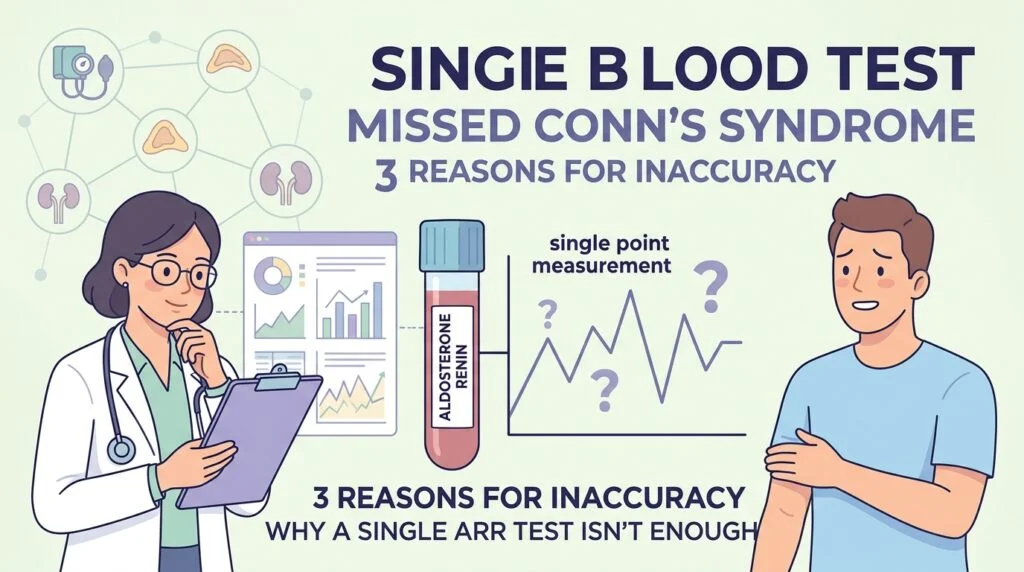
Aldosterone Renin Ratio: 3 Reasons a Single Blood Test Misses Conn's Syndrome
On 14 and 15 September 2026, research from the University of Bristol and the University…
Pharmacogenomic Testing: 6 Facts About Gene-Guided Prescribing
Two people can swallow the same pill, at the same dose, and end up in…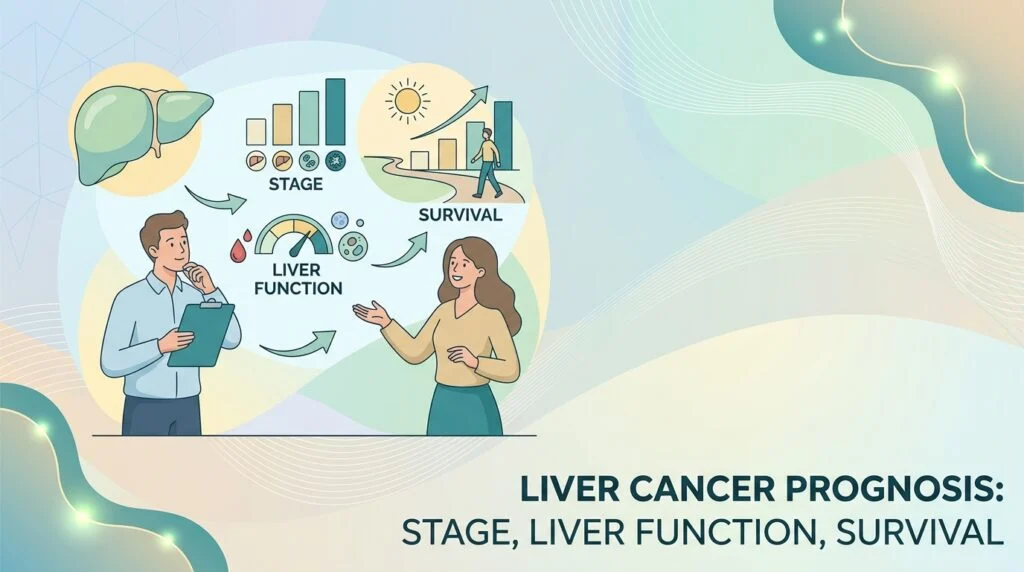
Liver Cancer Prognosis: Stage, Liver Function, Survival
How liver cancer prognosis is actually assessed: BCLC staging, Child-Pugh liver function, performance status, survival…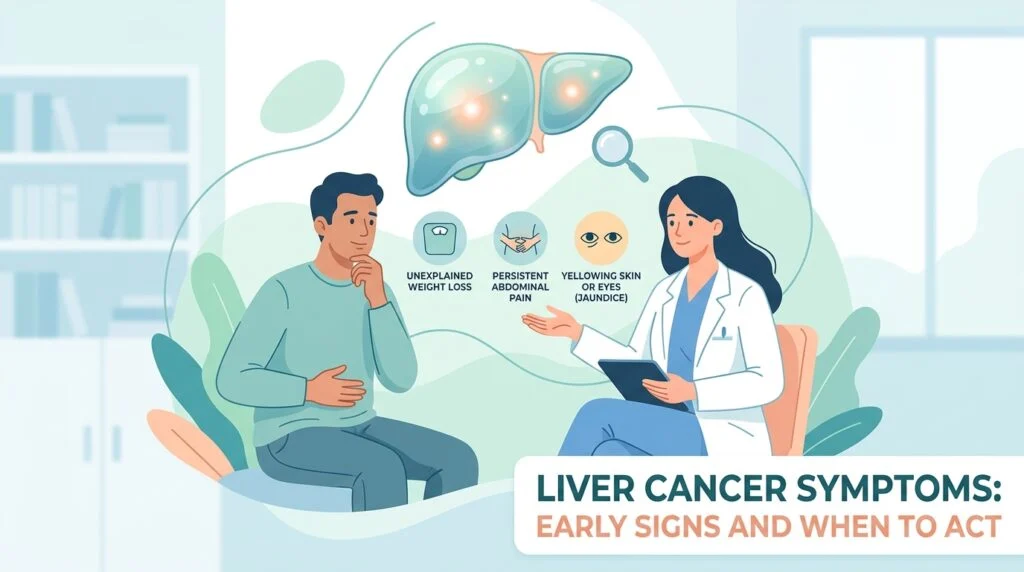
Liver Cancer Symptoms: Early Signs and When to Act
A plain-language guide to liver cancer symptoms: why they appear late, what early and advanced…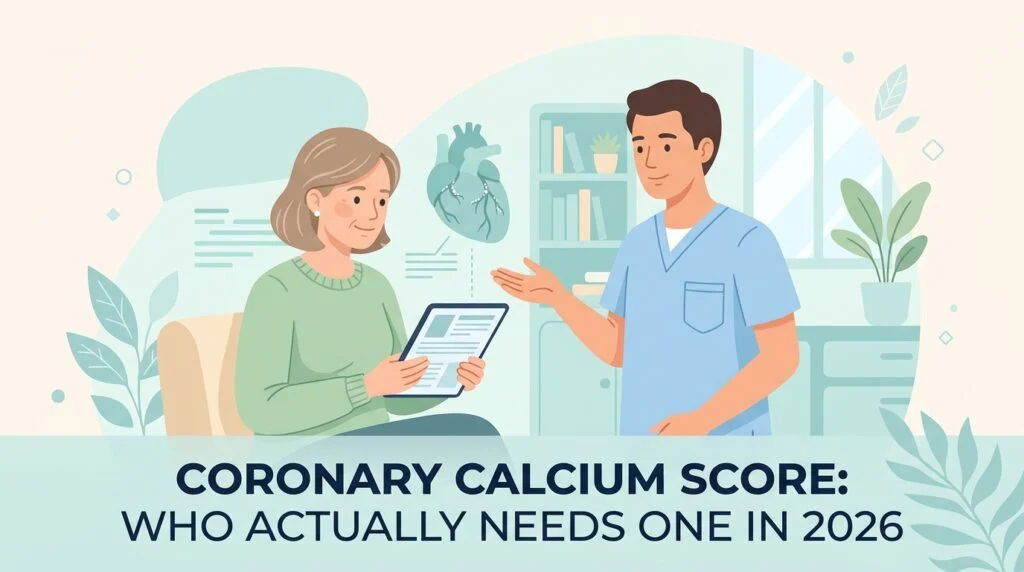
Coronary Calcium Score: Who Actually Needs One in 2026
A ten-year JAMA analysis finds coronary calcium scans add little for most adults, and a…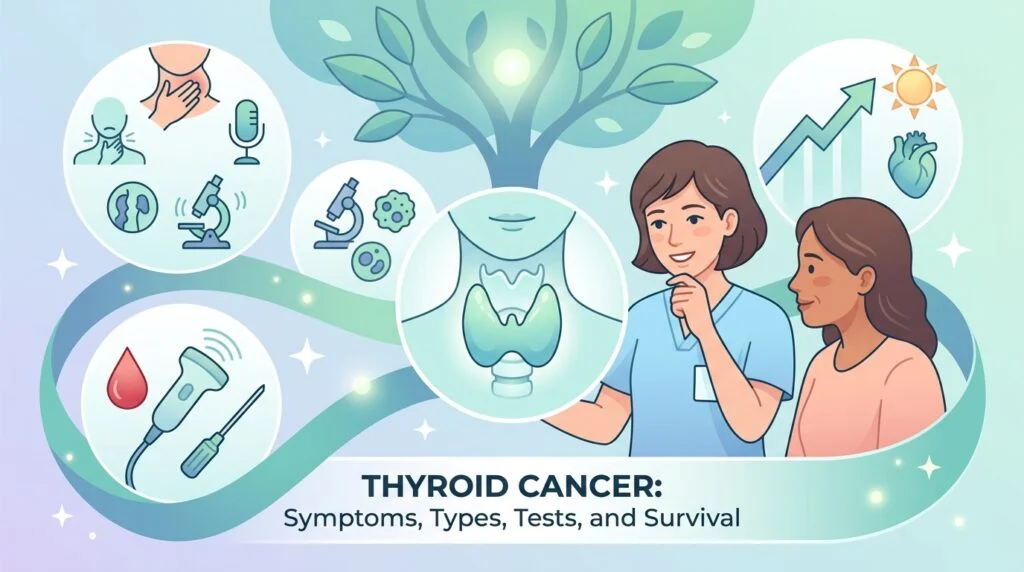
Thyroid Cancer: Symptoms, Types, Tests, and Survival
A plain-language guide to thyroid cancer: the five main types, symptoms, risk factors, how diagnosis…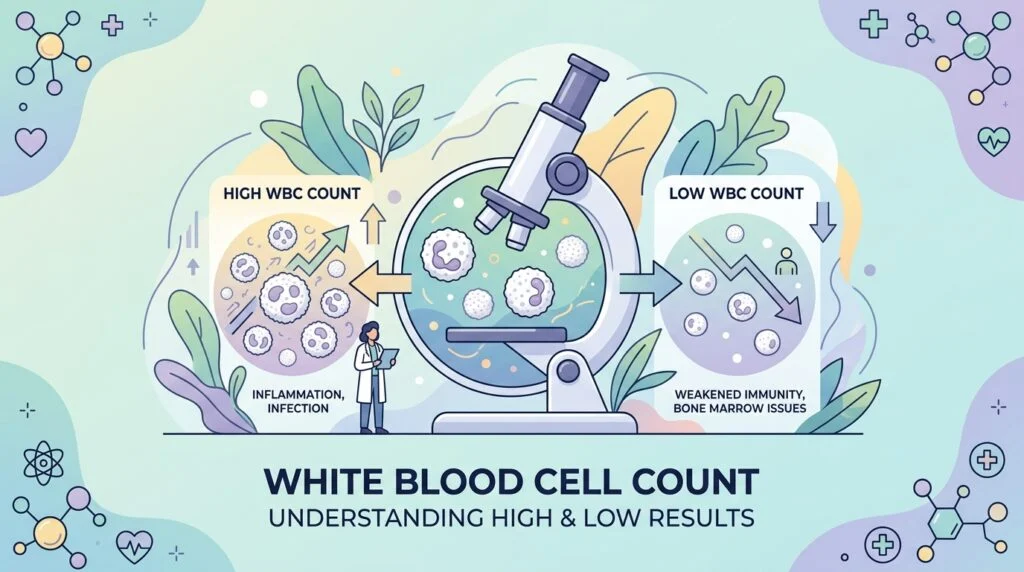
White Blood Cell Count: What High and Low Results Mean
A plain-language guide to the white blood cell count: what the test measures, normal ranges…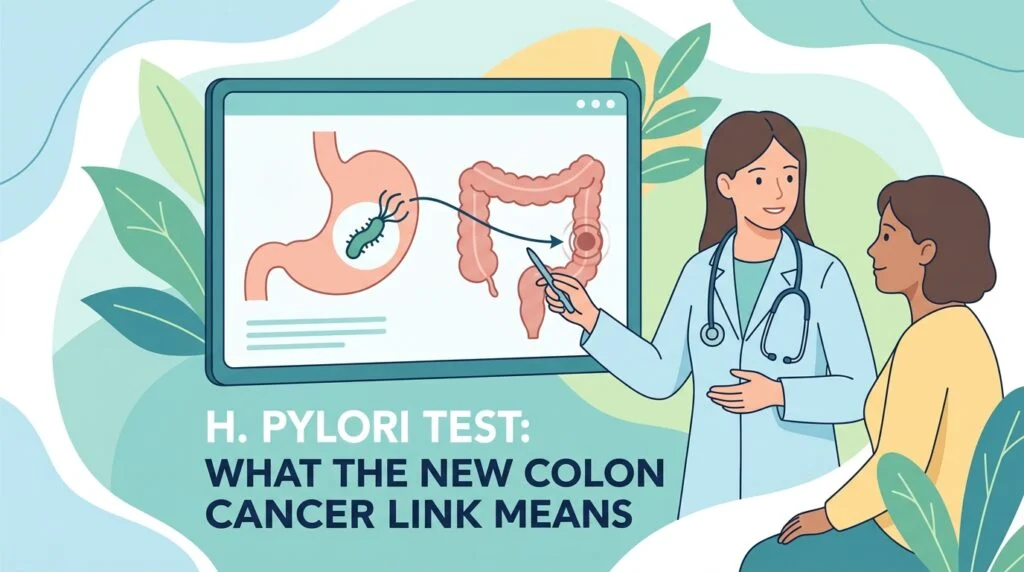
H. Pylori Test: What the New Bowel Cancer Link Means
A September 2026 modelling study ties Helicobacter pylori exposure to more than 1 in 5…
Borderline Low Haemoglobin: Why a Normal Result May Still Matter
If your haemoglobin came back at 12.4 g/dL as a man, or 12.1 g/dL as…
DPYD Testing Before 5-FU Chemo: 3 Things to Know
If you are about to start chemotherapy with fluorouracil (5-FU) or capecitabine, there is now…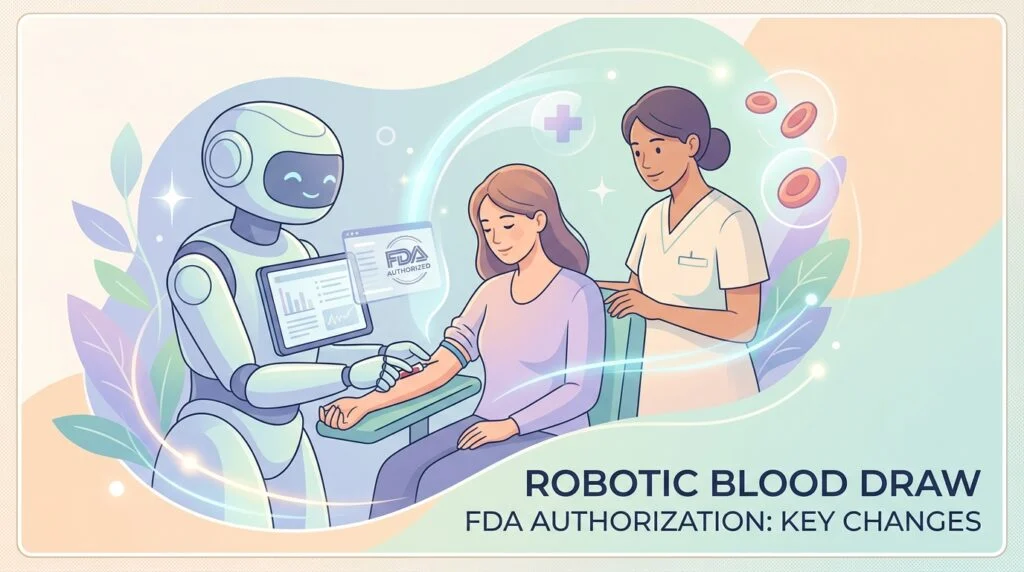
Robotic blood draw: what the FDA authorisation changes for patients
A robotic blood draw is no longer a laboratory prototype: in August 2026 the US…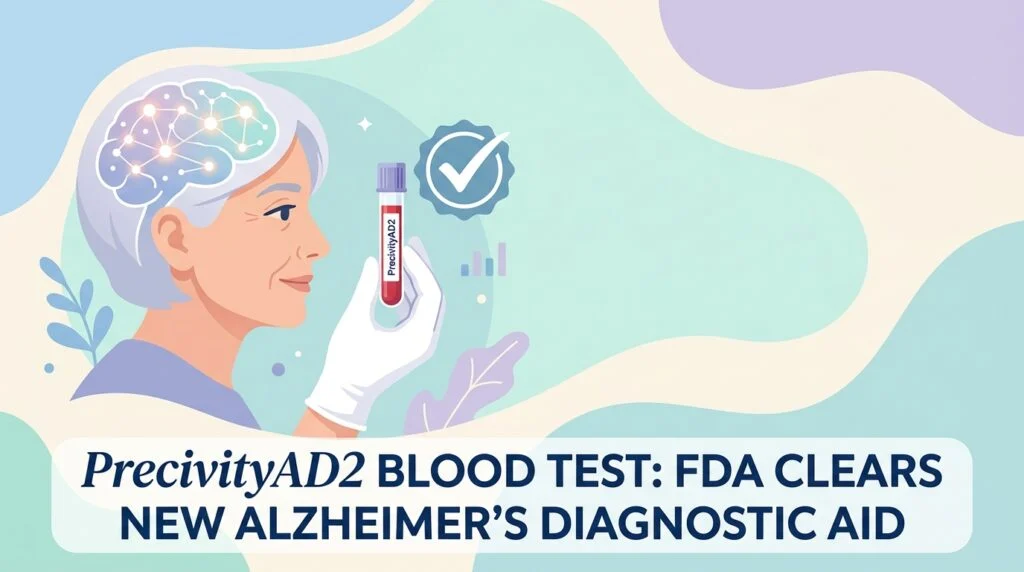
PrecivityAD2 blood test: FDA clears new Alzheimer’s diagnostic aid
An Alzheimer's blood test called PrecivityAD2 has just received U.S. Food and Drug Administration clearance, giving…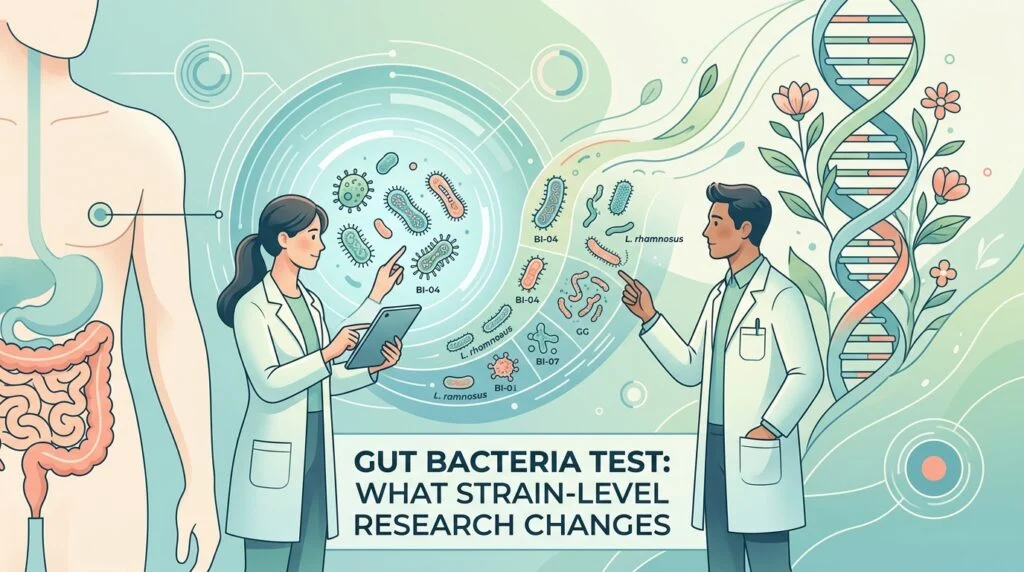
Gut Bacteria Test: What Strain-Level Research Changes
A Nature study shows single gut bacterial species split into distinct populations tied to disease,…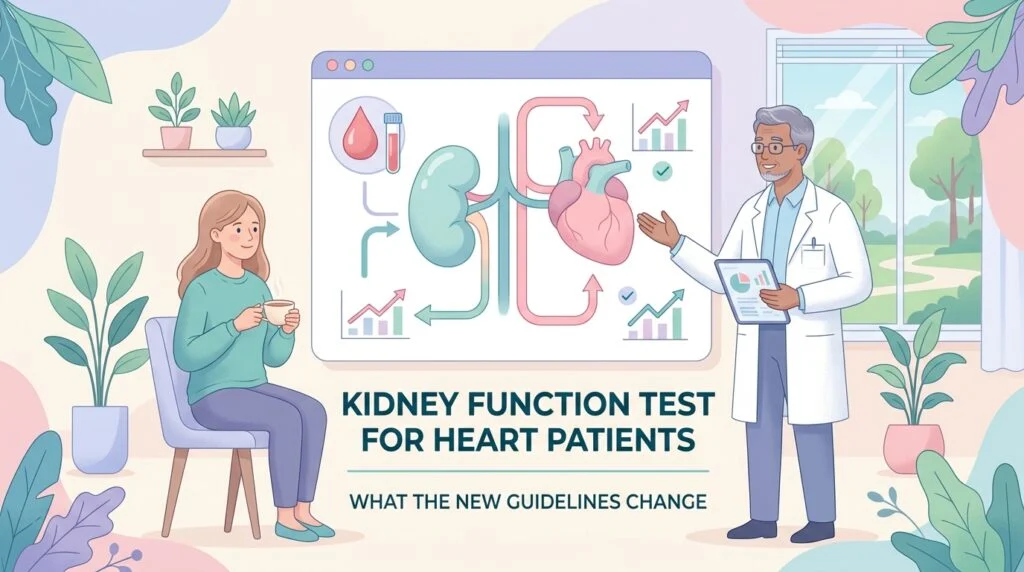
Kidney Function Test for Heart Patients: What the New Guidelines Change
New joint guidelines from the European Society of Cardiology and the European Renal Association ask…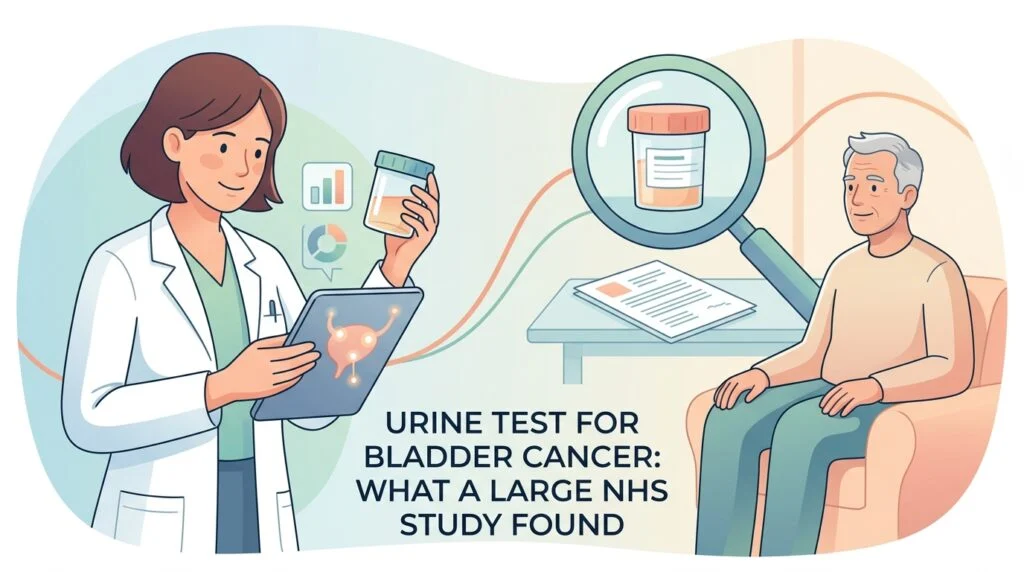
Urine test for bladder cancer: what a large NHS study found
A urine test for bladder cancer has just been through its largest real-world evaluation in…
Testosterone and heart rhythm: why both low and high levels matter
The link between testosterone and heart rhythm has just been reframed by a review published…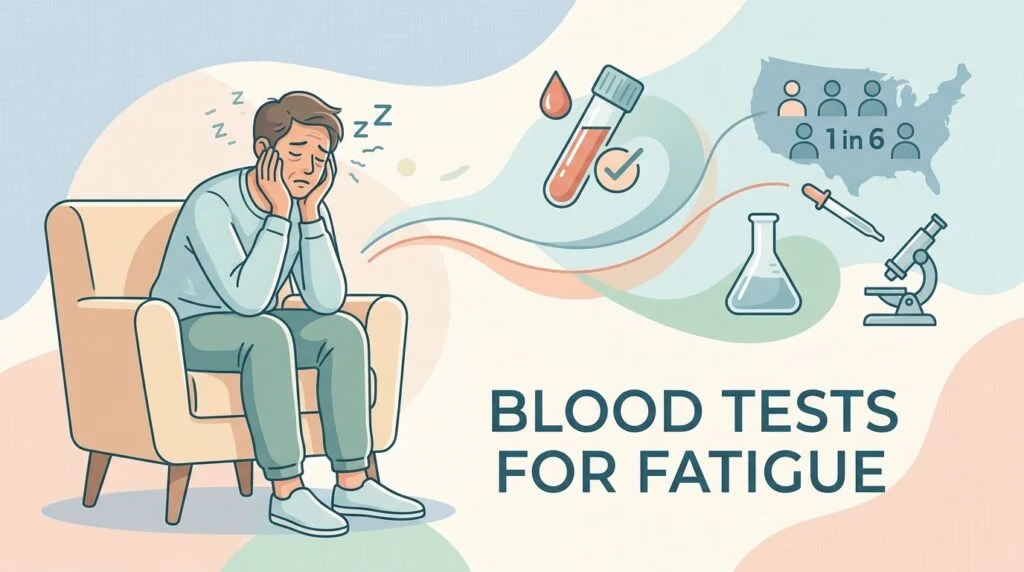
Blood Tests for Fatigue: 1 in 6 U.S. Adults Are Frequently Tired, CDC Says
Blood tests for fatigue are among the most common lab requests in primary care, and…
The kind of publications you will find here
Blood markers – Discover detailed explanations of the different markers present in your blood analyses. Each article in our publications explains the marker's role in the body. It also discusses its clinical significance and reasons why it might be elevated or decreased.
Pathologies and diseases – Browse our library of publications on various medical conditions, their symptoms, links to lab analyses, and common therapeutic approaches.
Company news – Stay informed about the latest news concerning AI DiagMe, our partnerships, technological innovations, and upcoming events.
Medical news – Follow recent advancements in the medical field, relevant scientific discoveries, and changes in health practices, with a particular focus on diagnosis and interpretation of analyses. Indeed, our publications aim to provide comprehensive insights into these areas.
Medical glossary – Consult our comprehensive glossary of medical terms to help you understand the specialised vocabulary encountered in your analysis results or during medical consultations.
Our team, composed of healthcare professionals and artificial intelligence experts, regularly updates this resource centre to guarantee accurate and up-to-date information. Ultimately, our goal is to support you in understanding your health. To that end, we aim to help you have more informed discussions with your healthcare professionals.
We invite you to explore these publications as a supplement to your medical consultations. Remember that this information does not replace the advice of a qualified healthcare professional.
Going further
Any questions, check out our FAQ or contact us.
If you want to learn more about blood markers in an engaging way, feel free to subscribe and listen to AI DiagMe Podcasts.
Want to take control of understanding your blood tests? Understand your laboratory analysis results in minutes with our aidiagme.com platform; your health deserves this special attention!