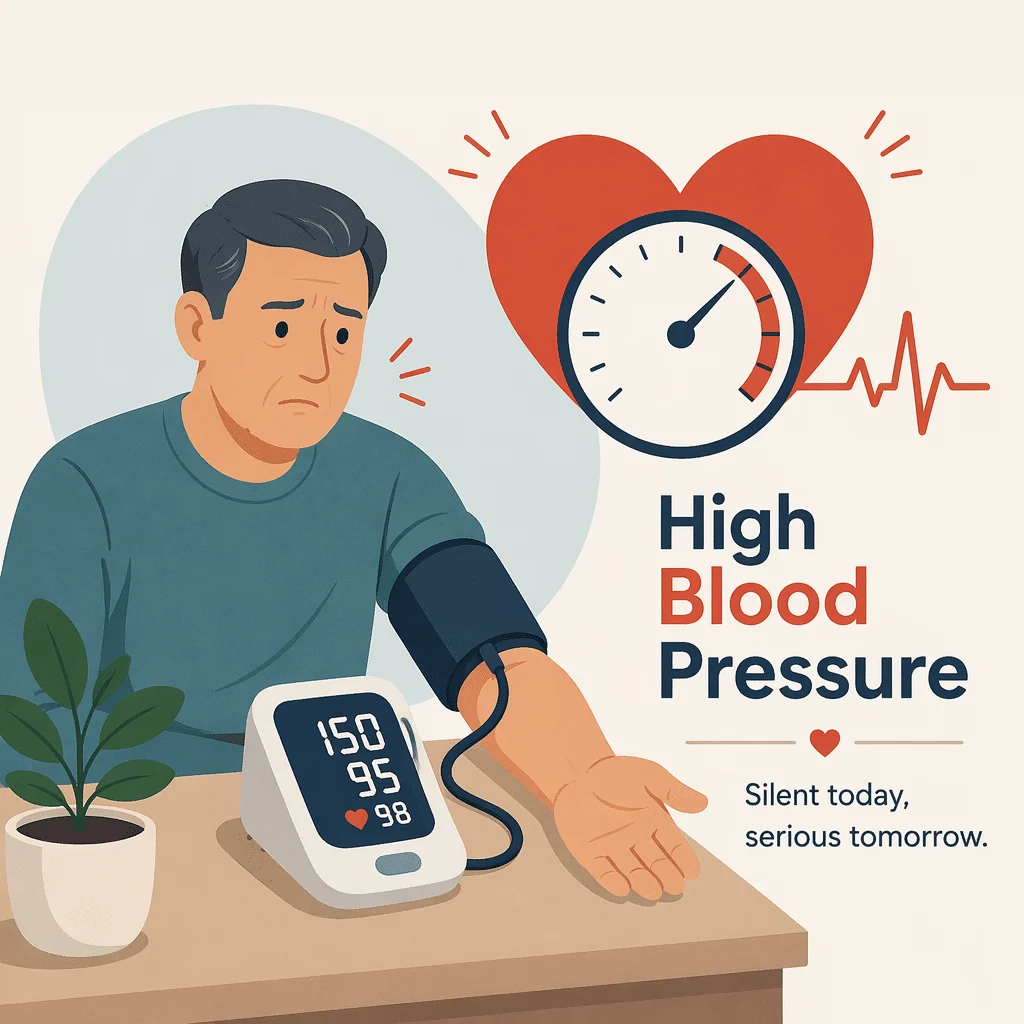
Tensiunea arterială mare este una dintre cele mai frecvente afecțiuni din lume, totuși majoritatea celor care o au se simt perfect bine. Tocmai asta o face periculoasă: singura modalitate sigură de a ști este să o măsori. Acest ghid îți explică ce este tensiunea arterială mare, cum să îți citești valorile, simptomele și factorii declanșatori de urmărit, precum și pașii concreți pentru a o scădea. Vei găsi și un tabel clar al tensiunii arteriale, o listă de semne de alarmă care necesită îngrijire urgentă și răspunsuri la cele mai frecvente întrebări. Scopul este simplu: să înțelegi cu încredere valorile tale și să știi când să apelezi la medicul tău.
Ce este tensiunea arterială crescută?
Tensiunea arterială mare, numită și hipertensiune arterială, înseamnă că forța cu care sângele apasă pe pereții arterelor tale rămâne prea ridicată în timp. Fiecare bătaie a inimii împinge sângele prin artere, creând presiune. O anumită presiune este normală și necesară. Problema apare atunci când aceasta rămâne crescută zi de zi, deoarece această solicitare constantă dăunează treptat arterelor, inimii, rinichilor, creierului și ochilor.
Tensiunea arterială se notează cu două cifre, de exemplu 128/82 mmHg (“mmHg” înseamnă milimetri coloană de mercur, unitatea folosită în toată lumea). Cifra de sus este presiunea sistolică, presiunea din momentul în care inima bate. Cifra de jos este presiunea diastolică, presiunea din momentul în care inima se odihnește între bătăi. Ambele cifre contează.
Tensiunea arterială mare este de obicei o afecțiune cronică. Rareori este “vindecată”, dar în majoritatea cazurilor poate fi ținută bine sub control prin obiceiuri zilnice sănătoase și, atunci când este nevoie, cu medicație.
Valorile tensiunii arteriale mari: ce înseamnă rezultatul tău
Una dintre cele mai frecvente întrebări este pur și simplu: de la ce valori tensiunea arterială este considerată mare? Categoriile de mai jos urmează cadrul stabilit de American Heart Association și American College of Cardiology, care a păstrat aceleași praguri în ghidul actualizat din 2025.
| Categorie | Sistolică (sus) | Diastolică (jos) | |
|---|---|---|---|
| Normal | Sub 120 | și | Sub 80 |
| Crescut | 120–129 | și | Sub 80 |
| Hipertensiune stadiul 1 | 130–139 | sau | 80–89 |
| Hipertensiune stadiul 2 | 140 sau mai mare | sau | 90 sau mai mare |
| Criză hipertensivă | Peste 180 | și/sau | Peste 120 |
Câteva observații te ajută să folosești mai ușor acest tabel. Dacă cele două valori ale tale se încadrează în rânduri diferite, iei în considerare categoria mai ridicată. Astfel, o valoare de 128/84 se încadrează în stadiul 1, deoarece valoarea diastolică se află în intervalul stadiului 1. O valoare de 130/80 se află exact la limita inferioară a hipertensiunii stadiul 1, motiv pentru care acel număr specific îngrijorează atât de mulți oameni.
O singură valoare crescută nu înseamnă că ai hipertensiune. Tensiunea arterială crește și scade în mod natural pe parcursul zilei. Diagnosticul se pune pe baza mai multor măsurători efectuate în ocazii diferite, ideal incluzând și măsurători acasă.
De ce este tensiunea mea arterială mai mare dimineața?
Tensiunea arterială urmează un ritm zilnic. De obicei scade în timpul nopții și crește dimineața devreme, pe măsură ce corpul se pregătește să se trezească. O creștere moderată dimineața este normală. O creștere bruscă și accentuată dimineața poate fi însă asociată cu un risc cardiovascular mai mare — acesta este unul dintre motivele pentru care medicii apreciază monitorizarea acasă și pe 24 de ore mai mult decât o singură măsurătoare la cabinet.
Cum se manifestă tensiunea arterială crescută? Simptome și semne
Hipertensiunea arterială este adesea numită „ucigașul tăcut", deoarece de obicei nu provoacă niciun simptom. Mulți oameni trăiesc cu ea ani de zile fără să știe. De aceea, controalele regulate contează mult mai mult decât să aștepți să „simți" ceva.
Când simptomele apar, ele sunt nespecifice și se manifestă adesea doar atunci când tensiunea este foarte ridicată. Acestea pot include:
- Dureri de cap, mai ales în ceafa
- Amețeli sau senzație de cap ușor
- Vedere încețoșată
- Sângerări nazale
- Oboseală neobișnuită sau senzație de lipsă de aer
Deoarece aceste semne se suprapun cu multe probleme obișnuite, nu sunt concludente prin ele însele. O durere de cap nu confirmă hipertensiunea, iar faptul că te simți bine nu o exclude. Dacă ai frecvent dureri de cap însoțite de valori crescute ale tensiunii, poate fi util să înțelegi legătura dintre hipertensiune și durerile de cap.
De ce contează tensiunea arterială crescută
Motivul pentru care medicii iau hipertensiunea atât de în serios este ceea ce aceasta face în tăcere, de-a lungul anilor. Presiunea constant ridicată obligă inima să lucreze mai mult și îngroașă și îngustează treptat arterele. Aceste leziuni se acumulează simultan în mai multe organe.
În timp, hipertensiunea arterială netratată crește riscul mai multor afecțiuni grave:
- Infarct miocardic și insuficiență cardiacă, pe măsură ce mușchiul inimii se suprasolicită și se îngroașă
- Accident vascular cerebral, când vasele de sânge afectate din creier se rup sau se blochează
- Boală renală, deoarece rinichii depind de vase de sânge sănătoase pentru a filtra deșeurile
- Pierderea vederii, din cauza leziunilor vaselor mici din ochi
- Declin cognitiv și demență, o legătură subliniată mai puternic decât înainte în ghidul din 2025
Vestea îmbucurătoare este că aceste complicații pot fi în mare parte prevenite. Scăderea tensiunii arteriale, chiar și modestă, reduce măsurabil riscul fiecărei complicații de pe această listă. De aceea, „tratarea valorii" înseamnă de fapt protejarea sănătății tale viitoare, nu urmărirea unui număr de dragul lui.
Ce cauzează hipertensiunea arterială?
În aproximativ nouă din zece cazuri, medicii nu găsesc o cauză unică. Aceasta se numește primar hipertensiune primară (sau esențială) și se dezvoltă lent, de-a lungul multor ani. Mai mulți factori îți cresc riscul:
- Vârstă, deoarece arterele se rigidizează în mod natural odată cu vârsta
- Antecedente familiale de hipertensiune arterială sau boli de inimă
- O dietă bogată în sare și săracă în alimente bogate în potasiu
- Excesul de greutate și lipsa activității fizice
- Fumatul și consumul excesiv de alcool
- Stresul cronic și somnul de proastă calitate
Cazurile rămase sunt de secundar hipertensiune secundară, în care o altă afecțiune determină creșterea tensiunii. Printre cauzele frecvente se numără bolile renale, tulburările hormonale și apneea în somn, o tulburare care întrerupe respirația în timpul somnului. Diabet și hipertensiunea arterială apar adesea împreună și se agravează reciproc. Tratarea cauzei de bază poate rezolva uneori complet hipertensiunea secundară.
Pot cafeaua, stresul sau deshidratarea să crească tensiunea arterială?
Da, dar imaginea este nuanțată. Cafeina poate provoca o creștere bruscă pe termen scurt, mai ales la persoanele care o consumă rar, deși cei care beau cafea în mod regulat tind să dezvolte toleranță. Stresul acut crește temporar tensiunea; dacă stresul cronic provoacă hipertensiune de durată este încă dezbătut, dar influențează clar obiceiuri precum somnul, alimentația și consumul de alcool, care contează cu adevărat.
Deshidratarea este mai complexă. Pierderea severă de lichide de obicei scade tensiunea arterială, deoarece există mai puțin lichid în circulație, însă hormonii compensatori ai organismului pot uneori contracta vasele de sânge. Dacă ești curios cum interacționează echilibrul hidric cu valorile tale, consultă ghidul nostru despre deshidratare și tensiunea arterială.
Cum se diagnostichează hipertensiunea arterială
Diagnosticul este simplu și nedureros. Un cadru medical îți aplică o manșetă gonflabilă în jurul brațului și măsoară presiunile sistolică și diastolică. Deoarece o singură măsurătoare poate fi înșelătoare, medicii confirmă hipertensiunea prin mai multe măsurători efectuate la vizite diferite.
Două metode îmbunătățesc acuratețea. Monitorizarea acasă îți permite să înregistrezi valorile în mediul tău obișnuit, departe de stresul cabinetului medical (așa-numitul „efect de halat alb"). Monitorizarea ambulatorie folosește un dispozitiv purtat timp de 24 de ore care măsoară tensiunea automat, surprinzând întregul tău tipar zilnic, inclusiv în timpul somnului.
Medicul tău poate solicita, de asemenea, analize de sânge și urină pentru a identifica cauzele și a verifica cum fac față organele tale. Acestea pot include markeri renali precum creatinină, electroliți precum sodiu și potasiu, și un colesterol panel, deoarece aceste afecțiuni apar adesea împreună și influențează riscul tău cardiovascular general.
O schimbare notabilă în ghidul din 2025 este utilizarea unui calculator de risc numit PREVENT, care estimează riscul tău de boli de inimă pe 10 și 30 de ani. Îi ajută pe medici să decidă, în cazul stadiului 1, dacă modificările stilului de viață sunt suficiente sau dacă medicația ar trebui începută mai devreme.
Cum să îți măsori corect tensiunea arterială acasă
Un tensiometru de braț este mai fiabil decât unul de încheietură. Pentru o măsurătoare corectă, stai liniștit cinci minute înainte, cu spatele sprijinit, tălpile pe podea și brațul la nivelul inimii. Evită cafeina, efortul fizic și fumatul cu cel puțin 30 de minute înainte și nu vorbi în timpul măsurătorii. Fă două sau trei măsurători la un minut distanță și notează media, de preferință la aceleași ore în fiecare zi. Un jurnal cu aceste valori adus la consultație îi oferă medicului tău o imagine mult mai clară decât o singură măsurătoare la cabinet.
Cum să scazi tensiunea arterială ridicată
Tratamentul începe aproape întotdeauna cu schimbări ale stilului de viață, care pot fi extrem de eficiente prin ele însele. Cei mai bine documentați pași sunt:
- Reduce consumul de sare. Încearcă să rămâi mult sub aportul tipic occidental. Ghidul din 2025 recomandă un țel ideal de sub 1.500 mg de sodiu pe zi pentru mulți adulți, alături de creșterea consumului de alimente bogate în potasiu, precum legumele, fructele și leguminoasele.
- Adoptă un regim alimentar sănătos pentru inimă. Dieta DASH (Dietary Approaches to Stop Hypertension) pune accent pe legume, fructe, cereale integrale și proteine slabe și s-a dovedit că reduce tensiunea arterială.
- Mișcă-te regulat. Aproximativ 30 de minute de activitate fizică în majoritatea zilelor fac diferența.
- Atinge și menține o greutate sănătoasă. Chiar și o scădere modestă în greutate poate reduce semnificativ valorile tensiunii.
- Limitează alcoolul și renunță la fumat.
- Gestionează stresul și ai grijă de somnul tău.
Când stilul de viață nu este suficient, medicii prescriu medicamente antihipertensive. Principalele clase sunt diureticele (care ajută organismul să elimine excesul de sare și apă), inhibitorii ECA și sartanii (care relaxează vasele de sânge), blocantele canalelor de calciu și beta-blocantele. Alegerea depinde de vârsta ta, de alte afecțiuni existente și de modul în care răspunzi la tratament. Mulți oameni au nevoie de o combinație de două medicamente în doze mici, care funcționează adesea mai bine și cu mai puține efecte secundare decât o singură doză mare.
Alimente de evitat și alimente benefice
Alimentația are unul dintre cele mai mari efecte asupra tensiunii arteriale, iar micile schimbări se adună. Alimentele cel mai important de limitat sunt produsele procesate și ambalate, deoarece cea mai mare parte a sării din dietă se ascunde acolo, nu în solnița de pe masă. Fii atent la mezeluri, supe la conservă, sosuri, mâncăruri gata preparate, snacksuri sărate și pâine, care aduce mai mult sodiu decât ne așteptăm, pur și simplu pentru că o consumăm în cantități mari.
Pe de altă parte, alimentele care susțin o tensiune sănătoasă tind să fie bogate în potasiu, fibre și grăsimi nesaturate: legume cu frunze verzi, banane, fasole și linte, sfeclă roșie, fructe de pădure, pește gras, nuci și iaurt simplu. Ghidul din 2025 menționează, de asemenea, că înlocuitorii de sare pe bază de potasiu pot ajuta unele persoane, deși nu sunt potriviți pentru cei cu boli de rinichi, care nu ar trebui să crească aportul de potasiu fără sfatul medicului.
Remediile naturale funcționează?
Unele abordări naturale au dovezi reale, chiar dacă modeste: exercițiile aerobice regulate, scăderea în greutate, reducerea consumului de alcool și dieta DASH scad valorile tensiunii. Respirația lentă și profundă, precum și reducerea stresului pot ajuta și ele, mai ales prin susținerea unor obiceiuri mai sănătoase. Fii totuși precaut cu suplimentele și „leacurile miraculoase" promovate online. Majoritatea au dovezi slabe, iar unele pot interacționa cu medicamentele. Tratează strategiile naturale ca pe un complement al îngrijirii medicale, nu ca pe un înlocuitor, și spune-i medicului tău despre orice supliment pe care îl iei.
Fii sceptic față de promisiunile de a „vindeca hipertensiunea în 3 minute." Relaxarea rapidă, respirația lentă sau odihna pot scădea temporar o valoare, dar nu tratează cauza de fond. Controlul de durată vine din obiceiuri constante și, atunci când sunt prescrise, din administrarea medicamentelor conform indicațiilor.
Când să apelezi la îngrijiri urgente sau de urgență
Majoritatea cazurilor de hipertensiune arterială sunt gestionate calm, în timp. Dar unele situații necesită atenție imediată. Sună la serviciile de urgență dacă o valoare foarte ridicată (în general peste 180/120) este însoțită de oricare dintre aceste semne de alarmă:
- Durere sau presiune în piept
- Dificultate bruscă de respirație
- Slăbiciune bruscă, amorțeală sau dificultăți de vorbire (posibile semne ale unui accident vascular cerebral)
- Cefalee severă însoțită de confuzie sau pierderea vederii
- Durere de spate cu senzație de sfâșiere sau durere intensă
Această combinație poate semnala o urgență hipertensivă, în care tensiunea periculoasă de mare afectează activ organele. Chiar și fără aceste simptome, o valoare peste 180/120 necesită consultarea promptă a unui medic. Pe termen lung, hipertensiunea netratată crește și riscul de insuficiența cardiacă și boli de rinichi, motiv pentru care controlul constant este atât de important.
Viața cu hipertensiune arterială
Tensiunea arterială ridicată este un însoțitor de lungă durată pentru majoritatea celor care o au, dar poate fi ținută sub control. Ținerea unui jurnal simplu cu măsurătorile de acasă te ajută pe tine și pe medicul tău să vedeți dacă planul de tratament funcționează. Tratează schimbările de stil de viață ca pe obiceiuri permanente, nu ca pe o soluție temporară, și ia orice medicament în mod regulat, chiar și în zilele în care te simți perfect bine. Nu opri și nu modifica niciodată doza pe cont propriu; vorbește mai întâi cu medicul tău. Controalele periodice permit echipei medicale să ajusteze tratamentul și să depisteze din timp eventualele complicații.
Glosar
- Monitorizarea ambulatorie a tensiunii arteriale (MATA): Un test care folosește un dispozitiv portabil ce înregistrează automat tensiunea arterială timp de 24 de ore, inclusiv în timpul somnului.
- Presiunea diastolică: Numărul mai mic dintr-o măsurătoare; presiunea din artere în timp ce inima se odihnește între bătăi.
- Dieta DASH: Dietary Approaches to Stop Hypertension (Abordări Alimentare pentru Combaterea Hipertensiunii), un model alimentar dovedit că reduce tensiunea arterială.
- Hipertensiunea esențială (primară): Tensiune arterială ridicată fără o cauză unică identificabilă; cel mai frecvent tip.
- Hipertensiunea arterială: Termenul medical pentru tensiunea arterială ridicată.
- Criza hipertensivă: O valoare peste 180/120 mmHg care poate necesita îngrijire urgentă, mai ales dacă sunt prezente simptome.
- mmHg: Milimetri coloană de mercur, unitatea de măsură folosită pentru tensiunea arterială.
- Hipertensiunea secundară: Tensiune arterială ridicată cauzată de o altă afecțiune, cum ar fi boala renală sau apneea în somn.
- Presiunea sistolică: Numărul mai mare dintr-o măsurătoare; presiunea în timp ce inima bate.
Întrebări frecvente
Ce valoare a tensiunii arteriale este considerată ridicată?
Tensiunea arterială este ridicată atunci când valorile rămân la sau peste 130/80 mmHg în timp. Valorile sistolice între 120–129 cu o diastolică sub 80 sunt numite “crescute”, o zonă de avertizare. Valorile de 130–139 sau 80–89 reprezintă hipertensiune de stadiul 1, iar 140/90 sau mai mult înseamnă stadiul 2. Un singur număr ridicat nu este suficient pentru un diagnostic; medicii se bazează pe mai multe măsurători efectuate în zile diferite, incluzând în mod ideal și măsurători acasă.
Cum se manifestă tensiunea arterială crescută?
De obicei nu se simte nimic, de aceea este numită ucigașul tăcut. Majoritatea oamenilor nu au simptome până când tensiunea nu este foarte ridicată. Unii raportează dureri de cap, amețeli, vedere încețoșată sau sângerări nazale, dar acestea nu sunt semne sigure și pot avea multe alte cauze. Nu poți aprecia tensiunea arterială după cum te simți. Singura modalitate de a o cunoaște este să o măsori, așa că verificările regulate sunt esențiale chiar și atunci când te simți bine.
Poate fi vindecată tensiunea arterială ridicată?
Pentru majoritatea oamenilor, tensiunea arterială crescută este ținută sub control, nu vindecată. Schimbările în stilul de viață — reducerea sării, slăbitul și exercițiile fizice — pot scădea semnificativ valorile, uneori suficient pentru a reduce sau opri medicația sub îndrumarea medicului. În hipertensiunea secundară, tratarea cauzei de bază poate rezolva problema. Dar în hipertensiunea esențială, gestionarea continuă menține valorile într-un interval sigur și previne complicațiile.
Cum pot scădea tensiunea arterială rapid?
Statul liniștit, respiratul lent și odihna pot reduce temporar o valoare crescută — acestea sunt rezonabile în timp ce aștepți să remăsori. Totuși, nicio tehnică nu scade tensiunea arterială permanent în câteva minute în mod sigur. O reducere reală și de durată vine din obiceiuri constante: dietă săracă în sare, activitate fizică regulată și medicație prescrisă. Dacă valoarea depășește 180/120, mai ales dacă ai dureri în piept sau probleme cu respirația, solicită îngrijire medicală urgentă în loc să te bazezi pe metode casnice.
Este hipertensiunea arterială ereditară?
Istoricul familial îți crește riscul. Dacă rudele apropiate au hipertensiune, ești mai predispus să o dezvolți, parțial din cauza genelor comune și parțial din cauza obiceiurilor comune. Totuși, aceasta nu este o sentință. O alimentație sănătoasă, mișcarea regulată și monitorizarea de rutină pot reduce semnificativ riscul, chiar și cu un istoric familial puternic. Dacă hipertensiunea apare frecvent în familia ta, începe să îți măsori tensiunea mai devreme și mai des.
Cât de des ar trebui să îmi măsor tensiunea arterială?
Depinde de valorile tale și de factorii de risc. Dacă tensiunea este normală și nu ai factori de risc, o măsurătoare pe an este de obicei suficientă. Dacă valorile sunt crescute sau ai factori de risc, medicul tău va recomanda monitorizare mai frecventă. Dacă ai deja un diagnostic, se recomandă măsurători regulate acasă plus consultații programate, astfel încât tratamentul să poată fi ajustat.
Surse
- Centers for Disease Control and Prevention (CDC) — Despre hipertensiunea arterială
- American Heart Association — Ghidul privind hipertensiunea arterială 2025
- British Heart Foundation — Hipertensiunea arterială
Lectură suplimentară
- Hipertensiunea arterială și durerile de cap: simptome și cauze
- Deshidratarea și tensiunea arterială: cauze și riscuri
- Colesterol ridicat: înțelege, previne și acționează
- Accidentul vascular cerebral (AVC): înțelegere și acțiune
- Insuficiența cardiacă: cum să o înțelegi și să o gestionezi
Înțelege-ți rezultatele analizelor cu AI DiagMe
Hipertensiunea arterială rareori apare singură, iar medicul tău poate solicita analize pentru a vedea imaginea de ansamblu: markeri renali precum creatinina, electroliți cum ar fi sodiul și potasiul, un profil lipidic și glicemia. Citirea acelor valori dintr-un buletin de analize poate părea copleșitoare. AI DiagMe te ajută să înțelegi ce înseamnă fiecare valoare în limbaj simplu, astfel încât să poți discuta mai clar cu medicul tău. Îți oferă înțelegere, nu diagnostic, și nu înlocuiește niciodată sfatul medical.
➡️ Obține interpretarea rezultatelor în câteva minute