




































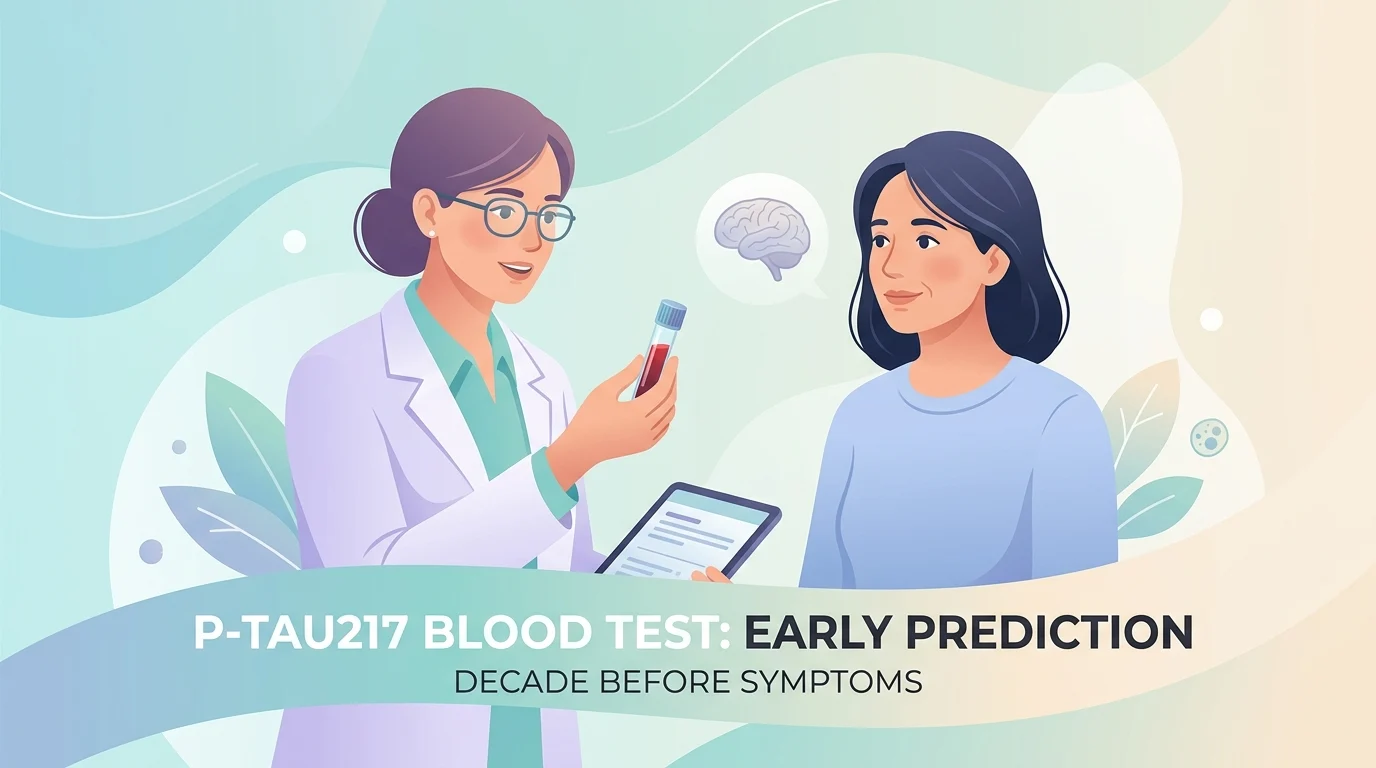
p-tau217 혈액 검사는 이제 이전에는 불가능했던 일을 할 수 있게 되었습니다. 바로 기억력에 전혀 문제가 없는 사람이 수년 후 인지 장애를 겪을 가능성을 미리 추정하는 것입니다. 이 연구 결과는 2026년 7월 16일 런던에서 열린 알츠하이머협회 국제 학술대회(AAIC)에서 발표되었으며, 같은 주에 JAMA에도 게재되었습니다. 연구진은 채혈 당시 인지 기능이 정상이었던 70세 전후의 노인 약 2,700명을 대상으로, 일부는 10년 이상 추적 관찰했습니다. 이 글에서는 해당 연구가 실제로 무엇을 밝혀냈는지, 위험 수치가 일상적인 언어로 무엇을 의미하는지, 예측과 진단이 어떻게 다른지, 그리고 전문가들이 왜 이 검사를 지금 당장 요청할 필요는 없다고 말하는지를 설명합니다.
AAIC 2026 연구에서 밝혀진 내용
이 연구는 6개의 주요 알츠하이머 연구 그룹 및 임상시험 데이터를 통합 분석한 것입니다. 참가자 모두 연구 시작 시점에 인지 기능이 정상이었으며, 평균 연령은 70세였습니다. 평균 약 5년, 일부는 10년 이상 추적 관찰하면서 혈중 p-tau217 수치를 측정하고, 표준화된 기억력 및 사고력 평가를 통해 경도 인지 장애 또는 치매 발생 여부를 추적했습니다.
결과는 일관되게 나타났습니다. 시작 시점의 p-tau217 수치가 높을수록 이후 인지 기능 저하 속도가 빨랐습니다. 이 효과는 뇌 스캔에서 아밀로이드 수치도 높게 나타난 사람들에게서 가장 두드러졌습니다. 특히 주목할 점은 시기입니다. 채혈 당시에는 아무런 이상이 없었던 사람들임에도 불구하고, 이 지표가 최대 10년 후에 일어날 수 있는 변화에 대한 정보를 담고 있었습니다.
매사추세츠 종합병원 브리검(Mass General Brigham) 및 하버드 의과대학의 수석 저자 레이첼 버클리(Rachel Buckley)는 이번 결과를 두고, 기억력이나 사고력에 눈에 띄는 문제가 없는 성인에서도 p-tau217 수치 상승이 치매 위험을 조기에 알릴 수 있다는 가장 명확한 근거 중 하나라고 설명했습니다.
예측은 진단이 아니며, 그 차이는 중요합니다
지금까지 p-tau217은 한 가지 질문에 답하는 데 사용되어 왔습니다. 이미 증상이 있는 이 사람의 뇌에 알츠하이머 관련 변화가 있는가? 이는 진단적 질문입니다. 저희 뉴스룸에서는 이 마커를 기반으로 FDA 승인을 받은 알츠하이머 혈액 검사를 이미 다룬 바 있습니다.
AAIC 2026 연구 결과는 두 번째, 다른 질문을 제기합니다. 현재 증상이 없는 이 사람이 나중에 문제가 생길 가능성은 얼마나 될까? 이는 예후적 질문으로, 동일한 측정값을 진정으로 새로운 방식으로 활용하는 것입니다.
연구자들은 익숙한 비유를 들었습니다. 콜레스테롤 수치는 지금 심장마비가 오고 있다는 것을 알려주지 않습니다. 앞으로 몇 년 안에 심장마비가 생길 가능성이 어느 정도인지를 알려주기 때문에, 의사들이 이를 근거로 조치를 취하는 것입니다. 상승된 p-tau217도 인지 기능 저하에 대해 비슷한 방식으로 작용할 수 있습니다. 이 비유는 유용하지만, 한 가지 한계를 짚어둘 필요가 있습니다. 콜레스테롤의 경우 위험을 낮추는 검증된 치료법이 있지만, 알츠하이머의 경우 예방 치료법은 아직 연구 중입니다.
위험 수치가 실제로 의미하는 것
이 수치들은 잘못 해석하기 쉬우므로, 구체적인 숫자로 풀어보면 이해에 도움이 됩니다. 아래 표는 이 연구에서 인지적으로 건강한 성인을 대상으로 한 추정치를 요약한 것입니다.
| P-tau217 수치 | 5년 이내 예상 위험도 | 10년 이내 예상 위험도 |
|---|---|---|
| 매우 높음 (연구 평균의 두 배 이상) | 약 3명 중 1명 | 약 10명 중 8명 |
| 중간 정도 상승 (평균을 약간 웃도는 수준) | 약 100명 중 15명 | 약 100명 중 45명 |
| 상승하지 않음 | 현저히 낮음 | 현저히 낮음 |
두 가지 점이 눈에 띕니다. 첫째, 가장 높은 수치에서도 위험이 확실한 것은 아닙니다. 해당 그룹의 약 10명 중 2명은 10년 이내에 인지 장애가 나타나지 않았습니다. 둘째, 중간 정도 상승한 수치도 가볍게 볼 수 없습니다. 해당 그룹의 거의 절반이 10년에 걸쳐 인지 장애를 겪었기 때문입니다. 이 수치들은 통계 모델에서 도출된 집단 추정치이며, 특정 개인에 대한 판정이 아닙니다.
아직 검사를 요청할 단계가 아닌 이유
연구자들은 이 점을 명확히 밝혔으며, 알츠하이머 협회도 마찬가지였습니다. 이는 초기 결과이며, 이 접근법은 아직 일상적인 임상 사용에 적합하지 않습니다.
p-tau217 단독으로는 누군가의 미래를 완전히 예측할 수 없습니다. 나이, 유전적 요인, 신장 기능, 체중, 민족적 배경 모두 바이오마커 수치와 치매 위험에 영향을 미치기 때문에, 동일한 수치라도 사람마다 다른 의미를 가질 수 있습니다. 또한 장기 추정치를 더욱 정교하게 다듬으려면 연구 대상 집단이 더욱 다양해져야 하고, 더 오랜 기간 추적 관찰이 이루어져야 합니다.
임상 현장에서 비롯된 또 다른 주의 사항이 있습니다. 인지 증상이 없는 사람에게서 p-tau217 결과가 비정상으로 나왔을 때, 대부분의 사람들이 생각하는 것보다 훨씬 더 자주 오류일 수 있습니다. 뇌의 변화는 증상이 나타나기 수년 전부터 시작될 수 있고, 실제로 질환으로 이어지지 않는 경우도 있기 때문입니다. 그래서 현재 알츠하이머협회(Alzheimer’s Association) 가이드라인은 혈액 바이오마커 검사를 이미 기억력이나 사고력 문제를 겪고 있는 환자에게만 의사가 처방해야 한다고 명시하고 있습니다.
의사와 상담해야 할 때
본인이나 가까운 사람에게 일상생활을 방해하는 기억력 변화가 느껴진다면, 그때가 바로 의사와 상담해야 할 시점입니다. 의사가 적절한 검사 방법을 결정해 드릴 것입니다. 다른 변화 없이 가끔 깜빡하는 정도는 대개 정상적인 노화의 일부입니다. 알츠하이머병의 생물학적 기전을 설명하는 별도의 글과, 다양한 형태의 치매를 소개하는 안내 글도 함께 참고하시기 바랍니다.
최신 과학적 발전
PubMed에 등재된 연구들에 따르면, p-tau217의 예후 활용에 관한 근거는 꾸준히 축적되어 왔으며, AAIC 2026의 결과는 일관된 연구 성과들 위에 자리하고 있습니다.
《Nature Aging》(2025)에 발표된 직접 비교 연구에서는 9개 코호트의 인지 기능이 정상인 1,474명을 대상으로 혈장 p-tau217과 타우 뇌 스캔을 비교했습니다. 두 검사는 향후 인지 기능 저하를 예측하는 데 거의 동등한 성능을 보였으며, 두 가지를 함께 사용했을 때 각각 단독으로 사용하는 것보다 더 나은 결과를 보였습니다. 이것이 의미하는 바: 채혈 한 번으로 훨씬 비싸고 접근하기 어려운 스캔과 거의 동일한 예측 정보를 얻을 수 있다는 것입니다 (DOI).
《Alzheimer’s & Dementia》(2025)에 발표된 캐나다 연구에서는 인지 기능이 정상인 성인 215명을 최대 10년간 추적 관찰했습니다. 혈장 p-tau217 수치가 높은 경우, 그 기간 내에 경도인지장애로 진행된 사람들을 미리 식별할 수 있었습니다. 이것이 의미하는 바: AAIC에서 보고된 10년 예측 결과는 단독 사례가 아닙니다 (DOI).
《JAMA Neurology》(2025)에 발표된 연구는 A4 및 LEARN 임상시험 참가자 1,707명의 데이터를 분석했습니다. 혈장 p-tau217이 뚜렷한 인지 장애가 나타나기 전에 인지 기능 변화를 예측할 수 있었으며, 예방 임상시험 참가자 선별에도 활용될 수 있음을 확인했습니다. 이것이 의미하는 바: 이 검사의 단기적인 실질적 활용은 임상이 아닌 연구 분야에 있습니다 (DOI).
《Alzheimer’s & Dementia》(2025)에 발표된 연구는 523명을 대상으로 p-tau217과 함께 신경세포 손상 및 뇌 염증을 반영하는 두 가지 혈액 마커인 NfL과 GFAP를 함께 분석했습니다. 이 마커들을 조합했을 때 p-tau217 단독보다 더 넓은 범위의 인지 기능 저하를 예측할 수 있었습니다. 이것이 의미하는 바: 앞으로는 하나의 수치가 아니라 여러 마커를 함께 읽는 패널 검사가 주류가 될 가능성이 높습니다 (DOI).
이러한 결과들을 종합하면 일관성 있고 고무적이지만, 어디까지나 연구 결과에 불과합니다. 이 중 어느 것도 현재 증상이 없는 성인에게 의사가 제공할 수 있는 것을 바꾸지는 않습니다.
용어 설명
| 용어 | 정의 |
|---|---|
| P-tau217 | 혈액에서 측정 가능한 타우 단백질의 변형 형태로, 뇌에 알츠하이머 관련 변화가 나타날 때 수치가 상승합니다. |
| 인지 기능 정상 | 표준 평가에서 기억력이나 사고력에 감지할 수 있는 문제가 없는 상태. |
| 예후 지표 | 이미 존재하는 상태를 확인하는 것이 아니라, 앞으로 일어날 가능성을 추정하는 측정값. |
| 경도 인지 장애(MCI) | 기억력이나 사고력이 눈에 띄게 저하되었지만, 아직 독립적인 일상생활을 방해할 정도는 아닌 상태. |
| 아밀로이드 | 뇌세포 사이에 덩어리를 형성하는 단백질로, 알츠하이머병의 두 가지 주요 특징 중 하나입니다. |
| 타우 엉킴 | 뉴런 내부에 축적되는 꼬인 타우 단백질 섬유로, 인지 기능 저하와 밀접하게 연관됩니다. |
| 전임상 알츠하이머 | 뇌의 변화는 이미 나타나 있지만 아직 증상이 없는 단계. |
| PET 스캔 | 아밀로이드 또는 타우를 확인할 수 있는 뇌 영상 검사로, 혈액 마커의 기준 표준으로 활용됩니다. |
| 위양성 | 실제로 해당 질환이 없는 사람에게서 나온 비정상적인 검사 결과. |
| 코호트 | 연구자들이 시간 경과에 따라 어떤 변화가 나타나는지 관찰하기 위해 추적 조사하는 집단. |
자주 묻는 질문
알츠하이머 위험도를 확인하기 위해 p-tau217 검사를 받을 수 있나요?
그 목적으로는 사용할 수 없습니다. 이 마커를 기반으로 한 혈액 검사는 이미 기억력이나 사고력 문제가 있는 성인을 평가하는 데 도움을 주기 위해 승인된 것이며, 현재 알츠하이머 협회의 지침에서도 그러한 경우에만 검사를 의뢰해야 한다고 명시하고 있습니다. AAIC 2026에서 발표된 예측적 활용은 연구 결과일 뿐, 현재 이용 가능한 서비스가 아닙니다. 증상을 평가하는 의사를 통하는 것이 적절한 방법입니다.
p-tau217 수치가 높으면 알츠하이머에 걸리게 되는 건가요?
그렇지 않습니다. 수치가 가장 높은 그룹에서도 10년 후 인지 장애가 나타나지 않은 사람이 약 10명 중 2명이었습니다. 이 수치들은 통계 모델로 산출된 집단 추정치이며, 특정 개인에게 어떤 일이 일어날지를 예측하지는 않습니다. 또한 신장 기능이나 체중 등 뇌와 무관한 여러 요인도 수치에 영향을 줄 수 있습니다.
이미 승인된 알츠하이머 혈액 검사와 어떻게 다른가요?
승인된 검사는 증상으로 평가 중인 사람에게 아밀로이드 플라크가 존재할 가능성이 있는지를 확인합니다. AAIC 2026 연구는 전혀 증상이 없는 사람을 대상으로 다른 질문을 던집니다. 즉, 증상이 전혀 없는 사람에게서 향후 인지 저하가 얼마나 가능성이 있는지를 묻는 것입니다. 같은 단백질이지만 목적이 다르며, 규제 승인을 받은 것은 첫 번째 용도뿐입니다.
치료법도 없는데 위험도를 측정하는 이유가 무엇인가요?
이것이 이 연구에서 솔직하게 인정해야 할 긴장감입니다. 단기적으로 가장 큰 가치는 임상시험에 있습니다. 위험도가 높은 사람을 미리 파악하면 예방 전략을 효율적으로 검증할 수 있기 때문입니다. 언젠가 예방 치료법이 입증된다면, 위험을 조기에 감지하는 이 마커는 일상적인 진료에서도 훨씬 더 유용해질 것입니다.
p-tau217 수치가 정상이면 안전하다는 뜻인가요?
검사 시점을 기준으로 알츠하이머 관련 인지 저하 가능성이 낮다는 것을 시사하므로 안심할 수 있지만, 이것이 보장은 아닙니다. 기억력과 사고력 문제에는 갑상선 질환, 비타민 결핍, 수면 장애, 약물 부작용 등 다양한 원인이 있으며, 이 마커는 그러한 원인들을 측정하지 않습니다.
기억력이 걱정되는 분들은 어떻게 해야 하나요?
여전히 효과적인 일반적인 방법, 즉 의사의 진찰을 받는 것이 답입니다. 증상은 여전히 검사의 출발점이며, 임상 평가와 기억력 검사는 모든 바이오마커 결과를 해석하는 기반이 됩니다. 표준 혈액 검사 과정에 대한 자세한 내용은 별도의 글에서 확인하실 수 있으며, 저희 팀은 비정상 혈액 검사 결과를 해석해 드립니다.
출처
- 혈액 검사로 증상 발현 10년 전에 알츠하이머 위험을 예측할 수 있다 — 알츠하이머 협회 국제 학술대회 2026, 2026년 7월 — aaic.alz.org
- 2026 알츠하이머 협회 국제 학술대회 연구 성과 — 알츠하이머 협회, 2026년 7월 16일 — aaic.alz.org
- FDA, 알츠하이머병 진단에 사용되는 최초의 혈액 검사 승인 — 미국 식품의약국 — fda.gov
- Ossenkoppele R, Salvadó G, Janelidze S, et al. — 혈장 p-tau217 및 타우-PET, 인지 기능 정상인의 향후 인지 저하 예측: 임상시험에 대한 시사점 — Nature Aging, 2025 — DOI
- Yakoub Y, Gonzalez-Ortiz F, Ashton NJ, et al. — 혈장 p-tau217, 10년 이내에 인지 장애가 발생할 인지 기능 정상 고령자 식별 — Alzheimer’s & Dementia, 2025 — DOI
- Insel PS, Mattsson-Carlgren N, Langford O, et al. — Concurrent Changes in Plasma Phosphorylated Tau 217, Tau PET, and Cognition in Preclinical Alzheimer Disease — JAMA Neurology, 2025 — DOI
- Wu CY, Chen L, Fatima H, et al. — Combined use of plasma p-tau217, NfL, and GFAP predicts domain-specific cognitive decline in cognitively unimpaired and MCI individuals — Alzheimer’s & Dementia, 2025 — DOI
추가 읽을거리
- 알츠하이머 혈액 검사: 2026년 FDA 승인 검사의 의미
- 알츠하이머병이란? 원인, 증상, 진단
- 치매: 증상, 원인, 유형, 그리고 진단 방법
- 혈액 검사 정상 범위: 기준표 해설
- 혈청 아밀로이드 A 혈액 검사: SAA 결과가 의미하는 것
AI DiagMe로 내 검사 결과 이해하기
이러한 연구는 혈액이 해마다 더 많은 정보를 담아가고 있으며, 검사 결과지를 혼자 읽기가 점점 더 어려워지고 있다는 사실을 일깨워 줍니다. AI DiagMe는 일반적인 혈액, 소변, 대변 검사 결과를 쉬운 말로 이해할 수 있도록 도와드립니다. 각 항목이 무엇을 측정하는지, 정상 범위를 벗어난 수치가 무엇을 의미할 수 있는지, 그리고 의사에게 꼭 물어봐야 할 질문이 무엇인지 안내해 드립니다. AI DiagMe는 검사 결과를 이해하는 데 도움을 드리기 위해 만들어진 서비스로, 진단을 내리지 않으며 의료 전문가의 판단을 대신하지 않습니다.